Spending time outdoors is great. Who doesn’t like basking in the sunshine and breathing in fresh air? But at the same time, the outdoors can be tough on the eyes, especially for contact lens wearers.
Sunrays, dust, wind, sweat, and other elements affect how your lens feels. Your pair may feel comfortable indoors, but the opposite may happen after a full day of outdoor activity.
The point: the best contact lenses for outdoors should suit your prescription, match your eye health habits, and fit the way you spend time outside. Contacts are still medical devices, after all.
Some may need UV-blocking contacts for sunny weather. Others may prefer daily disposable lenses for fuss-free cleanup after long days. Some wearers need torics for their astigmatism, while others want multifocals for clearer vision at different distances.
What Makes a Contact Lens Good for Outdoor Wear?
Outdoor contacts should do more than correct vision problems. They should provide comfort and stability, work well with your prescription glasses, stay in place all day, and integrate seamlessly into your daily routine.
You know a pair is good when they check these boxes:
UV-Blocking Capabilities
Some lenses come with UV-blocking features that help reduce the amount of ultraviolet radiation reaching the cornea. If you spend a lot of time outdoors exposed to bright sunlight, these pairs can be helpful.
Comfort and Moisture
Sun, wind, and heat can quickly dry out eyes and lenses. This is where lens material, wear schedule, tear film, and fit come to play. Your eye doctor can help you assess each option based on your eyes and wearing habits.
Stability
Whether you’re on your morning run or watering your garden, being outdoors means lots of movement. The light changes, and your eyes shift focus.
Your contacts should keep up with your activities. And since they don’t fog up the way glasses do, you don’t have to stop just to keep them in place.
Cleanliness and Convenience
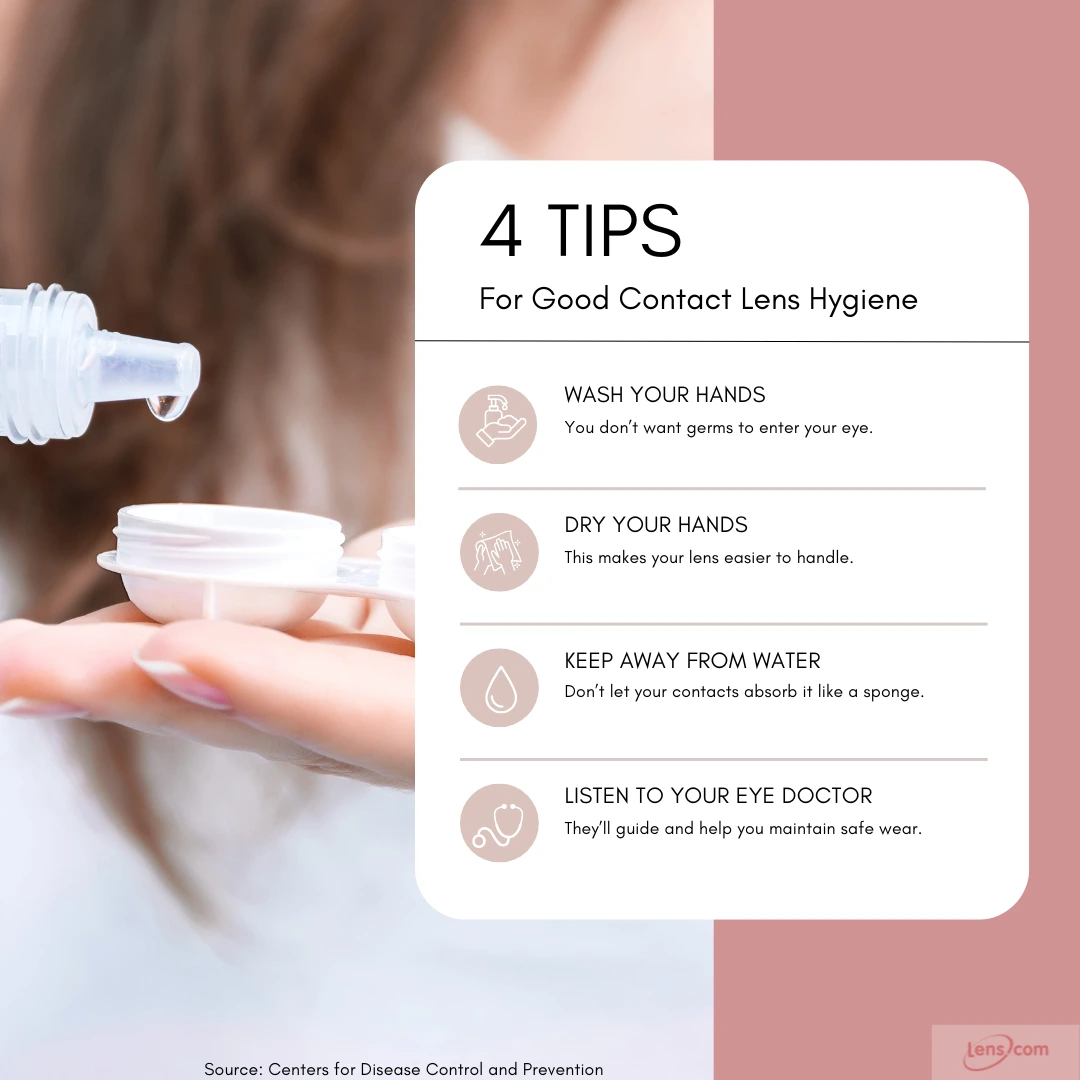
The outdoors aren’t always lens-friendly. Sweat, dirt, and limited access to mirrors and clean hands all pose a challenge. This is why some opt for daily disposables. Their convenience eliminates the need for cleaning and storage.
Best Types of Contact Lenses for Outdoor Activities
There’s no one-size-fits-all lens that fits every outdoor activity. Vision problems and eye care preferences vary from person to person.
These kinds tackle different needs. Let’s go over each one.
Daily Disposable Contacts
Sweat, wind, and debris can make allergens build up on two-week or monthly lenses. Dailies give wearers a fresh pair every day, keeping eye infections down.
Silicone Hydrogel Lenses
These contacts let more oxygen pass through the corneas compared to traditional hydrogel pairs. This prevents dryness, especially in hot or windy settings.
UV-Blocking Contact Lenses
They give additional sun protection. For long daytime activities and workdays, these are the pairs to wear. But these contacts shouldn’t replace sunglasses. The American Academy of Ophthalmology says these lenses don’t fully protect the eyes.
|
Toric Lenses for Outdoors
These contacts can help address distorted or blurry vision. Should you choose torics, make sure they have advanced stabilization to maintain clear vision during rapid movement.
Multifocal Contacts for Outdoor Lifestyles
Do you need to read a map? Is a long drive in the itinerary? For seeing at different distances, multifocals are the best option for people with presbyopia. Your field of vision won’t be obstructed, which is important for activities involving continuous or intense movement.
Best Lenses for Specific Outdoor Activities
The “best” here depends on the activity and environment.
High-Impact and Sweaty Sports
Fast-paced activities like basketball, cycling, and soccer need lenses that stay in place and don’t dry out.
|
|||||||||||||||
High-Wind, Dust, and Endurance Sports
Mountain biking, hiking, and trail running entail prolonged exposure in dry or windy environments. This can make eyes irritable quickly.
|
|||||||||||||||
Water-Adjacent Activities
Water and contact lenses don’t mix. Should you head out to the beach or soak in a pool, pair your contacts with prescription swim goggles. Water, regardless of source, can carry microorganisms that lead to several eye infections.
|
|||||||||||||||
Sports in Bright or Sunny Settings
Golf and fishing are usually done in glare-prone settings. You need lenses that give you clear distance vision, comfort, and can work well with specs. They should also support peripheral vision during your activities, helping you track movement around you.
|
|||||||||||||||||||||||||||
Running and Fitness
The best thing about contacts is that they don’t slide out or bounce with your glasses. For extra security and protection, pair them with sports sunglasses.
|
|||||||||||||||
Hiking and Camping
Hikes and camps expose you to various elements (sun, wind, dust, and pollen) all at once. They also mean limited access to clean bathroom sinks. Your chosen lens should be able to handle those obstacles.
|
|||||||||||||||
Outdoor Work
Wearers in any job that requires working around dirt and wind need pairs that remain comfortable and steady through their changing environments and conditions. They need lenses that keep up with their dusty and sweaty days.
|
|||||||||||||||
Outdoor Contacts Options to Discuss With Your Eye Doctor
Your choice should always start with your prescriptions and your eye doctor’s fitting. And since you’re looking for outdoor-friendly options, you might want to consult them about these lines:
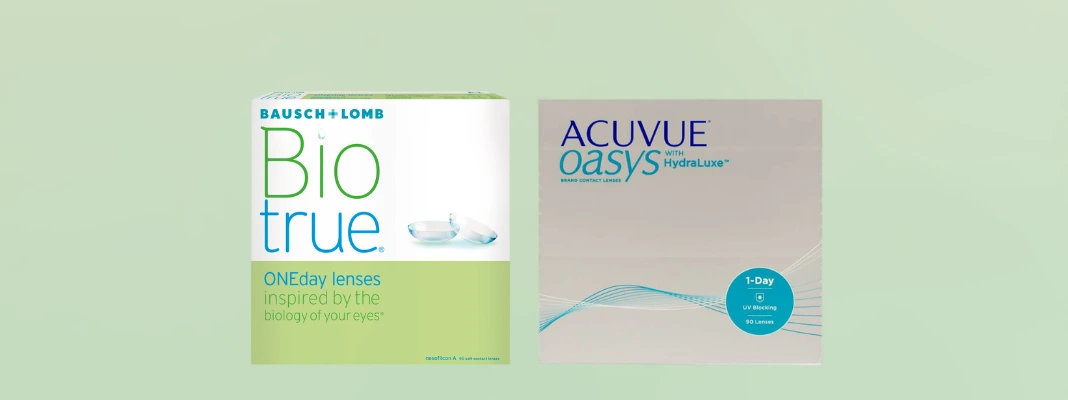
ACUVUE OASYS 1-Day with HydraLuxe
This daily disposable lens has a tear-inspired design. It also has built-in UV protection with Class 1 UV blocking.
HydraLuxe is worth asking about if you want a convenient pair for long days outdoors. It also has an option for astigmatism, so wearers needing toric correction can still sport them.
1-DAY ACUVUE MOIST
This pair also has good UV-blocking capabilities.
Its LACREON technology embeds its wetting agent directly in each lens. This gives you long-lasting moisture, keeping dry eyes at bay.
MyDay Daily Disposable
This CooperVision line is made from silicone hydrogel material. The Aquaform technology keeps moisture locked and provides high oxygen transmissibility. Its Aberration Neutralizing System optimizes optics, resulting in clear, sharp vision.
Toric Lenses for Outdoor Sports
Feel free to ask for toric versions of outdoor-friendly or sports contact lenses. They should be stable when worn, especially in activities like running or hiking.
Multifocal Contacts for Outdoor Sports
If you’re having trouble seeing close or far away, discuss multifocals with your doctor. They’re helpful when your daily activities require distance viewing or switching focus.
Are UV-Blocking Lenses Enough for Outdoor Eye Protection?
The answer is no. Contacts with UV protection alone won’t suffice. Just because they have powerful features doesn’t mean you have full protection.
These lenses protect the cornea, but they don’t cover the eyelids, conjunctiva, and the surrounding skin. Your eyes will still get exposed to light, water, sand, and snow.
Layered protection is the smart move. Use UV-blocking lenses that fit your prescription and eye care needs. Top it off with UVA and UVB-blocking sunglasses. Hats or brimmed visors are also welcome because they help reduce direct sunlight exposure.
Outdoor Conditions Affecting Lens Comfort
Contact lens comfort levels vary per environment. The outdoors are different from indoors because of these specific conditions and elements:
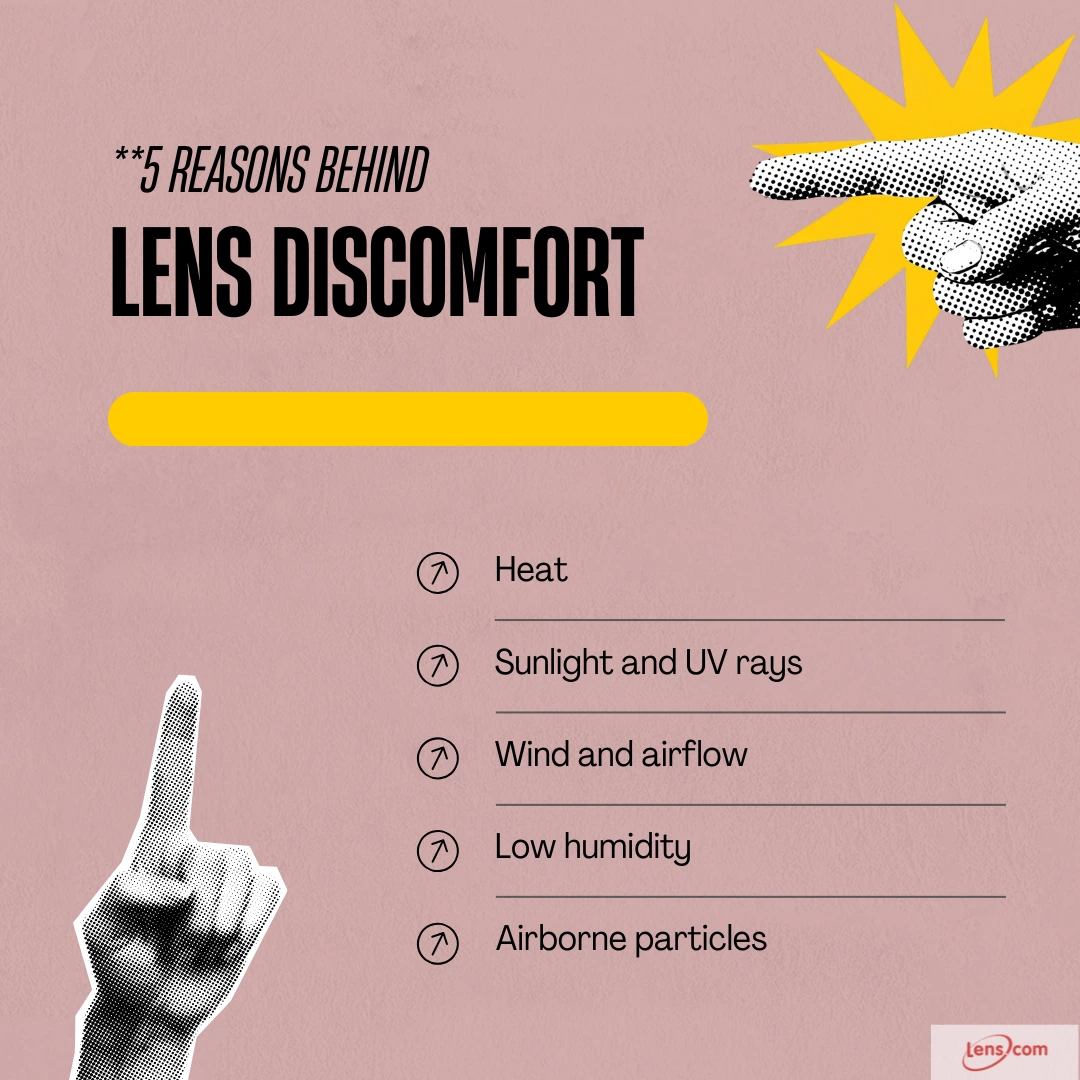
Heat
High temperatures can speed up lens dehydration. The longer they sit on your eyes, the longer dry-eye symptoms will last.
Sunlight and UV Rays
Sunlight glares, making eyes more sensitive. This leads to eye strain and squinting.
Wind and AIrflow
Moving air makes tears and lens moisture evaporate quickly. This makes your contacts feel dry, gritty, tight, and scratchy.
Low Humidity
Dry environments make contacts dehydrate quickly. And since the eyes naturally produce more tears to compensate, your lenses will slightly shift and feel irritating.
Airborne Particles
Fine allergens and particles easily get trapped under contacts, leading to redness and severe irritation.
How to Choose the Best Contacts for Your Outdoor Routine
Follow these steps to make a smart choice:
Step #1: Start with your prescritions.
Outdoor contact lenses are still medical devices. Prescriptions and proper fittings remain necessary before purchase and wear. If a child or teen has been prescribed myopia control contact lenses, their myopia-management plan should also guide which lenses they wear during outdoor activities.
Step #2: Map out your outdoor routine.
Think about your chosen activity. From there, determining the right lens becomes easier.
For example, say you’ll head out camping for the weekend. Since you’ll be out in the wilderness, cleaning and storage will pose a problem. Daily disposables are the appropriate choice because they eliminate the need for both.
Step #3: Don't forget about comfort.
Your eyes may feel fine on a windy morning, but they may change in a hot, humid evening. Details like allergies and other relevant information will help your eye doctor recommend the best material, wear schedule, and care habits that fit your eyes.
Step #4: Bring a lens kit.
Spare lenses, backup glasses, UV-blocking sunglasses, and lens rewetting drops should be in your bag. You can never be too prepared in the outdoors.
Find the Contact Lenses That Suit Your Outdoor Lifestyle
The best contact lenses for outdoors provide comfort, clear vision, and safe wear.
Before you make your choice, think about where you’ll wear them the most. Factor in the things that bother your eyes and the time you typically spend outside. Once you narrow those details, share them with your eye doctor to ensure you get the best pair for your eyes.
Shop for your doctor’s recommendations on Lens.com. Order ahead before you take on the great outdoors.
FAQs About the Best Contacts for Outdoors
Do contact lenses have UV protection?
Some contact lenses have built-in UV filters that help reduce UV exposure to the cornea. They are usually classified as Class 1 or Class 2 UV-blocking lenses, depending on how much UVA and UVB radiation they block. UV-blocking contacts can help outdoors, but they should still be paired with sunglasses.
Are daily contacts better for outdoor activities?
Daily contacts can be a good choice for outdoor activities because you start with a fresh pair each day. They are convenient for hiking, running, camping, travel, and sports because there is no lens cleaning or storage at the end of the day.
Can I wear contacts while camping or hiking?
Yes, you can wear contacts while camping or hiking as long as you practice good lens hygiene. Bring extra lenses, backup glasses, contact-lens-safe rewetting drops, and a way to clean and dry your hands before handling your contacts.
Can I swim with contact lenses?
No. Contact lenses should not be exposed to pool, ocean, lake, river, or hot tub water. Water can introduce harmful microorganisms to your lenses and eyes, which can increase the risk of serious eye infections.
What are transition contact lenses?
Transition contact lenses are soft prescription contacts that adapt to changing light. They darken outdoors and return to a clearer state indoors. They can help with bright light, glare, and UV exposure, but they still do not replace sunglasses.
Should I wear sunglasses with UV-blocking contacts?
Yes. UV-blocking contacts only cover the cornea, so they do not protect the eyelids, surrounding skin, or the full visible surface of the eye. Sunglasses give wider coverage and help protect your eyes from sunlight, glare, wind, and debris.
Disclaimer: This content is for general informational purposes only and is not a substitute for professional advice, diagnosis, or treatment.
References
Preventing Eye Infections When Wearing Contacts. Centers for Disease Control and Prevention. https://www.cdc.gov/contact-lenses/prevention/index.html. Date Accessed: June 16, 2026.
UV-Blocking Contact Lenses Won’t Protect Your Eyes From the Sun. American Academy of Ophthalmology. https://www.aao.org/eye-health/tips-prevention/uv-blocking-contact-lens-sun-protection. Date Accessed: June 16, 2026.
Ultraviolet (UV) protection. American Optometric Association. https://www.aoa.org/healthy-eyes/caring-for-your-eyes/uv-protection. Date Accessed: June 16, 2026.
Similar Articles
-

Can You Wear Contacts to the Beach? A Guide to Contact Lenses in Hot Weather
-

Tear Break-Up Time (TBUT) Meaning and Its Importance in Contact Lenses
-

Sleeping with Daily Contacts: Risks, Eye Infections & Safe Removal Tips
-
Acuvue Reddit Reviews: What We Think (Acuvue Oasys & more)
-

Everything You Need to Know About Hard Contact Lenses: Are They Better Than Soft Lenses?