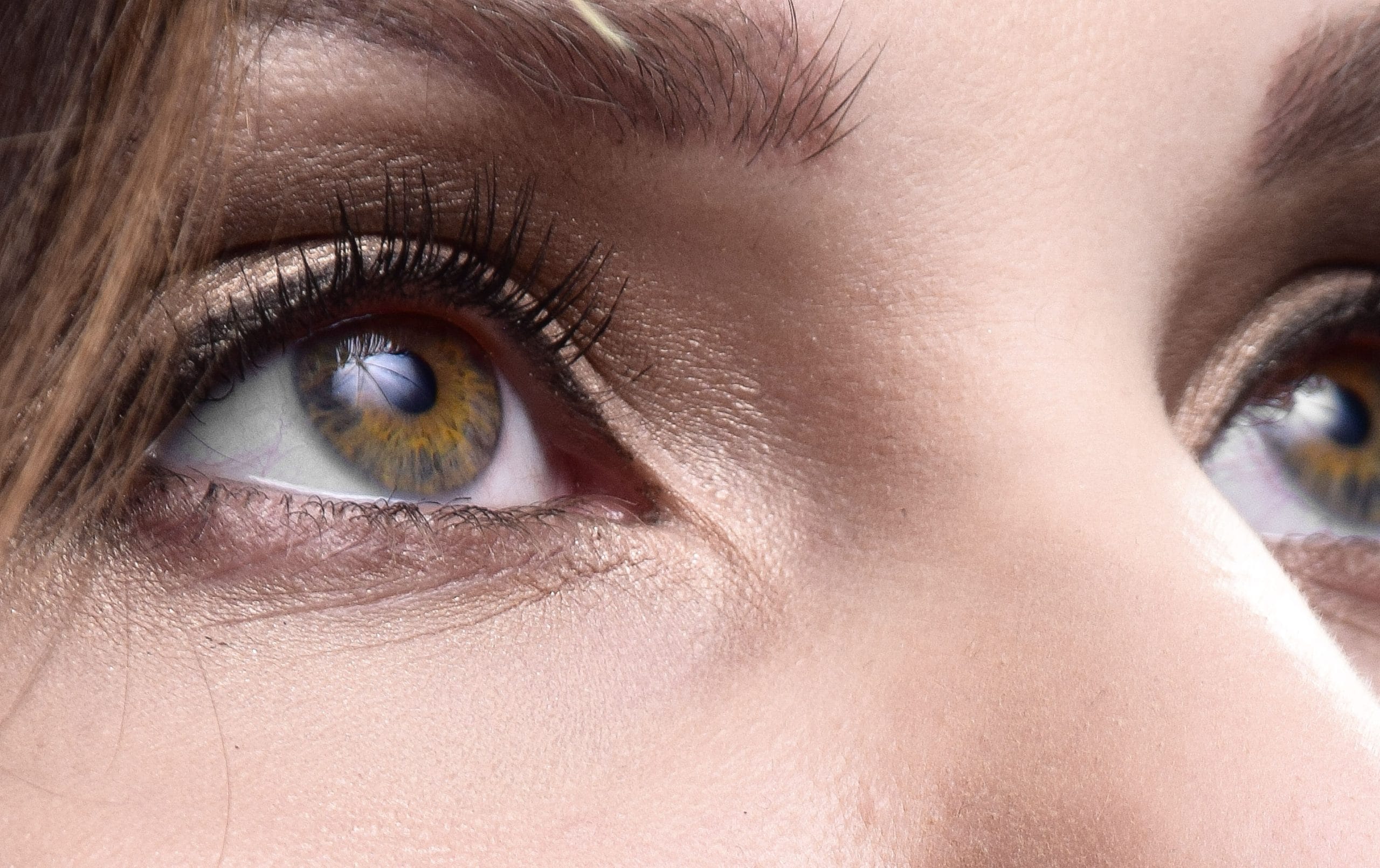

If you’re one of the millions of people gazing back at brown eyes in the mirror each morning, you’re definitely not alone. In fact, you’re part of a pretty impressive majority, somewhere between 70-80% of the world’s population shares your eye color. That’s right, brown eyes aren’t just common; they’re the undisputed champions of the global eye color game.
But there’s so much more to brown eyes than just their popularity. From fascinating evolutionary tales to surprising health benefits, the story of brown eyes is anything but ordinary.
The Science Behind Those Beautiful Brown Eyes
It’s All About the Melanin
The secret to brown eyes lies in a pigment called melanin, the same stuff that gives color to your skin and hair. Think of melanin as nature’s paint, and brown eyes are what happens when you use a lot of it. The more melanin packed into your iris, the deeper and richer your brown eyes appear.
This high concentration of melanin does something pretty cool: it absorbs light rather than reflecting it back. That’s why brown eyes can range from warm honey tones to deep, almost black shades that seem to hold mysteries in their depths. It’s like having a built-in light absorber right in your eyes.
The Genetic Lottery
Here’s where things get really interesting. Eye color isn’t controlled by just one gene, it’s actually influenced by up to 16 different genes working together. The main players are called OCA2 and HERC2, which basically act as the control center for melanin production in your iris.
The brown eye gene is what geneticists call “dominant,” which means it typically wins out over genes for lighter eye colors. If one of your parents passes down a brown-eye gene, there’s a good chance you’ll end up with brown eyes too. It’s like brown eyes have a genetic advantage in the inheritance game.
Why Brown Eyes Rule the World
Our Shared Ancestry
Here’s a mind-blowing fact: scientists believe that every single human on Earth originally had brown eyes. We’re talking about our ancestors from around 10,000 years ago. Brown was literally the only eye color option available on the human menu.
Then something fascinating happened. A genetic mutation occurred in a single person somewhere in Europe, and suddenly blue eyes entered the picture. This means everyone with blue eyes today can trace their lineage back to that one common ancestor. It’s like finding out you’re part of a very exclusive club that started with just one person.
The Sun Protection Factor
Our early ancestors lived in sun-intensive regions, particularly in Africa, where UV radiation was intense. Those melanin-rich brown eyes weren’t just pretty, they were practical. The extra pigment acted like built-in sunglasses, protecting the eyes from harmful UV rays and reducing the risk of sun-related eye damage.
As humans migrated across the globe, they carried this protective trait with them. It was such a useful feature that it stuck around, which is why brown eyes remained the dominant eye color worldwide. Evolution literally selected for brown eyes because they helped our ancestors survive and thrive.
Brown Eyes Around the Globe
The Continental Breakdown
The distribution of brown eyes tells the story of human migration and adaptation. In Africa and Asia, brown eyes are nearly universal, with some populations showing 95% or higher prevalence. The closer you get to the equator, the more brown eyes you’ll find.
Europe presents a more mixed picture. Southern European countries like Italy and Greece have higher percentages of brown-eyed people, while Northern European nations like Iceland and Scandinavia lean heavily toward lighter eye colors. It’s like nature’s way of adapting to different sunlight conditions.
America’s Melting Pot
The United States perfectly demonstrates how immigration and cultural mixing affect eye color distribution. About 45% of Americans have brown eyes, making it the most common eye color in the country. The remaining 55% is split between blue (27%), hazel (18%), green (9%), and other rare colors (1%).
This diversity reflects America’s rich heritage of people from all corners of the world, each bringing their own genetic contributions to the mix.
The Health Story Behind Brown Eyes
Natural Protection Perks
Having brown eyes comes with some pretty cool health benefits. That extra melanin doesn’t just make your eyes look gorgeous – it’s actually working overtime to protect you. People with brown eyes typically have lower risks of age-related macular degeneration, certain types of eye cancer, and diabetic retinopathy.
The high melanin content also makes brown eyes less sensitive to bright sunlight. If you’ve ever noticed that your blue-eyed friends seem to squint more in bright conditions, there’s actually a scientific reason for that. Your brown eyes are naturally better equipped to handle glare and bright light.
Some Surprising Research
Scientists have discovered some unexpected connections between brown eyes and other aspects of health. Research from the University of Louisville suggests that people with brown eyes might have faster reaction times, which could explain why they tend to excel in fast-paced sports like boxing and football.
There’s even research suggesting that brown-eyed individuals might be less susceptible to noise-induced hearing problems, though scientists are still working to understand this connection fully.
A Few Things to Watch
It’s not all sunshine and rainbows though. Some studies indicate that people with brown eyes might have a slightly higher risk of developing cataracts. The research isn’t definitive, but it’s worth being aware of as you think about long-term eye health.
The Cultural Side of Brown Eyes
Perceptions and Personality
Throughout history, brown eyes have been associated with warmth, trustworthiness, and stability. There’s actually some science behind these perceptions. A Czech study found that people tend to rate brown-eyed individuals as more trustworthy on first impression, though researchers noted this might have more to do with facial features that often accompany brown eyes rather than the eye color itself.
In many cultures, brown eyes are seen as the epitome of beauty and depth. They’re often described in literature as “warm,” “mysterious,” or “soulful.” From ancient Egyptian art to modern poetry, brown eyes have been celebrated for their rich, earthy appeal.
Famous Brown-Eyed Icons
The entertainment world is packed with brown-eyed celebrities who’ve captured hearts worldwide. Think Beyoncé’s commanding presence, Johnny Depp’s versatile charisma, or Audrey Hepburn’s timeless elegance. Morgan Freeman’s wise gaze, Penélope Cruz’s captivating beauty, and Natalie Portman’s intelligent intensity all showcase the diverse appeal of brown eyes.
These stars demonstrate that brown eyes are anything but boring, they’re expressive, versatile, and undeniably captivating.
Brown Eye Variations
A Spectrum of Shades
One of the most beautiful things about brown eyes is their incredible variety. You’ve got light amber eyes that seem to glow like honey in sunlight, medium brown eyes with rich, chocolate tones, and deep brown eyes so dark they’re almost black. Some brown eyes have golden flecks that catch the light, while others might have hints of green or hazel mixed in.
This variety means that no two pairs of brown eyes are exactly alike. Each person’s brown eyes are as unique as their fingerprint, with their own special patterns and depth.
Fashion and Style Freedom
From a beauty standpoint, brown eyes are incredibly versatile. Makeup artists love working with brown eyes because they can pull off virtually any color palette. Want to go bold with electric blues and purples? Brown eyes can handle it. Prefer subtle, earthy tones? Perfect match. Even the most daring makeup looks tend to work beautifully with brown eyes. There are also cool brown contact lenses for brown eyes that can enhance, add emotion, and make them even more alluring.
The neutral nature of brown means it doesn’t clash with other colors, giving brown-eyed people incredible freedom in their fashion and beauty choices.
Fun Facts That’ll Make You Appreciate Brown Peepers Even More
Baby Eye Color Changes
Here’s something that might surprise you: many babies are born with blue eyes, even if they’ll eventually have brown eyes. This happens because melanin production isn’t fully active at birth. As babies grow and their melanin production kicks into gear, those blue eyes often darken to brown by the time they’re 3-6 months old.
The Sports Connection
That University of Louisville research about reaction times has some interesting implications for athletics. Studies suggest that the same melanin that gives brown eyes their color might also affect how quickly the brain processes visual information, potentially giving brown-eyed athletes an edge in sports that require lightning-fast reflexes.
Ancient Connections
In ancient Egypt, brown eyes were often associated with divine authority and wisdom. The famous Eye of Horus symbol, representing protection and good health, was typically depicted in brown tones. This connection between brown eyes and wisdom has persisted through many cultures over thousands of years.
Wrap Up on Brown Eyes
Brown eyes might be common, but they’re far from ordinary. They’re a part of our shared human heritage, carry the story of our ancestors’ journey across the globe, and come packed with both practical benefits and timeless beauty. Whether your brown eyes are light as caramel or deep as espresso, they’re a testament to thousands of years of human evolution and adaptation.