
Summer is here, bringing sunny days and beach adventures. But if you wear contact lenses, you need to take extra care of your lenses and eyes. It’s important to think about eye safety, especially now. Sometimes, it might even be better to leave your contacts at home when you head to the sand and sea.
Understanding the Risks
Water Hazards
Swimming is a big part of beach days, but for contact lens wearers, it can be risky due to microbial threats. Whether it’s the chlorinated pools, beach showers, or the ocean, these waters can harbor dangerous microorganisms like Acanthamoeba. These can get trapped between your contact lens and your eye, leading to serious infections.
To stay safe, it’s best to remove your contact lenses before swimming. If you need to see clearly underwater, consider getting prescription swimming goggles. They protect your eyes from waterborne irritants and microbes, letting you enjoy the water without risking your eye health. By taking these precautions, you can ensure your beach memories are filled with fun, not trips to the eye doctor.
Sunscreen and Eye Safety
The very lotion that shields our skin from the sun’s harsh rays can become an adversary when it mixes with sweat and drips into the eyes. This not only results in discomfort but can also contaminate contact lenses, escalating the risk of eye infections.
The Sand Problem
Sand while emblematic of the beach can be problematic. A gust of wind can send fine grains flying, which can irritate the eye and scratch the lens or cornea, especially if trapped underneath a contact lens.
Protective Measures and Best Practices
Choosing the Right Contact Lenses
Opt for daily disposables when planning a beach day. Their single-use nature significantly diminishes the risk of infection, eliminating the concern of cleaning and reusing them after a day exposed to beach elements.
Application and Removal Best Practices
The key to lens safety lies in their application and removal. Ensure your hands are pristine and dry to avoid introducing contaminants to your eye. A clean, sheltered spot is ideal for handling your lenses at the beach.
Eye Care Essentials to Pack
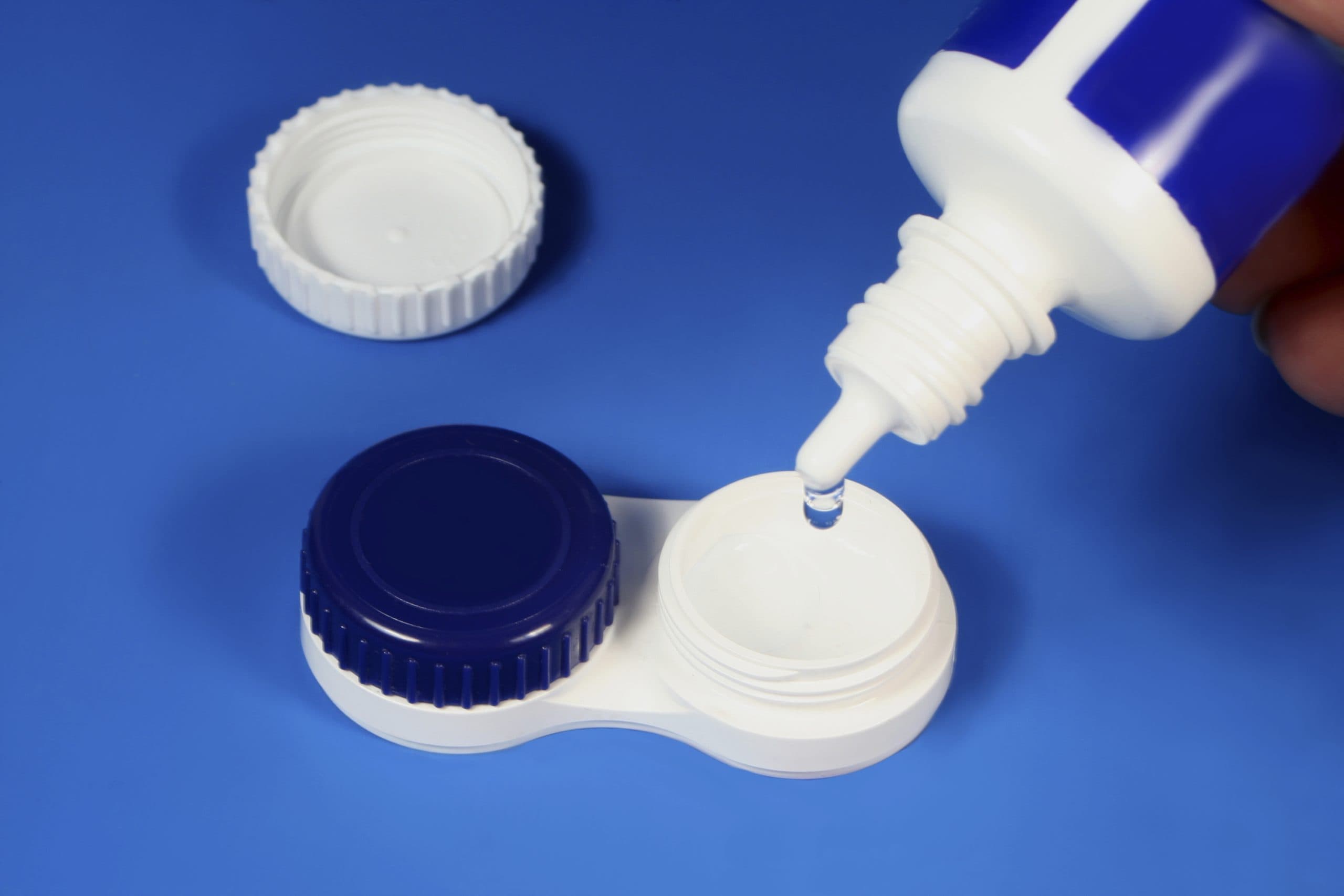
Your beach bag should include a few eye care staples: a saline solution, rehydrating eye drops, and a proper lens storage case. These are your first line of defense against discomfort and potential eye health issues on a beach day.
Alternatives and Additional Precautions

Alternatives to Wearing Contacts at the Beach
Prescription sunglasses are a stylish and practical option, offering UV protection while correcting vision without the risks associated with contact lenses. If you prefer not to switch to glasses, consider taking breaks from your contacts throughout the day to minimize exposure to beach elements.
If prescription sunglasses aren’t your preference or are out of budget, a wide-brimmed hat can also provide protection and comfort. A hat shields your eyes from direct sunlight, reducing the need for squinting, and adds an extra layer of defense against wind-blown sand and debris. Pairing a hat with your regular glasses can keep your vision clear without exposing your eyes or contact lenses to the harsh beach environment.
Tanning Beds and Contact Lenses
While the controlled environment of a tanning bed poses fewer risks than the beach, the heat can still dry out your eyes. Carry rehydrating drops to alleviate discomfort and maintain the moisture balance necessary for healthy lens wear.
Emergency Measures
Immediate Steps for Contact Lens Issues at the Beach
If you experience eye irritation or suspect that your lenses have been compromised by sand or water, act quickly. With clean hands, remove your lenses and rinse your eyes with fresh saline or artificial tears. Avoid rubbing your eyes, as this can worsen the irritation. If discomfort persists, consult an eye care professional.
Summary
A beach day doesn’t have to be stressful for contact lens wearers. With a little preparation and the right precautions, you can enjoy the sun and surf without worrying about your eye health. This guide will help you make the most of your beach days, so you can focus on having fun and staying safe.
By following these tips, you’ll be able to soak up the sun and enjoy the water while keeping your eyes healthy. With these precautions, your beach memories will be as clear and bright as your vision.