
Myopia Control Contact Lenses
Myopia control contact lenses are specialty contact lenses used under an eye doctor's care to help slow the progression of nearsightedness, most often in children. They are different from contacts for myopia, which correct blurry distance vision while worn but are not automatically designed for myopia control. We offer prescription contacts for myopia across daily, biweekly, and monthly replacement schedules, including spherical lenses for standard nearsightedness, toric lenses for myopia with astigmatism, and multifocal lenses for wearers who also need near-vision correction.
Choose the exact lens name, power, base curve, diameter, prescription type, and replacement schedule written on your current contact lens prescription. If you wear toric lenses, match the cylinder and axis values, and if you wear multifocal lenses, confirm the add power and product-specific details.
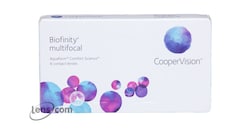
to
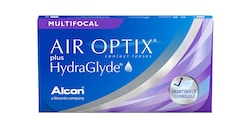
to
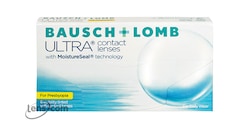
to
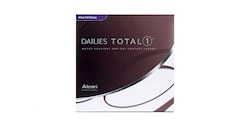
to
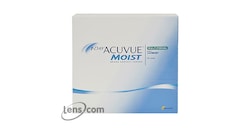
to
to
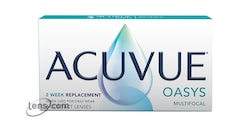
to
to

to
to
to
to
to
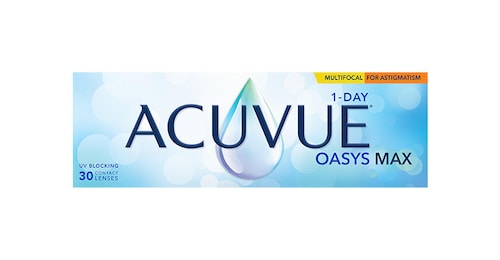
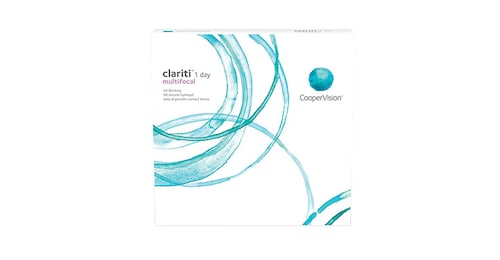
to
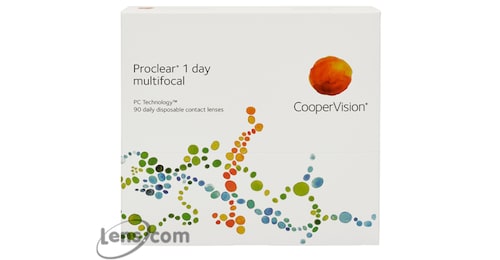
to
How Myopia Control Contact Lenses Differ From Regular Myopia Contacts
Myopia control contact lenses and regular contacts for myopia both help with distance vision, but they do not have the same treatment purpose. You can also compare these options with other prescription contact lenses by vision need, lens type, replacement schedule, and fit.
1. Vision Correction vs. Progression Management
Regular contacts for myopia use a minus power to help distant objects appear clearer while the lenses are worn. Myopia control contact lenses are specialty lenses prescribed to help slow myopia progression, usually as part of a monitored treatment plan for children. Do not assume a standard daily, biweekly, or monthly myopia lens provides myopia control unless your eye doctor prescribed it for that purpose.
2. Prescription and Lens Design
Standard spherical contacts correct uncomplicated nearsightedness, while toric lenses correct myopia with astigmatism. Multifocal lenses can correct myopia with presbyopia in adult wearers, but a multifocal label alone does not mean the lens is being used for myopia control. Your eye doctor should confirm whether your prescription is for regular vision correction or a myopia-management plan.
3. Replacement Schedule and Safe Wear
Contacts for myopia may come in daily, biweekly, or monthly schedules. Daily disposable lenses are worn once and discarded after removal, while reusable lenses need cleaning, disinfection, storage, and replacement on time. Children and teens need especially careful handling, follow-up, and supervision, similar to other considerations for contact lenses for kids.
Why Wearers Choose Contacts for Myopia
Wearers choose contacts for myopia to correct blurry distance vision with lens options that match their prescription, comfort needs, and wearing routine.
- 1-DAY ACUVUE MOIST is a daily disposable option for wearers whose prescriptions match.
- ACUVUE OASYS offers a reusable two-week option for nearsightedness correction.
- DAILIES TOTAL1 provides a daily disposable option with Water Gradient Technology.
- Biofinity offers a monthly silicone hydrogel lens for wearers who can follow a care routine.
- Biofinity XR may fit some wearers with higher myopia prescriptions when prescribed.
- Proclear 1 Day provides a daily disposable option with PC Technology.
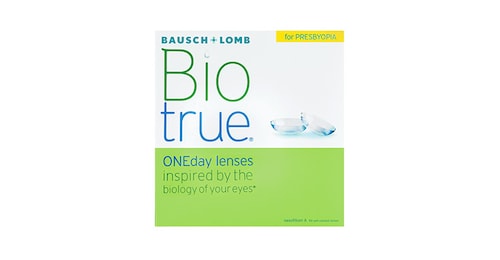
- Biotrue ONEday offers a daily disposable option for standard vision correction.
- ULTRA and AIR OPTIX plus HydraGlyde are monthly options for prescribed reusable wear.
- Toric versions may fit wearers who have myopia and astigmatism.
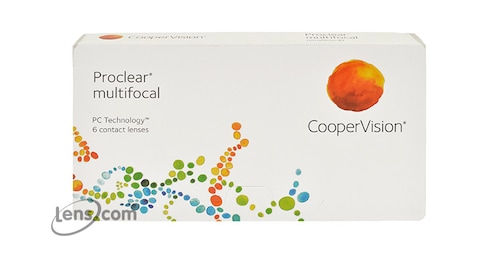
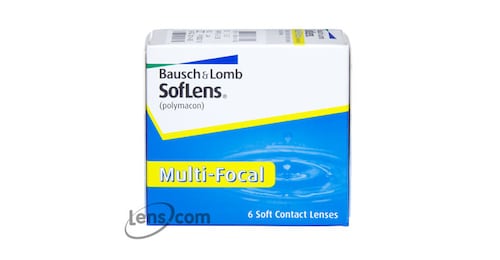
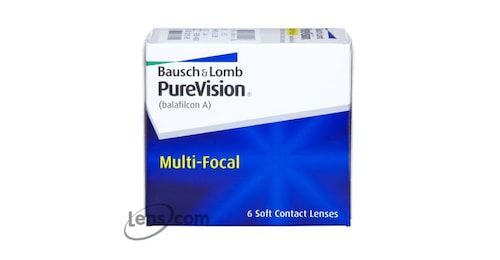
- Multifocal versions may fit adult wearers who have myopia and presbyopia.
- Daily disposable contacts may suit wearers who prefer a fresh pair without cleaning or storage.
- Monthly and biweekly reusable lenses may suit wearers who can consistently follow lens-care steps.
- Regular contacts for myopia correct distance blur but should not be described as myopia-control treatment unless your eye doctor prescribed them for that purpose.
What to Check Before Ordering Myopia Control Contact Lenses
Before ordering, confirm whether your prescription is for standard myopia correction or a treatment-specific myopia-control plan.
Exact Product Name
Match the complete product name on your contact lens prescription. Products from different contact lens brands can use different materials, replacement schedules, dimensions, and fitting characteristics. Do not switch to another lens because it has the same power unless your eye doctor has approved and fitted the new product.
Prescription Type
Check whether your prescription is spherical, toric, multifocal, or another specialty design. Spherical contacts use a minus power for standard myopia, toric contacts add cylinder and axis values for astigmatism, and multifocal contacts include add power for presbyopia. A regular myopia contact lens prescription is not the same as a myopia-control treatment plan.
Replacement Schedule
Confirm whether the lens is daily disposable, biweekly, or monthly. Daily disposable lenses are worn once and discarded after removal, while reusable lenses require cleaning, disinfection, fresh solution, and storage. Do not stretch the replacement schedule because older lenses may collect deposits and affect comfort, vision, or lens condition.
Eye Doctor Guidance
Follow your eye doctor's instructions for wearing time, follow-up visits, and any myopia-management plan. Children and teens need supervision, clean handling habits, and regular monitoring if they wear contact lenses. Remove the lenses and contact an eye doctor if there is pain, strong redness, discharge, swelling, light sensitivity, sudden blur, or discomfort that does not improve after removal.
Can Contact Lenses Slow Myopia Progression?
Yes, certain
Yes, certain specialty contact lenses can be prescribed to help slow myopia progression, but not every contact lens has that treatment purpose. Standard single-vision lenses help correct distance blur but are not the same as myopia-control contact lenses. Some eye doctors may also discuss myopia-management options such as specialty contact lenses, orthokeratology, atropine drops, or myopia-control glasses. The right option depends on the child's age, prescription, eye health, lifestyle, and ability to follow the required routine.
specialty contact lenses can be prescribed to help slow myopia progression, but not every contact lens has that treatment purpose. Standard single-vision lenses help correct distance blur but are not the same as myopia-control contact lenses. Some eye doctors may also discuss myopia-management options such as specialty contact lenses, orthokeratology, atropine drops, or myopia-control glasses. The right option depends on the child's age, prescription, eye health, lifestyle, and ability to follow the required routine.What Contact Lenses Are Available for Myopia?
Contact lenses for nearsightedness are available across daily, biweekly, and monthly replacement schedules for regular vision correction.
Daily Disposable Options
Daily options may include 1-DAY ACUVUE MOIST, DAILIES TOTAL1, Biotrue ONEday, Proclear 1 Day, and other prescribed daily lenses. These are worn once and discarded after removal, so they do not need cleaning or overnight storage.
Biweekly Options
Biweekly lenses may include ACUVUE OASYS when prescribed for your eyes. These lenses are reusable and require cleaning, disinfection, fresh solution, and replacement on the schedule your eye doctor provided.
Monthly Options
Monthly options may include Biofinity, Biofinity XR, ULTRA, AIR OPTIX plus HydraGlyde, and other prescribed lenses. These products may fit regular wearers who can follow a consistent care routine and whose prescriptions match the product range.
Myopia Control Contacts vs Regular Contact Lenses
Myopia control contacts and regular contact lenses can both help with nearsighted vision, but they are prescribed for different goals.
Myopia Control Contacts
- Help correct blurry distance vision while the lenses are worn.
- Are prescribed to help slow myopia progression as part of a treatment plan.
- Are most often discussed for children and teens whose myopia is still changing.
- Require eye doctor monitoring to track prescription changes, eye growth, lens fit, and eye health.
- Should not be replaced with regular spherical, toric, or multifocal contacts unless the eye doctor approves the change.
Regular Contact Lenses
- Contacts for myopia correct blurry distance vision caused by nearsightedness while the lenses are worn.
- May come in daily, biweekly, or monthly replacement schedules.
- May include spherical lenses for standard myopia or toric lenses for myopia with astigmatism.
- Do not automatically slow myopia progression or manage eye growth.
- Should still match the exact product name, power, base curve, diameter, and prescription type listed by the eye doctor.
Can Regular Contacts for Myopia Be Part of a Myopia Management Plan?
Regular contacts for myopia may be part of a child's overall vision correction, but they should not be confused with treatment-specific myopia control. They help a child see distant objects more clearly while the lenses are worn. They may also support sports, school activities, or daily routines when the child is ready for safe contact lens wear. When considering contact lenses for kids, the eye doctor should decide whether regular contacts, specialty contacts, glasses, or another treatment makes sense.
If myopia is progressing, ask the eye doctor whether a myopia-management plan is needed. The plan may include more than simply updating the lens power each year. Follow-up visits help monitor prescription changes, eye health, and whether the current correction is still appropriate. Do not change products or schedules without professional approval.
What Age Can Kids Wear Contacts for Myopia?
Children may be ready for contact lenses for kids at different ages, depending on maturity, hygiene, motivation, and eye doctor approval. Age alone does not decide readiness because some children can follow safe handling steps earlier than others. A child should be able to wash and dry their hands, insert and remove lenses safely, follow wearing-time limits, and report discomfort quickly. Parent or caregiver supervision is helpful, especially when the child is new to contacts.
For myopia control, the eye doctor may apply stricter criteria because the goal is not only clear distance vision but also long-term monitoring. The doctor may review prescription changes, eye growth, risk factors, and treatment options. If the child is not ready for contacts, glasses or another treatment approach may be more appropriate. Keep regular eye exams so prescription changes and eye health can be monitored over time.
How Long Do Children Wear Myopia Control Contact Lenses?
Children may wear myopia control contact lenses for several years, depending on how their prescription, eye growth, comfort, and treatment response change over time. The exact length of treatment should be decided by the eye doctor during regular follow-up visits. Myopia often progresses during childhood and teenage years, so treatment may continue while the eyes are still changing. Do not stop, pause, or change the wearing schedule without professional guidance.
Your child's eye doctor may review vision clarity, prescription changes, eye health, lens fit, and handling habits at each visit. If myopia progression slows or the prescription becomes stable, the doctor may discuss whether to continue, adjust, or transition to another vision-correction plan. Some children may still need glasses for backup or for times when contacts are not worn. The goal is ongoing management, not a one-time correction.
Myopia Control Contact Lenses With Astigmatism
Myopia and astigmatism can occur together, but not every myopia-control contact lens is available for every cylinder and axis combination.
1. Match the Full Prescription
If your child has astigmatism, the prescription may include sphere, cylinder, axis, base curve, diameter, and an exact lens name. A regular spherical myopia lens cannot replace a toric lens when cylinder and axis correction are needed.
2. Review Treatment Suitability
Some children with astigmatism may need clear toric contacts for vision correction, glasses, orthokeratology, or another myopia-management plan. The eye doctor should confirm whether the astigmatism level and eye shape fit the treatment being considered.
3. Check Vision Stability
Toric lenses must stay properly oriented so vision stays clear. If vision shifts, blurs, or clears after blinking, ask the eye doctor to check lens rotation, movement, and fit before reordering.
Can Myopia Control Contacts Reduce or Cure Myopia?
No, myopia control contacts do not cure myopia or permanently reverse nearsightedness. Their goal is to help slow progression in eligible wearers when prescribed as part of a treatment plan. Your child may still need glasses, contact lenses, or updated prescriptions over time. The treatment response can vary, which is why regular monitoring is needed.
Standard vision-correcting contact lenses for myopia also do not cure myopia. They correct distance blur while the lenses are on the eyes. If vision becomes blurry again, the prescription, lens fit, or wearing routine may need review. Ask your eye doctor before stopping, changing, or replacing any myopia-management plan.
How to Buy Contacts for Myopia Online
You can order contacts for online when you have a current prescription for the exact lens fitted by your eye doctor.
Before completing the order, confirm:
- Complete product name and manufacturer
- Power for the right and left eyes
- Base curve and diameter
- Cylinder and axis if you wear toric lenses
- Add power if you wear multifocal contacts
- Daily, biweekly, or monthly replacement schedule
- Number of lenses in each box
- Total supply needed for both eyes
- Current price, rebates, shipping charges, and return policy
- Prescription-verification requirements
- Eye doctor approval before changing brands, powers, or treatment plans
Inspect the boxes and blister packs when your order arrives. Do not wear lenses from opened, damaged, expired, or incorrectly labeled packaging, and do not extend lenses beyond the prescribed replacement schedule.
References
Nearsightedness (Myopia). National Eye Institute. https://www.nei.nih.gov/eye-health-information/eye-conditions-and-diseases/nearsightedness-myopia. Date Accessed: July 9, 2026.
Myopia Control in Children. American Academy of Ophthalmology. https://www.aao.org/eye-health/diseases/myopia-control-in-children. Date Accessed: July 9, 2026.
1-DAY ACUVUE� MOIST with LACREON� Technology. Johnson & Johnson Vision / ACUVUE. https://www.acuvue.com/en-us/products/acuvue-moist-1-day/. Date Accessed: July 9, 2026..
DAILIES TOTAL1� Daily Disposable Contact Lenses. Alcon. https://total.myalcon.com/products/dailies-total1/. Date Accessed: July 9, 2026.
Biofinity� Contact Lenses. CooperVision. https://coopervision.com/contact-lenses/biofinity-contacts. Date Accessed: July 9, 2026.
Popular Contact Lens Reviews
Contacts
This particular company is trustworthy and easy to order from and their prices are competitive as well!
Dalies Rule
I have experienced dailies for the first time and will not go back to the conventional lenses. No cleaning or cleaning supplies and always comfortable. At the end of the day I forget that I have them on. Great product!
Price
I've used Air Optix for several years and have been satisfied with this product. I compared costs and Lens.com was the most competitive.
Mr.
As with my last order, I received the contacts in only days. The product is excellent and the price is excellent and the service is excellent. I had an issue with one order several years ago and it was resolved to m satisfaction immediately and generously. Keeping my prescription on file makes a second ordering even easier. Thank you!
Shipping and rebate expediency and accuracy.
I have been doing business with lens.com for many years now, and have found them to be an excellent provider of contact lenses. I would highly recommend them to anyone, wishing to save money on their contract purchase.
Can read the dash again
I can finally see my phone and look up at the road while driving without weird blurs. Price tag hurts but they work perfectly.
Regular customer now
First time ordering from lens.com and they got my prescription right and shipped it fast. lenses feel great.
smooth focus
Seamless transition between reading up close and long distance. No headaches or squinting for me. Great service thank you!
Saved me from bifocals
I was so resistant to getting bifocal glasses, so my doctor suggested these instead. It took a couple of days for my brain to adjust to the zones, but now I can read my text messages and watch TV with zero issues.