
| Contact Lenses FDA-Approved for Overnight Wear | Replacement Schedule | Water Content |
|---|---|---|
| Bausch + Lomb PureVision | Monthly | 36% |
| AIR OPTIX NIGHT & DAY AQUA | Monthly | 24% |
| Air Optix for Astigmatism | Monthly | 33% |
| Biofinity | Monthly | 48% |
| Biofinity Toric | Monthly | 48% |
| Biofinity Multifocal | Monthly | 48% |
| Biofinity Energys | Monthly | 48% |
| Bausch + Lomb ULTRA | Monthly | 46% |
| Purevision | Monthly | 36% |
| PureVision 2 HD | Monthly | 36% |
| Purevision 2 HD for Astigmatism | Monthly | 36% |
| PureVision 2 Toric | Monthly | 36% |
| PureVision 2 Multifocal | Monthly | 36% |
| PureVision Toric | Monthly | 36% |
| PureVision Multi-focal | Monthly | 36% |
| AIR OPTIX Plus Hydraglyde | Monthly | 33% |
| AIR OPTIX AQUA Multifocal | Monthly | 33% |
| AIR OPTIX AQUA | Monthly | 33% |
| Focus Night & Day | Monthly | 24% |
| ULTRA for Astigmatism | Monthly | 46% |
| ULTRA for Presbyopia | Monthly | 46% |
| Contact Lenses FDA-Approved for Overnight Wear | Replacement Schedule | Water Content |
|---|---|---|
| Air Optix for Astigmatism | Monthly | 33% |
| ACUVUE OASYS with HYDRACLEAR PLUS | 1 – 2 Weeks | 38% |
| ACUVUE OASYS for ASTIGMATISM | 1 – 2 Weeks | 38% |
| Acuvue Oasys for Presbyopia | 1 – 2 Weeks | 38% |
| Acuvue 2 | 1 – 2 Weeks | 58% |
| Biomedics 38 | 1 – 2 Weeks | 38% |
| Biomedics Toric | 1 – 2 Weeks | 55% |
| Biomedics 55 Evolution Asphere | 1 – 2 Weeks | 55% |
| Biomedics 55 Premier Asphere | 1 – 2 Weeks | 55% |
| Soflens 38 | 1 – 2 Weeks | 38% |

Updated January 27, 2026 – Wearing contact lenses all day can be convenient, but what if you could keep them in overnight? Extended wear contact lenses are designed for this purpose, offering clear vision during the day and while you sleep when specifically prescribed by your eye care professional.
However, not every lens is approved for overnight use, and sleeping in contacts increases the risk of infection and other complications. The best contact lenses for your needs will depend on your prescription, eye health, wearing habits, and your eye care professional’s guidance.
Below, we review several recommended contact lenses approved for extended wear, their potential benefits, and the safety factors you should understand before wearing lenses overnight.
What Are Extended-Wear Contact Lenses?
Unlike daily wear contact lenses, extended-wear contact lenses are designed for continuous use, allowing you to wear them for multiple days or weeks without removal. These lenses are typically made from silicone hydrogel, a highly breathable material that allows more oxygen to reach your eyes than traditional soft lenses. This reduces the risk of complications and keeps your eyes comfortable and healthy.
Unlike daily disposable lenses, extended-wear options may be approved for overnight use. Still, overnight contact lenses require careful handling, proper cleaning when removed, and strict adherence to the prescribed wearing schedule to reduce the risk of infection, dryness, or irritation.
Benefits of Extended-Wear Contacts
Extended-wear contacts may appeal to people who need more flexibility from their lenses, especially those with busy schedules, travel plans, shift work, or difficulty handling lenses every day. When prescribed appropriately, contact lenses day night options can support clear vision across longer wear periods while reducing the need for daily removal and reinsertion.
Extended-wear lenses offer several advantages, including:
Convenience: Perfect for people with busy lifestyles, extended-wear lenses eliminate the need to handle lenses daily.
Travel-friendly: Ideal for trips or situations where you may not have access to your usual lens care routine. You don’t always have a “contact lenses near me” option.
Comfortable vision day and night: You can wake up with clear vision without fumbling for glasses or inserting lenses.
What To Consider Before Sleeping in Contacts
While extended-wear lenses are convenient, they’re not without risks. Before choosing these lenses, keep the following in mind:
Consult an eye doctor: Not everyone is a good candidate for extended-wear lenses. Conditions like dry eyes or allergies may affect suitability.
Risk of infection: Wearing lenses overnight can increase the likelihood of eye infections if not used properly.
Follow guidelines: Always adhere to the recommended wearing schedule and replace lenses as directed.
Some of the Best Contacts You Can Sleep In
Here are some top-rated extended-wear contact lenses recommended by doctors:
1. Air Optix Night & Day Aqua
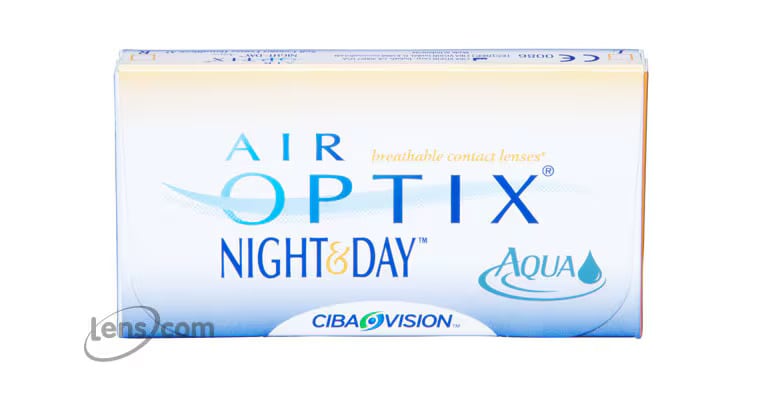
Technology: Made with SmartShield Technology, which helps resist deposits and keeps lenses feeling fresh.
Features: Designed for up to 30 days of continuous wear, offering high oxygen permeability to keep eyes healthy.
Benefits: Provides consistent comfort and clear vision throughout the day and night.
Customer Reviews:
“These contacts save me so much time by being able to sleep in them. They are comfortable and easy to take care of. I have been using them for years and will continue to use them.”
“Love this product as I can keep them in for 1 month at a time. Soft lens that don’t cause any irritation.”
If you’re looking for a monthly contact lens designed for extended wear, consider Air Optix Night & Day Aqua , which is FDA-approved for up to 30 nights of continuous wear when prescribed by an eye care professional.
2. Acuvue Oasys
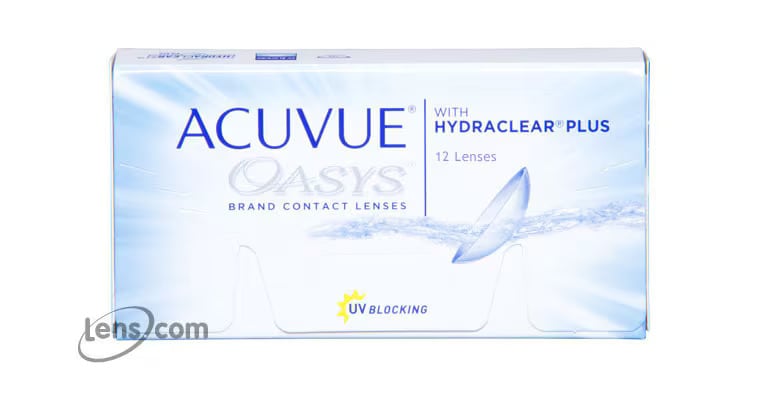
Technology: Features Hydraclear Plus Technology that integrates a wetting agent for all-day hydration.
Features: Approved for up to 6 nights of continuous wear with UV protection for outdoor enthusiasts.
Benefits: Retains moisture and ensures comfort, even in challenging environments.
Customer Reviews:
“I’ve been using this brand for over 10 years, quality is consistently high over the 2 week wear period. Highly recommend.”
“Very satisfied. The contacts are great quality and came in quickly. Will definitely buy again.”
For those who want a two-week lens with an extended-wear option, Acuvue Oasys can be worn overnight for up to 6 nights/7 days when prescribed and supervised by an eye care professional.
3. Biofinity
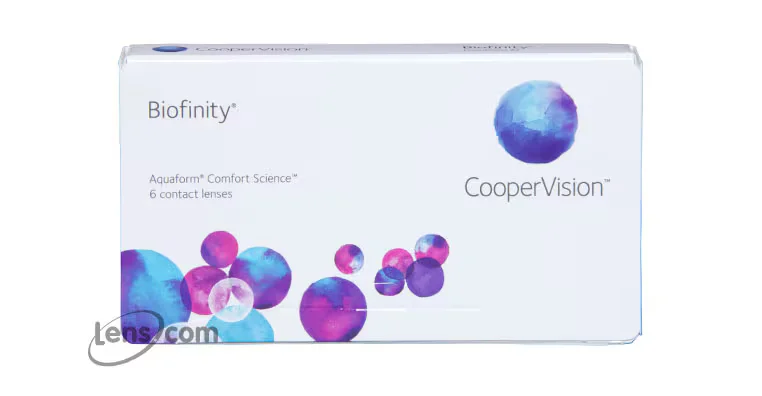
Technology: Utilizes Aquaform Technology to balance oxygen flow and retain water within the lens.
Features: Suitable for up to 7 days of continuous wear with naturally wettable materials.
Benefits: Delivers superior comfort and supports long-term eye health.
Customer Reviews:
“I am really glad my Optometrist introduced me to these. Best feeling contacts I have tried”
“Consistently excellent lenses for my dry eyes”
“Easy to use, comfortable to wear and help me see. What more do you need?”
Looking for the convenience of a monthly lens with an overnight-wear option? Biofinity may be prescribed for up to 6 nights and 7 days of continuous wear, depending on your eye care professional’s recommendation.
4. PureVision 2 HD
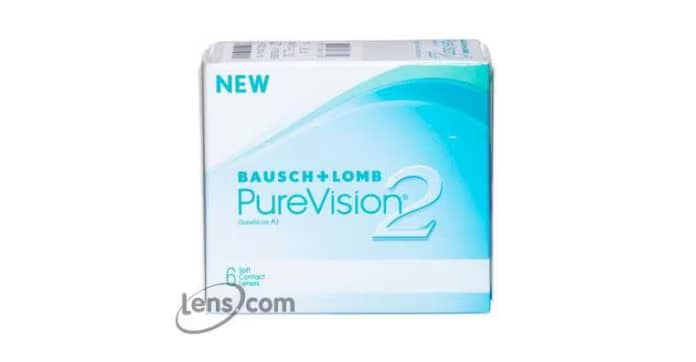
Technology: Equipped with High Definition Optics for sharper vision, especially in low-light conditions.
Features: Designed for extended or daily wear with a thin lens profile for minimal irritation.
Benefits: Ensures crisp, clear vision and reliable comfort during extended use.
Customer Reviews:
“They don’t keep folding over on my fingertip, they don’t fall out of my eye because I rubbed an itch. Newer versions of contacts tend to be to flimsy in my opinion.”
“Like not having contacts in at all, just like Mother Nature intended!!”
Need a monthly lens that offers both daily and extended-wear flexibility? PureVision 2 HD is approved for extended wear of up to 30 days when prescribed by an eye care professional.
Tips for Safe Use of Extended-Wear Lenses
To maximize comfort and reduce risks, follow these tips:
- Each brand of extended-wear lenses has a specific recommended duration for continuous use. Exceeding this limit increases the risk of complications such as eye infections or irritation.
- Extended-wear lenses are not suitable for everyone. Ensure that your eye care professional evaluates your suitability and prescribes the correct type of lenses for your needs.
- Always wash your hands thoroughly before handling your lenses. This simple step can prevent bacteria and debris from transferring to your eyes.
- Check for signs of redness, discomfort, dryness, or blurred vision. These symptoms could indicate a problem, such as an infection or lack of oxygen to your cornea. Remove your lenses if you notice anything unusual and contact your eye doctor immediately.
- Even though extended-wear lenses are designed for prolonged use, they still require regular cleaning with a high-quality contact lens solution. Avoid using water or saliva, as these can introduce harmful microorganisms.
- If your eyes feel tired or dry after extended wear, consider giving them a break by switching to glasses for a day or two. Resting your eyes can help maintain their overall health.
- Use a clean, sterile contact lens case and change the solution daily. Old or contaminated cases can harbor bacteria that lead to infections.
- Adhere to the replacement schedule specified by the manufacturer or your eye doctor. Wearing lenses beyond their intended lifespan increases the likelihood of deposits and discomfort.
- Schedule routine check-ups with your eye doctor to monitor your eye health and ensure that extended-wear lenses remain a safe option for you.
Extended wear only works if your prescription is entered correctly, use the how to read contact lens prescriptions OD vs OS eye guide with calculator to confirm each eye.
Who Should Avoid Sleeping in Contacts?
Not everyone is a good candidate for extended-wear lenses. You may need to avoid them if:
- You have dry eyes, allergies, or frequent eye irritation.
- You work in dusty or dirty environments where debris can accumulate on lenses.
- You have underlying eye conditions or a history of eye infections.
How To Handle A Stuck Lens In The Morning?
Occasionally you might wake up and feel that a lens is not moving freely on your eye. This frequently happens because the eye surface becomes slightly dry during the night. You should never try to pull or force a lens off the cornea if it feels stuck. This action can cause a painful scratch on the eye surface. Instead you should apply several drops of sterile rewetting solution or saline to the eye. Close your eyes for a few seconds and gently massage your eyelid to help the liquid distribute under the lens.
Once the lens begins to move normally, you can safely remove it or continue with your day. If the lens remains stuck after several attempts with drops you should leave it in place and contact your eye doctor for assistance. Maintaining a calm and steady approach to this situation is a mandatory requirement for safety. Using high quality brands help reduce this risk because they allow a high volume of oxygen to reach the eye but keeping rewetting drops on your nightstand is still a significant habit for every extended wear user.
Final Thoughts on Extended-Wear Lenses
Extended-wear contact lenses can be a game-changer for those seeking convenience and continuous vision correction. Brands like Air Optix, Acuvue Oasys, Biofinity, and PureVision2 offer excellent options for overnight wear.
If you’re considering extended wear contact lenses, talk to your eye doctor to find the best option for your needs. And remember, with the right lenses and care, you can enjoy clear vision around the clock.
Frequently Asked Questions about Extended Contact Lenses
1. Is it safe to sleep in contact lenses?
Some contact lenses are approved for overnight wear, but safety depends on following the recommended guidelines and consulting your eye doctor.
2. How long can I wear extended-wear lenses?
The duration varies by brand and type. Some lenses can be worn for up to 7 days, while others allow up to 30 days of continuous use.
3. What happens if I sleep in regular contact lenses?
Sleeping in lenses not designed for overnight use increases the risk of infections, discomfort, and reduced oxygen flow to your eyes.
4. Are extended-wear lenses more expensive?
Extended-wear lenses are competitively priced, offering great value for their convenience and extended usability compared to regular lenses.
5. How do I care for extended-wear lenses?
Clean and store them as directed. Always replace lenses according to the schedule recommended by the manufacturer and your eye doctor.
References
Clinical Guidance for Extended Wear Contact Lenses. Food and Drug Administration. Source at fda.gov/medical-devices/contact-lenses/extended-wear-lenses. Date Accessed: September 9, 2026.
Risks and Benefits of Sleeping in Contact Lenses. American Academy of Ophthalmology. Source at aao.org/eye-health/glasses-contacts/contact-lens-101. Date Accessed: September 9, 2026.
Hygiene Practices for Continuous Wear Lenses. Centre for Disease Control and Prevention. Source at cdc.gov/contact-lenses/care/index.html. Date Accessed: September 9, 2026.
Air Optix Night and Day Aqua Product Specifications and SmartShield Technology. Alcon Canada. Source at alcon.ca. Date Accessed: September 9, 2026.
Acuvue Oasys with Hydraclear Plus for Overnight Wear. Johnson and Johnson Vision. Source at jjvision.com. Date Accessed: September 9, 2026.
Biofinity Silicone Hydrogel Lens Data and Aquaform Technology. CooperVision Canada. Source at coopervision.ca
PureVision 2 High Definition Optics for Extended Wear. Bausch and Lomb. Source at bausch.ca. Date Accessed: September 9, 2026.
Ocular Health Considerations for Silicone Hydrogel Materials. Mayo Clinic. Source at mayoclinic.org/healthy-lifestyle/adult-health/in-depth/contact-lenses/art-20046242. Date Accessed: September 9, 2026.
Similar Articles
-

Are Biofinity Contacts Monthly? Biofinity Buyer’s Guide – What You Need to Know
-

Surprising Links Between Eye Health and Overall Well-Being
-

What Does Cylinder (CYL) and Axis Mean in an Eye Prescription?
-

Buy Contact Lenses Online: Guide for Hassle-Free Vision
-

What Is Keratometry and Why is it Important?