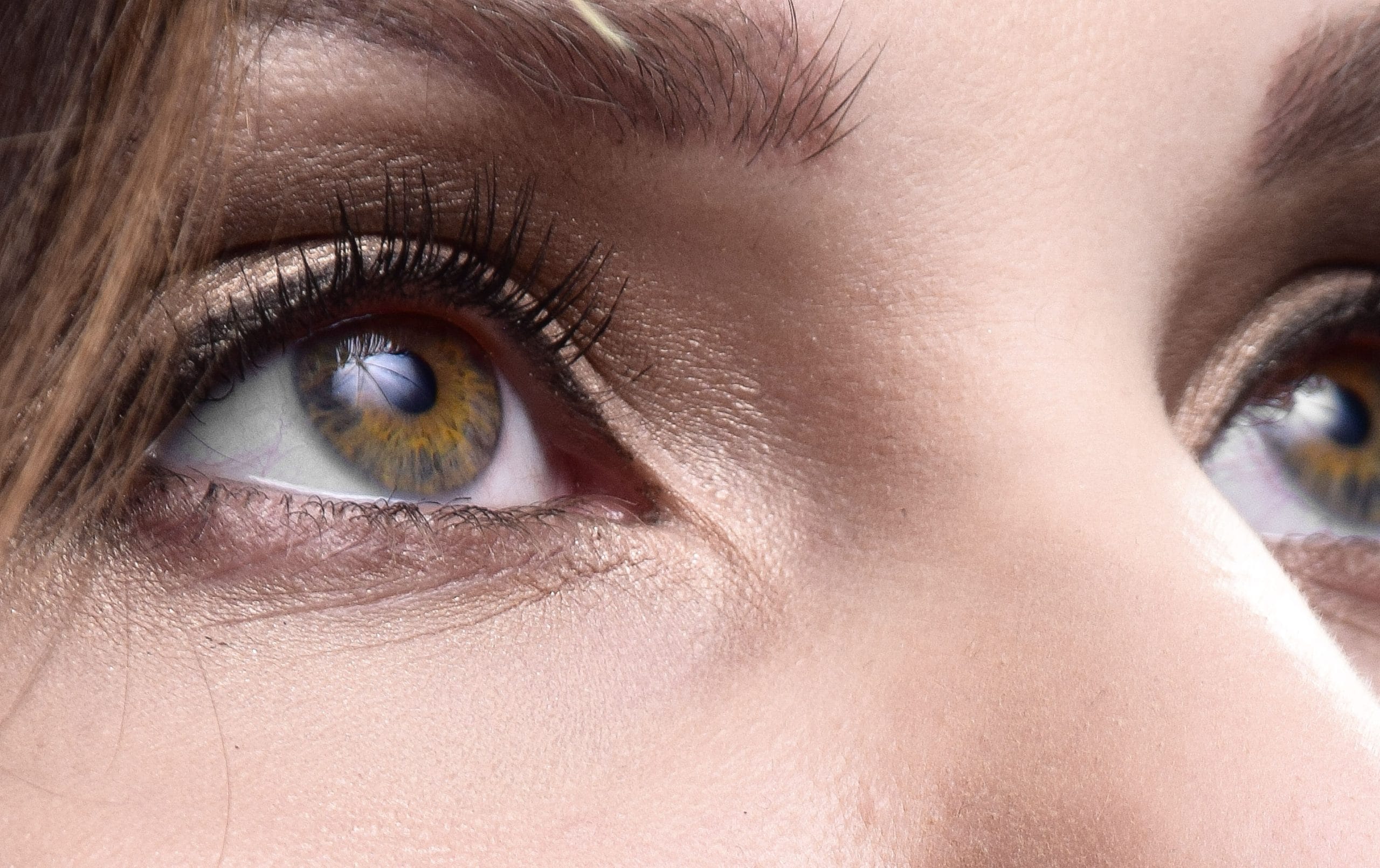


Struggling with contact lenses? You’re not alone.
Whether you’ve tried them before or are considering contact lenses for the first time, it’s frustrating when they don’t seem like an option. Maybe you’ve experienced discomfort or have heard from your eye doctor that contacts aren’t right for you.
In this post, we’ll break down some of the most common reasons why some people can’t wear contact lenses and explore what alternatives might work better for you.
If you have dry eyes, contacts may make things worse.
Wearing contact lenses can reduce the moisture on your eye’s surface, leading to irritation and discomfort. This is especially true if you already struggle with dryness due to age, allergies, or environmental factors.
Put simply, if your eyes don’t produce enough natural tears, contacts may not be a good fit.
Allergies can also make it difficult to wear contact lenses.
Pollen, dust, and pet dander can irritate your eyes, causing them to become red, itchy, and swollen.
Contacts may trap these allergens and make your symptoms worse.
If you frequently battle eye allergies, your eye doctor may recommend an alternative like glasses.
They may also recommend daily disposable contact lenses. These are replaced every day, so allergens are less likely to accumulate.
If your eyes are overly sensitive, wearing contact lenses might not be comfortable. Sensitivity can be caused by conditions like blepharitis, an eyelid inflammation, or if your eyes react strongly to light or certain environments.
If your eyes are constantly irritated, your eye doctor may suggest alternatives, like glasses, to avoid further discomfort.
On that note, below are some of the symptoms that contact lenses are irritating your eyes. Consult your eye doctor if any of the following persists:
Contacts are more limited when it comes to very high prescriptions. If your prescription is too strong, it can be hard to find contacts that not only fit well but also provide clear vision. In these cases, glasses or even corrective eye surgery might be the better solution.
If you’ve had frequent eye infections in the past, contact lenses may not be the best option.
Infections can occur when bacteria or fungi get trapped under the lens, leading to serious issues like corneal ulcers.
If you’re prone to infections, your doctor might recommend glasses instead, or you may need to be extra cautious with lens hygiene.
Contacts require a lot of maintenance, i.e., cleaning, disinfecting, and replacing them regularly. If you’re someone who struggles to keep up with these steps, wearing contacts could lead to irritation or even infection.
Certain chronic eye conditions, like glaucoma or severe dry eye syndrome, can make wearing contacts uncomfortable or unsafe.
These conditions may interfere with how your eyes react to contact lenses, leading to discomfort or increased risk of complications.
Be sure to consult with your eye doctor, who can determine whether or not you can wear contact lenses given a specific chronic eye condition.
If you work in an environment where dust, chemicals, or debris are common, wearing contact lenses could be risky. Particles or chemicals can get trapped behind your lenses, potentially causing eye irritation or damage to your cornea. There’s also the risk of losing a lens while on the job.
Here are some scenarios where contact lenses may not be the best option:
Not everyone is a good candidate for contact lenses. Whether it’s something as simple as dry eyes or a more complex history of eye infections, there are many reasons why contacts may not work for you.
The good news is that many of these issues can be managed or even treated. And if contact lenses aren’t the right fit, glasses are always a reliable option. When in doubt, always consult your eye doctor to find the best solution for your eyes.
But what if you can wear contact lenses? You’ve come to the right place.
As a leading online contact lens retailer in the United States, Lens.com carries the widest selection of FDA-approved contacts at competitive prices, especially compared to brick-and-mortar optical retailers. Shop now and see the Lens.com difference.
Have a question? Call us at
1-800 LENS.COM (536-7266)
Online 24/7
© 1995-2021 Lens.com. All Rights Reserved. Lens.com is a contact lens replacement company, and a direct to consumer marketer of contact lenses.
As a contact lens replacement center, we can only sell you contact lenses that you have a valid prescription for, and are wearing successfully.