
Blepharitis—a common eyelid inflammation—can cause uncomfortable symptoms like itching, redness, and crusty eyelids. For contact lens wearers, managing this condition becomes even trickier, as lenses can exacerbate irritation and dryness. Fortunately, blepharitis doesn’t mean you have to give up your contacts. With proper care, hygiene, and smart choices like daily disposable lenses, you can maintain both comfort and clear vision.
In this blog, we’ll explain what blepharitis is, its symptoms and causes, and most importantly, how you can manage it while continuing to wear contact lenses.
What Is Blepharitis?
Blepharitis is an inflammation of the eyelids that occurs when oil glands near the base of your eyelashes become clogged or irritated. This condition often leads to red, swollen, or itchy eyelids and can make your eyes feel dry and uncomfortable.
For contact lens wearers, blepharitis can be particularly frustrating. The inflammation and debris on the eyelids can cause lenses to feel gritty or less comfortable, and in some cases, it can lead to blurry vision or lens intolerance. Understanding the condition and addressing it promptly is important to keep your eyes healthy and your contact lenses wearable.
Blepharitis Signs and Symptoms
Blepharitis symptoms can range from mild irritation to more noticeable discomfort. Key signs include:
- Red and swollen eyelids
- Itchy, burning, or stinging eyes
- Crusty or flaky buildup near the base of the eyelashes
- Dry, gritty sensation in the eyes
- Watery or excessively teary eyes
- Sensitivity to light
- Discomfort when wearing contact lenses
If you’re experiencing any of these symptoms, it’s important to address them early. Left untreated, blepharitis can make it difficult to wear lenses comfortably and may lead to more severe eye conditions.
What Causes Blepharitis?
Blepharitis has several underlying causes, and understanding them can help you manage the condition more effectively:
- Bacterial Overgrowth – Bacteria naturally live on your eyelids, but an overgrowth can cause inflammation, leading to blepharitis.
- Blocked Oil Glands (Meibomian Gland Dysfunction) – The oil glands in your eyelids can become clogged, preventing them from releasing oils that keep your tears stable. This can cause irritation, dryness, and inflammation.
- Skin Conditions – Conditions like dandruff (seborrheic dermatitis) or rosacea can contribute to blepharitis flare-ups.
- Poor Eyelid Hygiene – Failing to clean your eyelids regularly can lead to a buildup of debris, bacteria, and oils.
Allergens, debris, and protein deposits can accumulate on contact lenses, worsening blepharitis symptoms. Poor lens hygiene, such as overwearing lenses or improper cleaning, can further aggravate the condition.

How to Treat Blepharitis
Managing blepharitis requires a consistent routine, especially if you wear contact lenses. Here’s what you can do:
1. Use Warm Compresses
A warm compress helps to loosen crusty debris and unclog oil glands. Soak a clean cloth in warm water, wring it out, and place it over your closed eyelids for 5-10 minutes. Repeat this daily for relief.
2. Practice Good Eyelid Hygiene
Maintaining proper eyelid hygiene is essential for managing blepharitis and preventing flare-ups. Start by gently cleaning your eyelids using pre-moistened eyelid wipes, which are readily available over the counter. These wipes are designed to remove debris, oil, and bacteria without causing irritation. Alternatively, you can create a gentle cleaning solution by diluting a small amount of baby shampoo in warm water. Soak a soft cloth or cotton pad in the solution and carefully wipe along the base of your eyelashes to loosen and remove any crusting or oil buildup.
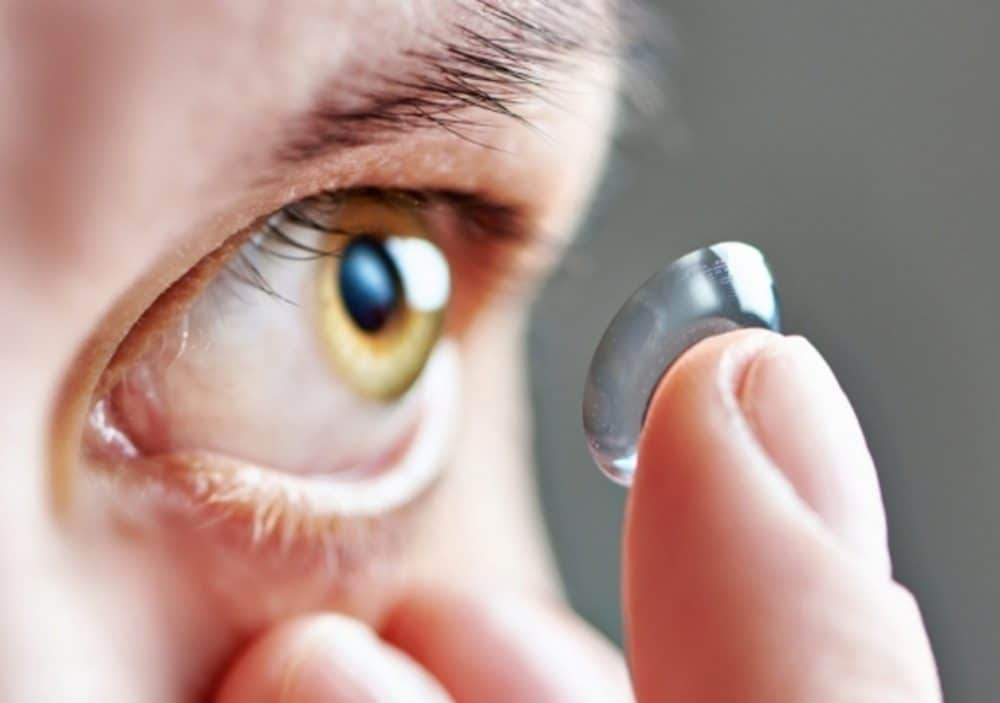
For contact lens wearers, practicing good hygiene is especially important to reduce the risk of transferring bacteria or allergens to your lenses. Always remove your contact lenses before cleaning your eyelids, and wash your hands thoroughly beforehand. Consistency is key—incorporating eyelid cleaning into your daily routine can help keep blepharitis symptoms under control and improve overall eye comfort.
3. Switch to Daily Disposable Lenses
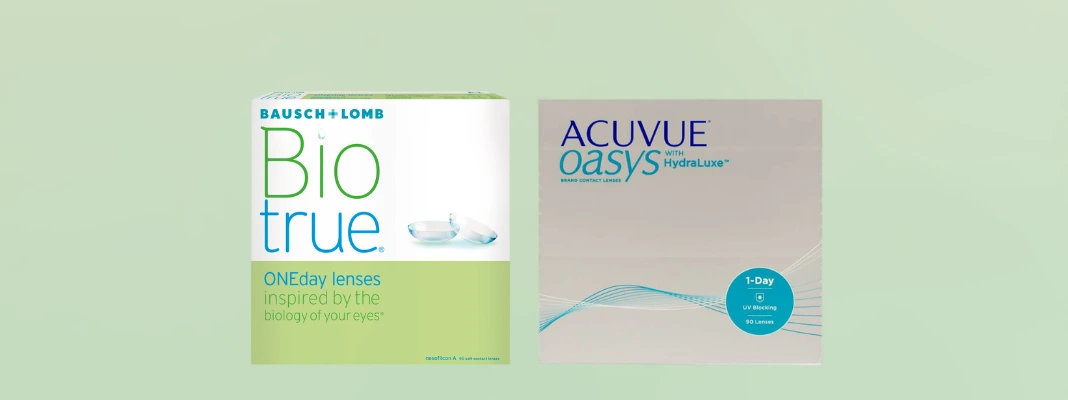
Daily disposables are ideal for managing blepharitis. You wear a fresh pair every day, eliminating the buildup of bacteria, allergens, and debris that can occur with reusable lenses. This reduces the risk of further irritation.
DAILIES TOTAL1® lenses are designed for exceptional comfort and breathability. Their water gradient technology helps keep your eyes hydrated throughout the day, reducing dryness and irritation—common concerns for blepharitis sufferers. A fresh pair every day ensures your lenses stay clean and free from allergens, supporting healthier, more comfortable eyes.
4. Use Preservative-Free Artificial Tears
Lubricating eye drops can soothe dryness and irritation caused by blepharitis. Choose preservative-free options, as they’re gentler on the eyes and safe for contact lens wearers.
5. Remove Makeup Carefully and Avoid Heavy Eye Products
Makeup can worsen blepharitis by clogging oil glands and trapping bacteria or debris along the eyelid margins, leading to further irritation. If you wear eye makeup, it’s important to remove it thoroughly every night using gentle, oil-free makeup removers or pre-moistened eyelid wipes. Avoid waterproof mascara or eyeliner, as these products are harder to clean off and can cause buildup along the lash line, aggravating blepharitis symptoms.
During flare-ups, minimize or skip heavy eye makeup to give your eyelids time to heal. For contact lens wearers, always insert your lenses before applying makeup and remove them before taking makeup off. This helps prevent makeup particles from transferring to your lenses, reducing the risk of irritation or debris buildup. By being mindful of your makeup habits, you can protect your eyelids and ensure a more comfortable experience with your contact lenses.
6. Give Your Eyes a Break
- If symptoms are severe, take a short break from wearing contact lenses. Use glasses for a few days to allow your eyelids time to heal and reduce inflammation.
7. Consult an Eye Doctor
- If home treatments don’t provide relief, consult your eye doctor. Prescription treatments like antibiotic ointments or steroid drops may be necessary to manage more severe cases.
FAQs
Can I wear contact lenses if I have blepharitis?
Yes, but it’s important to manage the condition properly. Switching to daily disposable lenses and maintaining good eyelid hygiene can help you wear contacts more comfortably.
How often should I clean my eyelids if I have blepharitis?
Clean your eyelids at least once or twice a day using warm compresses and gentle wipes. Consistent eyelid hygiene is key to managing blepharitis.
Are daily disposable lenses better for blepharitis?
Absolutely. Daily disposables reduce the buildup of allergens and debris, which can worsen blepharitis symptoms. They’re the best option for maintaining comfort and eye health.
Can blepharitis cause blurry vision?
Yes, blepharitis can sometimes lead to dry eyes or irritation, which may cause temporary blurry vision. Proper treatment and lens hygiene can help minimize this issue.
Managing Blepharitis Effectively
Blepharitis can be a frustrating condition, especially for contact lens wearers, but it doesn’t have to get in the way of your clear vision and comfort. By keeping your eyelids clean, using warm compresses, and switching to daily disposable lenses, you can effectively manage symptoms and continue wearing contacts with ease.
If you’re looking for contact lenses that keep comfort and eye health in mind, explore our wide selection of daily disposable lenses at Lens.com. With proper care, blepharitis won’t stand in the way of your best vision.