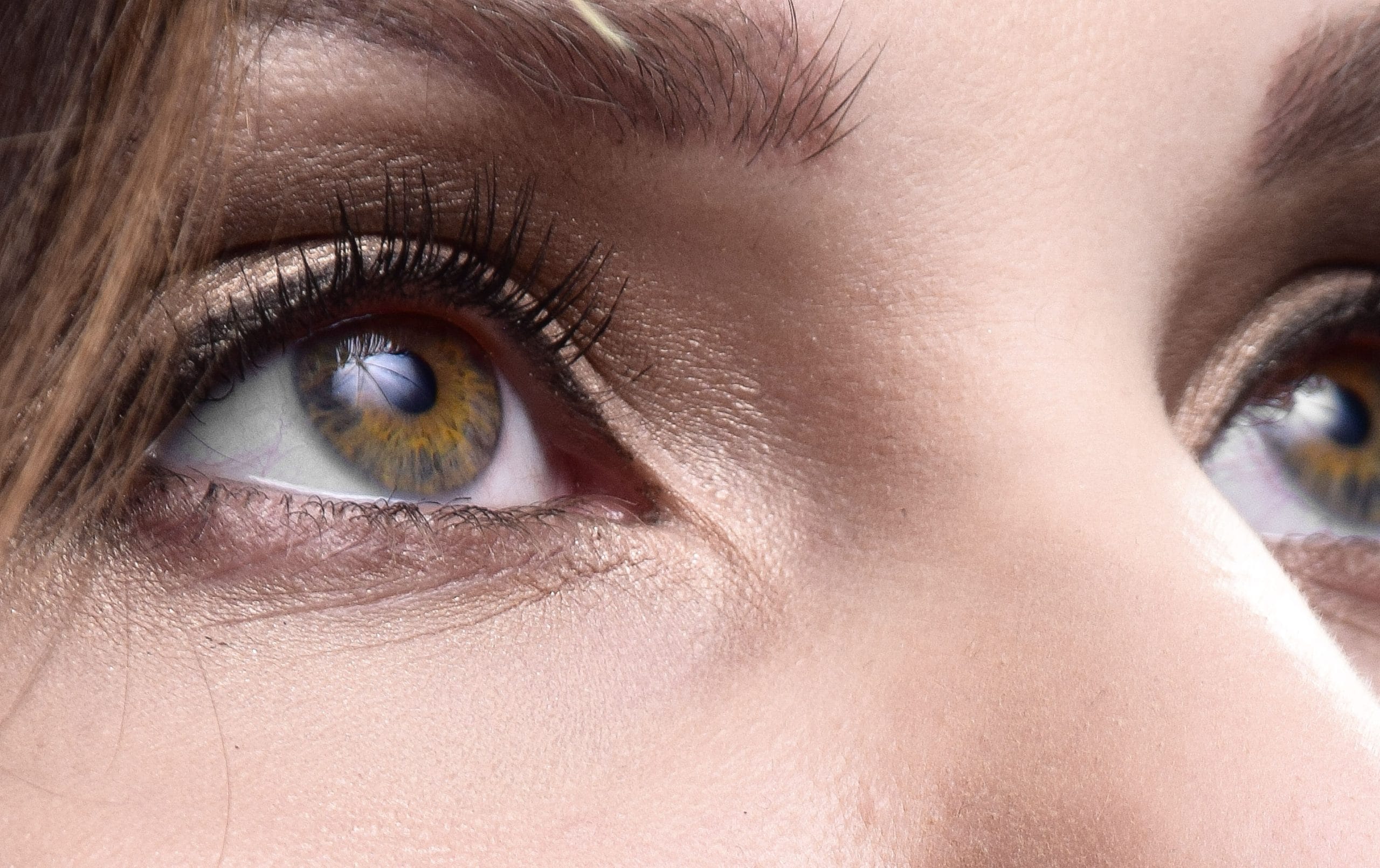
Updated April 1st, 2025 – Imagine trying on a pair of contact lenses that just don’t feel right. They’re uncomfortable, or worse, they don’t even give you clear vision, leaving you wondering why. Well, the issue might not be the lenses themselves, but rather how well they fit the shape of your cornea. This is where keratometry comes in.
Keratometry is a test procedure that measures the curvature of the cornea which is the clear front part of the eye. Since the cornea helps focus light onto the retina, its shape affects how well we see. This is safe to say that any irregularities in corneal curvature can lead to blurry vision, astigmatism, or other eye conditions.
This test provides keratometry readings (K-readings), which are measured in diopters and help determine the appropriate vision correction, whether through contact lenses, eyeglasses, or eye surgery.
Your eye health and vision needs can be detected through keratometry readings. These readings are significant for the following reasons:
A keratometry test is performed as part of a regular eye exam. It is quick and painless and here’s how it works:
1. You’ll be positioned in front of a keratometer, resting your chin to keep your head still.
2. Your cornea is exposed to light, and the keratometer measures the reflection.
3. Your eye doctor records the readings, which indicate the steepness or flatness of your cornea.
Despite just taking a few minutes, a keratometry exam gives vital information for the prescription of eyeglasses or contact lenses.
A normal K reading has a diopter range of 41.00 to 47.00. This means you have a balanced corneal curvature that allows light to focus properly on the retina.
Readings outside this range may suggest steeper or flatter corneas, which could lead to vision conditions such as astigmatism, myopia, or hyperopia. Your eye doctor would suggest additional testing to evaluate the condition of your cornea and your alternatives for vision correction if your K levels are noticeably irregular.
You should see your eye care specialist if you experience abrupt vision changes, persistent eye discomfort, or difficulty with your contact lenses or eyeglasses. If your K Readings fluctuate and you experience symptoms like blurred vision, frequent headaches, or excessive dryness, it could indicate underlying corneal issues that require medical attention.
Shop Better Affordable High Quality Contact Lens at Lens.com
Precise keratometry readings are key to finding comfortable, well-fitting contact lenses. At Lens.com, explore a wide range of FDA-approved lenses that provide sharp vision and lasting comfort all day long.
Have a question? Call us at
1-800 LENS.COM (536-7266)
Online 24/7
© 1995-2021 Lens.com. All Rights Reserved. Lens.com is a contact lens replacement company, and a direct to consumer marketer of contact lenses.
As a contact lens replacement center, we can only sell you contact lenses that you have a valid prescription for, and are wearing successfully.