
The concept of well-being encompasses a number of factors including physical health, mental stability, and social interactions. Traditionally, key areas like cardiovascular health, mental health, and nutrition have dominated discussions about health and wellness. However, one often overlooked aspect is eye health, which plays a crucial role in maintaining and even enhancing our general well-being.
The eyes are not only windows to the world but also to the body’s health. They can reveal insights into systemic conditions like diabetes and hypertension, serving as an early warning system for detecting broader health issues. The importance of eye health extends beyond mere vision. It impacts daily functionalities, influences mental health, and affects social and economic engagements.
The Anatomy of the Eye and Its Functions
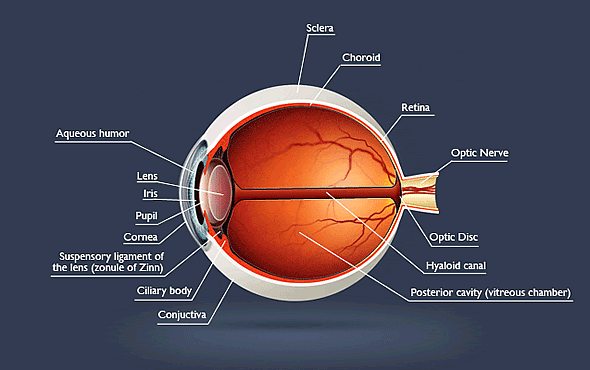
The human eye is a complex organ, allowing for the process of vision. Understanding its anatomy is the first step in appreciating how vision contributes to well-being.
Basic Anatomy of the Eye
- Cornea: The clear, dome-shaped surface that covers the front of the eye. It acts as the eye’s primary lens, bending incoming light to help focus it onto the retina at the back of the eye.
- Iris: The colored part of the eye, which contains a muscle that adjusts the size of the pupil to control the amount of light entering the eye.
- Pupil: The opening in the center of the iris that changes size to allow more or less light into the eye, depending on the environment.
- Lens: Located behind the pupil, the lens further refines the focus of incoming light, ensuring that images fall precisely on the retina.
- Retina: A layer of cells at the back of the eye that senses light and converts it into electrical impulses. The retina contains photoreceptor cells known as rods and cones, which are responsible for night and color vision, respectively.
- Optic Nerve: The nerve that transmits visual information from the retina to the brain.
How the Eye Works
Vision begins when light enters the eye through the cornea, which bends the light to help focus it. The iris adjusts the size of the pupil based on the brightness of the surroundings to control the amount of light that enters. The lens further fine-tunes the light’s focus onto the retina.
Once light reaches the retina, it triggers a chemical and electrical process that transforms optical data into neural signals. These signals are then relayed to the brain via the optic nerve. The brain interprets these signals, producing the images we see.
Connection to the Brain
The connection between the eye and the brain is crucial for interpreting and reacting to visual stimuli. The optic nerve, as part of the central nervous system, is pivotal in this process. It not only carries visual information to the brain but also receives information from the brain about where to focus and what to filter out.
The eye’s connection to the brain is integral to our ability to perceive depth and distance, recognize faces, and navigate through our environment. This complex interaction not only underscores the eye’s role in survival and functionality but also highlights its influence on cognitive and psychological processes.
By examining the eye’s anatomy and its critical functions, it becomes evident that vision is more than just a passive reception of images; it is an active, dynamic process that significantly impacts our interaction with the world. This biological marvel not only helps us navigate our physical world but also enriches our interactions, shapes our perceptions, and fundamentally enhances our quality of life.
Eye Health as an Indicator of General Health
Various systemic diseases manifest symptoms in the eye, which can serve as early indicators for medical conditions that may otherwise go unnoticed until they become more severe. By examining the eyes, healthcare professionals can gain insights into a person’s general health and potentially detect underlying systemic diseases.
Eye Symptoms and Systemic Diseases
- Diabetes: Diabetic retinopathy is a condition that affects the blood vessels of the retina and is the most common cause of vision loss among people with diabetes. The National Eye Institute notes that early detection through regular eye exams can help prevent severe vision loss. The appearance of leaking blood vessels or swelling in the retina during eye exams can prompt doctors to investigate potential diabetes or manage existing diabetes more aggressively.
- Hypertension: Hypertensive retinopathy occurs when high blood pressure causes changes in the retina’s blood vessels, potentially leading to blurred vision or complete loss of sight. Eye care professionals can detect signs of hypertension by observing these changes, thus providing an early alert that can prompt further cardiovascular evaluation.
- High Cholesterol: The buildup of cholesterol can sometimes be observed in the cornea, where it forms a distinctive arc or ring around the edge, known as corneal arcus. This may suggest higher levels of cholesterol that could predispose a person to cardiovascular diseases.
- Autoimmune Disorders: Certain autoimmune disorders like lupus can affect various parts of the eye, including the retina and the blood vessels. Uveitis, an inflammation of the middle layer of the eye, is common in conditions like ankylosing spondylitis and rheumatoid arthritis, and its presence can be a clue to investigating these systemic conditions.
Research and Studies
Several studies underscore the importance of eye examinations in detecting systemic diseases. For instance, research published in the “American Journal of Ophthalmology” found that retinal imaging might reveal signs of microvascular changes indicative of a risk for stroke or heart attack long before other symptoms appear. Another study, featured in the “Journal of Diabetes Science and Technology,” highlighted that changes in the blood vessel caliber in the retina are associated with diabetes and cardiovascular disease, suggesting that these retinal signs could be used to predict these conditions.
Practical Implications
Given these connections, eye health screenings can serve a dual purpose: they not only assess and address ocular conditions but also provide a critical review of overall health. This underscores the need for regular eye examinations as part of routine health maintenance, especially for individuals with risk factors for systemic diseases.
Physical Health Connections
The link between eye health and physical health is multi-faceted, influencing a range of physical capabilities from balance and coordination to overall mobility. Poor vision can have immediate and tangible effects on an individual’s ability to perform daily tasks and can significantly increase the risk of accidents and injuries.
Impact on Balance and Mobility
- Balance: Vision is crucial for maintaining balance. The eyes help orient individuals in their environment by providing key information about the terrain and spatial relationships. A study published in the Journal of Aging and Health found that older adults with visual impairments were significantly more likely to experience balance issues, leading to an increased risk of falls.
- Mobility: Good vision is essential for safe mobility, including walking and driving. Research in the British Journal of Ophthalmology indicates that impaired visual acuity and depth perception are strongly associated with reduced mobility in older adults. This limitation can lead to a decrease in physical activity and a consequent deterioration in overall health.
Risk of Accidents and Injuries
Vision impairments can significantly increase the risk of accidents in both domestic and public settings. For instance, a study from the American Journal of Preventive Medicine reports that individuals with vision impairment are twice as likely to be involved in accidents resulting in injury. This risk is further compounded for those who engage in driving, where clear vision is critical for safety.
UV Exposure and Eye Health
Exposure to ultraviolet (UV) rays can detrimentally affect eye health, leading to conditions such as photokeratitis (sunburn of the eye), cataracts, and macular degeneration. Protective measures like wearing sunglasses that block 99% to 100% of UVA and UVB rays can prevent these conditions, as emphasized in guidelines from the World Health Organization.
Preventive Measures
Preventive measures play a crucial role in mitigating the adverse effects of impaired vision on physical health. Regular eye exams are essential for early detection and treatment of vision problems. Additionally, using appropriate eyewear for activities (e.g., sunglasses for UV protection, corrective lenses while reading or driving) can significantly reduce the risk of vision-related physical health issues.
Cataracts and Macular Degeneration: A Closer Look
- Cataracts: Clouding of the lens which can lead to diminished vision and, if untreated, blindness. Cataract surgery is one of the most effective treatments to restore vision.
- Macular Degeneration: This condition affects the central part of the retina and leads to loss of central vision, which is crucial for activities like reading and recognizing faces. Treatment can slow progression, though currently, there is no cure for most forms of macular degeneration.
Mental Health Implications
The connection between eye health and mental health is a critical area of concern that often goes underappreciated. Visual impairments can lead to profound psychological effects, including increased risks for conditions like depression and anxiety. Understanding these implications is vital for developing comprehensive care that addresses both the physical and emotional well-being of individuals.
Psychological Impact of Visual Impairment
- Isolation and Social Withdrawal: Individuals with vision loss often experience difficulties in navigating social situations, which can lead to feelings of isolation and withdrawal. A study published in the American Journal of Ophthalmology found that older adults with vision impairments reported feeling socially isolated, which is a known risk factor for depression.
- Increased Dependence: Loss of vision can lead to increased dependence on others for daily activities. This dependency can affect one’s sense of autonomy and self-efficacy, potentially leading to feelings of helplessness and a reduced quality of life.
- Fear and Anxiety: The uncertainty and limitations that come with vision impairment can also lead to increased levels of anxiety. Concerns about worsening vision and the potential loss of independence can cause significant stress and anxiety.
Link Between Vision Loss and Depression
Research consistently shows a strong link between vision loss and depression. A meta-analysis in the British Journal of Ophthalmology highlighted that individuals with low vision are at a higher risk of developing depression, compared to those with normal vision. The loss of visual function impairs the ability to engage in various activities, diminishing life satisfaction and increasing the risk of depression.
Cognitive Decline
There is also evidence suggesting that vision impairment might be associated with an increased risk of cognitive decline and dementia. Visual information is crucial for cognitive processing; when vision is impaired, it may exacerbate cognitive load and contribute to cognitive decline. A longitudinal study in the Neurology journal reported that older adults with vision impairment were more likely to develop cognitive dysfunction than their peers with normal vision.
Interventions and Support
Recognizing the mental health implications of eye health is crucial for treatment and support. Interventions can include:
- Counseling and Psychological Support: Providing access to mental health professionals who can offer counseling and therapy to help individuals cope with the emotional consequences of vision impairment.
- Social Support Groups: Facilitating support groups where individuals with similar challenges can share experiences, offer support, and reduce feelings of isolation.
- Rehabilitation Services: Offering vision rehabilitation services that help individuals adapt to vision loss, improve functional abilities, and maintain independence.
- Regular Screening: Incorporating mental health screenings during regular eye health check-ups to detect signs of depression or anxiety early in individuals with vision impairment.
Does Diet Play a Role in Your Lifestyle in Maintaining Eye Health?
The health of our eyes is significantly influenced by our dietary choices and lifestyle behaviors. Nutritious food, sufficient physical activity, and avoidance of harmful habits can all play crucial roles in maintaining optimal eye health and preventing common eye diseases.
Diet and Nutritional Impact on Eye Health
- Essential Nutrients:
- Vitamins A, C, and E: These antioxidants help ward off oxidative stress that can harm the retina and other parts of the eye. Foods rich in these vitamins, such as carrots, citrus fruits, and leafy greens, are vital for eye health.
- Omega-3 Fatty Acids: Found in fish like salmon and sardines, omega-3 fatty acids are important for maintaining the eye’s cell membrane health and may help prevent dry eyes.
- Zinc: This mineral, prevalent in beef, pumpkin seeds, and lentils, plays a critical role in bringing vitamin A from the liver to the retina, aiding in melanin production, which protects the eyes from UV rays.
- Lutein and Zeaxanthin: These carotenoids, found in eggs, maize, and green vegetables like spinach and kale, are concentrated in the retina and absorb up to 90% of blue light intensity, acting as natural eye protectants.
- Studies on Dietary Effects:
- Research published in the Journal of the American Medical Association has shown that a diet rich in the aforementioned nutrients significantly lowers the risk of developing age-related macular degeneration and other retinal issues.
- A study in the British Journal of Ophthalmology highlighted that individuals consuming diets high in fatty acids and low in glycemic index are less likely to develop cataracts.

Lifestyle Factors Affecting Eye Health
- Smoking: Smoking is a major risk factor for several eye diseases, including cataracts and age-related macular degeneration. The harmful toxins in smoke can damage the sensitive tissues of the eyes and disrupt the antioxidant balance needed for proper eye function.
- Physical Activity: Regular exercise can help prevent conditions like high blood pressure and diabetes, which can adversely affect eye health. A study from the American Academy of Ophthalmology indicated that moderate physical exercise reduces the risk of glaucoma and other eye conditions.
- Screen Time: Excessive exposure to screens can lead to digital eye strain, characterized by dry eyes, irritation, and difficulty focusing. Practicing the 20-20-20 rule (every 20 minutes, look at something 20 feet away for at least 20 seconds) can help mitigate these effects.
Preventive Strategies
Implementing specific lifestyle changes can greatly enhance eye health:
- Dietary Adjustments: Incorporating a balanced diet rich in eye-friendly nutrients.
- Smoking Cessation: Quitting smoking to reduce the risk of eye diseases.
- Regular Exercise: Engaging in physical activity to improve overall and ocular health.
- Eye Protection: Wearing sunglasses and protective eyewear when exposed to excessive sunlight or hazardous activities.
Eye Health and Cardiovascular Health
The eye is the only place in the body where blood vessels can be directly observed without invasive procedures. This unique feature allows eye care professionals to detect early signs of cardiovascular issues by examining the blood vessels in the retina.
A. Retinal blood vessels and their link to heart disease
- Study: Retinal blood vessel abnormalities associated with a 70% increased risk of heart attack (Hypertension, 2019) The retina, the light-sensitive tissue at the back of the eye, is supplied by a network of tiny blood vessels. Changes in these blood vessels, such as narrowing, thickening, or ballooning, can indicate underlying cardiovascular problems. A study published in the journal Hypertension in 2019 found that individuals with retinal blood vessel abnormalities had a 70% increased risk of experiencing a heart attack compared to those with healthy retinal blood vessels.
These abnormalities can manifest as:
- Arteriolar narrowing: A decrease in the width of small arteries, which may indicate high blood pressure or atherosclerosis.
- Venular widening: An increase in the width of small veins, which may be a sign of inflammation or oxidative stress.
- Arteriovenous nicking: A condition where the arteries compress the veins, causing them to appear nicked or pinched, which may indicate hypertension or hardening of the arteries.
By detecting these changes during a comprehensive eye exam, eye care professionals can help identify individuals at higher risk of cardiovascular events, allowing for early intervention and preventive measures.
B. Diabetic retinopathy and its connection to cardiovascular complications
- Study: Diabetic retinopathy linked to a 2-fold increased risk of heart failure (Diabetes Care, 2018) Diabetic retinopathy is a complication of diabetes that affects the blood vessels in the retina. It occurs when high blood sugar levels damage the tiny blood vessels, causing them to leak, swell, or become blocked. A study published in the journal Diabetes Care in 2018 revealed that individuals with diabetic retinopathy had a 2-fold increased risk of developing heart failure compared to those without this eye condition.
The presence and severity of diabetic retinopathy can provide valuable information about an individual’s overall cardiovascular health. The damage to the retinal blood vessels is believed to mirror the damage occurring in other blood vessels throughout the body, including those in the heart and kidneys. This connection highlights the importance of regular eye exams for individuals with diabetes, as early detection and management of diabetic retinopathy can not only preserve vision but also reduce the risk of life-threatening cardiovascular complications.
How Contact Lenses Play a Role in Terms of Overall Well-Being
The choice of contact lenses does play a crucial role in this discussion. Different materials and types of lenses impact the eyes differently. For example, silicone hydrogel lenses, which allow more oxygen to reach the cornea, can help reduce the risk of hypoxia-related complications. On the other hand, daily disposable lenses minimize the risk of infections by eliminating the need for cleaning and reducing lens handling. Also, lenses designed to retain more moisture are beneficial for those suffering from dry eyes, enhancing comfort and reducing irritation.
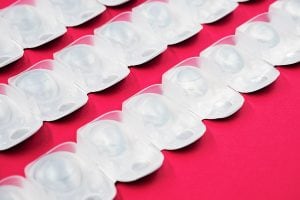
The choice of brand and lens type also has a significant impact on lifestyle and overall physical health. High-quality brands that invest in advanced technologies tend to offer safer and more comfortable products, enhancing life quality by reducing eye strain and headaches. Furthermore, some contacts provide UV protection, which is vital for preventing sun-related eye damage. Regular eye exams ensure that contact lenses are correctly prescribed and fit well, which is essential for both optimal vision and overall eye health. So it becomes clear that selecting the right contact lenses is not only about vision correction but also about fostering better overall health. The discussion ties back to the broader theme of well-being by emphasizing the importance of informed choices in eye care products and practices.
Similar Articles
-

Contact Lens Routine: Top Tips for Saving Money Online
-

Where to Buy Contact Lenses in NYC? Online and In-Store (2026)
-

How Much Do Dailies Contacts Cost? Despite Inflation, Not What You Think
-

Do You Have 20/40 Vision? Here’s What That Really Means
-

Biofinity Toric vs. Biomedics Toric: Which Lens is Best for Astigmatism?