
Table of Contents
If your eyes get itchy, watery, or foggy every spring, your contact lenses may be part of the problem. During allergy season, pollen and other irritants can stick to your lenses, sit on the surface of your eyes, and make dryness and discomfort feel worse as the day goes on.
Finding the best contact lens isn’t just about vision correction. It is about staying comfortable from morning to night. The right lens type can help reduce buildup, improve moisture, and make busy spring days much easier on your eyes.
Why Pollen Season Can Make Contacts Feel Worse
Seasonal allergies trigger inflammation on the eye’s surface, also known as allergic conjunctivitis. When your eyes react, they can produce more tears and mucus, your lids may swell, and your tear film can become less stable. The best rated contact lenses can support comfort, especially when paired with good lens hygiene, regular replacement, and allergy-season care to help reduce pollen, dryness, or buildup on the lens surface. You may notice:
- Itchy eyes contacts that feel scratchy or “gritty”
- Watery eyes contacts that blur on and off
- Burning, redness, lid puffiness
- Lens “awareness” or discomfort that builds through the day
- Stringy mucus or more frequent need to blink
Dryness can make these allergy symptoms even more noticeable. Your eye care professional can help determine whether the best contacts for dry eyes for your prescription may also support better comfort during allergy season. You may still need to remove your lenses when symptoms flare, especially when your eyes become very red or irritated.
Wearing contacts with seasonal allergies and wondering if it is still doable? Read can I wear contact lenses if I have allergies for practical comfort tips and safer habits.
Can You Still Wear Contacts With Seasonal Allergies?
Often, yes, but the “best” choice is usually the option that reduces buildup and keeps your routine simple. For many wearers, that means leaning toward daily disposable contacts during peak season. The American Optometric Association (AOA) notes that contact lenses can be uncomfortable during eye allergies and suggests talking to your eye doctor about options like daily disposables.
The best daily contacts for dry eyes can also be helpful to compare when allergies and dryness overlap, since moisture-focused daily lenses may support better comfort throughout the day. If you have significant redness, pain, light sensitivity, or very watery eyes, remove your lenses and contact your eye doctor. The American Academy of Ophthalmology (AAO) lists these as reasons to take lenses out and get guidance.
Why Allergies and Contact Lenses Do Not Always Mix
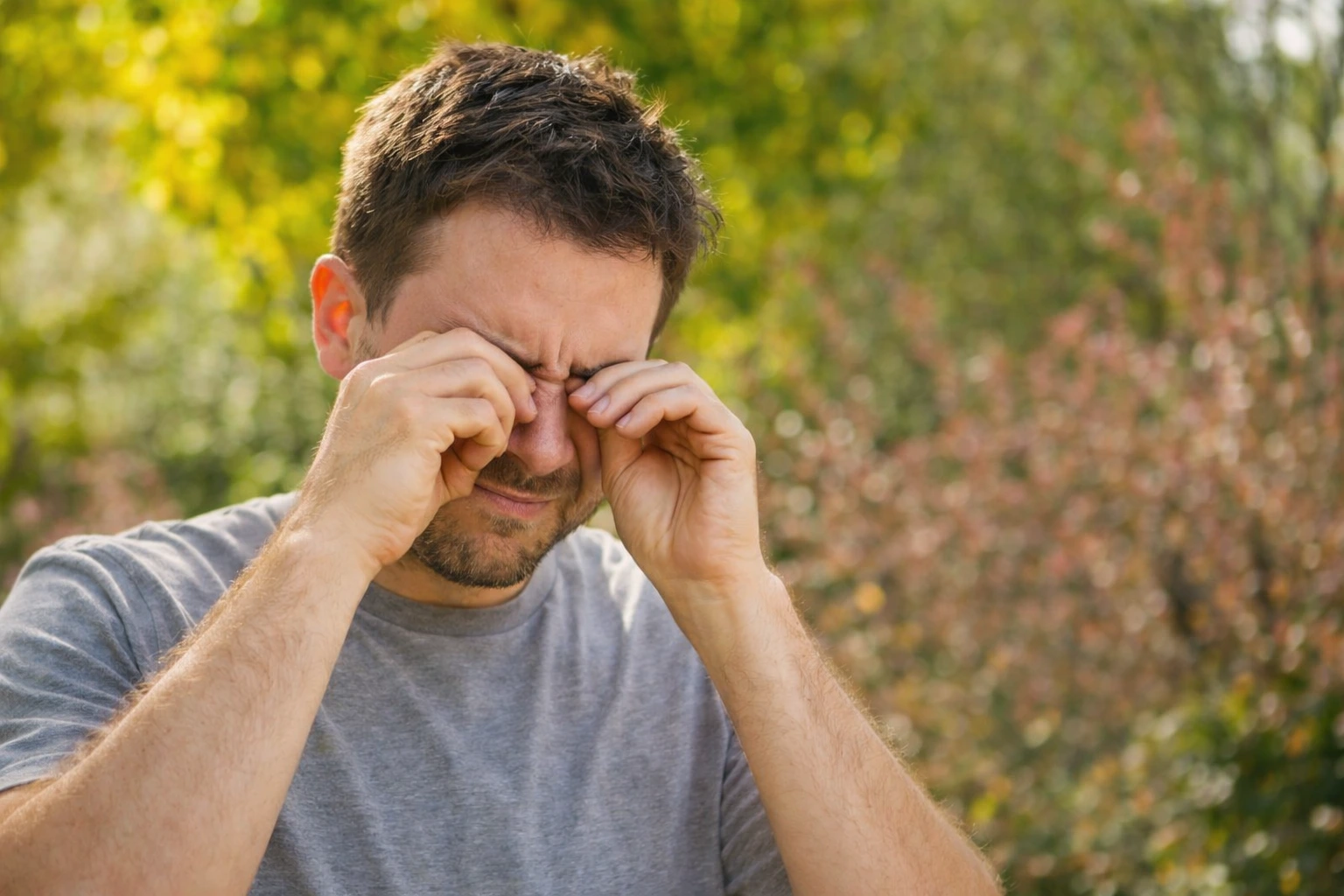
Spring allergies can irritate the eye surface and make contact lenses more likely to feel itchy, dry, or foggy as pollen and deposits build up.
What Causes Eye Allergies in Spring
Spring eye allergies are usually triggered by airborne allergens like tree, grass, and weed pollen. When these particles land on the eye, your immune system can release histamine and other inflammatory chemicals that lead to itching, redness, watering, and swelling. For contact lens wearers, that inflammation can make lenses feel less comfortable because the eye surface is already irritated.
How Pollen Sticks to Contact Lenses
Contact lenses sit in the tear film, so the lens surface can pick up pollen and other particles floating in your environment. Over time, tear proteins and deposits can bind to the lens surface and create a film that allows irritants to cling longer. This is why pollen season contacts can feel fine early in the day but progressively worse as allergens and deposits accumulate.
Do your lenses start clear, then turn hazy or filmy by midday? Check why are my contact lenses foggy to see the most common causes and quick fixes.
Why Contacts Can Feel Dry, Itchy, or Foggy
Allergies can disrupt the tear film, causing watery eyes while still leaving the surface less stable and more prone to dryness. As the lens surface collects deposits and debris, blinking may feel less smooth, which can increase irritation and make vision fluctuate or look foggy. In many cases, the best fix is reducing buildup with daily disposable contacts and supporting comfort with contact-safe lubricating drops and sensible wear time.
How To Tell The Difference Between Allergies and Dry Eye
Allergies and dry eyes can overlap, and both can make contact lens comfort worse. A practical way to differentiate:
More likely allergies:
- Itching is the dominant symptom
- Seasonal pattern or triggers (outdoors, windy days, mowing lawns)
- Watery tearing, redness, lid swelling
More likely dry eye:
- Burning, stinging, “tired eyes”
- Worse with screens, air conditioning, heating
- Fluctuating blur that improves after blinking or using lubricating drops
You can also have both at the same time, which is common during allergy season contacts wear.
Not sure if your burning and blur are allergies, dry eye, or both? Using eye drops can worsen dry eye symptoms to avoid drop mistakes that can make discomfort worse.
What to Look for In The Best Contacts for Allergies
When you are shopping for best contacts for allergies in spring, the goal is simple: reduce what sticks to the lens, keep the surface comfortable, and make sure the lens stays stable on your eye.
A Quick Buyer Checklist for Allergy Season
Look for contact lenses that match as many of these as possible:
- Daily replacement (fresh lens every day)
- A comfortable surface that stays wettable (helps with “scratchy” or foggy moments)
- A material that supports all-day wear for you (often silicone hydrogel contacts for allergies, but not always)
- A fit that feels stable (no sliding, no frequent blur)
- A version that matches your prescription (toric for astigmatism, multifocal for presbyopia)
Why Are Daily Disposable Contacts The Top Choice for Allergies
For most people dealing with spring allergies, contact discomfort, daily disposables are the most reliable upgrade because they limit buildup.
- Less allergen and deposit accumulation: You are not wearing the same lens for days or weeks while proteins and debris collect on the surface. The American Optometric Association (AOA) notes that daily disposables can help reduce allergen buildup.
- Sterile, preservative-free packaging: The American Academy of Ophthalmology has highlighted daily disposables as a good option for patients prone to allergies because they come in sterile packs and avoid repeated solution exposure.
- Easier “reset” on bad days: When symptoms spike, a fresh lens tomorrow is often easier than trying to rescue today’s comfort.
If you are searching for contacts for hay fever or contacts for itchy watery eyes allergies, daily disposables are usually the first place to start, assuming your prescription is available.
Thinking about switching to dailies just for peak pollen weeks? Learn why you should consider switching to daily disposable contacts to see when the change is worth it.
When Monthly Lenses Can Still Work In AllergySeason
Monthly lenses can still be workable during allergy season contacts wear, but they tend to be less forgiving on high-pollen days.
Monthlies may still work well if:
- Your allergy symptoms are mild or occasional.
- You clean, rub, rinse, and disinfect your lenses consistently.
- You take regular glasses breaks during peak pollen weeks.
Why monthlies can feel worse in spring:
- Allergens and deposits can build up on the lens surface over time.
- A lens film can trap irritants and make itching and fogginess more likely.
- Inconsistent cleaning or old solutions can reduce disinfection and increase irritation.
Wearing monthlies during spring and worried your routine is not strict enough? Follow cleaning techniques for long-lasting contact lens hygiene to keep buildup and irritation under control.
Practical Rule: if your lenses feel fine most of the year but miserable in spring, a seasonal switch to daily disposable contacts for allergies often makes more sense than changing everything else.
Lens Material for Allergy Season: Silicone Hydrogel Vs Hydrogel
Material matters, but not in the “one material is perfect for everyone” way.
Silicone hydrogel
Silicone hydrogel lenses typically deliver more oxygen to the cornea than traditional hydrogel, which is why many wearers consider them a more “breathable” option during allergy season. That added oxygen flow can support healthier, more comfortable wear for some people, especially when eyes feel dry or irritated. They are a common pick for shoppers looking for breathable contacts for allergies, but the best choice still depends on how the lens surface feels on your eyes.
Hydrogel
Hydrogel lenses often have higher water content, and many wearers like the soft, comfortable feel right from the moment they put them in. They can still work very well in allergy season, particularly in daily disposable contacts where you start fresh each day and reduce buildup. If you prefer a softer initial feel, hydrogel dailies can be a strong option as long as your eyes stay comfortable throughout the day.
What It Matters: how the lens surface behaves on your eye when your tear film is irritated. In spring, a lens that stays wettable and stable can beat a “better on paper” material that dries out on you by lunch.
What Matters For Comfort: Moisture and Surface Technology
During pollen season contacts wear, comfort often comes down to the lens surface. A stable, wettable surface helps reduce friction with each blink, which can make lenses feel less scratchy and less “noticeable.”
Examples of surface approaches you will see in allergy-friendly daily lenses:
- Water gradient or water-surface designs that increase water content at the lens surface for a “cushion” feel (example: DAILIES TOTAL1 approaches very high water content at the surface).
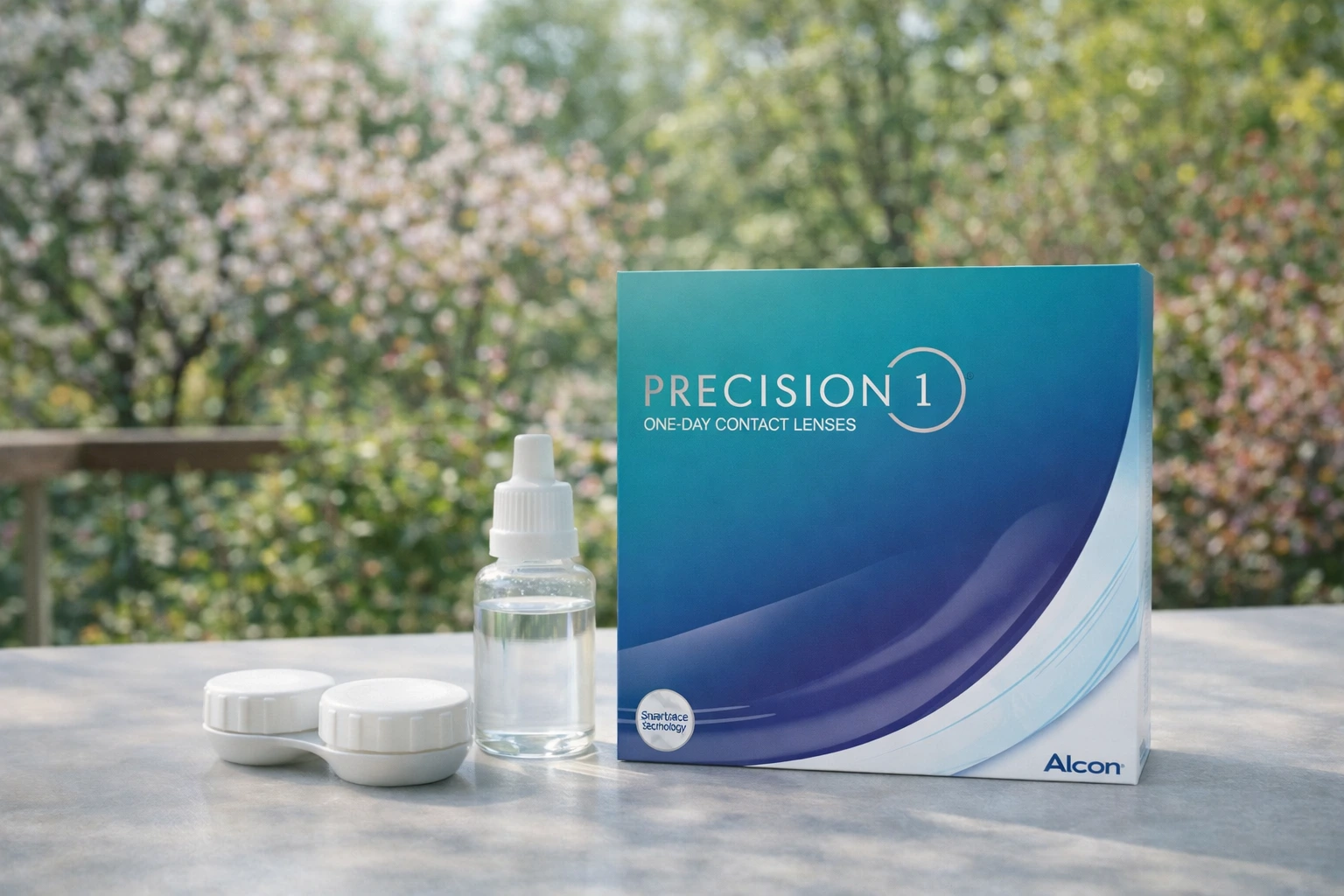
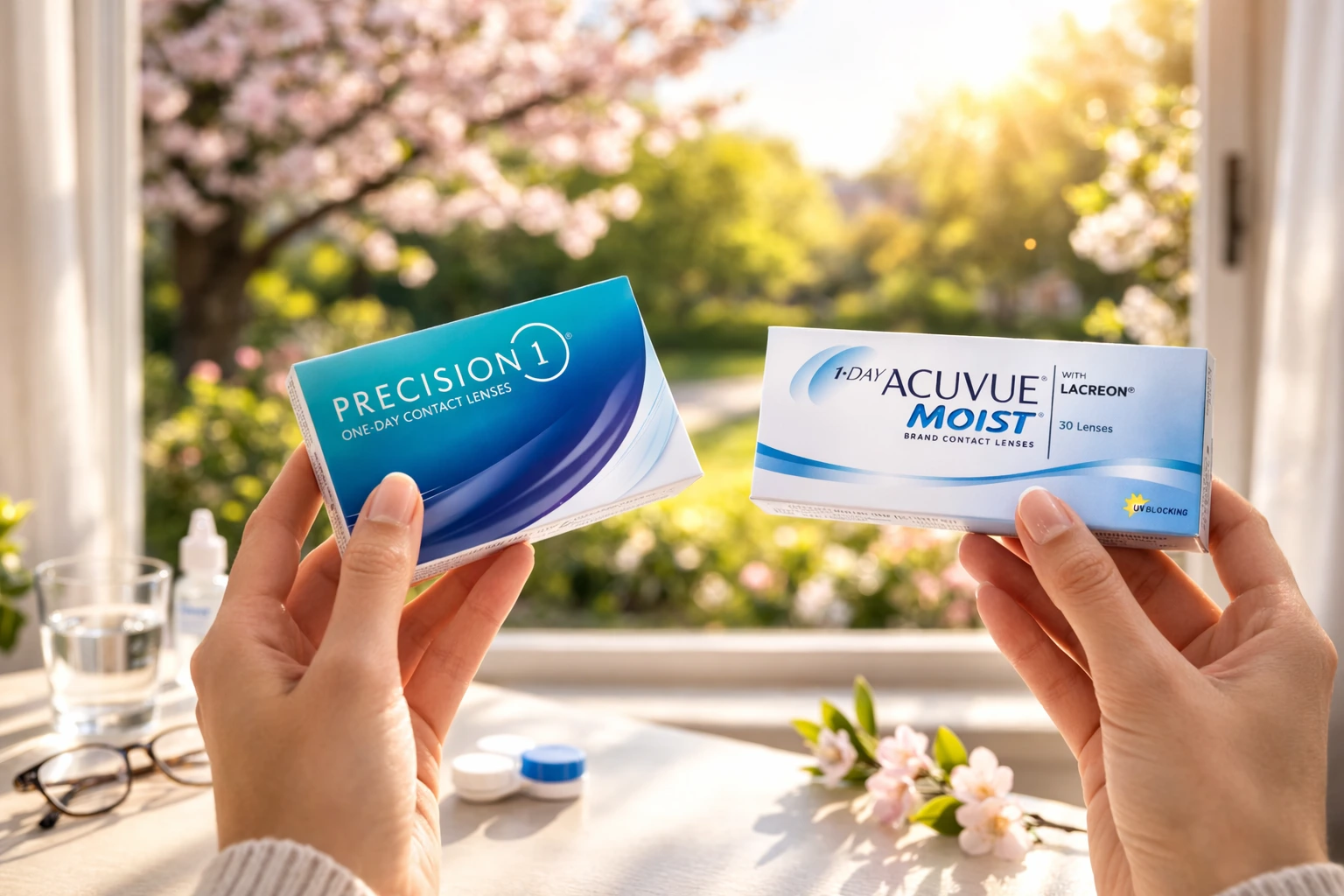
- Permanent micro-thin moisture layers designed to keep moisture where it matters, on the outside of the lens (example: PRECISION1 SMARTSURFACE).
- Tear-inspired designs aimed at supporting a smoother blink and more stable tear film (example: ACUVUE OASYS 1-Day with HydraLuxe).
- Embedded wetting agents designed to hold moisture in the lens (example: 1-DAY ACUVUE MOIST with LACREON).
If your main complaint is “my lenses start fine then get uncomfortable,” prioritize surface comfort and daily replacement. That combination is often the fastest path to better contact lens comfort in spring.
5 Best Contacts for Spring Allergies
These five are the best daily contact lenses available on Lens.com and are strong candidates for best contacts for pollen season because they start clean each day and prioritize surface comfort.
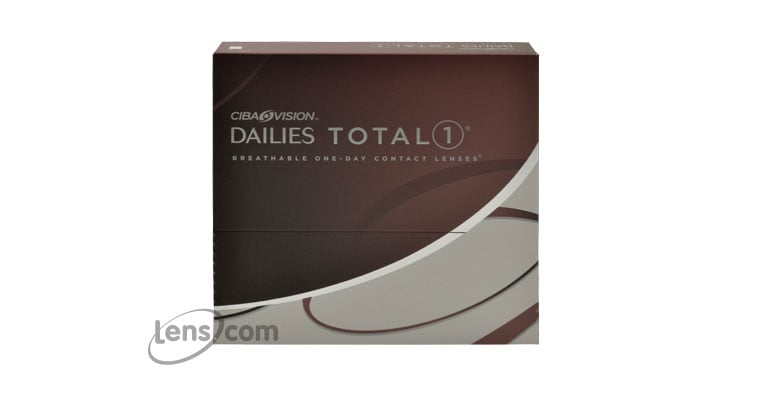
If your spring problem is “my eyes feel dry and my lenses feel like they are rubbing,” DAILIES TOTAL1 is often a top-tier option to consider.
Why It Helps
- Daily replacement supports a cleaner start each morning, which matters for contacts that don’t collect pollen over time
- Water gradient technology increases water content toward the lens surface for a cushion-like feel that many wearers notice during blinking
Material and Comfort Notes
- Delefilcon A water gradient silicone hydrogel material is widely associated with a very wettable surface experience.
Best For
- dry eyes contacts wearers in spring
- People who want maximum “I forgot I’m wearing them” comfort on high-pollen days
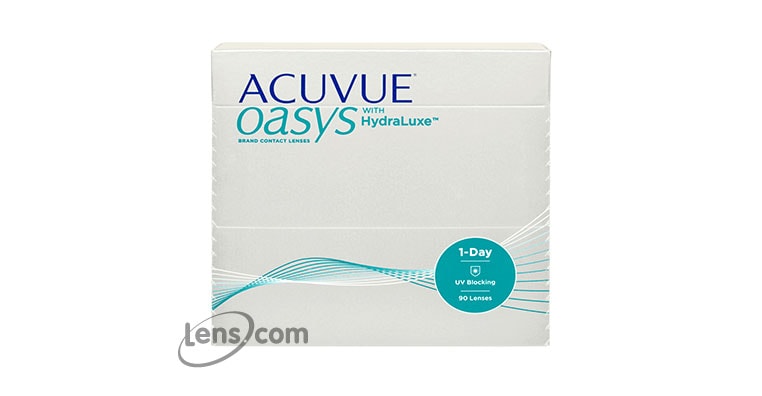
ACUVUE Oasys 1-Day with HydraLuxe is a strong pick for people whose allergy season discomfort is tied to long workdays, air conditioning, and heavy screen time.
Why It Helps
- Daily replacement reduces the time allergens and deposits can build up
- HydraLuxe is designed to mimic the natural properties of tears, which can support smoother blinking and more consistent comfort.
Material And Comfort Notes
- Senofilcon A silicone hydrogel material.
Best For
- People who want reliable all-day comfort during allergy season contacts wear
- Wearers who notice dryness worse on digital or office-heavy days
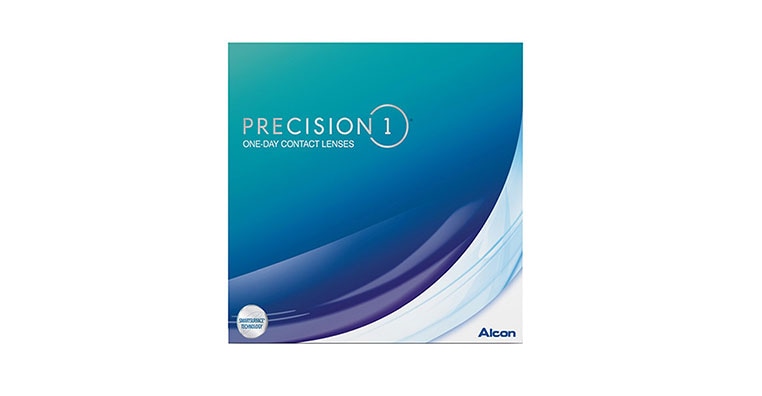
PRECISION1 is a practical choice when you want an easy daily lens that stays comfortable as the day goes on.
Why It Helps
- Daily replacement keeps allergens from accumulating for weeks at a time
- SMARTSURFACE is designed to support lens-surface moisture stability, which can help when your tear film is less stable during spring allergies.
Material and Comfort Notes
- Verofilcon A silicone hydrogel core with a micro-thin moisture layer designed to keep the surface wettable.
Best For
- People looking for a balanced mix of comfort, handling, and clear daily wear
- Anyone who wants daily contacts that feel predictable through pollen season
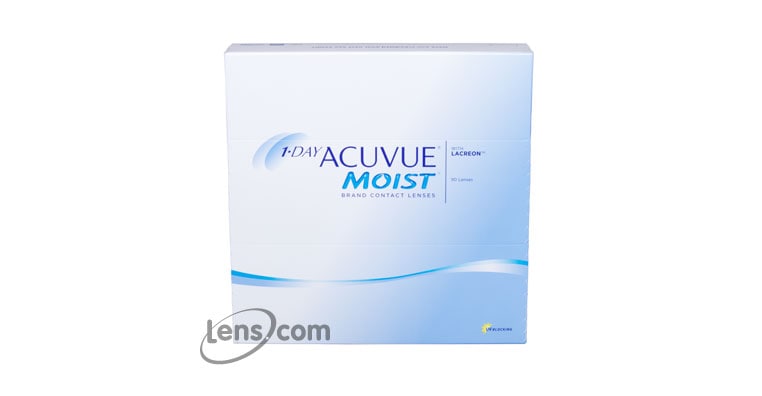
If you like the feel of a classic hydrogel daily lens, 1-DAY ACUVUE MOIST is a well-known option, especially for wearers who prioritize initial softness.
Why It Helps
- Daily replacement reduces buildup that can worsen symptoms
- LACREON embeds a wetting agent in the lens to create a lasting cushion of moisture.
Material and Comfort Notes
- Hydrogel lens family (etafilcon A is commonly associated with a soft, moist feel). Lens material details and comfort claims are described in ACUVUE professional resources.
Best For
- contacts for sensitive eyes wearers who want a familiar soft daily lens feel
- People who want a daily disposable option that focuses on moisture
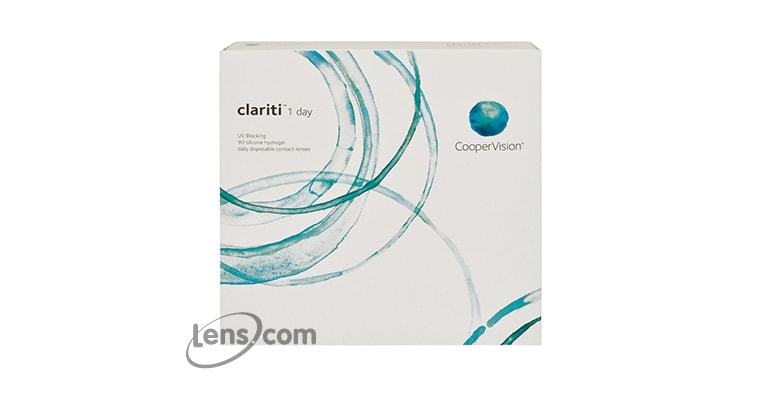
Clariti 1-Day is often considered a strong value choice in daily silicone hydrogel lenses, which is useful if you want to stay in dailies through the whole season.
Why It Helps
- Daily replacement helps reduce deposit buildup
- Silicone hydrogel material supports higher oxygen transmissibility than many traditional hydrogel dailies, which can support healthier daily wear for some people.
Material and Comfort Notes
- Somofilcon A silicone hydrogel, 56% water content is listed in CooperVision specifications.
Best For
- People looking for breathable contacts for allergies with daily convenience
- Anyone balancing comfort and budget for a full spring supply
Daily Vs Monthly Contacts for Spring Allergies
Which Is Better For Pollen Season Comfort
For most people searching best contacts for spring allergies, daily disposables tend to be the more comfortable and simpler option because they reduce allergen and deposit buildup on the lens over time. The AOA specifically notes that daily disposables can decrease allergen buildup.
That does not mean monthlies cannot work. It means monthlies require stricter hygiene and more “backup glasses” days to stay comfortable through peak pollen weeks.
The Clear Winner On High Pollen Days
On days when pollen counts are high and your eyes feel reactive, daily disposable contacts for allergies are usually the clear winner.
Why:
- Fresh lens each day reduces cumulative buildup
- No storage case exposure
- No risk of “topping off” old solution
- Easier to pause contact wear if your eyes flare
AAO guidance in its Preferred Practice Pattern (PPP) content indicates daily disposables are associated with the lowest rate of complications compared with planned replacement lenses.
The Hygiene Checklist If You Wear Monthlies
If you choose monthlies (or two-week lenses) during pollen season contacts wear, this checklist matters because poor hygiene can worsen irritation and raise infection risk.
CDC contact lens hygiene essentials:
- Wash and dry hands before handling lenses.
- Rub and rinse lenses with disinfecting solution each time you remove them.
- Use only fresh solutions in the case and never “top off” old solutions.
- Keep water away from lenses and cases, including showering and swimming.
- Clean the case with solution by rubbing and rinsing, then empty and air-dry it with caps off and face down.
- Replace the case at least every three months.
- Replace lenses on schedule, even if they “still feel okay.”
If your allergies are moderate to severe, ask your eye doctor whether a seasonal switch to daily contacts would be safer and more comfortable.
Ever rinsed your lenses with water or worn them in the shower without thinking twice? See if you can put contacts in water so you understand the risk and what to do instead.
Common Mistakes That Make Allergy Symptoms Worse
These are the patterns that often turn mild spring irritation into full-on “I cannot tolerate my lenses” days:
- Wearing lenses when your eyes are already red, burning, or very watery (take them out and reset)
- Rubbing your eyes while wearing contacts (increases irritation and can shift the lens)
- Stretching wear time or replacement schedules, especially with monthlies
- “Topping off” solution instead of using fresh disinfecting solution
- Letting the case stay wet and closed after use instead of air-drying it properly
- Using water around lenses or wearing lenses in water activities
- Ignoring on-and-off blur that could be a fit issue (especially for astigmatism)
Wondering if wearing your lenses too long is what is triggering the flare-ups? Review overwearing contact lenses risks, symptoms, and safe habits to spot the warning signs early.
How To Reduce Pollen Buildup in Reusable Contacts
Reusable lenses can still work during allergy season contacts wear, but they demand stricter care because pollen, tear proteins, and debris can build up over time. If your spring symptoms are moderate to severe, many eye doctors will suggest switching to daily disposable contacts for allergies at least for peak weeks, since a fresh lens each day can reduce allergen buildup.
Best Contact Lens Solution For Allergies
There is no single “best” solution for everyone, but the right solution for allergies should do two things well: disinfect properly and help you remove deposits that can worsen itching and foggy vision.
What To Look For:
- Disinfecting power, not just “rinsing.” Saline and rewetting drops do not disinfect lenses.
- Compatibility with your lens type and your eye doctor’s recommendation (some lenses pair better with certain systems).
- A deposit-removal routine you will actually follow, every single time.
Confused about when saline helps and when it cannot replace disinfecting solution? Read saline solution vs contact solution and the real difference for your eyes before you change products.
Two Common Solution Paths
- Multipurpose solution (MPS)
Multipurpose solution is a convenient all-in-one option for cleaning, rinsing, disinfecting, and storing reusable lenses. It works well when you follow the full routine every time, including rubbing and rinsing as directed and using fresh solution for each soak. The biggest risk is shortcuts like “topping off” old solution, which weakens disinfection and can increase irritation during allergy season. - Hydrogen peroxide systems
Hydrogen peroxide systems are often chosen by people who feel sensitive to preservatives found in some multipurpose solutions. They can provide strong disinfection, but they must be fully neutralized before the lenses touch your eyes. Never rinse lenses with unneutralized peroxide or put peroxide directly in your eye, since it can cause significant burning and injury.
Avoid These Common “Solution” Misunderstandings:
- “No-rub” still often benefits from rubbing and rinsing, and public health guidance emphasizes rub and rinse for better cleaning.
- “I will just use saline.” Saline is not a disinfectant.
Cleaning Routine For Allergy Eyes
If you want fewer “how to stop contacts from feeling itchy” days, your cleaning steps have to be consistent. The Centers for Disease Control and Prevention (CDC) emphasizes rubbing and rinsing lenses and storing them in fresh solutions each time.
Non-Negotiable Routine
- Wash and dry your hands before touching lenses.
- Remove one lens, place it in your palm, add disinfecting solution.
- Rub the lens gently (follow your solution’s directions), then rinse with fresh solution.
- Fill the case with a fresh disinfecting solution (never mix old and new).
- Soak for the full time on the label so disinfection can work properly.
- Repeat for the second lens.
Hard Rules
- Never use tap water on lenses or case.
- Never “top off” solution.
- If your eyes are red, painful, light-sensitive, or your vision is worse, remove lenses and contact your eye doctor.
Allergy Season Routine for Contact Lens Wearers
A consistent routine helps you control the two main triggers of spring discomfort: allergens on the eye surface and a dry, unstable tear film. Here is a practical schedule you can actually follow.
Morning Routine
Start your day by setting your eyes up for comfort before pollen and dryness build up.
- Wash and dry your hands before touching your lenses. Insert a fresh pair if you wear daily disposable contacts to reduce buildup during allergy season contacts.
- If you use allergy eye drops, apply them before inserting lenses and follow the label wait time. Pack backup glasses and contact-safe rewetting drops so you can switch quickly if symptoms flare.
- Do a quick symptom check in the mirror for redness, swelling, or heavy tearing. If your eyes already feel irritated, wear glasses first and try contacts later when symptoms settle.
Midday Fixes
Midday comfort is about flushing irritants and preventing itching from turning into full-on irritation.
- Do not rub your eyes even if they itch. Use contact-safe lubricating drops to rinse away irritants and improve contact lens comfort.
- If your vision is foggy or your lenses feel gritty, step indoors and blink slowly for a minute. If it does not improve, remove your lenses and switch to glasses for the rest of the day.
- Reapply lubricating drops before your eyes feel dry rather than waiting until discomfort is strong. If you need medicated allergy drops, remove your lenses and follow the product wait time before reinserting.
After Work Routine
End-of-day cleanup helps remove pollen and gives your eyes a break after hours of lens wear.
- Take your contacts out as soon as you are home, especially if you spent time outdoors. This reduces the time pollen stays in contact with your eyes.
- If you wear reusable lenses, clean them right away using your full rub-and-rinse routine and store them in fresh disinfecting solution. Avoid shortcuts like topping off old solution because it reduces cleaning effectiveness.
- Rinse your face and eyelids, and consider showering if you were outside a lot. Use preservative-free lubricating drops if your eyes feel dry or gritty after lens removal.
Outdoor Tips
When you are outside, the goal is to block pollen and wind so your lenses stay comfortable longer.
- Wear sunglasses to reduce wind exposure and limit pollen landing on the eye surface. If you will be outdoors all day, consider daily contacts so you can start fresh tomorrow.
- Keep your car windows closed on high pollen days and use air conditioning when possible. Change clothes and rinse your face after long outdoor time to avoid bringing pollen indoors.
- Plan “glasses breaks” for outdoor-heavy activities like sports, gardening, or long walks. This simple swap often prevents itchy eyes contacts from becoming a full flare-up.
If your lenses feel painful, your vision worsens, or redness ramps up, remove your lenses and switch to glasses. CDC also advises removing lenses and contacting your provider if you have discomfort.
Eye Drops and Allergy Medicines With Contacts
Drops can be a game changer for contacts for allergies, but only if you use the right type the right way. The key is knowing which drops are contact-safe and which require lens removal.
Are Allergy Eye Drops Safe With Contact Lenses
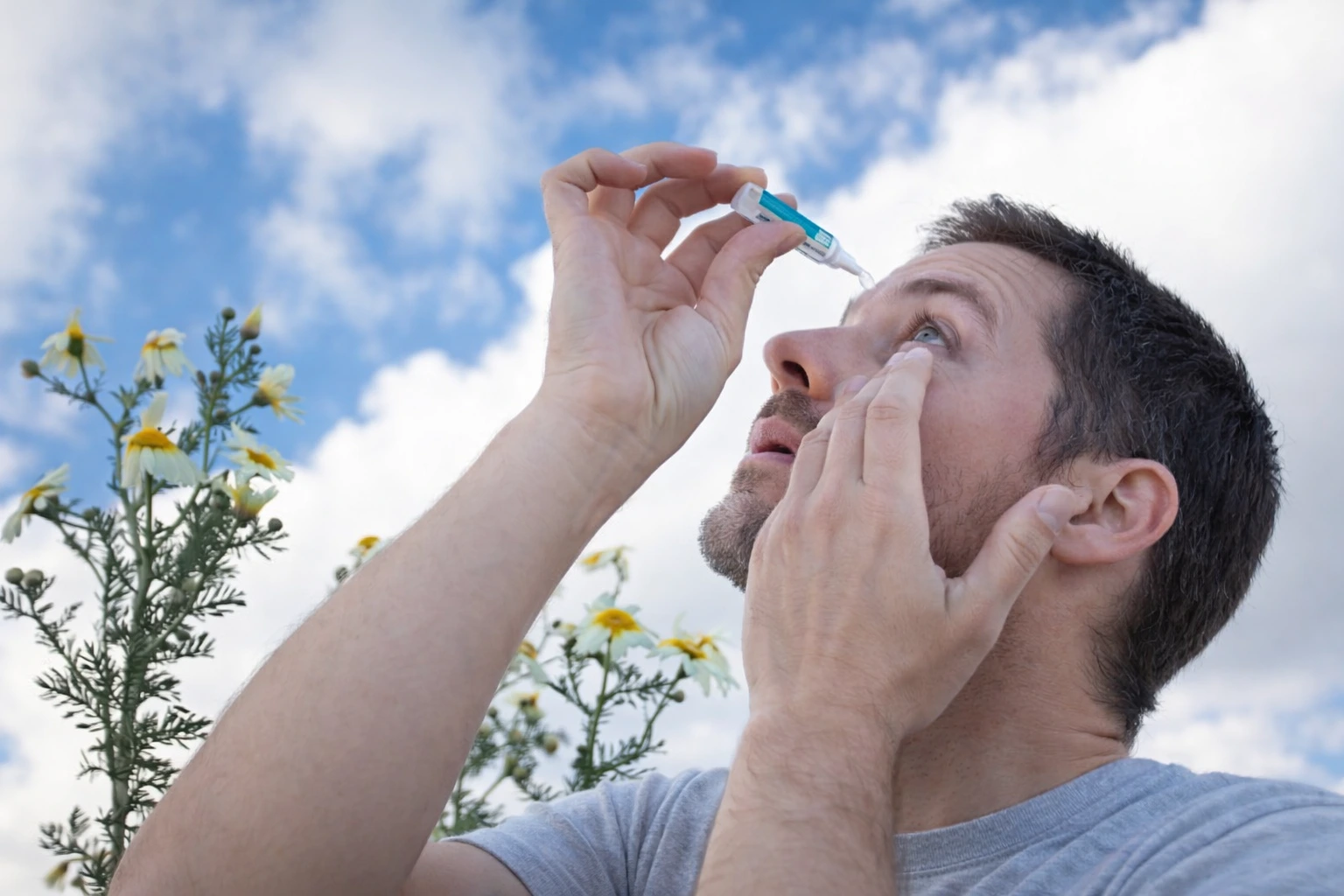
Allergy eye drops are often not safe to use while your contact lenses are in, unless your eye doctor specifically tells you otherwise. A common rule from eye care guidance is to remove contacts before using most eye drops to avoid trapping ingredients against the lens and eye surface. Many over-the-counter allergy drops also include directions to take lenses out and wait before reinserting.
For example, ketotifen allergy drops commonly instruct you to remove lenses and wait at least 10 minutes before putting them back in. Olopatadine allergy drops often give similar instructions and may also warn you not to wear contacts if your eye is red. If you are looking up allergy eye drops safe with contacts, the safest default is to remove your lenses unless the product label clearly states it is contact-lens compatible.
Best Rewetting Drops for Contacts During Allergy Season
For on-the-go comfort in allergy season, choose lubricating drops, not medicated ones, and prioritize preservative-free artificial tears or wetting drops labeled safe for contact lens wear. These are often the best rewetting drops for contact allergy season because they help rinse away irritants and support a more stable tear film without adding unnecessary ingredients. Avoid using redness-relieving decongestant drops as a daily habit and skip any drop that does not clearly state it is contact-lens compatible.
Timing Rules for Eye Drops With Contact Lenses
Use this quick guide to avoid irritation and make sure your drops work properly during allergy season.
- For medicated allergy drops: Remove your contacts, apply the drops, then wait at least 10 minutes before reinserting, or follow the label exactly.
- If your eye is red: Do not wear contacts until the redness improves and your eye doctor says it is okay.
- If you use more than one medication: Space drops several minutes apart so the second drop does not wash out the first.
- For lubricating drops labeled safe with contacts: These are generally okay to use with lenses in, especially preservative-free options, but still follow the product instructions.
Not sure which drops are safe to use while your lenses are in? Use eye drops with contact lenses to avoid irritation and follow the right timing.
Possible Complications Due To Allergies
Most spring flare-ups are annoying but manageable. The risk is assuming every symptom is “just allergies” and continuing to wear lenses through warning signs. The safest approach in pollen season contacts wear is to know what is common, what is concerning, and when to switch to glasses and get checked.
Irritation and Discomfort, When It Is Normal and When It Is Not
Often normal in spring:
- Mild itching that improves after you go indoors
- Watery tearing with mild redness
- Light dryness that improves with rewetting drops labeled for contact lenses
- Mild blur that clears after blinking or adding lubricating drops
Not normal, and worth stopping lens wear:
- Moderate to severe eye pain or pain that worsens after removing contacts
- Sensitivity to light that is new or intense
- Sudden blurry vision that does not clear quickly
- Thick discharge (more than watery tears), crusting, or a “sticky” eye
- Redness that is strong or worsening, especially in one eye
- A gritty feeling that will not improve
The Centers for Disease Control and Prevention (CDC) lists red, irritated eyes, worsening pain (even after lens removal), light sensitivity, sudden blurry vision, and unusually watery eyes or discharge as symptoms that should prompt lens removal and an immediate call to your eye doctor.
The American Academy of Ophthalmology (AAO) also advises removing contacts and calling your eye doctor right away if your eyes are very red, painful, watery, or sensitive to light.
What Does Allergic Conjunctivitis Look Like?
Allergic conjunctivitis is a common spring issue and is typically not contagious. Classic signs include:
- Very itchy eyes
- Redness and watery tearing
- Puffy eyelids and irritation that often affects both eyes
The AAO describes eye allergies as causing red, swollen, and itchy conjunctiva and eyelids due to histamine release. The American Optometric Association (AOA) notes allergic conjunctivitis symptoms can include clear, watery discharge with mild redness and itching.
Contact lens wearers can also get “contact allergic conjunctivitis.” The American College of Allergy, Asthma & Immunology explains this can result from irritation by contact lenses or proteins from tears that bind to the lens surface, causing redness, itching, mucus discharge, and lens discomfort.
If you are searching for contacts for itchy watery eyes allergies, this is one of the most common reasons lenses feel worse in spring, even with good hygiene.
When to Stop Wearing Contacts and Call Your Eye Doctor
If you remember one rule for allergy season contacts, make it this: when symptoms cross into pain, strong redness, light sensitivity, or persistent blur, take your lenses out and get guidance.
Remove your contacts and call your eye doctor if you notice:
- Eye pain or worsening discomfort, especially if it continues after lens removal
- Sensitivity to light that is new or increasing
- Sudden blurry vision that does not clear quickly
- Unusually watery eyes or any discharge that is not typical for you
- Severe redness, swelling, or one eye clearly worse than the other
These are the same high-risk symptoms the CDC highlights for contact lens related infections, which require quick action.

How to Pick The Best Contacts for Spring Allergies
Spring allergies can make contact lenses feel dry, itchy, or foggy, especially when pollen and deposits build up on the lens surface. For many wearers, daily disposable contacts for allergies are the simplest way to improve comfort during pollen season, along with contact-safe lubricating drops and strict hygiene if you use reusable lenses.
Double-checking your prescription before you order your spring supply? Start with how to read contact lens prescriptions (OD vs. OS) so you enter the correct eye details every time.
If you are ready to upgrade your comfort for pollen season contacts, browse our daily disposable options and choose the lens that matches your prescription and lifestyle.
Best Contact Lenses for Spring Allergies FAQs
What contacts are best for allergies?
The best contacts for allergies are usually daily disposable contacts because you start with a fresh, clean lens each day and reduce allergen and deposit buildup. Many wearers find this improves contact lens comfort during pollen season, especially on high-pollen days. If you wear reusable lenses, strict cleaning and on-schedule replacement become even more important.
Can I wear contacts with seasonal allergies?
Yes, many people can wear contacts with seasonal allergies, but comfort depends on how severe your symptoms are and how well you manage pollen exposure. On flare-up days with heavy itching or watering, switching to glasses can help your eyes calm down. If your eyes are very red, painful, or light-sensitive, remove your lenses and contact your eye doctor.
Are daily disposable contacts better for allergies during pollen season?
Often, yes, because daily disposable contacts for allergies reduce the time pollen, proteins, and debris can collect on the lens surface. This makes daily lenses a common first choice for spring allergy comfort when comfort is the priority. If daily disposables are not an option, reusable lenses can still work with strict hygiene and realistic glasses days.
Can contacts make allergies worse during spring?
They can, because lenses may trap allergens and deposits against the eye, which can increase itching and irritation. Spring also makes many eyes drier, and dryness can make lenses feel more noticeable and less stable. If symptoms worsen while wearing lenses, reduce wearing time, switch to glasses, and consider changing your replacement schedule or lens type.
What should I do if pollen sticks to my contact lenses?
If your lenses suddenly feel gritty or foggy, do not rub your eyes and use contact-safe lubricating drops to flush out irritants. If discomfort or blur does not improve quickly, remove your lenses and switch to glasses for the rest of the day. For reusable lenses, clean them properly with disinfecting solution rather than trying to rinse them off with water.
Can you use allergy eye drops with contact lenses?
Sometimes, but many allergy eye drops require you to remove contacts and wait before reinserting, so always follow the product label or your eye doctor’s instructions. Lubricating drops labeled safe for contact lenses are usually the better midday option for dryness and discomfort. If you need medicated drops regularly, ask your eye doctor about the safest routine and whether switching to dailies would help.
What is the difference between dry eye and allergies?
Allergies usually cause intense itching, watery tearing, and seasonal triggers, while dry eye often feels more like burning, stinging, or tired eyes that worsen with screens or air conditioning. Both can happen at the same time, which is why spring discomfort can feel confusing. If your symptoms persist despite basic allergy steps, your eye doctor can help confirm whether allergy, dry eye, or both are driving the problem.
What are the best contacts for allergies and astigmatism?
The best option is typically a daily disposable toric lens that matches your prescription and stays stable on your eye to keep vision clear. Allergy season can make lenses feel drier and more prone to rotation, which can cause blur that comes and goes. If your vision is unstable or comfort drops quickly, ask your eye doctor to check the fit and discuss daily toric options.
Disclaimer: This information is for general informational purposes only and is not a substitute for professional advice, diagnosis, or treatment.
References
Preventing Eye Infections When Wearing Contacts | Healthy Contact Lens Wear and Care. Centers for Disease Control and Prevention. https://www.cdc.gov/contact-lenses/prevention/index.html. Date Accessed: February 23, 2026.
Allergic conjunctivitis: MedlinePlus Medical Encyclopedia. National Library of Medicine. https://medlineplus.gov/ency/article/001031.htm. Date Accessed: February 23, 2026.
Allergic Conjunctivitis. StatPearls Publishing (NCBI Bookshelf, National Library of Medicine). https://www.ncbi.nlm.nih.gov/books/NBK448118/. Date Accessed: February 23, 2026.
Allergic Conjunctivitis: Review of Current Types, Treatments, and Trends. Fiza Tariq. PubMed Central (MDPI). https://pmc.ncbi.nlm.nih.gov/articles/PMC11204416/. Date Accessed: February 23, 2026.
Effect of antihistamine-releasing contact lenses on ocular symptoms and treatment behavior in patients with seasonal allergic conjunctivitis: A retrospective study. Kenta Fujio et al. PubMed (National Library of Medicine). https://pubmed.ncbi.nlm.nih.gov/39027577/. Date Accessed: February 23, 2026.
Use of Ketotifen Fumarate-Eluting Daily Disposable Soft Contact Lens in Management of Ocular Allergy: Literature Review and Report of Two Cases. Junji Ono and Hiroshi Toshida. PubMed Central (Cureus). https://pmc.ncbi.nlm.nih.gov/articles/PMC9391663/. Date Accessed: February 23, 2026.
NDA 022388 Approval Letter: ACUVUE Theravision with Ketotifen. U.S. Food and Drug Administration. https://www.accessdata.fda.gov/drugsatfda_docs/appletter/2022/022388Orig1s000ltr.pdf. Date Accessed: February 23, 2026.
ACUVUE Theravision with Ketotifen (ketotifen fumarate contact lens) Label. U.S. Food and Drug Administration. https://www.accessdata.fda.gov/drugsatfda_docs/label/2022/022388s000lbl.pdf. Date Accessed: February 23, 2026.