
Table of Contents
Women’s Month is a good reminder to check in on something we use nonstop but rarely think about until it starts acting up, and that is women’s eye health. Maybe your vision gets a little blurry by the end of the day, headlights feel harsher at night, or your eyes burn after too much screen time, and you tell yourself it is just stress or getting older.
Sometimes those changes are warning signs of age related eye problems. If you have been brushing off eye symptoms because life is busy, this is your simple, practical reset to put your vision back on the priority list.
When Should You Treat Eye Symptoms as Urgent?
Some warning signs of age related eye problems are uncomfortable but not dangerous. Others can signal an eye emergency where timing matters, especially when symptoms start suddenly. If you are unsure, it is safer to treat sudden or severe vision changes as urgent and get checked.
Go same day if you have any of these warning signs
Seek urgent medical care right away if you notice:
- Sudden vision loss or a sudden major blurry vision change
- Flashes of light, especially with new or suddenly increased floaters
- A dark curtain, shadow, or missing area in your side vision
- Severe eye pain, especially with headache, nausea, or vomiting
- Severe light sensitivity
- Discharge or bleeding from the eye or around the eye
- One sided swelling, or the eye looks unusually red and painful
- Chemical exposure or an eye injury
If it is not urgent, what to do first
If your symptoms are mild and gradual, these steps help you respond without guessing:
- If you wear contacts, take them out and switch to glasses for the day.
- Rest your eyes, reduce screen time, and avoid rubbing.
- Write down what you noticed: which eye, when it started, and what makes it worse.
- Book an eye exam and mention you are checking warning signs of age related eye problems.
- If symptoms worsen or become sudden, upgrade to urgent care.
Not sure what counts as a true eye emergency versus something that can wait? Use eye infections causes treatments and how to avoid them to understand red flags and safer next steps.
What Changes With Women’s Vision As We Age
A lot of warning signs of age related eye problems do not start with a dramatic moment. They often show up as small vision changes that build over months, until one day it feels like everything shifted at once. That is why women’s eye health check ins matter, especially as vision aging becomes more noticeable after midlife.

Common Age Related Shifts
These are some of the most common changes in aging eyes that can affect daily life:
- Near vision after 40 (presbyopia)
Reading menus, texts, or labels starts to feel harder, and you may hold your phone farther away. - More glare and lower contrast sensitivity
Dim restaurants, rainy days, and bright screens can feel more tiring. - Slower adjustment to light changes
Moving from bright sunlight to indoors, or driving at night, can feel tougher. - Dryness and irritation (dry eyes)
More burning, stinging, or gritty feeling, especially with screens, air conditioning, and long days. - Gradual changes that can be easy to miss
Early cataract symptoms, early glaucoma symptoms, or early macular degeneration may start subtly, so routine eye exam visits matter.
Why Women May Notice Changes More
Some eye problems in women become more noticeable because of body changes and daily demands:
- Hormonal shifts can affect tear quality and comfort, which is one reason menopause dry eyes is a common complaint.
- Autoimmune conditions are more common in women and can be linked to dry eye symptoms.
- Long screen time can worsen dryness and make blurry moments feel more frequent.
- Busy schedules can delay exams, so the “small stuff” becomes obvious later.
If you have been noticing warning signs vision is aging, treat it as useful information, not something to power through. The earlier you connect symptoms to the right next step, the more options you typically have.
The 7 Warning Signs of Age Related Eye Problems
Below are seven eye warning signs that deserve attention. Some are urgent, others are a strong signal to schedule an eye exam soon:
- Sudden floaters, flashes of light, or a curtain over your vision
- Sudden eye pain with redness, headache, or nausea
- A new blind spot or sudden vision loss in one eye
- Straight lines look wavy or the center looks blurry (wavy lines in vision)
- Night driving gets harder, with halos around lights or glare
- Side vision narrows (peripheral vision loss or tunnel vision)
- Dry eyes in women that keep coming back, especially with burning or gritty discomfort
Sign 1: Sudden Floaters, Flashes, or a Curtain Over Your Vision
Noticing a sudden burst of new specks or string-like shapes drifting across your vision can be unsettling. Some people also see quick flashes that look like tiny lightning flickers, especially in the dark or in side vision. If a shadow or curtain-like area starts creeping across what you see, treat that as a serious change.

What Causes:
As we age, the gel inside the eye can shift and clump, which can create new floaters and occasional flashes. Sometimes that shift can tug on the retina and lead to a tear, which may progress to a retinal detachment. A “curtain,” shadow, or missing area is more concerning because it can mean the retina is being affected or blocked.
What To Do:
- Stop contact lens wear and avoid rubbing or pressing on your eye.
- Pause driving and any risky activities if your vision feels unsafe or a shadow is blocking your view.
- Write down exactly what you noticed (which eye, start time, flashes/curtain, recent injury) so you can describe it clearly.
Seeing flashes and wondering what they usually mean? Read understanding eye flashes what you need to know so you know when to call your eye doctor the same day.
Sign 2: Sudden Eye Pain With Redness, Headache, Nausea, or Vomiting
Does your eye suddenly hurt a lot and look red, and you also feel a strong headache or nausea? This is very different from mild irritation or tired eyes because the pain can be intense and come on fast. Many people also notice blurry vision or halos around lights at the same time.

What Causes:
This pattern can happen when pressure inside the eye rises quickly, which can cause intense pain, redness, halos, and nausea. It can also be linked to inflammation or infection, especially for contact lens wearers. The concern is the sudden onset and the “cluster” of pain + redness + feeling sick.
What To Do:
- Remove contact lenses immediately and switch to glasses.
- Avoid using random or leftover eye drops (especially someone else’s prescription drops).
- Protect your eyes from bright light and note any halos, severe headache, or vomiting so you can report it accurately.
Wondering why a red, painful eye is not something to ignore? Check why are my eyes red to understand common causes and when to get checked quickly.
Sign 3: A New Blind Spot or Sudden Vision Loss in One Eye
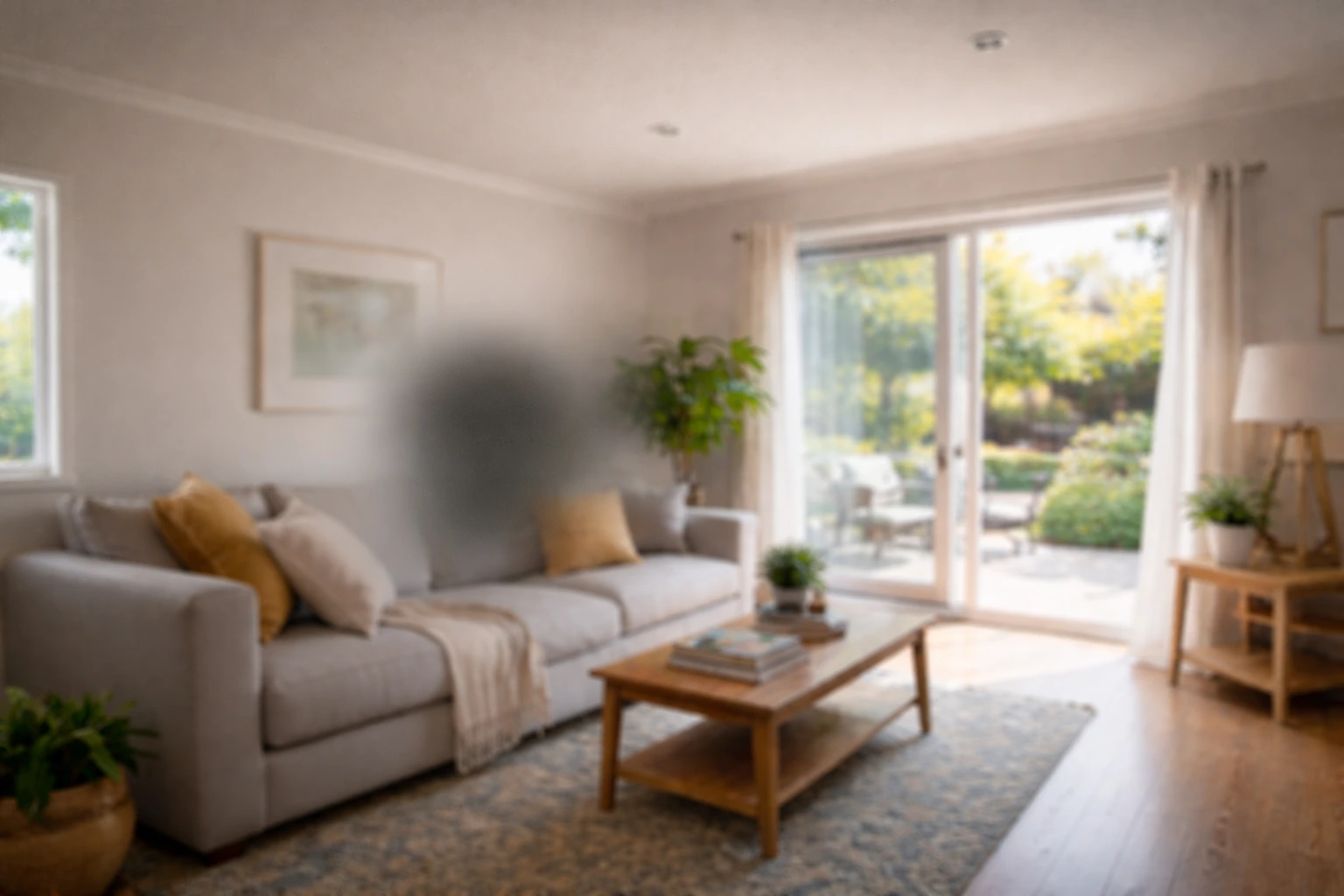
Try covering one eye and then the other. If you notice a new dark spot, a missing patch, or sudden blur in just one eye, that is an important warning sign. It can feel like words or faces are blocked, or like part of your vision fades out and returns.
What Causes:
Sudden vision loss in one eye can happen when the retina is disrupted (like a detachment or bleeding) or when blood flow to the retina is reduced. Some causes are painless, which can make them easier to dismiss—but they can still be serious. Even “temporary” episodes can be an important warning sign.
What To Do:
- Check one eye at a time (cover each eye) to confirm which eye is affected and how much vision is missing.
- Stop contact lens wear and avoid rubbing or pressing on the eye.
- Record the exact start time and any related clues (floaters, flashes, pain, curtain, headache) so the timeline is clear.
Sign 4: Straight Lines Look Wavy or the Center Looks Blurry
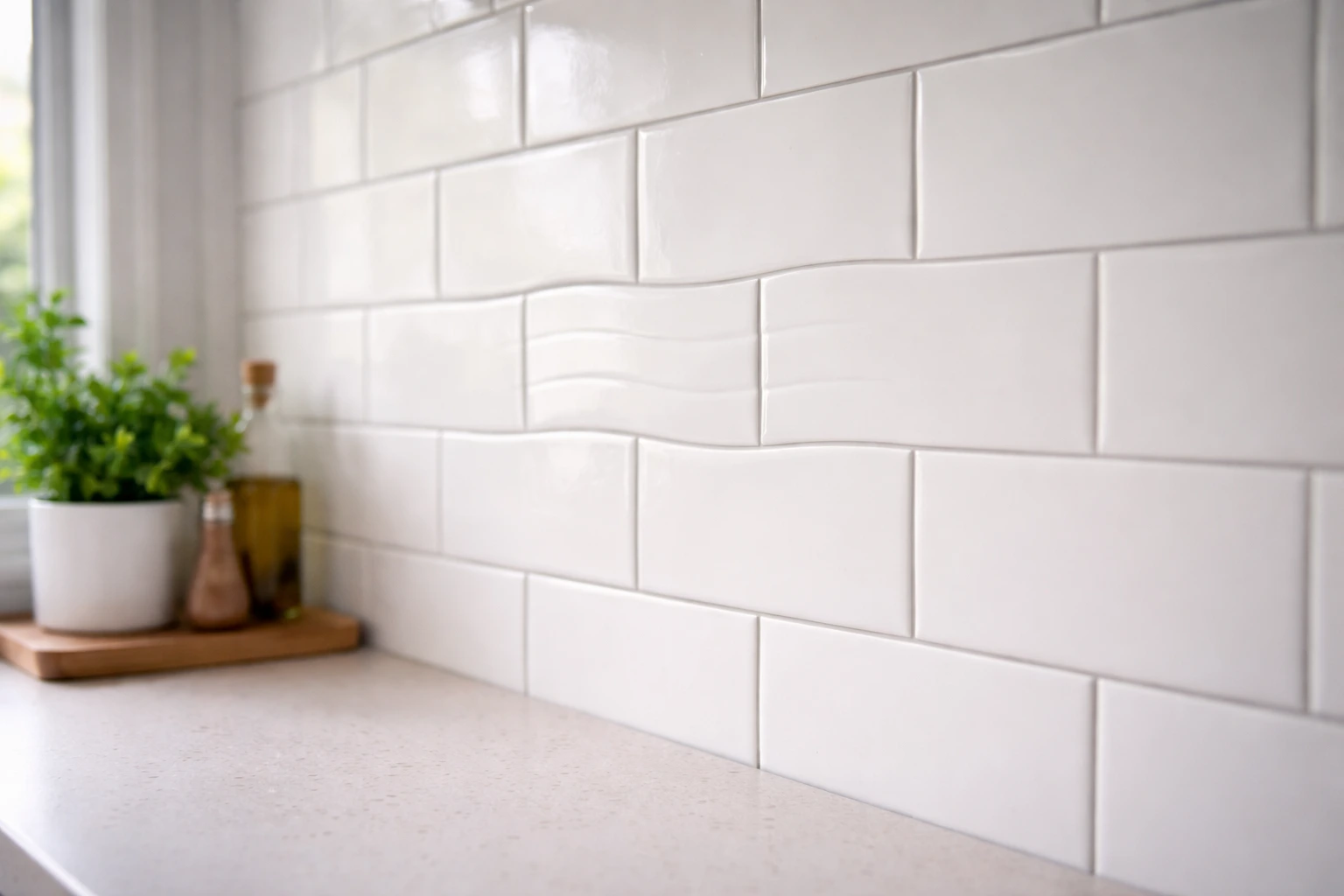
Ever looked at a door frame, window blinds, or lined paper and thought the straight lines looked bent or wavy? You might also notice the center of what you are looking at seems smudged, faded, or slightly missing. This pattern is often linked to changes in the part of the retina responsible for sharp central vision.
What Causes:
Distortion often happens when the macula (the part of the retina responsible for sharp central vision) is irritated, swollen, or changing over time. Age-related macular degeneration is one common reason adults notice wavy lines or central blur. Dryness can cause fluctuating blur, but it typically does not create true “wavy line” distortion.
What To Do:
- Test one eye at a time using straight lines (an Amsler grid, graph paper, or a tiled wall) and note any waviness or missing spots.
- Use your best correction and lighting (glasses, proper brightness) and see if distortion still shows up.
- Track changes daily (quick notes or a photo of the grid) so you can spot progression.
Sign 5: Night Driving Feels Harder, With Halos, Glare, or Cloudy Vision
If night driving is starting to feel stressful, pay attention to what is making it harder. Headlights may look starry or surrounded by halos, and glare can take longer to settle after bright lights. Some people describe their vision as slightly foggy or filmy even with their usual glasses or contacts.

What Causes:
As the natural lens in the eye becomes less clear over time, it can scatter light and make glare and halos more noticeable, especially at night. Dry eyes and changes in prescription can also worsen halos because an unstable tear film blurs light. Many people notice this first during night driving because contrast is already lower.
What To Do:
- Clean your windshield and glasses, and use lubricating drops if dryness makes halos worse.
- Reduce night-driving risk by slowing down, increasing following distance, choosing well-lit routes—or driving earlier if you feel unsafe.
- Note exactly when it happens (rain, oncoming headlights, bright screens) and whether one eye feels worse.
Noticing halos around headlights and streetlights at night? Learn what can trigger it in why do I see halos around lights and what to do next.
Sign 6: Peripheral Vision Loss or Tunnel Vision
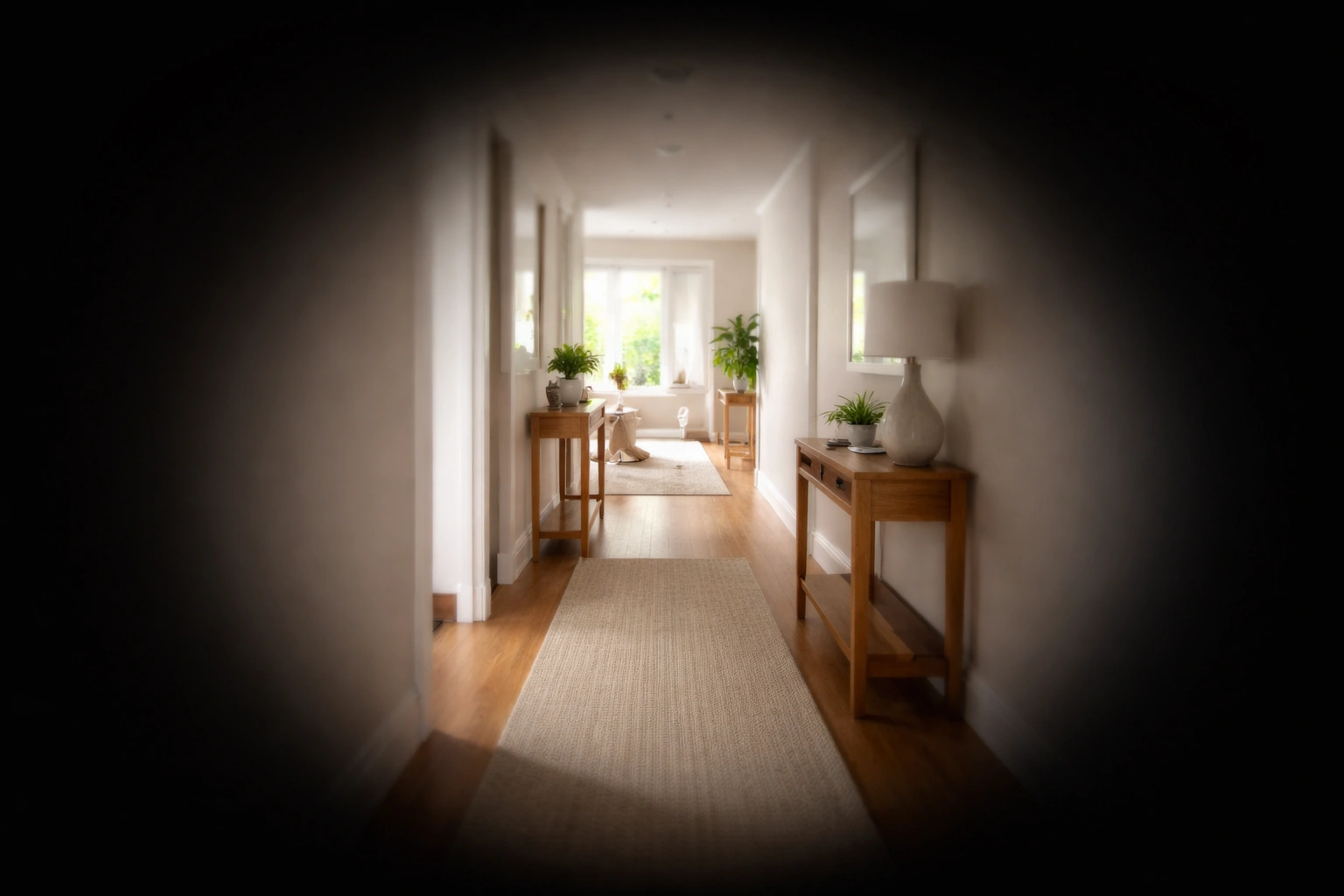
Bumping into door frames or feeling less aware in busy places can be an early clue that side vision is not as strong as it used to be. Because peripheral vision changes can happen slowly, you may notice it more through little “misses” than obvious blur. If your view feels narrower, like tunnel vision, it is worth taking seriously.
What Causes:
Peripheral vision loss can happen gradually, which is why many people notice it only through small accidents or feeling less aware in crowds. Glaucoma is a major concern because it can damage the optic nerve and often affects side vision first without pain. Since early changes can be subtle, this sign is easy to miss without proper testing.
What To Do:
- Improve safety at home by adding brighter lighting, clearing walkways, and using high-contrast edges on steps.
- Pay attention to patterns (bumping into door frames, missing side details) and write down when it happens.
- Avoid higher-risk situations (night driving, crowded stairs) if you feel your side vision is unreliable.
Confused about the difference between low vision and complete blindness? Start with low vision vs blindness so the terms feel clearer before your next exam.
Sign 7: Dry, Scratchy, Burning Eyes That Keep Coming Back
Dry eyes can feel like burning, stinging, or a gritty “sand in the eye” sensation that keeps returning. It often flares with screens, air conditioning, heating, long drives, or dry indoor air. Dryness can also make vision fluctuate, so things look blurry and then clearer again after blinking or using drops.

What Causes:
Tear quality and tear production often change with age, and hormonal shifts can make dryness more common in women. Screen time, air conditioning, heating, and dry climates can speed up tear evaporation and trigger flare-ups. Some medications and health conditions can also contribute, which is why dryness can become a “repeat problem.”
What To Do:
- Use preservative-free lubricating drops and add a warm compress if your eyelids feel oily, crusty, or irritated.
- Take screen breaks and practice full blinks (a timer helps) to reduce evaporative dryness.
- Adjust your environment by aiming vents away, using a humidifier, and shortening contact lens wear on dry days.
Feel like dryness keeps returning no matter what you do? Use vitamins for dry eyes a guide for contact lens users for practical support ideas you can discuss with your eye doctor.
What to Track Before Your Eye Exam
When you are sorting warning signs, a little prep can save time and help your doctor connect the dots faster. Think of it like bringing a clear “story” instead of trying to remember everything in the exam chair.
Symptom Notes
Start by capturing the basics of what you’re noticing so the pattern is easy to understand. Note when it began, whether it came on suddenly or gradually, and if it affects one eye or both. Then add a few quick details on what it looks like (blur, wavy lines, glare, floaters, flashes), what seems to trigger it (night driving, screens, dry air, after waking), and what time of day it feels worst.
Health Context
Your overall health can explain why certain eye symptoms show up, so it helps to share relevant background. Jot down conditions like diabetes, high blood pressure, high cholesterol, migraines, or autoimmune issues, plus any recent medication changes (including allergy meds and sleep aids). Also note family history of glaucoma, macular degeneration, retinal problems, or early cataracts, and include hormonal changes if you’re in perimenopause or menopause and noticing dry eyes in women or worsening irritation.
Bring List
Bringing the right items helps your doctor confirm details faster and reduces guesswork. Pack your current glasses and contact lens boxes (if you wear contacts), plus any eye drops you use, including allergy drops and lubricating drops. Keep your symptom notes ready on your phone and bring a short question list, like: “Could this be one of the warning signs of age-related eye problems, and what should I watch for next?
Ever noticed your eyes feel worse after starting a new medication? Review medications that cause vision problems so you know what to mention during your appointment.
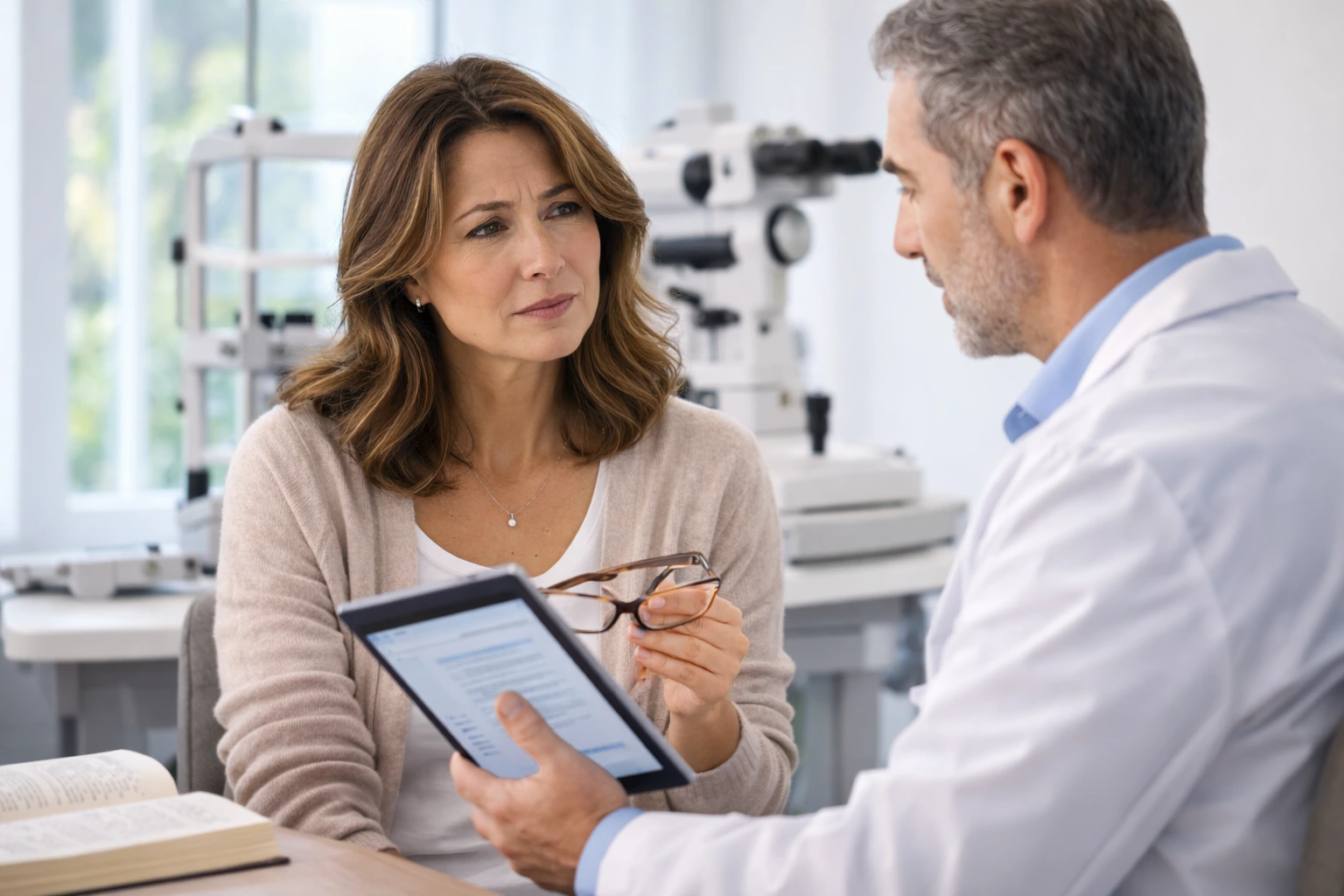
How Often Should Women Get an Eye Exam As They Age?
If you are seeing warning signs of age related eye problems, you should book an exam sooner, even if you were checked recently. If you feel fine and are low risk, exam frequency depends on age and risk factors.
General Schedule By Age Group
Many sources that cite American Academy of Ophthalmology guidance use this schedule for adults without risk factors:
| Age Range | Typical Timing | Why It Matters |
|---|---|---|
| 40-54 | Every 2-4 years | Midlife is when “silent” issues can start showing up, and routine exams help catch early changes before they noticeably affect daily life. |
| 55-64 | Every 1-3 years | Risk for age-related conditions, including age-related macular degeneration and cataracts, rises with age, so slightly more frequent checks help spot changes sooner. |
| 65 and older | Every 1-2 years | Age-related eye diseases become more common as we get older, and regular exams support early detection and safer updates to vision correction. |
When You May Need Exams More Often
You may need a more frequent plan if you have risk factors. The Centers for Disease Control and Prevention notes that a dilated eye exam every 1 to 2 years is recommended for people over 60 and more often for certain higher risk groups, and that many people with diabetes or high blood pressure need yearly dilated exams.
Quick examples of “higher risk” situations:
- Diabetes or high blood pressure
- Family history of glaucoma
- New vision changes after 40 that are persistent or worsening
Tests To Ask About
If you are discussing the signs, ask what testing makes sense for your symptoms:
- Dilated retinal exam
- Eye pressure check
- Visual field testing if side vision feels reduced
- Imaging when needed, based on symptoms and exam findings
Prevention, Simple Habits That Protect Your Vision Over Time
You cannot prevent every eye condition, but you can lower risk and catch warning signs of age related eye problems earlier. These basics are the foundation of practical women’s eye health tips.
Protect And Prevent
- Get regular comprehensive dilated eye exams based on your age and risk
- Know your family eye history, since some eye diseases run in families
Wear sunglasses and protect your eyes outdoors - If you smoke, quitting is one of the strongest moves for long term eye health
Nutrition And Lifestyle
The Centers for Disease Control and Prevention highlights eating patterns that support eye health, including dark leafy greens and fish high in omega 3 fatty acids.
- Add leafy greens like spinach or kale more often
- Choose omega 3 rich fish when you can
- Prioritize sleep and hydration, since tired and dry eyes often feel worse with screens
Contact Lens Habits That Help
If contacts are part of your routine, these reduce irritation and help you spot true eye warning signs sooner:
- Follow replacement schedules and do not stretch wear time
- Use fresh disinfecting solution for reusable lenses and keep water away from lenses
- Take glasses breaks on days your eyes feel dry or irritated
- If comfort suddenly changes, treat it as a clue and consider an earlier eye exam
Women’s Month Reminder, Listen to Your Eyes and Act Early
During Women’s Month, it is a good time to remember how much women rely on their vision every day, at work, at home, and everywhere in between. Most warning signs of age related eye problems are easier to manage when they are caught early, so treat new vision changes as a reason to act, not panic. If symptoms are sudden or severe, get urgent care, and if symptoms are gradual, schedule an eye exam and bring your notes so you leave with clear next steps.
Want clearer, more comfortable vision for everything you do at work, at home, and on the go? Browse our contact lenses that match your prescription and fit your daily routine.
FAQs about Age Related Eye Problems in Women
What are the most common age related eye problems in women?
Common age related eye problems include presbyopia, dry eye, cataracts, glaucoma, and age-related macular degeneration. Your risk depends on factors like age, family history, overall health (such as diabetes or high blood pressure), and how regularly you get comprehensive eye exams. If you notice new or worsening symptoms, it helps to track them so your eye care provider can identify patterns quickly.
Are floaters normal with age, and when are they dangerous warning signs?
Some floaters can happen with normal vision aging, especially if they appear slowly and stay stable. However, a sudden increase in floaters, flashes of light, or a curtain-like shadow over your vision can be warning signs that need urgent evaluation. If you notice these changes, treat it as time-sensitive and seek same-day eye care.
What are early signs of age related macular degeneration and what to do?
Early age-related macular degeneration can show up as central blur, wavy or distorted lines, or trouble seeing fine details—even when your glasses prescription seems fine. Because the macula affects sharp central vision, these changes can make reading and recognizing faces harder. If you notice distortion or a new central blur, schedule an eye exam soon and ask whether a retinal or macula-focused evaluation is needed.
Why do my eyes feel drier after 40 or after menopause?
Hormonal changes and natural aging can affect tear quality and tear production, which can make dry eye more common in women after 40 and around menopause. Screens, air conditioning, heating, and dry indoor air can make symptoms flare faster and feel more persistent. If dryness is frequent or affecting contact lens comfort, ask about a dry eye evaluation and a routine that fits your day-to-day life.
How often should women get a dilated eye exam after 40?
If you are low risk and have no symptoms, many recommendations suggest a dilated eye exam every 2 to 4 years in your 40s and early 50s, then more often as you age. If you are over 60, have diabetes or high blood pressure, or have a family history of glaucoma, your eye care provider may recommend exams every 1 to 2 years (or yearly) based on risk. The right schedule is individualized, so it’s worth confirming what interval fits your health profile and symptoms.
How can I tell if vision changes are normal aging or a warning sign of eye disease?
Gradual near-vision blur after 40 is often presbyopia, a common and expected focusing change with age. But sudden vision loss, a painful red eye, flashes of light, or a curtain/shadow over vision are warning signs that are not typical “normal aging.” When in doubt, book an eye exam and bring a short symptom timeline so your provider can triage quickly.
Why is my near vision blurry after 40 and what can I do?
This is often presbyopia, where focusing up close becomes harder over time. A simple prescription update (reading glasses, progressives, or contact lens options) plus good lighting can make a big difference for daily comfort. If the blur is sudden, worsening fast, or noticeably different in one eye, schedule an eye exam promptly to rule out other causes.
Why do I need brighter light to read in my 40s and 50s?
As eyes age, contrast sensitivity and how quickly you adapt to lighting changes can shift, so dim light may feel noticeably harder for reading. Brighter, evenly distributed light can reduce strain and improve clarity—especially for small print. If brighter light helps but glare is getting worse, mention it at your eye exam since it can overlap with early cataract changes or tear-film dryness.
What causes halos around lights at night and what should I do?
Halos around lights can happen with dry eye, prescription changes, or cataract-related lens changes, and they often feel most obvious during night driving. Simple steps like cleaning glasses, using contact-safe lubricating drops (if dryness is a factor), and avoiding night driving when you feel unsafe can help short-term. If halos are new, worsening, or paired with severe eye pain, headache, nausea, or vomiting, treat it as urgent and seek same-day care.
What vitamins help with eyesight as you age?
A balanced diet that includes dark leafy greens (for carotenoids like lutein and zeaxanthin) and omega-3-rich fish can support long-term eye health. Supplements are not a one-size-fits-all solution, and high-dose formulas are typically recommended only for specific situations (such as certain stages of age-related macular degeneration). If you have macular degeneration or significant risk factors, ask your eye care provider what’s appropriate before starting high-dose supplements.
Disclaimer: This content is for general informational purposes only and is not a substitute for professional advice, diagnosis, or treatment.
References
Why Eye Exams Are Important | Vision and Eye Health. Centers for Disease Control and Prevention. https://www.cdc.gov/vision-health/about-eye-disorders/why-eye-exams-are-important.html. Date Accessed: March 5, 2026.
Age-Related Macular Degeneration (AMD). National Eye Institute (National Institutes of Health). https://www.nei.nih.gov/eye-health-information/eye-conditions-and-diseases/age-related-macular-degeneration. Date Accessed: March 5, 2026.
Cataracts. National Eye Institute (National Institutes of Health). https://www.nei.nih.gov/eye-health-information/eye-conditions-and-diseases/cataracts. Date Accessed: March 5, 2026.
Glaucoma. National Eye Institute (National Institutes of Health). https://www.nei.nih.gov/eye-health-information/eye-conditions-and-diseases/glaucoma. Date Accessed: March 5, 2026.
Retinal Detachment. National Eye Institute (National Institutes of Health). https://www.nei.nih.gov/eye-health-information/eye-conditions-and-diseases/retinal-detachment. Date Accessed: March 5, 2026.
Acute Angle-Closure Glaucoma. Babak Khazaeni, Marco Zeppieri, Leila Khazaeni (StatPearls Publishing, NCBI Bookshelf). https://www.ncbi.nlm.nih.gov/books/NBK430857/. Date Accessed: March 5, 2026.
Dry Eye Syndrome Preferred Practice Pattern®. Guillermo Amescua et al. (American Academy of Ophthalmology Preferred Practice Pattern Cornea/External Disease Panel). https://pubmed.ncbi.nlm.nih.gov/38349301/. Date Accessed: March 5, 2026.
Age-related farsightedness (presbyopia): Learn More – How can age-related farsightedness be corrected? Institute for Quality and Efficiency in Health Care (IQWiG), InformedHealth.org (NCBI Bookshelf). https://www.ncbi.nlm.nih.gov/books/NBK423827/. Date Accessed: March 5, 2026.