
Best Contacts for Dry Eyes
Many contact lenses engineered for dry eyes are designed to lock in moisture, maintain a perfectly smooth surface, and drastically reduce friction against your eyelids with every single blink.
Daily disposable contact lenses can also help because each pair starts fresh, with less time for deposits to build up. A proper fit is just as important as the lens type, since a lens that moves too much or sits too tightly can make dryness worse. If dry eyes keep bothering you, your eye doctor can check your tear film and identify a recommended contact lens that fits your eyes and routine.
to
to
to
to
to
to
to
to
to
to
to
to
to
to
to
to

to

to
to
to
to
to
to
to
to
to
to
to
to
to
to
What Makes Some Contact Lenses Better For Dry Eyes?
The best contacts for dry eyes are not just about moisture claims on the box. Comfort can depend on lens material, fit, replacement schedule, surface design, and how the lens works with your tear film.
- Moisture-retaining materials: Contact lenses can hold water and support hydration, helping it feel smoother during wear.
- Good oxygen flow: Breathable lens materials allow the cornea to breathe, which makes wearing the lens comfortable during long wear times.
- A smooth lens surface: A smooth surface reduces friction between the lens and eyelid when you blink.
- Daily replacement: Daily disposable lenses give you a fresh pair each day, which can reduce buildup from deposits, oils, and allergens.
- Proper lens fit: Good contact lenses that fit correctly should move enough for tear exchange without sliding around or feeling too tight.
- Low deposit buildup: Lenses that resist deposits can feel cleaner and more comfortable.
- Compatibility with rewetting drops: Some lenses can be paired with contact lens-safe rewetting drops for added relief.
- A replacement schedule you can follow: Wearing lenses past the recommended schedule can make dryness worse, so the right lens should fit your routine as well as your eyes.
Dailies, Weeklies, or Monthlies for Dry Eyes
The best replacement schedule for dry eyes depends on your tear film, lens material, wearing time, and how your eyes react during the day. Each contact lens type has clear pros and trade-offs for dry eye-prone wearers.
Daily Contact Lenses
Daily contact lenses are the easiest starting point for people with dry eyes. You open a fresh pair every day, so there's less time for protein, oil, allergens, and debris to build up on the lens surface.
This fresh-lens routine can help the lens feel cleaner and smoother throughout the day. Dailies also skip nightly cleaning, which can be helpful if your eyes react to certain solutions. The downside is that dailies can cost more over time if you wear contacts every day.
Weekly Contact Lenses
Weekly contact lenses, or short-replacement lenses, are replaced more frequently than monthly lenses but not as often as dailies. This can give wearers a middle ground between freshness and cost.
They still need proper cleaning and storage every night, so the care routine matters a lot. If deposits build up quickly or your eyes feel dry late in the day, weekly lenses might not feel as fresh as daily disposables.
Monthly Contact Lenses
Monthly contact lenses can be a cost-friendly choice for people who wear lenses regularly. Some monthly lenses use breathable materials and moisture-focused designs that can work for dry eye-prone wearers.
The challenge is that monthly lenses are worn for a longer cycle. Deposits can build up if cleaning is done irregularly and improperly. They also require consistent lens care, fresh solution, and timely replacement.
Features and Technologies That Make Contact Lenses Great for Dry Eyes
Contact lenses for dry eyes usually focus on moisture, breathability, surface smoothness, and deposit control. The right choice still depends on your tear film, prescription, lens fit, and your eye doctor's recommendation.
- Silicone Hydrogel Material: Silicone hydrogel contact lenses allow more oxygen to pass through to the cornea than traditional hydrogel lenses.
- Moisture-Retaining Lens Design: Some lenses are made to hold water within the lens material so the surface feels hydrated all through the day.
- Water Gradient Technology: Water gradient lenses have a highly wettable outer surface, creating a soft, cushion-like feel against the eyelid.
- Built-In Wetting Agents: Some contact lenses include wetting agents that help keep the lens surface smooth and hydrated.
- Smooth Surface Technology: A smoother lens surface reduces friction when you blink, helpful if your eyelids feel like they drag over your contacts.
- Deposit-Resistant Materials: Lenses that resist protein, oil, and debris buildup can stay cleaner, reducing irritation.
- Daily Disposable Design: Daily contacts give you a fresh pair every day. There's less buildup from allergens, deposits, and old solution.
- Low-Modulus Materials: Softer, more flexible lens materials can feel gentler on the eye, especially for wearers who notice lens edges or pressure during the day.
- Contact Lens-Safe Rewetting Drop Compatibility: Some lenses work well with rewetting drops, giving wearers an added way to refresh the lens surface when dryness starts.
Can Rewetting Drops Help Moisturize Contact Lenses?
Contact lens-safe rewetting drops can help refresh dry contacts. They add moisture to the lens surface and tear film, which can make blinking feel smoother and reduce that sticky or scratchy feeling.
Rewetting drops work best for mild, occasional dryness from screen use, air conditioning, wind, or wearing extended wear contact lenses as prescribed. They aren't a fix for poor lens fit, overwear, eye infection, or ongoing dry eye symptoms.
If dryness keeps coming back, remove your lenses and ask your eye doctor whether you need a different lens type, replacement schedule, or dry eye treatment.
Causes of Dry Eyes
When your tears evaporate too quickly, you have dry eyes. Contact lenses can make dryness more noticeable, but they are only one possible factor.
- Not enough tear production. Sometimes, your eyes do not produce enough tears to keep the surface properly wet.
- Fast tear evaporation. Tears can dry too quickly because of wind, smoke, air conditioning, dry indoor air, or long screen use.
- Poor tear quality. Tears need the right balance of water, oil, and mucus to spread smoothly across the eye. Nutrition, lifestyle, and several health-related factors can affect the quality of your tears.
- Contact lens wear. Contacts can make dry eye symptoms more noticeable, especially if the lens fit, material, or wearing time does not suit your eyes.
- Age-related changes. Dry eye becomes more common after age 50.
- Hormonal changes. Some people have a higher dry eye risk because of hormonal shifts.
- Certain medical conditions. Autoimmune conditions such as lupus or Sj�gren syndrome can raise the risk of dry eye.
- Low vitamin A or omega-3 intake. Not getting enough of these nutrients can contribute to dry eye risk.
- Long screen time.Staring at screens can reduce blinking, which can make tears evaporate faster.
- Certain medications.Some medicines can contribute to dry eye, so your eye doctor may review what you take if symptoms keep coming back.
Are Silicone Hydrogel Contacts Good for Dry Eyes?
Silicone hydrogel contacts can be a good option for some people with dry eyes. They let more oxygen pass through to the cornea than traditional hydrogel soft lenses. Better oxygen flow can support eye comfort, especially for people who wear contacts for longer parts of the day.
However, they are not automatically the best choice for every dry eye case. Comfort still depends on the lens surface, water behavior, fit, replacement schedule, and how your tear film reacts to the material. If silicone hydrogel lenses still feel dry or irritating, your eye doctor can check whether a daily disposable, a different material, or dry eye treatment would work better.
Questions to Ask Your Eye Doctor
These specific questions so you can get a lens plan that fits your eyes and your day.
- What type of contact lens works best for my dry eyes?
Ask whether daily, biweekly, monthly, silicone hydrogel, hydrogel, or specialty lenses suit your eyes best. - Is my current lens making my dryness worse?
Your lens material, fit, or replacement schedule could be part of the problem. - Would daily contact lenses be better for me?
Daily lenses give you a fresh pair each day, which can help reduce buildup that affects comfort. - Do I need contact lens-safe rewetting drops?
Ask which drops are safe to use while wearing your contacts. - How long should I wear my contacts each day?
Your eye doctor can set what time and for how long you should wear contact lenses so you won't strain your eyes. - Could my screen time be affecting my contact lens comfort?
Long screen sessions can reduce blinking and make dryness more noticeable. - Do I need treatment for dry eye before changing lenses?
Sometimes, your eyes need special care before wearing a new type or brand of lens. - Are my lenses fitting too tightly or moving too much?
A poor fit can make contacts feel dry, unstable, or irritating. - What symptoms mean I should remove my lenses?
Ask when redness, pain, blurry vision, light sensitivity, or irritation needs attention. - How often should I come back for contact lens follow-ups?
Follow-up visits help check fit, comfort, eye health, and whether your current lenses still work well for you.
Contact Lenses That Can Work Well for Dry Eyes
The right contacts for dry eyes depend on your tear film, prescription, fit, and wearing schedule. These lenses are worth discussing with your eye doctor if dryness, end-of-day discomfort, or screen-related irritation is part of your contact lens experience.
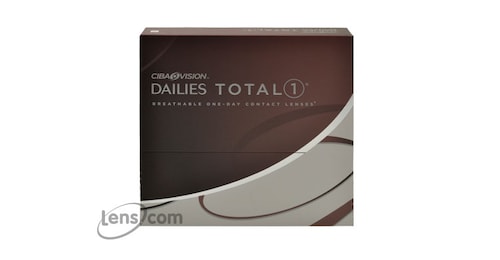
DAILIES TOTAL1
These daily disposable lenses use water gradient technology, with Alcon describing the surface as nearly 100% water for a cushion-like feel on the eye.
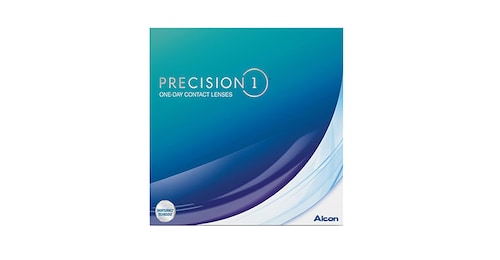
PRECISION1
These daily lenses use Alcon's SMARTSURFACE Technology, which adds a thin moisture layer at the lens surface. Designed for comfort during the day.
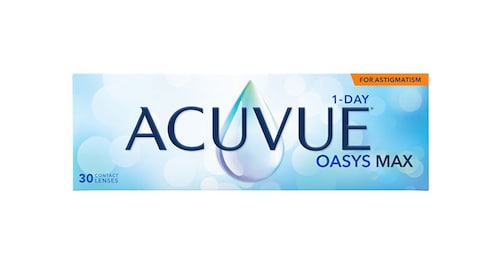
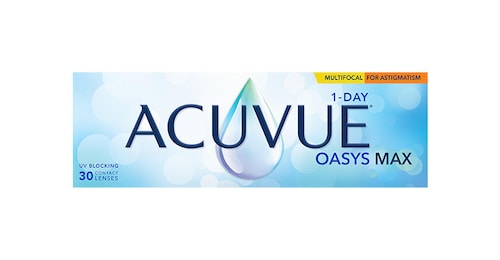
ACUVUE OASYS MAX 1-Day
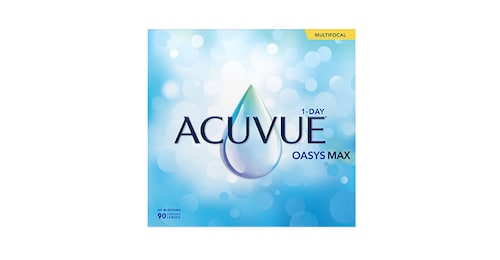
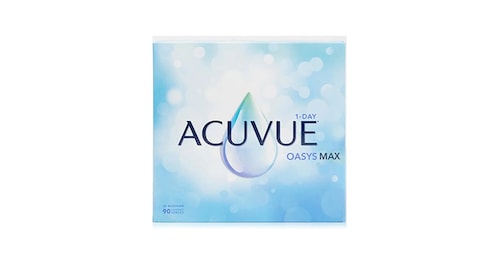
This daily lens uses Johnson & Johnson's TearStable Technology, which distributes wetting agents through the lens and surface.
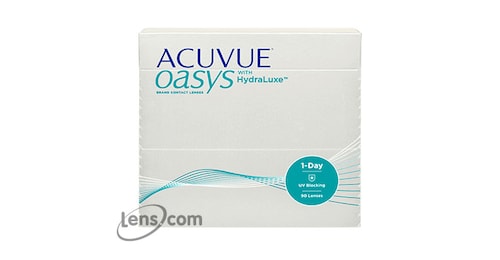
ACUVUE OASYS 1-Day With HydraLuxe
This daily disposable lens has a tear-inspired feature that mimics natural tear properties. Helpful for wearers who struggle with dryness during busy or screen-heavy days.
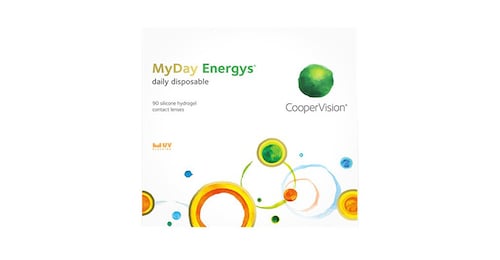
MyDay Daily Disposable
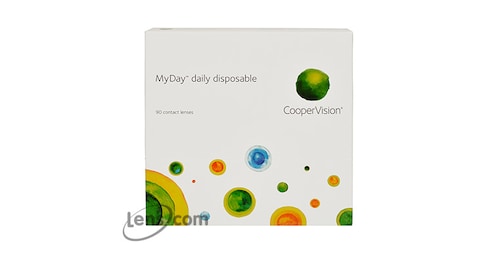
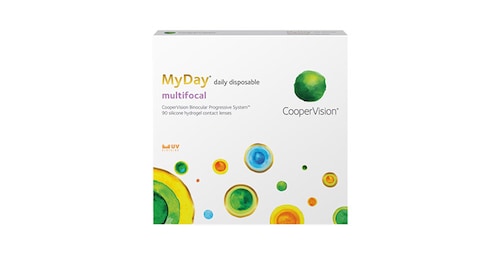
MyDay uses CooperVision's Aquaform Technology, which balances oxygen flow, water content, and softness in a daily silicone hydrogel lens.
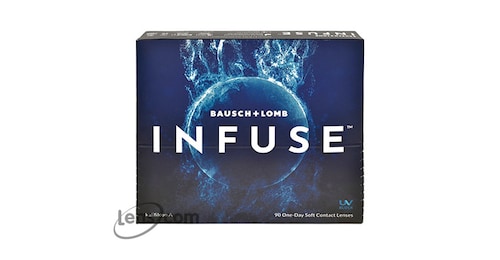
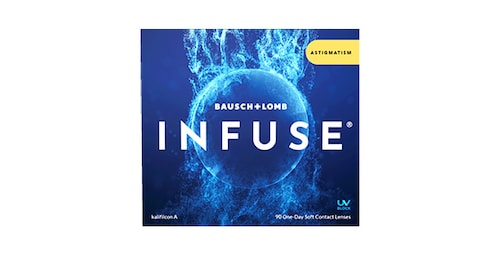
Bausch + Lomb INFUSE One-Day
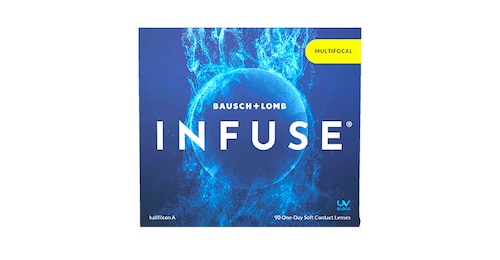
INFUSE uses ProBalance Technology and is manufactured by Bausch + Lomb as a daily silicone hydrogel lens designed to help minimize contact lens dryness.
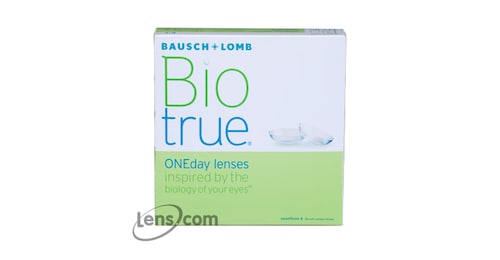
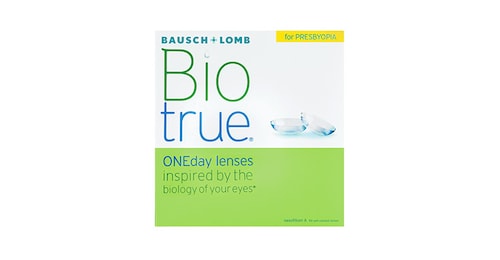
Biotrue ONEday
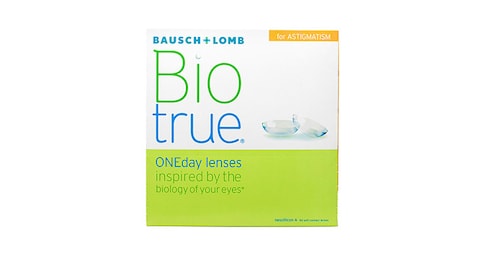
Biotrue ONEday has 78% water content. The lens maintains nearly all of its moisture for up to 16 hours.
TOTAL30
TOTAL30 is a monthly lens with Alcon's Water Gradient Technology. The outer surface retains 100% water even through the monthly replacement cycle.
Biofinity
Biofinity lenses use CooperVision's Aquaform Technology, which helps the lens retain water from core to surface while supporting breathability and natural wettability.
Preventing Dry Eyes
Dry eyes can't always be fully prevented, but daily habits can help reduce dryness, irritation, and tear evaporation.
- Take screen breaks. Look away from screens often and blink fully.
- Use a humidifier in dry rooms. Adding moisture to indoor air can help when heating, air conditioning, or dry weather makes your eyes feel dry.
- Avoid direct airflow. Keep fans, air conditioners, car vents, heaters, and hair dryers from blowing directly toward your eyes.
- Wear wraparound sunglasses outdoors. Protective eyewear can help block wind, dust, and dry air when you're outside.
- Stay away from cigarette smoke. Smoke can irritate the eye surface and worsen dryness.
- Use artificial tears when needed. Lubricating eye drops can help relieve dryness, but choose the right type for your eyes and ask your eye doctor if symptoms keep coming back.
- Practice good eyelid hygiene. Warm compresses, lid massage, or eyelid cleaners can help.
- Follow contact lens wear time. If you wear contacts, avoid overwearing them and switch to glasses when your eyes feel dry, red, or irritated.
- Ask about your medications. Some medicines can cause dry eyes.
- See your eye doctor if symptoms persist. Ongoing burning, stinging, redness, blurry vision, or light sensitivity should be checked instead of treated with drops alone.
Fun Fact About Dry Eyes
Did you know dry eyes can sometimes make your eyes water? It sounds strange, but when the eye surface gets irritated, your eyes can produce extra reflex tears as a response. Dry eye can happen when you don't make enough tears, when tears evaporate too quickly, or when tear quality does not keep the eye surface well-lubricated.
Those reflex tears can overflow, but they do not always fix the dryness underneath. They are more like an emergency rinse than a steady tear layer. Your eyes can feel dry, watery, and irritated at the same time.
References
Dry Eye. National Eye Institute. https://www.nei.nih.gov/eye-health-information/eye-conditions-and-diseases/dry-eye. Published Date: August-06-2025. Date accessed May 27, 2026.
Types of Contact Lenses. U.S. Food and Drug Administration. https://www.fda.gov/medical-devices/contact-lenses/types-contact-lenses. Published Date: January-16-2018. Date accessed May 27, 2026.
What Are The Benefits And Harms Of Silicon Hydrogel Versus Hydrogel Soft Contact Lenses For Eye Discomfort? Cochrane. https://www.cochrane.org/evidence/CD014791_what-are-benefits-and-harms-silicon-hydrogel-versus-hydrogel-soft-contact-lenses-eye-discomfort. Published Date: September-19-2023. Date accessed May 27, 2026.
Review Highlights Safety Of Artificial Tears, Rewetting Drops. Review of Optometry. https://www.reviewofoptometry.com/news/article/review-highlights-safety-of-artificial-tears-rewetting-drops. Published Date: May-22-2020. Date accessed May 27, 2026.
Contact Lens Risks. U.S. Food and Drug Administration. https://www.fda.gov/medical-devices/contact-lenses/contact-lens-risks. Published Date: September-04-2018. Date accessed May 27, 2026.
Popular Contact Lens Reviews
Affordable price and quality
Love the ease and price of buying Focus dailies through Lens.com. Quick delivery and cheaper than through my eye doctor. Same product and quality. Why waste time and money anywhere else.
Awesome service
I have used Lens.com for several years now and their service is excellent. They even took back contacts I had ordered by mistake. They make it easy to order and receive your product quickly.
Would highly recommend them!
Easy wearing
Been wearing this brand of contacts for 3 years- feel easy on the eyes, light, flexible & easy to dispose of. Say adios to buying contact solution & contact cases!
First time buyer
Great service, great price and very easy to order and pay. Will be back for my next order.
Great contact lens
These lens fit well and stay comfortable no matter my activity. Very good value for keeping my eyes seeing as well as possible.
Dalies Rule
I have experienced dailies for the first time and will not go back to the conventional lenses. No cleaning or cleaning supplies and always comfortable. At the end of the day I forget that I have them on. Great product!
Comfortable
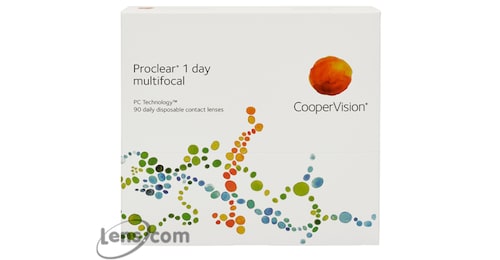
I've been wearing Proclear 1 Day for a very long time. They are comfortable and last me all day. No rips or dryness. Highly recommend!
Great
Customer Service was great put my order in quickly, and she was very friendly. Got my order within a few days very satisfied.
Thank You Lens.com
Knowledgeable
I have been comfortable physically and emotionally with the quality of the product and client support of the Team at Lens.com.