
Silicone Hydrogel Contact Lenses
Silicone hydrogel contact lenses are soft contact lenses made with a breathable lens material. They let more oxygen pass through the lens to your eyes than traditional hydrogel contacts, which can be helpful if you wear contacts for long hours.
You'll find silicone hydrogel lenses in daily, bi-weekly, monthly, toric, and multifocal options. Still, the material is only one part of the decision. The lens also needs to match your prescription contact lenses, fit your eyes well, and suit your wearing schedule.
If your current contacts feel dry, tight, or uncomfortable later in the day, silicone hydrogel lenses may be worth discussing with your eye doctor. Browse the products shown on this page to find silicone hydrogel contact lenses that fit your prescription, comfort needs, and routine.
to
to
to
to
to
to
to
to
to
to
to
to
to
to
to
to
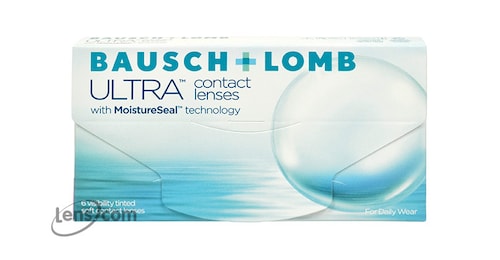
to
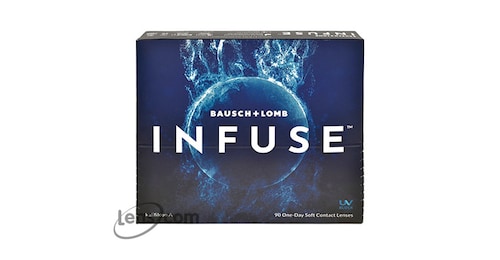
to
to
to
to
to
to
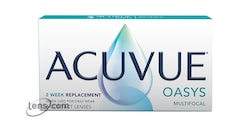
to
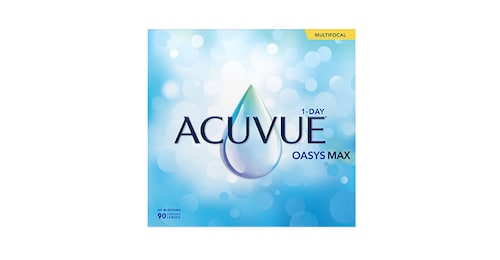
to
to
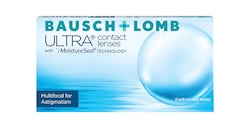
to
to
to
to
to


to
to
Why Silicone Hydrogel Contacts Can Feel Different
Silicone hydrogel contact lenses share the same general material category, but they don't all feel the same on the eye. One lens can feel smooth and easy to wear, while another can feel dry, thick, or less comfortable, even if both are silicone hydrogel.
The difference often comes from the full lens design, not just the material name. Surface feel, water content, edge shape, thickness, replacement schedule, and prescription type can all change how a lens feels during the day.
When comparing silicone hydrogel contact lenses, look at:
- Whether the lens is a daily disposable lens, bi-weekly, or monthly.
- Whether the lens is made for standard vision, astigmatism, or presbyopia.
- Whether the product comes in your exact prescription range.
- Whether the lens needs cleaning and storage after each wear.
- Whether your eyes tend to feel dry, tight, or tired later in the day.
- Whether your routine includes long screen time, air conditioning, travel, or long hours of wear.
- Whether your eye doctor prescribed that exact silicone hydrogel lens.
- Whether you're switching from a traditional hydrogel lens.
- Whether the lens is approved only for daily wear or for extended wear under a doctor's guidance.
- Whether your current comfort issues should be checked before changing materials.
Silicone hydrogel can be a good material to ask about, but the lens still has to work with your eyes. If you want to try a different silicone hydrogel product, ask your eye doctor first so the fit, prescription, and wearing schedule can be checked.
Which Silicone Hydrogel Contact Lenses Match Your Needs?
Silicone hydrogel contact lenses come in different designs, so the right option depends on what your eyes need corrected. Some are made for common prescriptions, while others are made for astigmatism or presbyopia.
Your eye doctor's fitting should guide the exact lens product, power, and replacement schedule. Once you know which lens was approved for your eyes, it's easier to compare your options online.
Everyday Vision Needs
Some silicone hydrogel contacts are made for common prescriptions such as contact lenses for nearsightedness or farsightedness. These lenses usually use power, base curve, diameter, and replacement schedule as the main prescription details.
They can come in daily, 2-week contact lenses, or monthly options depending on the product. If your prescription is for this type of lens, order the exact product name and values your eye doctor listed.
Astigmatism
Toric contact lenses made with silicone hydrogel are designed for people with astigmatism. These lenses use cylinder and axis values to help correct uneven focus.
Toric lenses also need to stay in the right position on the eye for clear vision. If your prescription includes cylinder and axis, choose the exact toric silicone hydrogel lens your eye doctor prescribed.
Presbyopia
Multifocal contacts made with silicone hydrogel can help wearers who need support for near and distance vision. These lenses can include ADD power along with the regular lens power.
Multifocal designs can vary by product, so switching without a fitting can affect clarity or comfort. Ask your eye doctor if you're unsure which silicone hydrogel multifocal lens matches your prescription.
Explore Contact Lens Options by Material and Wearing Schedule
Biofinity
Acuvue Oasys for Astigmatism
Biofinity Toric
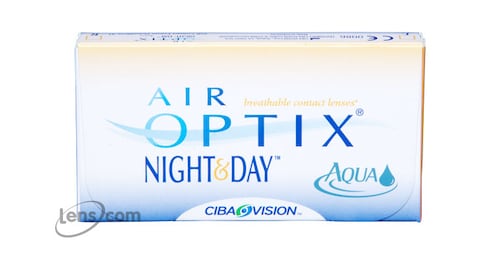
Air Optix Night & Day Aqua
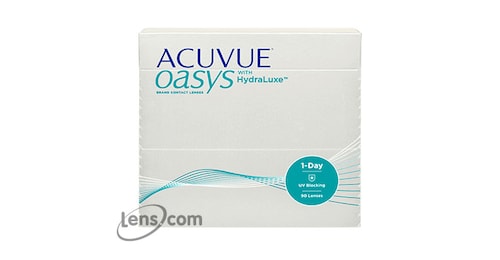
Acuvue Oasys 1-Day with Hydraluxe
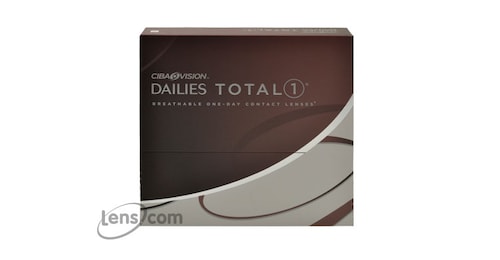
Dailies Total 1
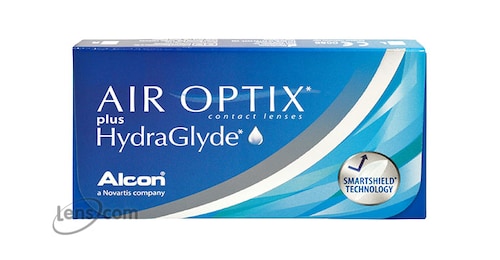
Air Optix plus HydraGlyde
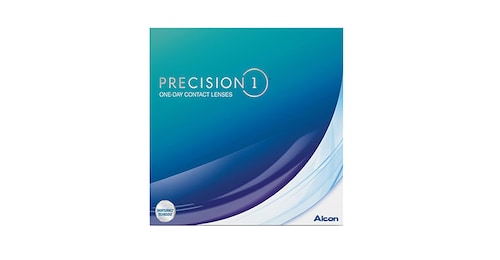
Precision1
Which Contact Lenses Fit Daily or Monthly Wear?
|
Average Cost per day
|
Contact Lens Manufacturer
|
Contact Lens Type
|
Contact Lens Material Type
|
Contact Lens Water Content Percentage
|
Contact Lens Blocks UV
|
Each Box Contains
|
Average Star Rating
|
|
|---|---|---|---|---|---|---|---|---|
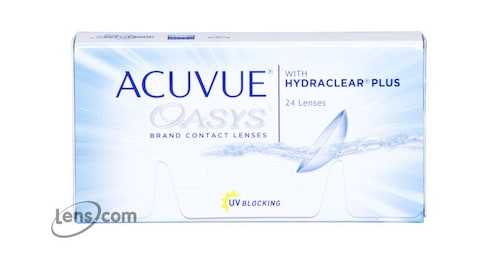
| Acuvue Oasys | $0.14 | Johnson & Johnson | Weekly | Silicone Hydrogel | 38% | 12 lenses, a 6-month supply |
|
|
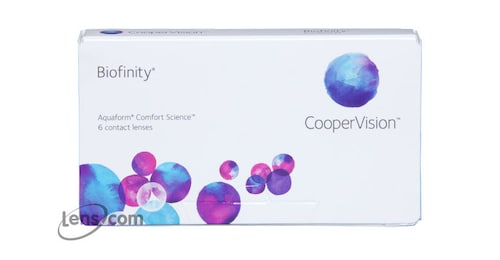
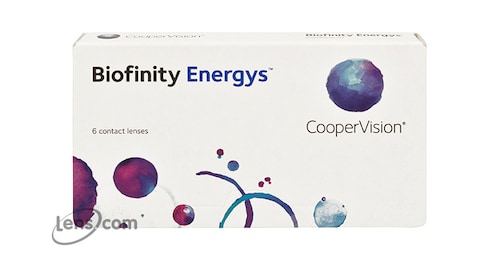
| Biofinity | $0.06 | CooperVision | Monthly | Silicone Hydrogel | 48% | 6 lenses, a 6-month supply |
|
|
| Acuvue Oasys for Astigmatism | $0.19 | Johnson & Johnson | Weekly | Silicone Hydrogel | 38% | 6 lenses, a 3-month supply |
|
|
| Biofinity Toric | $0.10 | CooperVision | Monthly | Hydrogel | 48% | 6 lenses, a 6-month supply |
|
|
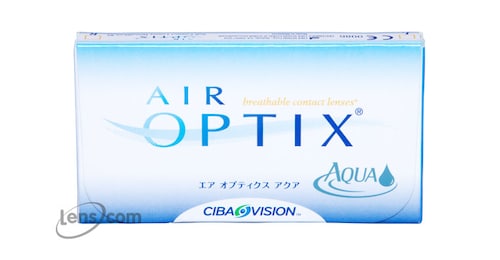
| Air Optix Night & Day Aqua | $0.12 | Alcon | Monthly | Silicone Hydrogel | 24% | 6 lenses, a 6-month supply |
|
|
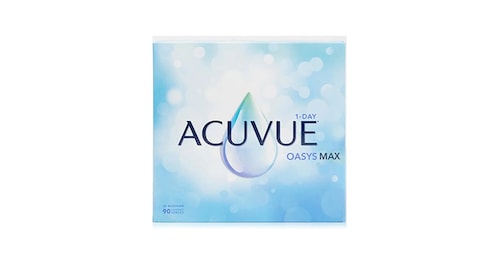
| Acuvue Oasys 1-Day with Hydraluxe | $0.48 | Johnson & Johnson | Daily | Silicone Hydrogel | 38% | 90 lenses, a 3-month supply |
|
|
| Dailies Total 1 | $0.48 | Alcon | Daily | Silicone Hydrogel | 33% | 90 lenses, a 3-month supply |
|
|
| Air Optix plus HydraGlyde | $0.09 | Alcon | Monthly | Silicone Hydrogel | 33% | 6 lenses, a 6-month supply |
|
|
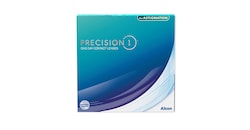
| Precision1 | $0.49 | Alcon | Daily | Silicone Hydrogel | 51% | 90 lenses, a 3-month supply |
|
|
| Biofinity Multifocal | $0.16 | CooperVision | Monthly | Silicone Hydrogel | 48% | 6 lenses, a 6-month supply |
|
|
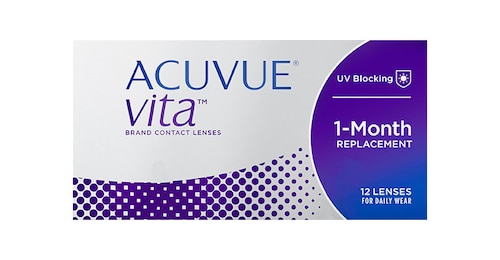
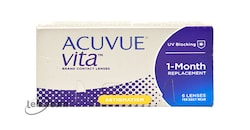
| Acuvue VITA | $0.14 | Johnson & Johnson | Monthly | Hydrogel | 41% | 12 lenses, a 12-month supply |
|
|
| Air Optix plus HydraGlyde Multifocal | $0.28 | Alcon | Monthly | Silicone Hydrogel | 33% | 6 lenses, a 6-month supply |
|
|
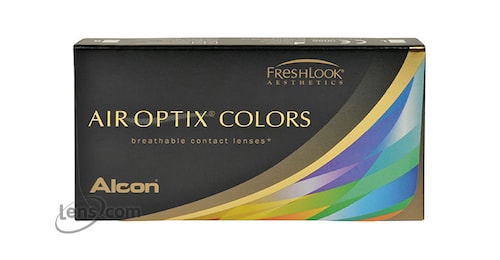
| Air Optix Colors | $0.26 | Alcon | Monthly | Silicone Hydrogel | 33% | 6 lenses, a 6-month supply |
|
|
| Acuvue Oasys 1-Day for Astigmatism | $0.85 | Johnson & Johnson | Daily | Silicone Hydrogel | 38% | 30 lenses, a 1-month supply |
|
|
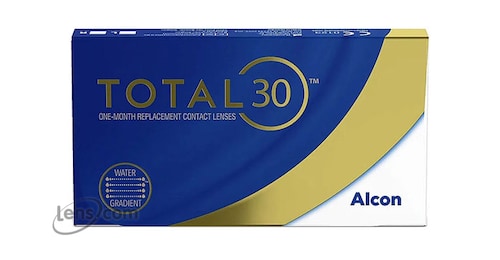
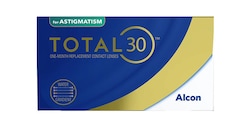
| Total30 | $0.24 | Alcon | Monthly | Silicone Hydrogel | 55% | 6 lenses, a 6-month supply |
|
How to Get Extra Savings on Silicone Hydrogel Contacts
|
box rebate
Rebate amount with a 4 box purchase
|
box rebate
Rebate amount with a 8 box purchase
|
Contact Lens Manufacturer
|
Contact Lens Type
|
Contact Lens Material Type
|
Contact Lens Water Content Percentage
|
Contact Lens Blocks UV
|
Each Box Contains
|
Average Star Rating
|
|
|---|---|---|---|---|---|---|---|---|---|
| Acuvue Oasys | $145 | -- | Johnson & Johnson | Weekly | Silicone Hydrogel | 38% | 12 lenses, a 6-month supply |
|
|
| Biofinity | $135 | -- | CooperVision | Monthly | Silicone Hydrogel | 48% | 6 lenses, a 6-month supply |
|
|
| Acuvue Oasys for Astigmatism | -- | $220 | Johnson & Johnson | Weekly | Silicone Hydrogel | 38% | 6 lenses, a 3-month supply |
|
|
| Biofinity Toric | $145 | -- | CooperVision | Monthly | Hydrogel | 48% | 6 lenses, a 6-month supply |
|
|
| Air Optix Night & Day Aqua | $105 | -- | Alcon | Monthly | Silicone Hydrogel | 24% | 6 lenses, a 6-month supply |
|
|
| Acuvue Oasys 1-Day with Hydraluxe | -- | $290 | Johnson & Johnson | Daily | Silicone Hydrogel | 38% | 90 lenses, a 3-month supply |
|
|
| Dailies Total 1 | -- | $290 | Alcon | Daily | Silicone Hydrogel | 33% | 90 lenses, a 3-month supply |
|
|
| Air Optix plus HydraGlyde | $85 | -- | Alcon | Monthly | Silicone Hydrogel | 33% | 6 lenses, a 6-month supply |
|
|
| Precision1 | -- | $290 | Alcon | Daily | Silicone Hydrogel | 51% | 90 lenses, a 3-month supply |
|
|
| Biofinity Multifocal | $145 | -- | CooperVision | Monthly | Silicone Hydrogel | 48% | 6 lenses, a 6-month supply |
|
|
| Acuvue VITA | $145 | -- | Johnson & Johnson | Monthly | Hydrogel | 41% | 12 lenses, a 12-month supply |
|
|
| Air Optix plus HydraGlyde Multifocal | $135 | -- | Alcon | Monthly | Silicone Hydrogel | 33% | 6 lenses, a 6-month supply |
|
|
| Air Optix Colors | $85 | -- | Alcon | Monthly | Silicone Hydrogel | 33% | 6 lenses, a 6-month supply |
|
|
| Acuvue Oasys 1-Day for Astigmatism | $75 | $180 | Johnson & Johnson | Daily | Silicone Hydrogel | 38% | 30 lenses, a 1-month supply |
|
|
| Total30 | $75 | -- | Alcon | Monthly | Silicone Hydrogel | 55% | 6 lenses, a 6-month supply |
|
Are Silicone Hydrogel Contacts the Same as Soft Contacts?
Silicone hydrogel contacts are a type of soft contact lens. They're flexible like other soft lenses, but the material is designed to let more oxygen pass through to the eye. Traditional hydrogel lenses and silicone hydrogel lenses can both feel comfortable depending on the wearer. The difference comes down to material, oxygen flow, water content, lens surface, and fit. Your prescription should guide the exact soft lens product you order.
Can Silicone Hydrogel Contacts Help With Long Wearing Days?
Silicone hydrogel contacts can help some wearers who need a breathable lens for longer days. Since the material allows more oxygen to reach the eye, your eye doctor might discuss it if you wear contacts from morning to evening.
Comfort still depends on more than oxygen flow. Dry air, long screen time, allergies, medications, tear film, and wearing lenses past the approved schedule can all affect how your eyes feel. When your lenses feel dry or tight late in the day, ask your eye doctor whether the material, fit, or replacement schedule should be changed. You can also compare contact lenses for all-day comfort if long wear time is one of your main concerns.
What Should You Review Before Switching to Silicone Hydrogel Contacts?
Switching to silicone hydrogel contacts should happen with your eye doctor's approval. Even if the power looks the same, the lens material, curve, diameter, thickness, surface feel, and replacement schedule can differ.
Review these points before switching:
- Why you want to switch lens materials.
- Whether your current lenses cause dryness, redness, or blurry vision.
- Whether your eye doctor has checked your tear film and lens fit.
- Whether the silicone hydrogel lens comes in your prescription range.
- Whether you need toric or multifocal correction.
- Whether the new lens has the same replacement schedule.
- Whether you want daily disposable or reusable lenses.
- Whether your current care routine would need to change.
- Whether you need a follow-up after trying the new lens.
- Whether your prescription has expired.
A new lens material can feel different on the eye. A fitting helps confirm whether the silicone hydrogel lens sits properly, moves correctly, and gives steady vision.
Are Silicone Hydrogel Contacts Good for Dry Eyes?
Silicone hydrogel contacts can be helpful for some wearers, but they're not an automatic fix for dry eyes. The material allows strong oxygen flow, yet dryness can still come from tear film issues, screen time, allergies, air conditioning, medications, or lens fit.
When your eyes feel dry during contact lens wear, do not change products on your own. Your eye doctor can check whether you need a different material, daily disposable contacts for dry eyes, contact-lens-approved rewetting drops, or changes to your wearing time. The best lens for dry-feeling eyes depends on what's causing the discomfort.
How Do Daily and Reusable Silicone Hydrogel Contacts Differ?
Daily and reusable silicone hydrogel contacts can both use breathable materials, but the routine is different. The right choice depends on your prescription, comfort needs, and how much lens care you want to do.
Daily Silicone Hydrogel Contacts
Daily silicone hydrogel contacts are worn once and thrown away after use. They don't need overnight cleaning or storage. This can be helpful if you want a fresh pair each day or only wear contacts on certain days. Check the box count closely so your supply matches your wearing habits.
Bi-Weekly And Monthly Silicone Hydrogel Contacts
Bi-weekly and monthly silicone hydrogel contacts are reused based on the schedule your eye doctor prescribed. These lenses need cleaning, a fresh solution, and proper storage after each wear. They can work well if you're comfortable with a steady care routine. Don't stretch the replacement schedule to make a box last longer.
Extended Wear Silicone Hydrogel Contacts
Some silicone hydrogel contacts are approved for extended wear, but that does not mean every silicone hydrogel lens can be slept in. Overnight wear should only happen when your eye doctor prescribed that schedule. Your eye health, lens type, and wearing history all affect whether extended wear contact lenses are appropriate.
What Habits Help Silicone Hydrogel Contacts Feel Better?
Good lens habits can help silicone hydrogel contacts feel more comfortable throughout the day. This is especially true for reusable lenses that need cleaning and storage.
- Wash and dry your hands before handling lenses.
- Follow the replacement schedule on your prescription.
- Use fresh contact lens solution for reusable lenses.
- Don't top off old solution in your lens case.
- Keep lenses away from tap water, pools, hot tubs, and showers.
- Replace your lens case based on your eye doctor's advice.
- Use only rewetting drops approved for contact lens wear.
- Wear glasses as a backup if your lenses feel uncomfortable.
- Remove lenses if you feel pain, redness, or sudden blurry vision.
- Call your eye doctor if discomfort keeps coming back.
Silicone hydrogel material doesn't replace safe lens care. How you clean, replace, and wear your contacts still affects comfort and eye health.
Can You Sleep in Silicone Hydrogel Contact Lenses?
Some silicone hydrogel contact lenses are approved for extended wear, but you should only sleep in contacts if your eye doctor prescribed that schedule. Higher oxygen flow doesn't make every silicone hydrogel lens safe for overnight wear. Sleeping in contacts can raise the risk of eye irritation or infection, especially if the lenses weren't prescribed for that use.
If you accidentally sleep in your lenses, remove them when you wake up and give your eyes a break. Call your eye doctor if you notice pain, redness, light sensitivity, discharge, or blurry vision.
How Do Silicone Hydrogel and Hydrogel Lenses Compare?
Silicone hydrogel and traditional hydrogel contacts are both soft lenses, but the materials behave differently. Your eye doctor can help compare them based on comfort, oxygen flow, lens feel, and your wearing schedule.
Oxygen Flow
Silicone hydrogel lenses are known for allowing more oxygen to pass through to the eye than traditional hydrogel lenses. This is one reason they're used for longer wearing schedules and several modern soft lens designs. Oxygen flow can support comfortable wear, but it doesn't decide everything on its own.
Water Content And Feel
Traditional hydrogel lenses usually rely more on water content for softness. Silicone hydrogel lenses balance water content with silicone-based oxygen flow. That difference can change how the lens feels, especially if your eyes are sensitive to lens thickness, edge design, or surface texture.
Choosing Between The Two
Neither material is automatically better for every wearer. Some eyes feel better in hydrogel lenses, while others do better with silicone hydrogel contacts. The right choice depends on your prescription, eye health, tear film, comfort history, and the lens product your eye doctor fitted.
When Should You Ask Your Eye Doctor About Silicone Hydrogel Contacts?
Ask your eye doctor about silicone hydrogel contacts if your current lenses feel dry, tight, or uncomfortable before the end of your wearing day. You can also ask about them if you need toric, multifocal, daily disposable, bi-weekly, or monthly lenses and want to compare material options.
Don't switch lens materials without a fitting, even when the power looks the same. Your eye doctor needs to check how the lens sits, moves, and feels on your eyes. A lens that sounds better on paper still needs to work well during real wear. Once your doctor confirms the exact product and parameters, you can order contact lenses online using your current prescription.
References
Types Of Contact Lenses. U.S. Food and Drug Administration. https://www.fda.gov/medical-devices/contact-lenses/types-contact-lenses. Accessed June 2, 2026.
Buying Contact Lenses. U.S. Food and Drug Administration. https://www.fda.gov/medical-devices/contact-lenses/buying-contact-lenses. Accessed June 2, 2026.
About Contact Lens Types. Centers for Disease Control and Prevention. https://www.cdc.gov/contact-lenses/about/about-contact-lens-types.html. Accessed June 2, 2026.
About Cleaning, Disinfecting, And Storing Contact Lenses. Centers for Disease Control and Prevention. https://www.cdc.gov/contact-lenses/about/about-cleaning-disinfecting-and-storing-contact-lenses.html. Accessed June 2, 2026.
Preventing Eye Infections When Wearing Contacts. Centers for Disease Control and Prevention. https://www.cdc.gov/contact-lenses/prevention/index.html. Accessed June 2, 2026.
Types Of Contact Lenses. American Optometric Association. https://www.aoa.org/healthy-eyes/vision-and-vision-correction/types-of-contact-lenses. Accessed June 2, 2026.
Contact Lens Care. American Optometric Association. https://www.aoa.org/healthy-eyes/vision-and-vision-correction/contact-lens-care. Accessed June 2, 2026.
Silicone Hydrogel Versus Hydrogel Soft Contact Lenses For Differences In Patient-Reported Eye Comfort And Safety. Cochrane Database of Systematic Reviews. https://pmc.ncbi.nlm.nih.gov/articles/PMC8110199/. Accessed June 2, 2026.
Popular Contact Lens Reviews
Excellent service!
This product has nothing to dislike about. It is a good quality of contact lenses and will not stop using this brand. My vision is satisfactory using Air Optix brand. Please do not stop carrying them. The sales representative was also very knowledgeable, professional, articulate and kind. My order came in before Thanksgiving and I appreciate it. She expedited sending my order so I will be happy, satisfied with my new lenses. Thank you kindly, for the excellent service !
Easy wearing
Been wearing this brand of contacts for 3 years- feel easy on the eyes, light, flexible & easy to dispose of. Say adios to buying contact solution & contact cases!
The customer service is prompt and OUTSTANDING
Lens.com is such a breeze to order contacts from, and their customer service is the best. Several boxes of contacts I ordered were lost in the mail and they so were so kind about resending me my order fast and without any extra fees. The quality of these contacts (Biofinity) is unmatched as well. I would highly recommend both Lens.com and Biofinity to anyone.
Great prices
I have ordered several times from Lens.com.
I have had no issues with orders or scripts. I love the rebate when you order 4 boxes or more. I will purchase from them again.
First time buyer
Great service, great price and very easy to order and pay. Will be back for my next order.
I have been using B+L SofLens Toric Astigmatism.
After I had been happily using them for decades, I could not reorder my contact lenses since Bausch+Lomb officially discontinued many SofLens® Toric lenses in July  2023.
As my Rx had not changed, my optometrist recommended another manufacturer, which I tried using for months, and was very disappointed.
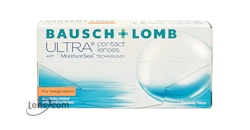
Then on the Lens.com website, I ordered B+L ULTRA for Astigmatism Contact Lenses, and they seem just the same to me as the discontinued B+L SofLens® Toric contact lens. Now I couldn't be happier!
Contacts
This particular company is trustworthy and easy to order from and their prices are competitive as well!
Dalies Rule
I have experienced dailies for the first time and will not go back to the conventional lenses. No cleaning or cleaning supplies and always comfortable. At the end of the day I forget that I have them on. Great product!
Great service
Lens.com is my go to resource for ordering my contacts each year. They provide a great product and good customer service.