Silicone Hydrogel Daily Contact Lenses
Silicone hydrogel daily contact lenses combine high oxygen transmission with a single-use replacement schedule. Their silicone hydrogel material lets more oxygen pass through the lens than conventional hydrogel, while the daily disposable format means you start each wearing day with a fresh pair. Products such as DAILIES TOTAL1, PRECISION1, ACUVUE OASYS 1-Day with HydraLuxe, ACUVUE OASYS MAX 1-Day, INFUSE One-Day, MyDay, and Clariti 1-Day use different materials and surface moisture technologies. Some also come in toric or multifocal versions. Compare the prescribed lens design, oxygen transmissibility, comfort during wear, and available pack quantities before ordering your next supply.
to
to
to
to
to
to
to
to
to
to
to
to

to

to
to
to
to
to
to
to
to
to
to
Silicone Hydrogel Dailies For Breathable Single-Use Wear
Silicone hydrogel daily contacts are flexible, single-use lenses made from materials that transmit high levels of oxygen to the cornea. Unlike reusable contacts, they're discarded after one wearing session instead of being cleaned and stored overnight. The combination of breathable material and fresh daily replacement can suit work, school, travel, exercise, and occasional contact lens wear. Available designs include spherical lenses for nearsightedness and farsightedness, toric lenses for astigmatism, and multifocal lenses for presbyopia. Your eye doctor determines which product matches your prescription and eye health.
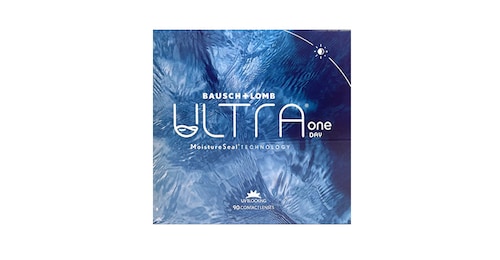
Different silicone hydrogel dailies use different moisture technologies. DAILIES TOTAL1 has a water-gradient surface, PRECISION1 uses SMARTSURFACE Technology, and ACUVUE OASYS 1-Day with HydraLuxe incorporates tear-like molecules into its material. ACUVUE OASYS MAX 1-Day uses TearStable Technology and OptiBlue Light Filter. INFUSE One-Day, MyDay, Clariti 1-Day, and ULTRA One Day have their own material and surface characteristics. These differences can affect handling and comfort, but no single feature establishes the right fit for every wearer. Match the exact product and prescription parameters before purchasing.
Why High Oxygen Flow Matters For Single-Use Wearers
The cornea receives oxygen from the surrounding air through the tear film when your eyes are open. Silicone hydrogel materials transmit more oxygen than conventional hydrogel materials of comparable thickness. Consider these factors when comparing prescribed daily lenses.
- Higher oxygen transmissibility helps more oxygen reach the cornea through the lens during approved daytime wear.
- Daily replacement eliminates overnight cleaning and storage of used lenses.
- Lens surface properties and tear film stability influence comfort during blinking and screen use.
- Water content alone doesn't determine oxygen transmission or how comfortable a lens feels.
- Toric and multifocal designs require their own prescription parameters and fitting assessments.
Oxygen transmission contributes to corneal health, but it doesn't determine every aspect of comfort. Your eye doctor also checks lens movement, tear quality, prescription accuracy, and the response of your eyes during normal wearing hours. Daily silicone hydrogel contacts must still be removed before sleep.
Fresh Daily Lens Routines And Cleaner Morning Wear
Daily disposable lenses eliminate the cleaning and storage steps required for reusable contacts. Correct handling is still necessary every time you insert or remove a pair.
Morning Start
Open a fresh sterile blister pack for each eye after washing and drying your hands. Inspect the lens for tears, debris, and proper orientation before insertion. A new pair eliminates deposits carried over from previous wearing days, but it doesn't prevent contamination from unclean hands or damaged packaging.
End-Of-Day Disposal
Remove and discard your daily silicone hydrogel lenses after one wearing session. Don't place them in a storage case, attempt to disinfect them for reuse, or save them for the following morning. Follow the wearing duration prescribed by your eye doctor, and remove the lenses earlier if discomfort or irritation develops.
Travel And Part-Time Wear
Daily disposables suit travel, workouts, and occasional contact lens use since unopened pairs can be packed for individual wearing days. Carry spare blister packs in case a lens tears or becomes contaminated. Keep prescription glasses available for flights, overnight travel, and situations where your eyes become uncomfortable. Remove contacts before sleeping or entering the water.
Silicone Hydrogel Daily Lens Options For Fresh Wear
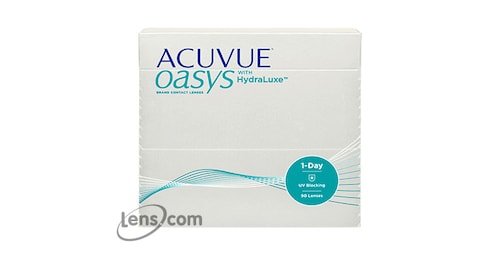
Acuvue Oasys 1-Day with Hydraluxe
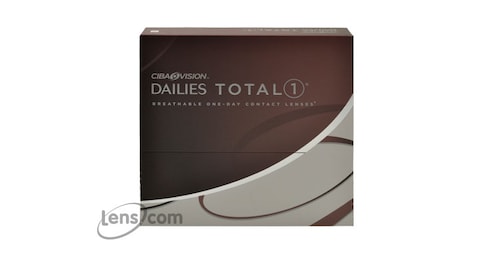
Dailies Total 1
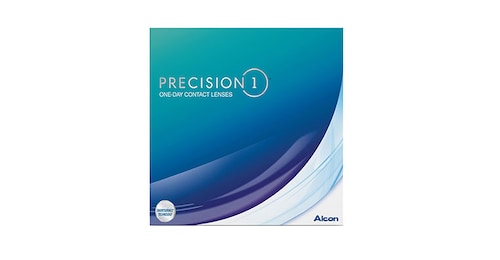
Precision1
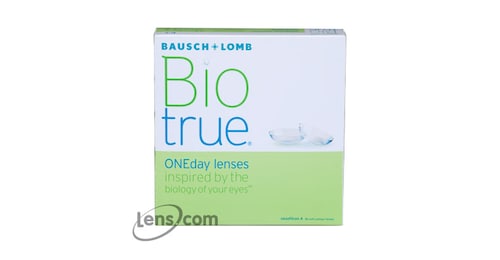
Biotrue ONEday
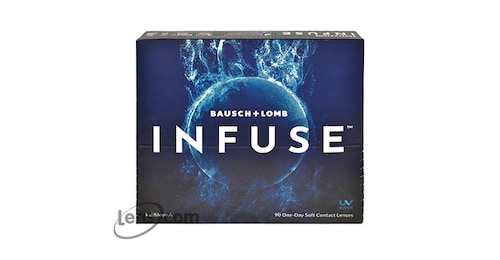
INFUSE One-Day
Dailies Total 1 Multifocal
Precision1 for Astigmatism
Clariti 1-Day
Compare Daily Silicone Hydrogel Lenses By Surface Design And Pack Size
|
Average Cost per day
|
Contact Lens Manufacturer
|
Contact Lens Type
|
Contact Lens Material Type
|
Contact Lens Water Content Percentage
|
Contact Lens Blocks UV
|
Each Box Contains
|
Average Star Rating
|
|
|---|---|---|---|---|---|---|---|---|
| Acuvue Oasys 1-Day with Hydraluxe | $1.29 | Johnson & Johnson | Daily | Silicone Hydrogel | 38% | 90 lenses, a 3-month supply |
|
|
| Dailies Total 1 | $1.51 | Alcon | Daily | Silicone Hydrogel | 33% | 90 lenses, a 3-month supply |
|
|
| Precision1 | $0.96 | Alcon | Daily | Silicone Hydrogel | 51% | 90 lenses, a 3-month supply |
|
|
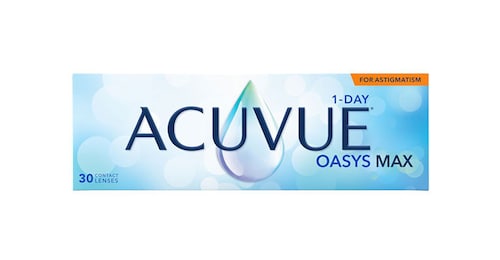
| Acuvue Oasys 1-Day for Astigmatism | $1.54 | Johnson & Johnson | Daily | Silicone Hydrogel | 38% | 30 lenses, a 1-month supply |
|
|
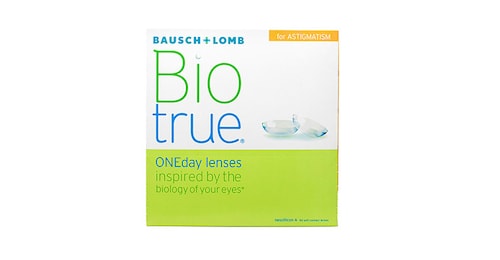
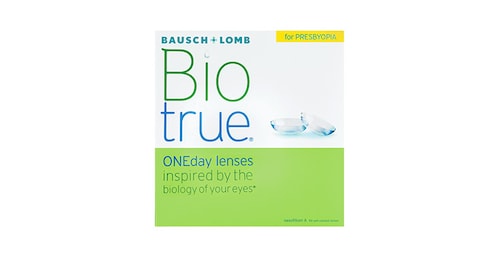
| Biotrue ONEday | $0.94 | Bausch & Lomb | Daily | Hydrogel | 78% | 90 lenses, a 3-month supply |
|
|
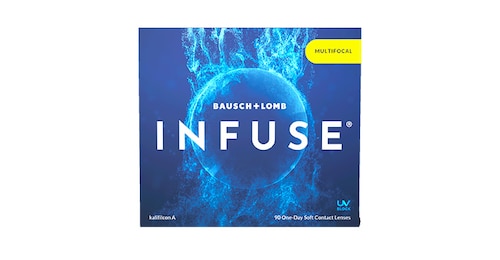
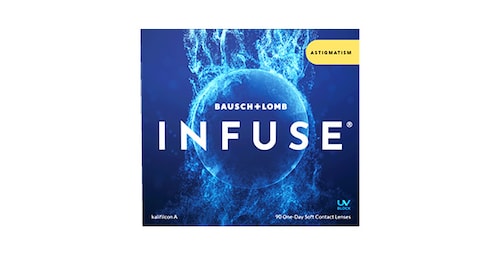
| INFUSE One-Day | $1.37 | Bausch & Lomb | Daily | Silicone Hydrogel | 55% | 90 lenses, a 3-month supply |
|
|
| Dailies Total 1 Multifocal | $1.83 | Alcon | Daily | Silicone Hydrogel | 33% | 90 lenses, a 3-month supply |
|
|
| Precision1 for Astigmatism | $1.30 | Alcon | Daily | Silicone Hydrogel | 51% | 90 lenses, a 3-month supply |
|
|
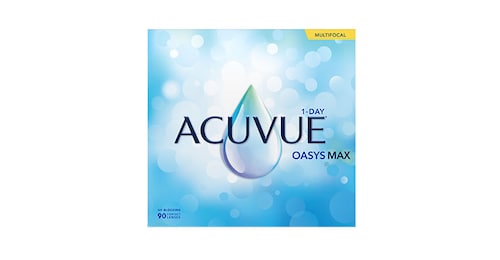
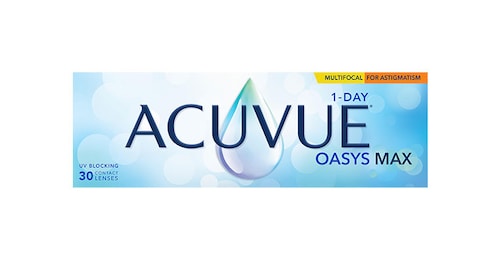
| Acuvue Oasys Max 1-Day Multifocal | $1.93 | Johnson & Johnson | Monthly | Silicone Hydrogel | 38% | 30 lenses, a 1-month supply |
|
|
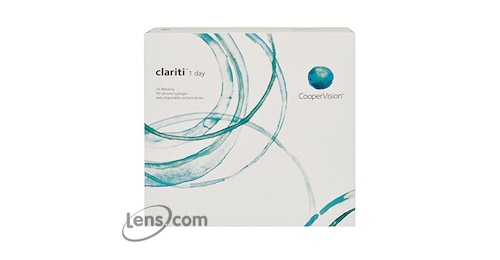
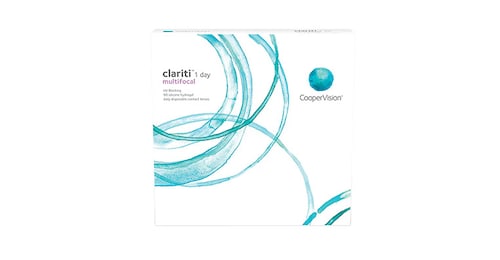
| Clariti 1-Day | $0.84 | CooperVision | Daily | Silicone Hydrogel | 56% | 90 lenses, a 3-month supply |
|
|
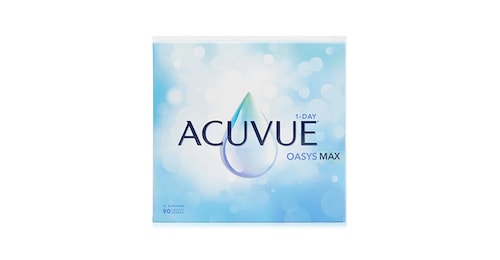
| Acuvue Oasys Max 1-Day | $1.53 | Johnson & Johnson | Daily | Silicone Hydrogel | 38% | 30 lenses, a 1-month supply |
|
|
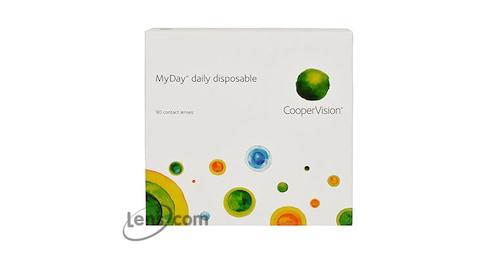
| MyDay Daily Disposable | $1.04 | CooperVision | Daily | Silicone Hydrogel | 54% | 90 lenses, a 3-month supply |
|
|
| MyDay Daily Disposable Toric | $1.18 | CooperVision | Daily | Silicone Hydrogel | 54% | 90 lenses, a 3-month supply |
|
|
| Dailies Total 1 for Astigmatism | $1.74 | Alcon | Daily | Silicone Hydrogel | 33% | 90 lenses, a 3-month supply |
|
|
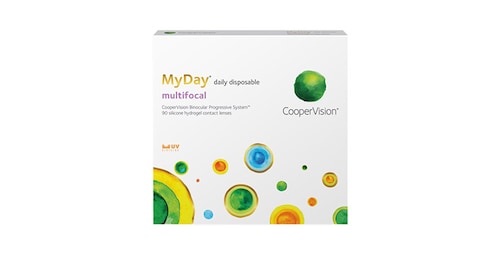
| MyDay Daily Disposable Multifocal | $1.70 | CooperVision | Daily | Silicone Hydrogel | 54% | 90 lenses, a 3-month supply |
|
Rebate Savings For Silicone Hydrogel Daily Lens Refills
|
box rebate
Rebate amount with a 8 box purchase
|
box rebate
Rebate amount with a 2 box purchase
|
box rebate
Rebate amount with a 4 box purchase
|
Contact Lens Manufacturer
|
Contact Lens Type
|
Contact Lens Material Type
|
Contact Lens Water Content Percentage
|
Contact Lens Blocks UV
|
Each Box Contains
|
Average Star Rating
|
|
|---|---|---|---|---|---|---|---|---|---|---|
| Acuvue Oasys 1-Day with Hydraluxe | $90 | -- | -- | Johnson & Johnson | Daily | Silicone Hydrogel | 38% | 90 lenses, a 3-month supply |
|
|
| Dailies Total 1 | $150 | -- | -- | Alcon | Daily | Silicone Hydrogel | 33% | 90 lenses, a 3-month supply |
|
|
| Precision1 | $105 | -- | -- | Alcon | Daily | Silicone Hydrogel | 51% | 90 lenses, a 3-month supply |
|
|
| Acuvue Oasys 1-Day for Astigmatism | $160 | $20 | -- | Johnson & Johnson | Daily | Silicone Hydrogel | 38% | 30 lenses, a 1-month supply |
|
|
| Biotrue ONEday | $100 | -- | -- | Bausch & Lomb | Daily | Hydrogel | 78% | 90 lenses, a 3-month supply |
|
|
| INFUSE One-Day | $110 | -- | -- | Bausch & Lomb | Daily | Silicone Hydrogel | 55% | 90 lenses, a 3-month supply |
|
|
| Dailies Total 1 Multifocal | $100 | -- | -- | Alcon | Daily | Silicone Hydrogel | 33% | 90 lenses, a 3-month supply |
|
|
| Precision1 for Astigmatism | $135 | -- | -- | Alcon | Daily | Silicone Hydrogel | 51% | 90 lenses, a 3-month supply |
|
|
| Acuvue Oasys Max 1-Day Multifocal | $100 | -- | -- | Johnson & Johnson | Monthly | Silicone Hydrogel | 38% | 30 lenses, a 1-month supply |
|
|
| Clariti 1-Day | $100 | -- | -- | CooperVision | Daily | Silicone Hydrogel | 56% | 90 lenses, a 3-month supply |
|
|
| Acuvue Oasys Max 1-Day | $100 | -- | -- | Johnson & Johnson | Daily | Silicone Hydrogel | 38% | 30 lenses, a 1-month supply |
|
|
| MyDay Daily Disposable | $95 | -- | -- | CooperVision | Daily | Silicone Hydrogel | 54% | 90 lenses, a 3-month supply |
|
|
| MyDay Daily Disposable Toric | $70 | -- | -- | CooperVision | Daily | Silicone Hydrogel | 54% | 90 lenses, a 3-month supply |
|
|
| Dailies Total 1 for Astigmatism | $90 | -- | -- | Alcon | Daily | Silicone Hydrogel | 33% | 90 lenses, a 3-month supply |
|
|
| MyDay Daily Disposable Multifocal | $180 | -- | -- | CooperVision | Daily | Silicone Hydrogel | 54% | 90 lenses, a 3-month supply |
|
Do Silicone Hydrogel Materials Help Reduce Redness On Long Days?
Yes, silicone hydrogel daily contacts can reduce oxygen-related stress on the cornea because their materials transmit more oxygen than conventional hydrogel lenses. Adequate oxygen transmission helps maintain normal corneal function, but it doesn't prevent every cause of eye redness. Dryness, allergies, inflammation, an unsuitable fit, lens damage, and wearing contacts beyond the prescribed period can also cause irritation. DAILIES TOTAL1, PRECISION1, ACUVUE OASYS 1-Day with HydraLuxe, and INFUSE One-Day use different materials and moisture designs, so their performance must be evaluated during fitting. Don't assume redness is harmless because your lenses have high oxygen transmissibility. Remove your contacts if your eyes become red, painful, unusually watery, or sensitive to light, and seek prompt professional assessment.
Do You Need A New Prescription To Switch Materials?
Yes. Switching from conventional hydrogel contacts to silicone hydrogel daily lenses requires approval from your eye doctor and a fitting for the new product. Lens materials, diameters, curvatures, edge designs, and surface characteristics differ between products. Even lenses with identical corrective powers can move or feel different on your eyes.
Before Leaving Hydrogel Dailies
- Ask your eye doctor which silicone hydrogel daily products are available for your prescription.
- Check the new product's sphere power, base curve, diameter, and any toric or multifocal parameters.
- Describe recurring dryness, redness, or blurry vision with your current contacts.
- Complete a trial fitting rather than switching products based only on oxygen transmissibility.
Your eye doctor will assess how the new material interacts with your tear film and how the lens centers and moves during blinking. A higher oxygen measurement doesn't automatically mean the replacement product will be more comfortable.
Before Ordering A Larger Supply
- Wear the trial lenses for the daily duration recommended by your eye doctor.
- Evaluate clarity and comfort during computer work, reading, commuting, and outdoor activities.
- Record when dryness, lens awareness, or fluctuating vision develops in either eye.
- Confirm the final product name and prescription values before purchasing additional boxes.
Traditional Hydrogel Compared With Silicone Hydrogel Materials
Hydrogel and silicone hydrogel are both soft contact lens materials, but they differ in how oxygen reaches the cornea. Both can be used in daily disposable lenses. Your eye doctor evaluates the material alongside lens fit, surface characteristics, and tear quality.
Traditional Hydrogel
Conventional hydrogel lenses rely largely on their water content to transmit oxygen. Their oxygen permeability varies with the material and its water percentage. A higher water content doesn't automatically mean better moisture retention during wear. Hydrogel contacts can still be comfortable for people whose prescription, eye health, and tear film suit the selected product.
Silicone Hydrogel
Silicone hydrogel incorporates silicone components that transmit more oxygen through the lens material. This permits high oxygen permeability without requiring an equally high water percentage. The material can help reduce oxygen-related corneal changes during prescribed wear, but comfort also depends on surface wettability, lens movement, and individual tear film characteristics.
Daily Lens Design
Two silicone hydrogel daily products can behave differently despite belonging to the same material category. DAILIES TOTAL1 uses Water Gradient Technology, PRECISION1 incorporates SMARTSURFACE Technology, and ACUVUE OASYS MAX 1-Day uses TearStable Technology. Clariti 1-Day has its own silicone hydrogel design. Compare the fitted products based on vision, comfort, handling, and the approved wearing schedule rather than material alone.
Safe Insertion Tips For Thin Daily Disposables
Daily disposable silicone hydrogel lenses require careful handling because their thin, flexible materials can tear or fold during insertion. Check each lens before putting it on your eye.
- Wash your hands thoroughly with soap and water, then dry them with a clean, lint-free towel.
- Open the sterile blister pack carefully without catching the lens against the packaging edge.
- Place the lens on your fingertip and check its orientation, surface, and edges before insertion.
- Handle the lens using the pads of your fingers rather than your fingernails to avoid punctures or tears.
- Discard a torn, damaged, or contaminated lens and open a fresh sterile blister pack.
Don't force a damaged lens onto your eye or reuse one that has been removed. If insertion repeatedly causes irritation or difficulty, ask your eye doctor to review your handling technique. Remove the lens if you develop pain, persistent redness, or blurry vision.
Moisture Features For Air-Conditioned Rooms
Air-conditioned rooms can contribute to contact lens dryness by reducing humidity and increasing tear evaporation. Direct airflow from vents and prolonged screen attention can make symptoms more noticeable. Silicone hydrogel daily products use different surface technologies, but their moisture characteristics don't eliminate environmental dryness.
Water-Gradient Surface
DAILIES TOTAL1 uses delefilcon A silicone hydrogel with Water Gradient Technology. Its material has a 33% water-content core and a surface approaching 100% water, creating a highly hydrated interface with the tear film. The surface design is intended to maintain a lubricated feeling during blinking. Individual comfort still depends on tear quality, lens fit, and wearing conditions.
Moisture-Rich Surface Layer
PRECISION1 uses verofilcon A silicone hydrogel with SMARTSURFACE Technology. The lens has a thin, moisture-rich outer layer with more than 80% water at the surface. This construction differs from the water-gradient design used by DAILIES TOTAL1. Your eye doctor can assess how its surface characteristics and fitting measurements work with your eyes during normal activities.
Tear-Inspired Designs
ACUVUE OASYS 1-Day with HydraLuxe incorporates tear-like molecules into its senofilcon A silicone hydrogel material. ACUVUE OASYS MAX 1-Day uses TearStable Technology to help retain moisture within the lens and on the ocular surface. Both follow daily disposable replacement schedules, but they have different designs. If dryness develops in an air-conditioned environment, consider room airflow and blinking habits alongside your lens prescription.
Are Breathable Dailies Good For Computer Work?
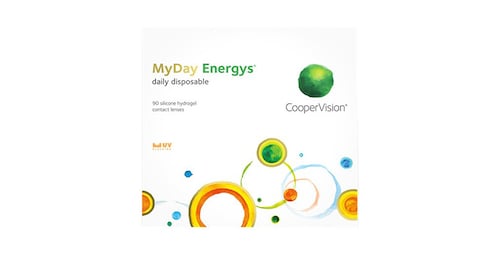
Silicone hydrogel daily contacts can correct vision during computer work when the prescribed lenses fit properly and maintain stable vision. Their high oxygen transmissibility contributes to corneal health, but it doesn't prevent all screen-related dryness. Prolonged digital device use can reduce blinking frequency and increase incomplete blinks, leaving the tear film less stable over the lens surface. ACUVUE OASYS MAX 1-Day, ACUVUE OASYS 1-Day with HydraLuxe, DAILIES TOTAL1, PRECISION1, and MyDay Energys have different material and surface technologies for daily wear. No single product eliminates digital eye strain or dryness for every wearer. Blink fully, take regular visual breaks, and keep direct air vents away from your face. If screen text becomes blurry later in the day, record whether blinking clears the blur and discuss recurring symptoms with your eye doctor.
Reading Oxygen Transmissibility On A Daily Lens Page
Oxygen transmissibility, written as Dk/t, measures how readily oxygen passes through a contact lens at a specified thickness. It's different from material oxygen permeability (Dk) and the lens's water content. Compare measurements carefully when reviewing daily silicone hydrogel products.
- A higher Dk/t value indicates greater oxygen transmission through the measured lens at the stated conditions.
- Water content describes the proportion of water within the lens material and doesn't directly measure oxygen transmissibility.
- Lens thickness affects Dk/t, so measurements should be compared using the stated lens power or thickness conditions.
- Surface moisture technologies can influence wettability and blinking comfort independently of oxygen transmissibility.
- The correct prescription, lens fit, and approved wearing schedule determine whether a product is suitable for your eyes.
Dk/t is useful for understanding a lens's oxygen performance, but it isn't a comfort score. A lens with high oxygen transmission can still cause irritation if it fits poorly or interacts badly with your tear film. Your eye doctor evaluates these factors during fitting.
What Low Oxygen Flow Can Mean For Lens Wearers
Insufficient oxygen reaching the cornea during contact lens wear can contribute to corneal swelling, redness, and changes in normal corneal function. The risk depends on lens oxygen transmissibility, wearing duration, fit, and whether the eyes remain closed during sleep. Silicone hydrogel lenses transmit more oxygen than conventional hydrogel materials, reducing certain oxygen-related concerns during approved daytime wear. They don't eliminate infections, dryness, or irritation from other causes. Daily disposable lenses must be removed before sleeping and discarded after one wearing session. If you notice persistent redness, pain, light sensitivity, discharge, or blurred vision, remove your contacts and seek prompt professional assessment. Don't continue wearing lenses to test whether the symptoms improve.
Eco-Minded Disposal Steps For Single-Use Lenses
Daily disposable lenses create waste through used lenses, blister packs, and packaging. Correct disposal keeps used contacts out of wastewater without changing the prescribed single-use schedule.
- Discard worn daily contact lenses in household trash rather than flushing them down toilets or sinks.
- Separate blister packaging and foil components when required by the recycling program accepting them.
- Check local recycling rules or contact lens recycling programs before placing packaging in a recycling bin.
- Don't clean, store, or reuse daily disposable lenses to reduce waste, since they're intended for one wearing session.
- Keep prescription glasses available for lens-free days rather than extending the use of a worn pair.
Recycling acceptance differs by location and packaging material. Follow your local collection requirements and use a designated contact lens recycling program when available. Discard used lenses after removal, regardless of whether the packaging can be recycled.
References
1 Day Silicone Hydrogel Contact Lenses. https://www.lens.com/contact-lenses/1-day-silicone-hydrogel-contact-lenses/. Accessed July 8, 2026.
ACUVUE OASYS 1-Day with HydraLuxe Contact Lenses. https://www.lens.com/contact-lenses/acuvue-oasys-1-day/. Accessed July 8, 2026.
ACUVUE OASYS MAX 1-Day Contact Lenses. https://www.lens.com/contact-lenses/acuvue-oasys-max-1-day/. Accessed July 8, 2026.
About Contact Lens Types. https://www.cdc.gov/contact-lenses/about/about-contact-lens-types.html. Accessed July 8, 2026.
DAILIES TOTAL1 Contact Lenses. https://www.lens.com/contact-lenses/dailies-total-1/. Accessed July 8, 2026.
PRECISION1 Contact Lenses. https://www.lens.com/contact-lenses/precision-1/. Accessed July 8, 2026.
Silicone Hydrogel Contact Lenses. https://coopervision.com/about-contacts/silicone-hydrogel-contact-lenses. Accessed July 8, 2026.
Types Of Contact Lenses. https://www.fda.gov/medical-devices/contact-lenses/types-contact-lenses. Accessed July 8, 2026.
Popular Contact Lens Reviews
Easy wearing
Been wearing this brand of contacts for 3 years- feel easy on the eyes, light, flexible & easy to dispose of. Say adios to buying contact solution & contact cases!
First time buyer
Great service, great price and very easy to order and pay. Will be back for my next order.
Great contact lens
These lens fit well and stay comfortable no matter my activity. Very good value for keeping my eyes seeing as well as possible.
Dalies Rule
I have experienced dailies for the first time and will not go back to the conventional lenses. No cleaning or cleaning supplies and always comfortable. At the end of the day I forget that I have them on. Great product!
Great
Customer Service was great put my order in quickly, and she was very friendly. Got my order within a few days very satisfied.
Thank You Lens.com
Knowledgeable
I have been comfortable physically and emotionally with the quality of the product and client support of the Team at Lens.com.
Great experience
Great experience buying my lenses with Lens, super fast delivery and great service via email. I will definitely buy more often.
Confortable
I love my news contact lenses. I feel confortable with them
Game Changer
I am a 61-year-old woman who's been wearing contact lenses for decades and finding it harder and harder to wear them for a full day without a lot of discomfort and constant rewetting. I was also waking up with super red eyes. The Clariti 1-day lenses, recommended by my optometrist, have been a game changer. I needed a few days to adjust to them but, after that, I have been able to wear them comfortably for a full day (for me, that's typically 7 a.m.-7 p.m., sometimes longer) with little need for rewetting drops. Daily lenses are more expensive but, for me, well worth it as someone who doesn't like wearing glasses all day or for work.