Eye health declines so gradually that early damage goes completely unnoticed. According to the U.S. Centers for Disease Control and Prevention (CDC), approximately 11 million Americans aged 12 and older require vision correction, with many sight-threatening conditions showing zero early symptoms.
Comprehensive eye exams bridge this gap by detecting microscopic and structural changes early, expanding your treatment options and safeguarding long-term vision.
Routine eye care extends far beyond updating prescriptions. It’s a vital window into broader health, identifying complications linked to aging, diabetes, and hypertension. Even so, CDC data reveals that 40% of U.S. adults at high risk for vision loss did not receive an eye exam or consult an eye doctor in the previous year, underscoring the urgent need to recognize when a checkup is overdue.
Common Reasons to See an Eye Doctor
Many eye problems start with subtle symptoms that can be dismissed easily. Others appear abruptly and need immediate attention. Any of these symptoms warrants a visit to your eye doctor.

Blurred or Changing Vision
If your vision becomes blurry or if it becomes harder to see clearly at certain distances, schedule an eye exam. Gradual changes may require an updated prescription, but sudden changes can mean an underlying problem that requires prompt evaluation.
Persistent Pain or Discomfort
You should not feel any constant pain or irritation in your eyes as you go about your day. Persistent pain, burning, stinging, or a gritty sensation may be caused by dry eye, inflammation, infection, or another condition that needs proper diagnosis and treatment.
Redness, Swelling, or Discharge
It is normal to experience occasional mild redness due to exhausted dry eyes, seasonal allergies, or exposure to cold, dry air. But if these symptoms fail to go away, you probably need to visit your doctor. Persistent redness, swollen eyelids, or unusual discharge may indicate an infection or inflammation.
Flashes, Floaters, or Shadows in Your Vision
A few floaters can be a normal part of aging, but you should not ignore a sudden increase in floaters or flashes of light. A curtain-like shadow or missing area in your vision may be a sign of a retinal problem that requires urgent care.
Frequent Headaches or Eye Strain
Headaches, tired eyes, or difficulty focusing after reading or using digital devices are sometimes linked to eye problems. An eye doctor can determine whether an outdated prescription, focusing issue, or another eye condition is the source of these symptoms.
Difficulty Seeing at Night
Struggling to see clearly at night? Noticing halos around streetlights or taking longer to adjust when walking into a dim room may be a sign your eyes need attention. Poor night vision can stem from several manageable conditions, and an optometrist can help you spot the cause before it compromises your safety.
Discomfort When Wearing Contact Lenses
Wearing prescription contact lenses should feel natural. If you are constantly dealing with dry, bloodshot eyes, fuzzy vision, or that annoying scratchy feeling, avoid toughing it out. An eye doctor can tweak your lens fit, troubleshoot your cleaning routine, or swap you over to a lens material that works for your eyes.
Eye Injuries or Chemical Exposure
Even seemingly minor eye trauma can trigger serious long-term complications if ignored. Scratches, foreign particles, blunt force, and chemical exposures require prompt evaluation, particularly when accompanied by redness, persistent pain, or changes in your vision.
Persistent Eye Twitching or Eyelid Changes
Eyelid twitches are common and usually clear up after a good sleep. However, persistent twitching that lasts for days or weeks warrants a closer look from your eye doctor. If spasms spread to other parts of your face, cause your eyelid to droop, or interfere with your ability to see clearly, an optometrist can help identify the root cause and recommend the right treatment.
Changes in Peripheral Vision, Color Vision, or Depth Perception
Subtle shifts, like losing peripheral awareness, struggling to judge depth, or finding it hard to tell similar colors apart, are easy to overlook, but they often signal underlying issues. An optometrist can assess these non-clarity symptoms to check for conditions affecting the retina, optic nerve, or even your overall neural health.
People Who Need Regular Monitoring
Eye care is as reactive as it is preventive. Certain risk factors make proactive monitoring essential for protecting long-term vision. Routine eye exams are critical for:

ntial for protecting long-term vision. Routine eye exams are critical for:
- Kids and teenagers: Uncorrected vision problems directly hinder academic and physical development. Routine exams spot tracking issues and refractions early.
- Adults in their 40s: Early signs of presbyopia and age-related eye conditions start quietly in your 40s, making routine exams important.
- Older adults: The probability of developing glaucoma, macular degeneration, or cataracts increases significantly with age, especially for those 60 years old and above. Ongoing monitoring ensures timely intervention.
- Contact lens users: Wearing contacts inherently carries risks like dryness or corneal irritation. Regular checkups audit your lens fit and overall eye health.
- Diabetic patients: Diabetic retinopathy is a leading cause of vision loss, yet it rarely causes early pain or blurry sight. Annual dilated exams are a must.
- Individuals with hypertension: High blood pressure damages ocular blood vessels over time, which an eye doctor can detect during a comprehensive exam.
- Those with a genetic predisposition: Hereditary conditions like glaucoma can steal vision without warning. A family history warrants closer, more frequent monitoring.
- Patients on high-risk medications: Certain prescription drugs carry ocular side effects. Routine monitoring helps balance medical therapy with eye safety.
- People managing chronic inflammatory conditions: Autoimmune diseases often manifest in the eyes through uveitis or severe dry eye, requiring coordinated medical care.
Vision Screening vs. Comprehensive Eye Exam
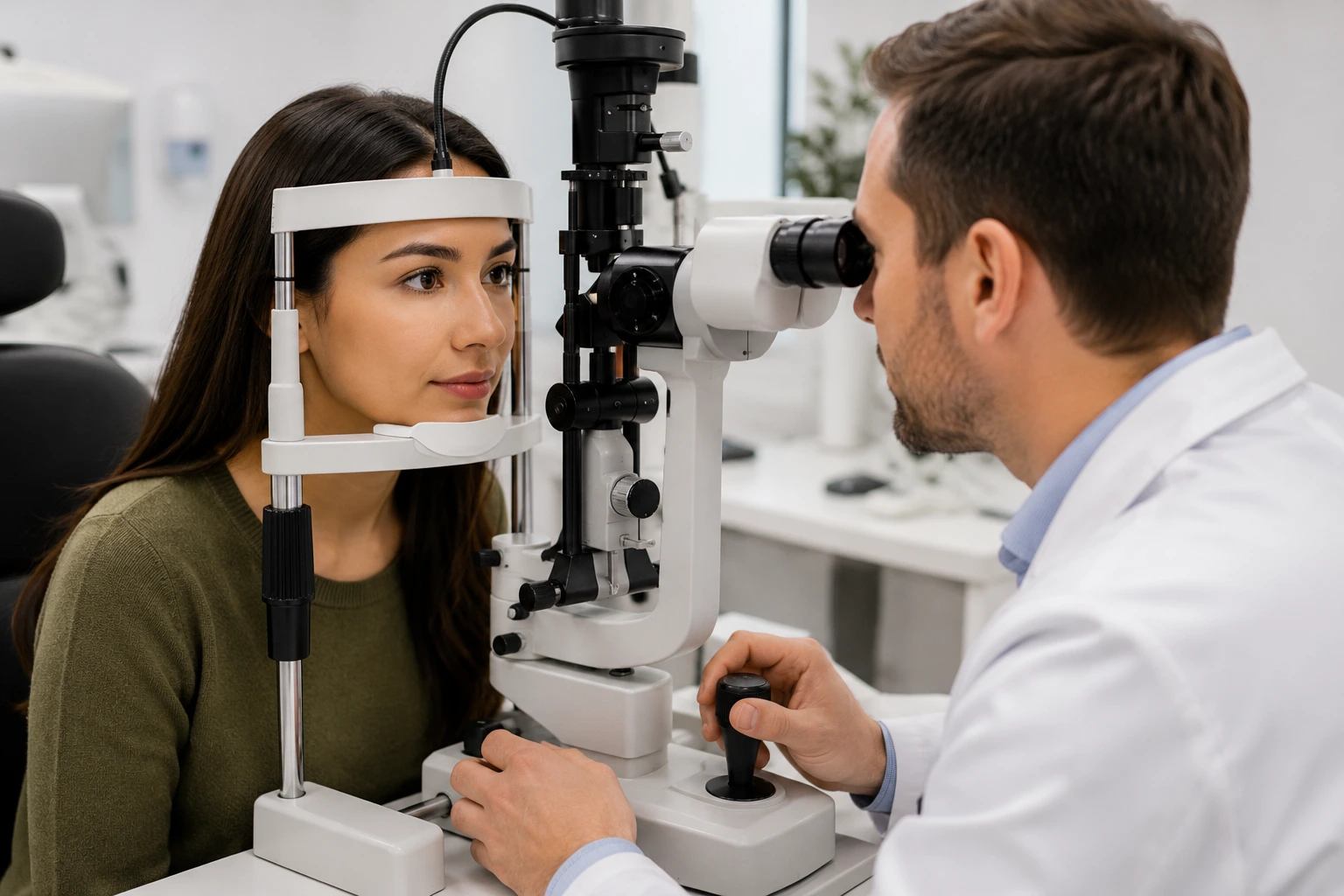
Vision screenings offer a quick, high-level check to spot obvious visual difficulties. A full medical exam thoroughly evaluates your ocular health, eye alignment, and internal structures. Recognizing how they differ helps you decide the appointment you need.
Vision Screening
A vision screening is a brief assessment meant to flag noticeable vision deficits. While commonly offered in schools, offices, or primary care clinics, a screening lacks the diagnostic tools to evaluate overall ocular health.
- Measures distance acuity: Evaluates how clearly you read standard charts at fixed distances.
- Identifies major refractive errors: Spots obvious signs of nearsightedness, farsightedness, or astigmatism that warrant follow-up.
- Administered by non-specialists: Conducted by general medical personnel, school nurses, or trained staff rather than optometrists or ophthalmologists.
- Lacks diagnostic depth: Cannot assess internal eye structures, blood vessels, or silent conditions that show no initial symptoms.
Comprehensive Eye Exam
A comprehensive eye exam is a complete medical evaluation of your visual system and overall ocular health. Performed by an optometrist or ophthalmologist, it delivers a tailored assessment based on your medical profile.
- Refines lens prescriptions: Determines precise corrections for glasses or contacts to ensure optimal visual clarity.
- Inspects internal and external structures: Examines the cornea, lens, retina, and optic nerve for microscopic changes or early pathology.
- Provides early disease detection: Identifies sight-threatening conditions, including glaucoma, diabetic retinopathy, and macular degeneration, in their earliest, most treatable stages.
- Incorporates dilated retinal exams: Temporarily widens the pupils to allow an unobstructed, detailed view of the tissue at the back of the eye.
- Deploys advanced diagnostic tools: Measures intraocular pressure, tracks peripheral field function, and captures high-resolution retinal imaging tailored to your needs.
Kinds of Eye Exams
Eye exams aren’t one-size-fits-all. The type of exam you receive depends on your age, vision needs, medical history, and whether you’re visiting for routine care, a specific symptom, or ongoing monitoring of an eye condition.
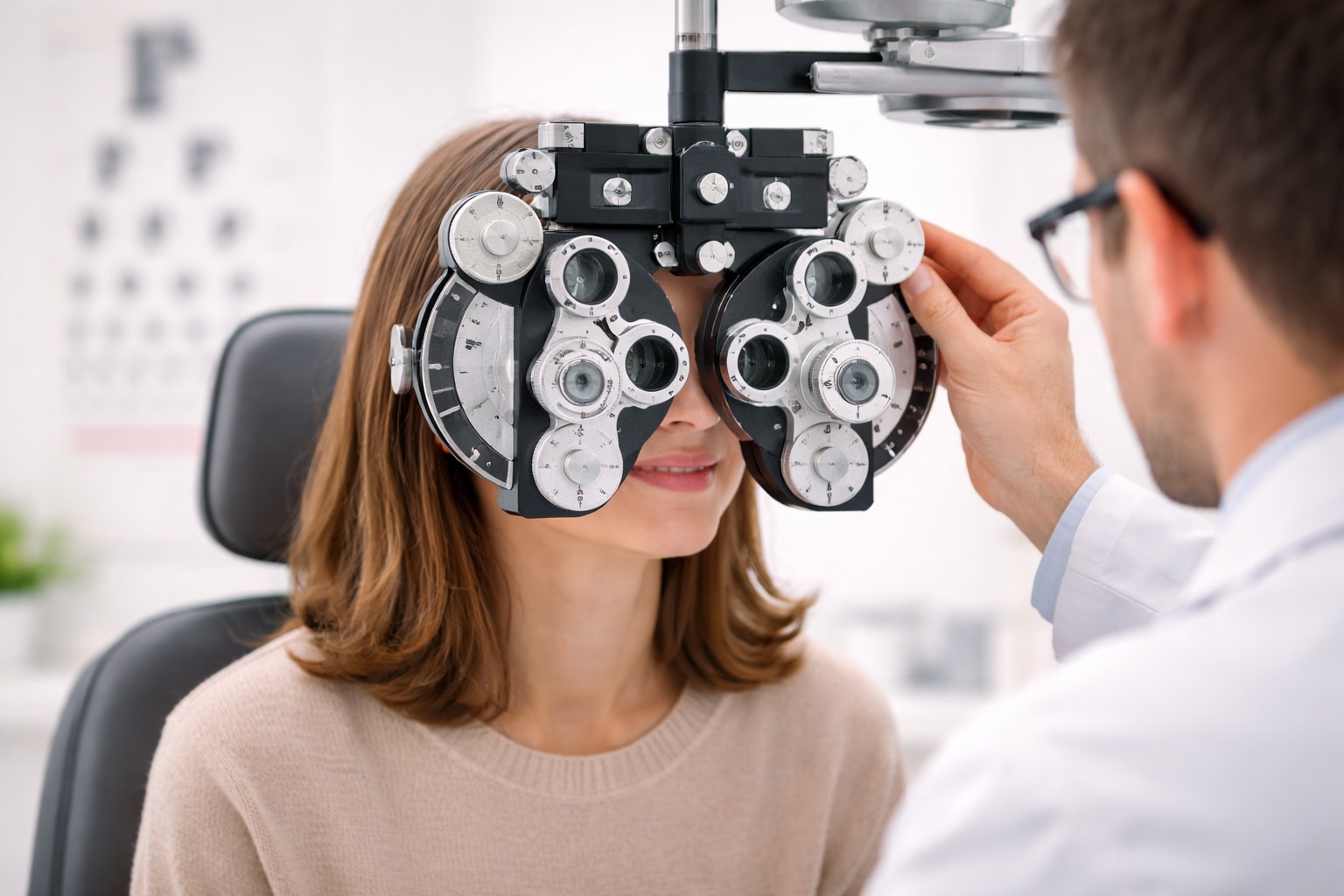
Routine Comprehensive Eye Exam
A preventative baseline checkup evaluating both visual acuity and structural health. Advised for all age groups to detect silent, progressive ocular conditions in their earliest stages.
Contact Lens Exam and Fitting
Combines standard diagnostic tests with precise corneal topography and tear-film assessments. Necessary for new wearers, lens prescription updates, or troubleshooting persistent lens discomfort.
Pediatric Eye Exam
Specialized assessments tracking ocular alignment and visual tracking in developing children. Crucial for catching amblyopia (lazy eye), strabismus, and refractive errors that impede learning.
Diabetic Eye Exam
Targeted screening designed to inspect retinal vascular health via pupil dilation. Mandatory for diabetic patients to identify microvascular damage before permanent vision loss occurs.
Medical Eye Exam
Symptom-focused clinical care for diagnosing and managing acute or chronic conditions, such as glaucoma, dry eye syndrome, ocular infections, or persistent inflammation.
What to Expect During an Eye Doctor Visit
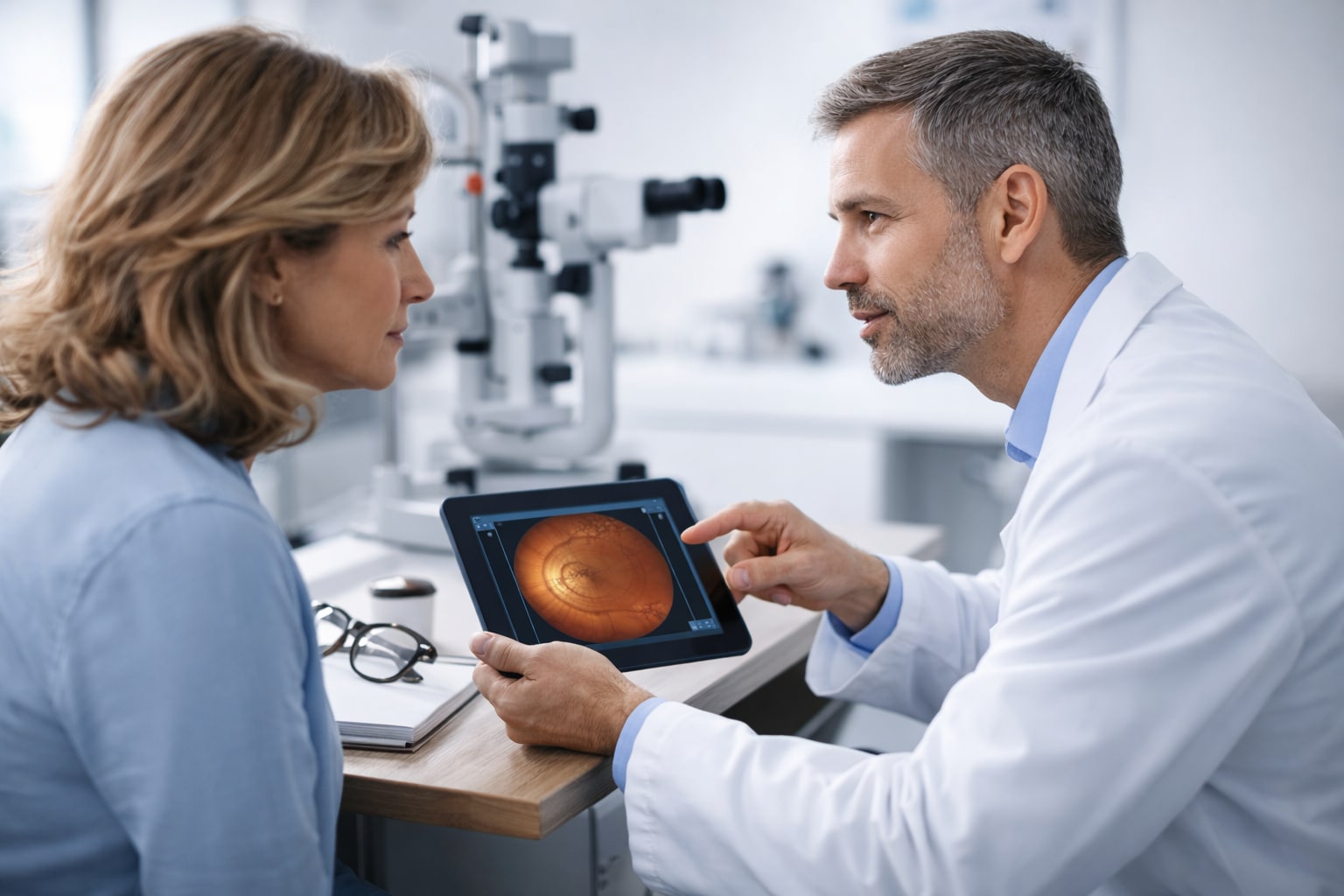
Understanding the steps of a comprehensive eye exam helps you understand the process and sets clear expectations. Your eye doctor will tailor each step to your medical history, but most checkups encompass these core evaluations:
- Medical Profile Review: An initial consultation covering current symptoms, previous ocular history, systemic health conditions, family genetic risks, and current medications.
- Symptom Assessment: A targeted discussion regarding specific visual changes, such as blurriness, headaches, photophobia, or floaters, and their daily functional impact.
- Visual Acuity Testing: Standardized chart reading to quantify distance and near-vision clarity.
- Refraction Assessment: Precise diagnostic testing to identify refractive errors (nearsightedness, farsightedness, astigmatism) and determine optic lens corrections.
- Tonometry (Eye Pressure Measurement): Intraocular pressure testing essential for identifying early risk factors for glaucoma and optic nerve damage.
- Binocular Vision and Alignment Check: Evaluation of ocular motility and alignment to detect coordination deficits or muscle imbalances.
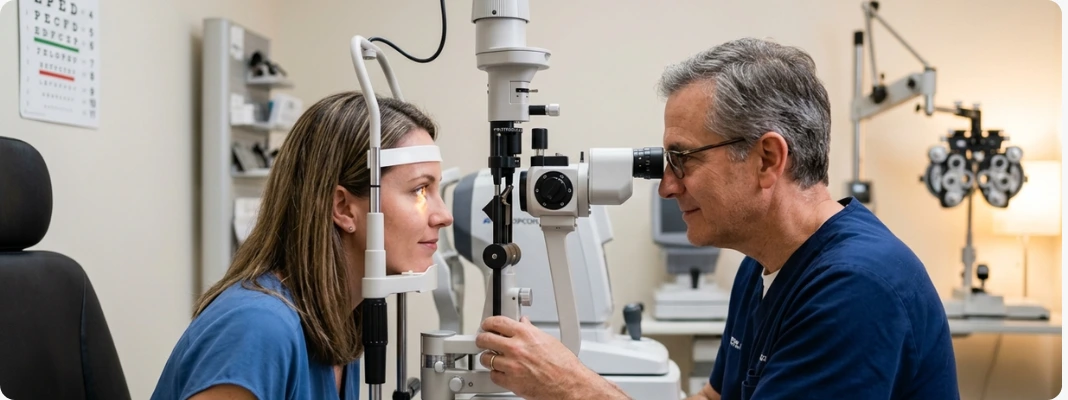
- Anterior Segment Biomicroscopy: Slit-lamp inspection examining the front structures, such as the cornea, conjunctiva, iris, and crystalline lens, for inflammation or structural defects.
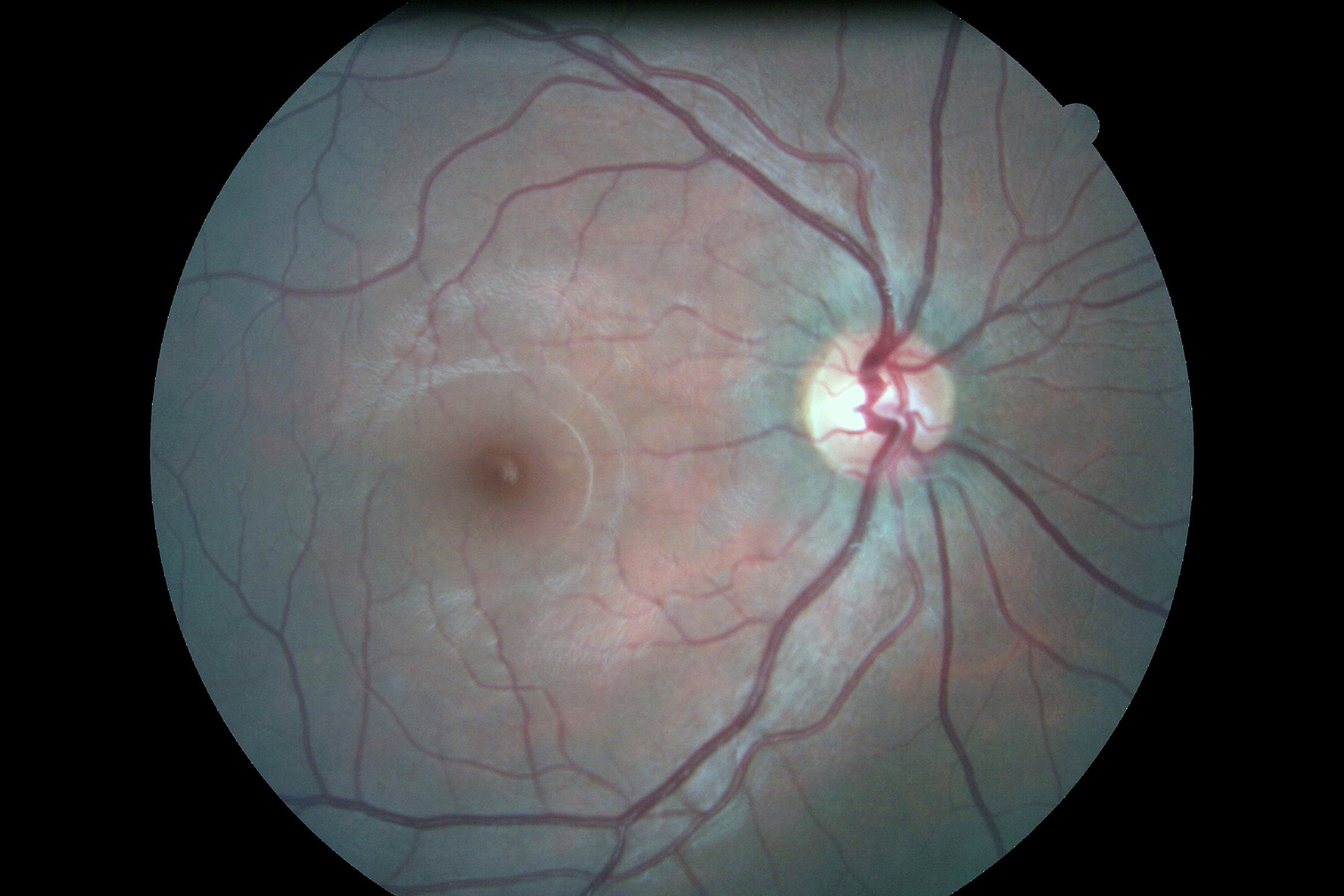
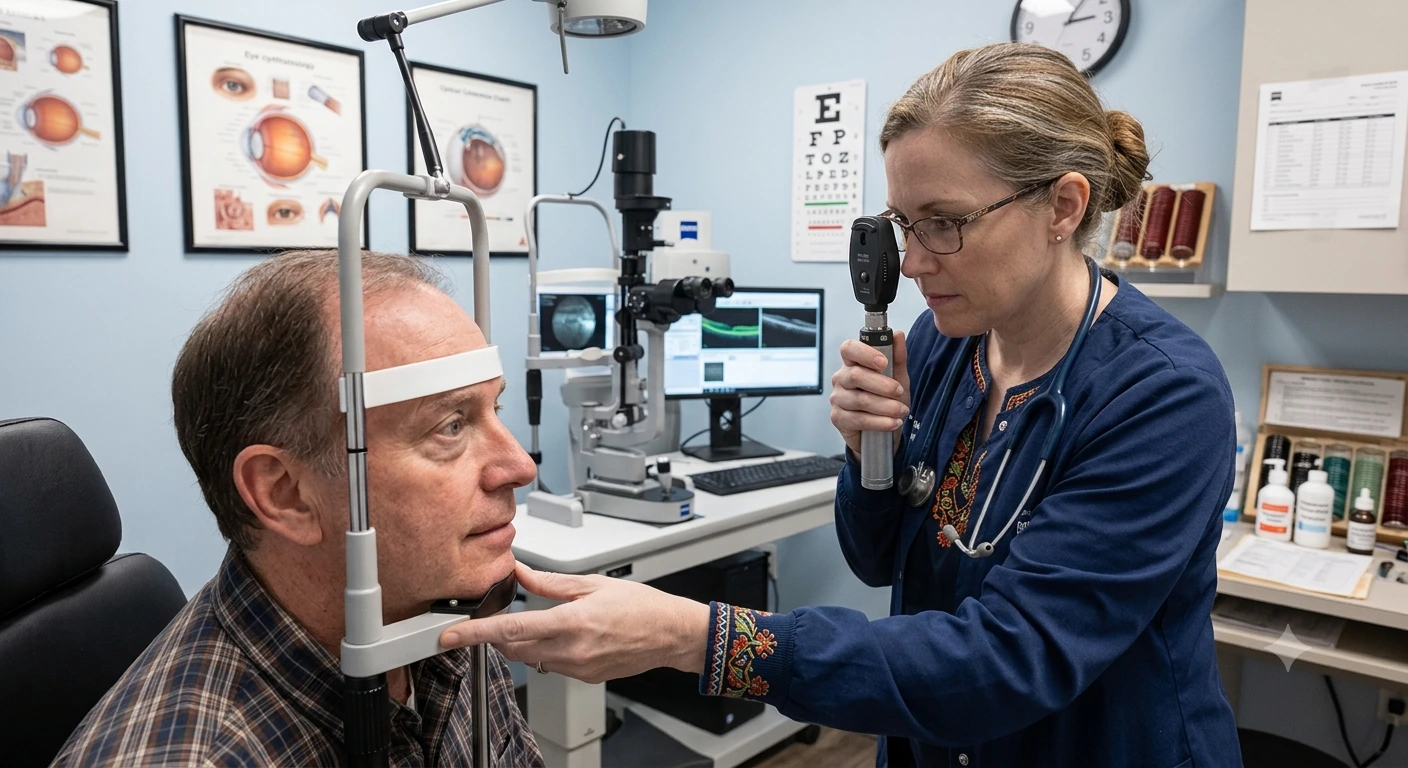
- Posterior Segment Evaluation: In-depth inspection of the optic nerve, macular region, and retinal vasculature to screen for local and systemic pathology.
- Dilated Retinal Exam: Application of diagnostic drops to expand the pupil, permitting maximum visual access to the peripheral retina.
Medical care is individualized, so your eye doctor will choose only the diagnostic steps required for your age, risk factors, and presenting concerns.
Healthy Eyes Start With Regular Eye Exams
Comprehensive eye care extends far beyond correcting your sight. Routine eye exams serve as a vital defensive line for detecting silent diseases before they permanently impact your vision.
Recognizing subtle visual shifts and prioritizing prompt professional care are essential for safeguarding your long-term quality of life. If you notice any discomfort, or if it is simply time for your annual checkup, taking action today ensures your eyes get the protection and expert care they deserve.
Disclaimer: This content is for general informational purposes only and is not a substitute for professional advice, diagnosis, or treatment.
References
Why Eye Exams Are Important. Centers for Disease Control and Prevention. https://www.cdc.gov/vision-health/about-eye-disorders/why-eye-exams-are-important.html. Published Date (May-15-2024). Date accessed, July 22, 2026.
Four in 10 US Adults Are at High Risk for Vision Loss. National Eye Institute. https://www.nei.nih.gov/research-and-training/research-news/four-10-us-adults-are-high-risk-vision-loss. Published Date (March-12-2020). Date accessed, July 22, 2026.
Get a Dilated Eye Exam. National Eye Institute. https://www.nei.nih.gov/eye-health-information/healthy-vision/finding-eye-doctor/get-dilated-eye-exam. Published Date (November-26-2025). Date accessed, July 22, 2026.
Fast Facts: Vision Loss. Centers for Disease Control and Prevention. https://www.cdc.gov/vision-health/data-research/vision-loss-facts/index.html. Published Date (May-15-2024). Date accessed, July 22, 2026.
Taking Care of Your Eyes. Centers for Disease Control and Prevention. https://www.cdc.gov/vision-health/prevention/taking-care-of-your-eyes.html. Published Date (May-15-2024). Date accessed, July 22, 2026.
Vision Screening. MedlinePlus/National Library of Medicine. https://medlineplus.gov/lab-tests/vision-screening/. Published Date (July-15-2026). Date accessed, July 22, 2026.