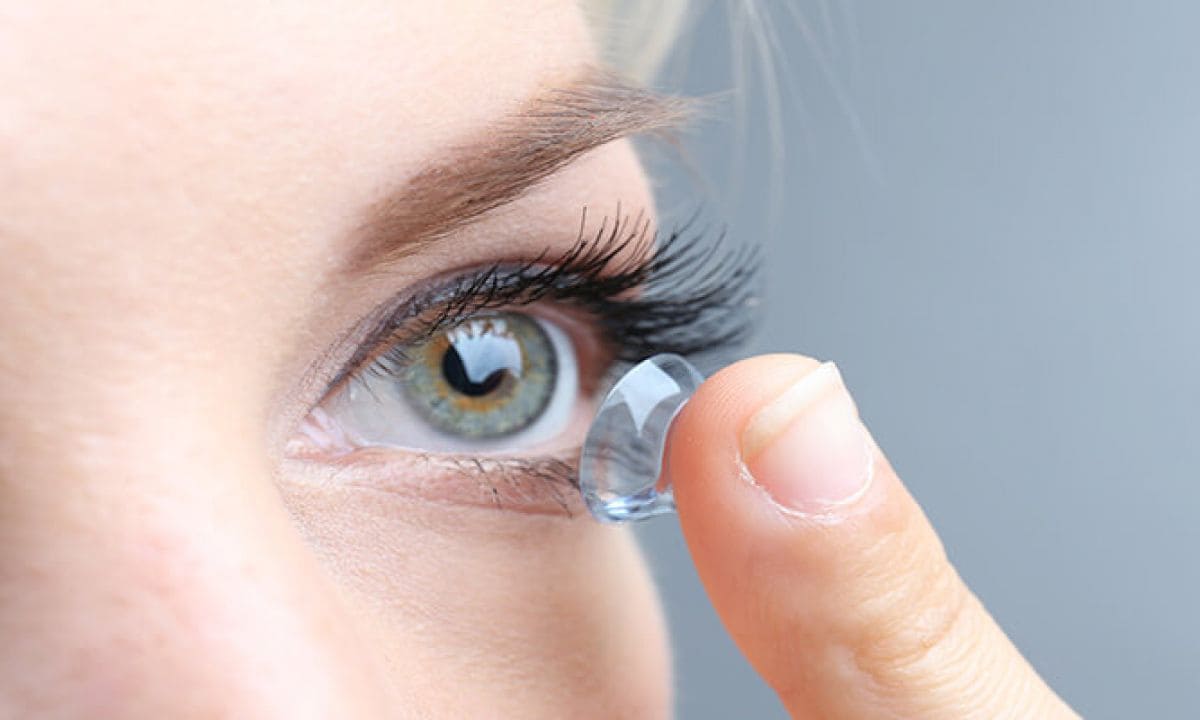
Wearing contacts should feel almost effortless—until your eyes get red, itchy, and suddenly refuse to cooperate. That reaction is called Contact Lens‑Induced Papillary Conjunctivitis (often shortened to CLIPC or CLPC).Â
It is your eyelids telling you they’ve had enough of protein deposits, friction, or the wrong cleaning routine.
CLIPC is an inflammatory response along the underside of the upper eyelid. Tiny bumps called papillae form, making the lid surface look a bit like sandpaper. When that rough lid rubs against a lens, the cycle continues—more irritation, more inflammation, less comfort.Â
Surveys show that around 2 % to 15 % of soft‑lens wearers develop some level of papillary conjunctivitis. It ultimately depends on lens type and replacement schedule.
CLIPC shows up far more often in soft reusable lenses, both traditional hydrogel and newer silicone‑hydrogel designs, especially when they’re worn on a two‑week or monthly replacement cycle. Extended‑wear schedules (sleeping in lenses) raise the risk even more because deposits build up quickly and the eyelid has constant contact with the lens.
By contrast, rigid gas‑permeable (RGP) lenses and daily disposables like the 1-day Acuvue Trueye 90 pack and the Bausch + Lomb Infuse one-day contacts have a much lower incidence, largely thanks to either single‑day use (no time for buildup) or a firmer surface that resists protein deposits.
Shop Better Affordable High Quality Daily Disposable Contact Lens at Lens.com
Silicone hydrogel lenses breathe better than older hydrogels, but they’re not immune to CLIPC.Â
Extended‑wear schedules and the lens’ “tackier” surface can still trap proteins, and research shows the incidence hovers around 5 events per 100 eye‑years, slightly higher than with low‑oxygen hydrogels.
CLIPC doesn’t appear out of nowhere—there’s usually a mix of friction, deposits, and even allergies quietly fueling the irritation. Let’s break down the most common causes so you can tackle CLIPC at the source.
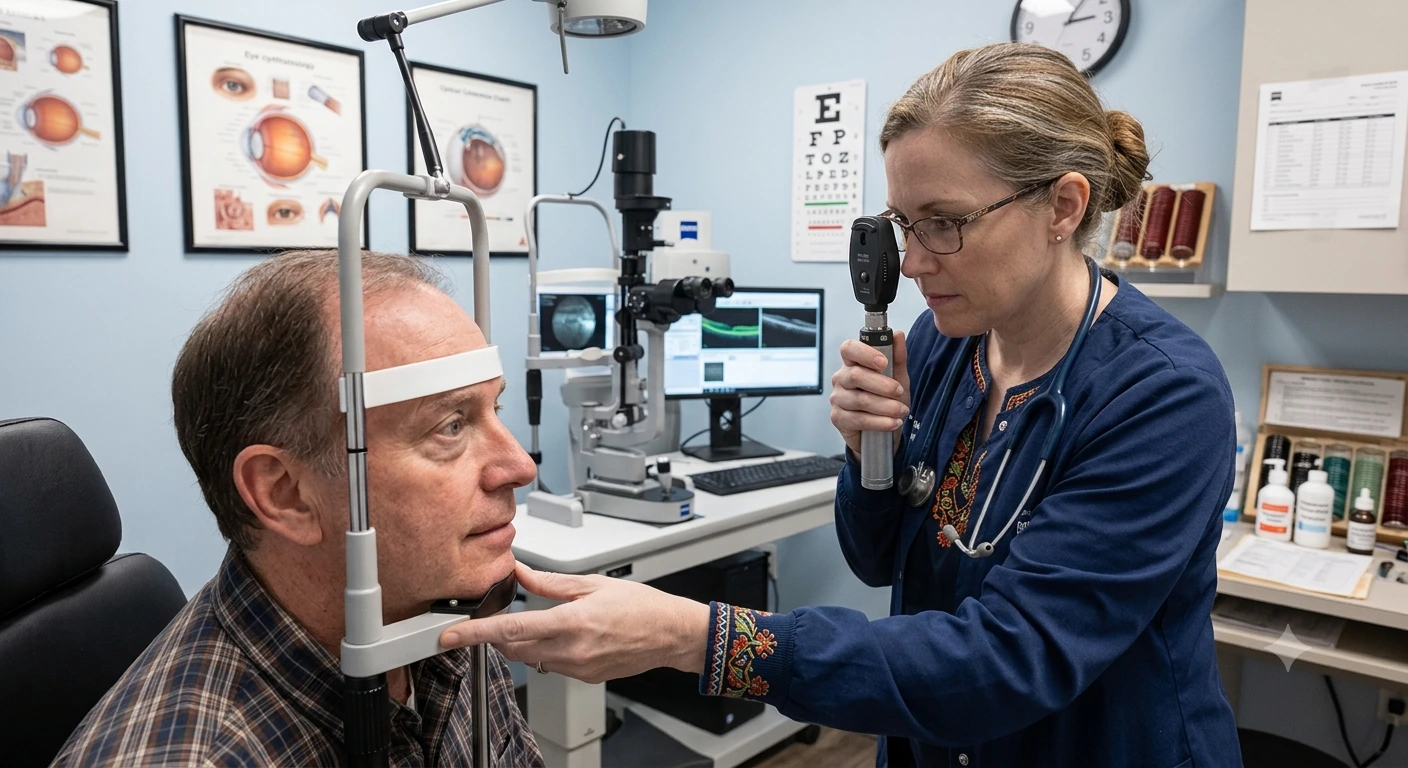
An eye‑care professional confirms the diagnosis with a quick slit‑lamp exam. They flip your upper lid, look for those cobblestone bumps, and rule out other culprits like infections.Â
Below are the most common CLIPC symptoms:
Ready to get your eyes back on friendly terms with your lenses? The good news is that contact lens‑induced papillary conjunctivitis treatment is usually straightforward, and a few smart habits can keep flare‑ups from coming back.
Contact lens‑induced papillary conjunctivitis doesn’t have to sideline your favorite way to see the world. Remember: deposits plus friction equal irritation, so give your lids a rest, clean your lenses well, and stick to replacement dates.Â
Just as important, buy from a trusted retailer such as Lens.com. Reputable sources supply authentic, properly stored lenses, walk you through prescription checks, and back every box with responsive support and rebate savings. When your lenses start out right—and you treat them right—comfortable, clear vision stays well within reach.
Have a question? Call us at
1-800 LENS.COM (536-7266)
Online 24/7
© 1995-2021 Lens.com. All Rights Reserved. Lens.com is a contact lens replacement company, and a direct to consumer marketer of contact lenses.
As a contact lens replacement center, we can only sell you contact lenses that you have a valid prescription for, and are wearing successfully.