
Table of Contents
Mother’s Day is a great time to remember that moms often focus on caring for others and may overlook their own tired, burning, or blurry eyes. If your eyes feel scratchy by late afternoon, sting after using your phone, or water even when they feel dry, you are not imagining it.
Dry eye happens when you don’t make enough tears or when your tears dry up too quickly. Common symptoms are burning, itching, watering, light sensitivity, and blurry or changing vision. Small changes in your routine can really help.
Why Moms Get Tired, Dry Eyes More Often
Tired, dry eyes usually have more than one cause. For many moms, the problem comes from a mix of long screen time, less blinking, hormone changes, and the effects of late nights, dry air, and busy days.
Screen time and digital eye strain
If you spend time working on a laptop, helping with homework, answering messages, paying bills on your phone, or scrolling at night, your eyes are working harder than you might think. Long stretches on screens can make your eyes feel dry and tired, partly because you blink less. Most people blink about 15 times a minute, but that number drops when using screens.
This is why digital eye strain, computer vision syndrome, and screen-related eye problems often happen together. You might notice blurry vision, a dull ache around your eyes, headaches, or feel like your eyes are just “done” by late afternoon. For many moms, these symptoms build up slowly during the day, making them easy to ignore until their eyes feel dry, irritated, and hard to focus.
Reduced blinking and tear evaporation
When you focus on a screen, you tend to blink less, and your blinks may be less complete. Blinking is important because it spreads tears over your eyes and protects them. Dry eyes can occur if you don’t make enough tears or if your tears evaporate too quickly, and using screens can make this worse.
This is also why your eyes can feel dry even when they are watering. Watery eyes are common with dry eyes because your eyes may produce extra tears when irritated, but this does not address the underlying problem with the tear film. So if you have watery eyes, burning, or a gritty feeling after screen time, you are not alone.
Feel like your eyes get drier the longer you are on your phone or laptop? Learn ways to manage screen time for healthier eyes so you can reduce strain and blink more naturally.
Sleep loss, air conditioning, and long days
Many moms face more than just screen time. They also deal with too little sleep, dry indoor air, fans, air conditioning, heating, and long hours of multitasking. Things like screen use, contact lenses, smoking, and dry conditions all raise the risk for dry eye. The American Academy of Ophthalmology suggests using a humidifier in dry rooms and protecting your eyes from wind or dry air when symptoms get worse.
Sleep is important too. When you are tired, your eyes feel it. Research links late nights and busy days to eye fatigue, and doctors recommend rest, hydration, and less environmental stress to help with dry eye.
Pregnancy, postpartum, and menopause change
Hormonal changes can make dry eyes more noticeable. Dry eye is more common in women, especially after menopause, and pregnancy can also cause dry or irritated eyes, making contact lenses less comfortable. New moms, pregnant moms, and menopausal moms can all have dry eyes, but for different reasons.
If your eyes feel worse after a long day of multitasking, scrolling, working, caregiving, and not enough sleep, there is a real reason. There are also practical ways to relieve dry eyes and eye strain.
Symptoms of Tired Dry Eyes You Should Not Igno
If your eyes don’t feel right every day, it helps to know which symptoms are common and which need more attention.
Burning, itching, gritty, or scratchy eyes
A common dry-eye complaint is feeling like something is stuck in your eye and will not come out. Dry eye symptoms often include burning, stinging, itching, and a scratchy, gritty, or sandy feeling. This happens when your tear film is not smooth or stable enough to protect your eyes.
These symptoms can worsen late in the day, especially after long periods of computer use, phone use, driving, or wearing contact lenses. If you often say your eyes are tired, irritated, or “just dry all the time,” it may be more than simple fatigue and deserves better daily care.
Watery eyes, blurry vision, and light sensitivity
Dry eyes do not always look dry. They can cause watery eyes, blurry or changing vision, and light sensitivity. Watery eyes occur when your eyes respond to irritation by producing extra tears, but these do not address the underlying tear-film problem.
This is why you can have watery, blurry, and dry eyes at the same time. If your vision clears for a moment when you blink and then blurs again, it often means your tear film is unstable, not that your vision has changed permanently.
Screen-strain headaches and difficulty focusing
Digital eye strain and computer vision syndrome can affect more than just your eyes. The AAO says screen use can make your eyes ache and your vision blurry, and computer vision syndrome can also cause headaches and dry eyes.
If your eyes feel heavy by the afternoon, your focus fades after hours on a screen, or you keep getting headaches from screen use, do not just assume you are tired. It often means your eyes need more breaks, better moisture, improved screen habits, or sometimes an eye exam.
Red flags that are not just “regular eye strain”
Most tired, dry-eye symptoms get better with rest, blinking, artificial tears, screen breaks, and better sleep. But some symptoms need quick medical attention. If you have red, irritated, tired, or painful eyes that last, or sudden vision changes, severe pain, strong light sensitivity, or flashes and floaters, get checked right away.
Book an eye exam if your symptoms keep coming back, if you work or drive hard, or if you make contact lenses uncomfortable. Get urgent care if you have sudden vision loss, severe pain, a red eye with light sensitivity and headache, or a sudden burst of floaters or flashes. These are not normal screen-strain symptoms and should not be ignored.
Not sure when redness and irritation are more than “just tired eyes”? Review eye infection warning signs and how to avoid them so you know when to stop guessing and get checked.
Self Care Tips for Tired Dry Eyes
For tired, dry eyes, the most helpful habits are often the simplest: get more rest, stay hydrated, take short outdoor breaks, protect your eyes from dry air, and make small changes to how you wear your contacts.
1. Rest, hydration, and outdoor breaks
If your eyes feel dry and overworked, start with the basics. Dry eye risk goes up with lifestyle and environmental factors such as screen use and contact lens wear, and self-care habits like resting your eyes, using a humidifier, and giving your eyes regular breaks are part of dry-eye management.
Hydration also matters more than many people expect. It is not a miracle fix, but when you are under-rested, spending hours on screens, and sitting in dry indoor air, your eyes tend to feel worse. A short outdoor break can help, too, not because fresh air cures dry eyes, but because stepping away from constant near work and digital focus gives your eyes a chance to reset.
2. Omega-3-rich foods and simple nutrition upgrades
Food alone will not cure chronic dry eye, but good nutrition supports overall eye health. Omega-3-rich foods are often recommended for women and adults prone to dry eye. While studies on fish oil supplements are mixed, it is best to see omega-3s as part of a healthy routine, not a guaranteed fix.
A practical approach is to eat a balanced diet with leafy greens, fruit, fish, nuts, and other nutrient-rich foods. This helps your eyes and your overall health. Conditions like diabetes and high blood pressure can affect your eyes, so they should not be ignored.
Wondering what nutrients may support dry-eye comfort over time? Learn vitamins for dry eyes and what may help contact lens users so you can build smarter daily habits.
3. UV protection and sunglasses
Sunglasses are not just for summer. UV-blocking sunglasses are recommended for everyday eye care, especially if bright light, wind, or outdoor dryness bothers your eyes. Protecting your eyes from UV rays helps with long-term eye health, not just comfort right now.
If your eyes are dry or sensitive to light, wraparound sunglasses can help even more by blocking wind and direct airflow. The AAO recommends wraparound sunglasses in windy conditions to reduce dryness and irritation.
4. Small habits that make contact lens wear easier
If you wear contact lenses, small habit changes can make a big difference. Dry eyes can make contact lenses less comfortable, and some moms feel better when they wear lenses for shorter periods, blink more, or switch to glasses for part of the day.
You can try putting your lenses in later, taking them out earlier, giving your eyes a break on days with lots of screen time, and keeping lubricating drops nearby if your doctor recommends them.
Do your contacts feel dry faster on busy, screen-heavy days? Try ways to prevent dry eyes while wearing contacts so comfort does not fall apart by late afternoon.
Best Contact Lenses for Moms with Tired Dry Eyes
1. DAILIES TOTAL1
DAILIES TOTAL1 is a premium daily disposable lens for moms who want a fresh lens every morning and lasting comfort by late afternoon. Its Delefilcon A water-gradient design keeps the core breathable, while the surface is almost 100% water, creating a soft cushion of moisture where the lens touches your eye.
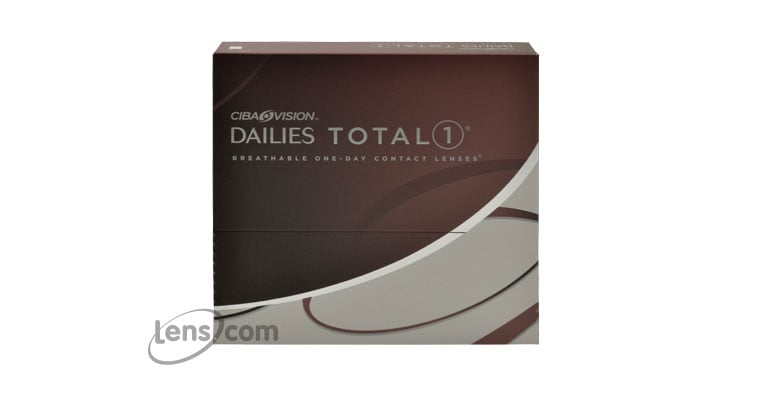
Pick DAILIES TOTAL1 if you want a premium daily lens with no cleaning routine, a fresh feel every day, and top moisture-focused comfort.
2. ACUVUE OASYS 1-Day with HydraLuxe
ACUVUE OASYS 1-Day with HydraLuxe is a daily disposable lens made for people whose eyes feel dry or tired after long days on digital devices. Its HydraLuxe design mimics natural tears, offering great comfort during heavy screen use.
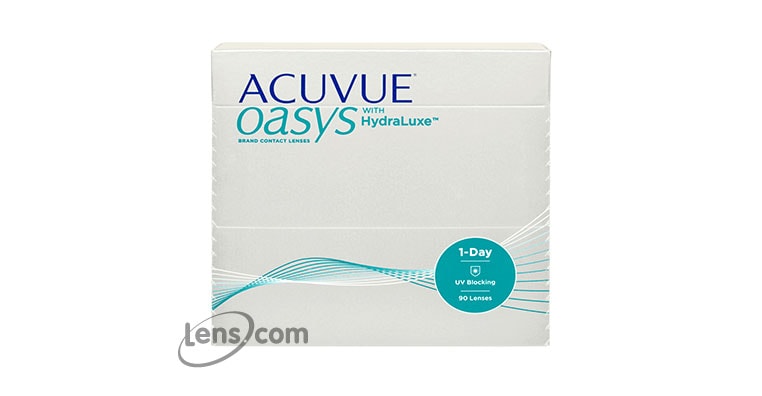
Try ACUVUE OASYS 1-Day with HydraLuxe if you spend most of your day on your phone or laptop and want a daily lens that helps your eyes feel fresher and more comfortable.
3. PRECISION1
PRECISION1 is a daily disposable lens that offers comfort, clear vision, and better moisture for long days on screens. It is made from Verofilcon A silicone hydrogel and uses SMARTSURFACE Technology, combining a 51% water core with a surface that is over 80% water.
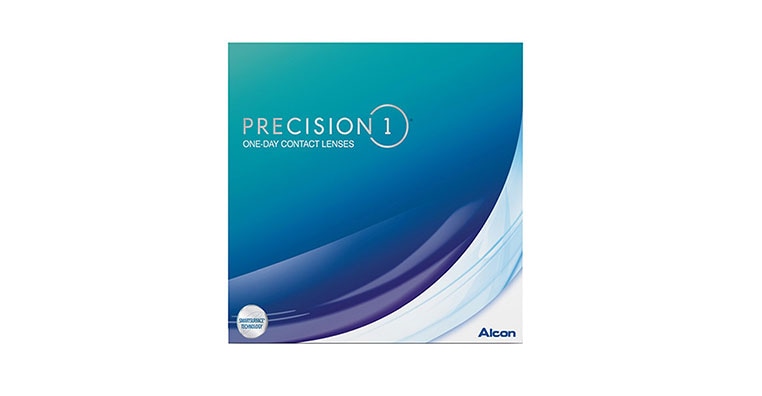
Consider PRECISION1 if you want a daily silicone hydrogel lens with a strong moisture layer, high oxygen flow, and comfort for dry eyes from screen use.
4. Proclear 1 Day
Proclear 1 Day is a daily lens for people with sensitive, dry, or moisture-prone eyes who want a lens that holds moisture. It is made from Omafilcon A and uses PC Technology, which binds water into the lens to help it stay fresh, with 96% hydration for 12 hours or more.
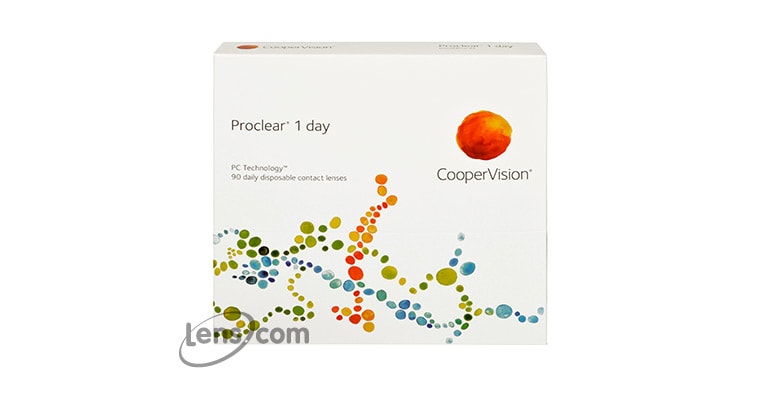
Go with Proclear 1 Day if your eyes feel sensitive, dry in air conditioning, or less comfortable by evening, and you want a daily lens focused on moisture retention.
5. Biofinity Energys
Biofinity Energys is a monthly lens that is especially helpful if your main problem is digital eye fatigue, not just dryness. It is made from Comfilcon A silicone hydrogel and combines Aquaform Technology, which locks in moisture, with DigitalBoost Technology, an aspheric design that adds a +0.3D boost to help with tired eyes from digital device use.
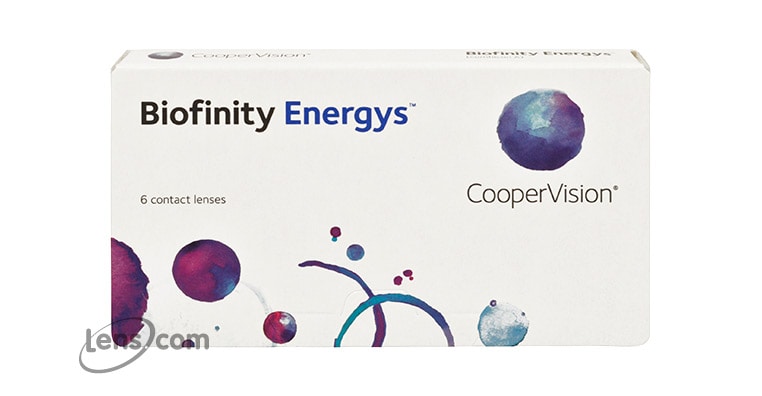
Look into Biofinity Energys if you prefer a monthly lens and want one designed for tired eyes and dryness from switching between screens and daily tasks.
Want more options to discuss with your eye doctor beyond the picks in this list? Browse best-selling contact lenses for dry eyes so you can compare popular comfort-focused choices.
When Should You See an Eye Doctor for Dry Eyes?
If your symptoms are mild and get better with rest, blinking, a warm compress, or artificial tears, home care may be enough. But if your eyes feel dry, irritated, or uncomfortable most days, don’t just call it “tired eyes”. An eye exam can help identify the real cause and the right treatment.
You should see an eye doctor if you have:
- Dry, burning, gritty, or red eyes that keep coming back or interfere with reading, driving, work, or screen time
- Blurry vision, eye pain, or light sensitivity that does not improve with basic dry-eye care
- Contact lenses that suddenly feel dry, irritating, or hard to wear for your normal hours
- Sudden vision changes, sharp pain, flashes, floaters, or significant redness and swelling
The main thing to remember is this: if your dry-eye symptoms keep coming back, get worse, or affect your daily life, it is time to book an eye exam rather than trying to handle them on your own.
Better Ways for Moms to Care for Their Tired, Dry Eyes
Mother’s Day is a great reminder that your eyes work hard for you every day and deserve care too. Tired, dry eyes are common, especially when you juggle screens, work, family, contact lenses, and not enough rest, but you do not have to just put up with them.
Small habits can really help, like blinking more often, taking real breaks from screens, using a warm compress for dry eyes, keeping eye drops or artificial tears handy, staying hydrated, and giving your eyes some recovery time at the end of the day.
If your symptoms keep coming back, start to affect your vision, or make contact lenses harder to wear, book an eye exam and let your eye doctor help you find out what your eyes really need.
Want to give your eyes some extra comfort this Mother’s Day? Check out our contact lenses for comfort, daily wear, and routines that help with dry eyes.
Disclaimer: This content is for general informational purposes only and is not a substitute for professional advice, diagnosis, or treatment.
FAQs About Self Care Tips for Tired Dry Eyes
Why do moms get tired, dry eyes?
Moms often deal with tired, dry eyes because long screen time, reduced blinking, late nights, dry indoor air, contact lens wear, and hormone changes can all make the tear film less stable. Dry eye is also more common in women, especially during pregnancy and menopause.
Can screen time make dry eyes worse?
Yes. Screen use reduces how often you blink, which can make tears evaporate faster and leave your eyes feeling dry, tired, or irritated.
How can moms relieve eye strain fast?
The quickest place to start is a short screen break, a few full blinks, and lubricating drops if your eyes feel dry. The 20-20-20 rule is simple: every 20 minutes, look 20 feet away for 20 seconds.
What helps dry eyes after a long day?
Helpful first steps include artificial tears, a warm compress, resting your eyes, and avoiding drying air blowing toward your face. If symptoms keep coming back, you may need an exam to find the real cause.
What is the 20-20-20 rule for eye strain?
It means that every 20 minutes, you look at something about 20 feet away for 20 seconds. The goal is to relax near-focus effort and remind you to blink during screen use.
Why do dry eyes and watery eyes happen at the same time?
That combination is common. When your tear film is unstable, your eyes may react to irritation by producing excess tears, but those tears do not address the underlying dryness.
What eye drops are safe to use every day for dry eyes?
Lubricating eye drops, often called artificial tears, are usually the first over-the-counter option for mild dry eye symptoms. If you need drops often, preservative-free tears are generally the better choice, and redness-relief drops are not a good long-term solution for dry eye.
How do you do a warm compress routine for dry eyes?
Use a clean, warm washcloth or eye mask over closed eyes for about 5 to 10 minutes. This can help open oil glands along the eyelids and improve tear quality.
When should you see an eye doctor for dry eyes?
You should book an exam if symptoms persist, get worse, keep returning, blur your vision, or start interfering with work, reading, driving, or contact lens wear. New pain, strong light sensitivity, or sudden vision changes need prompt evaluation.
What are the best contact lens tips for moms with dry eyes?
If your eyes are dry, shorten lens wear time when needed, blink more during screen use, and consider whether your current lens type is still the best fit for your routine. Persistent lens discomfort is a good reason to get a dry-eye evaluation instead of trying to push through it.
Can contact lenses make screen strain worse?
They can make dry-eye-related screen discomfort feel worse, especially if your eyes are already dry or you wear lenses for long hours. Contact lens use is a known risk factor for dry eye, and screen time adds another layer by reducing blinking.
What is a quick eye care routine for busy moms?
A realistic routine is simple: use artificial tears if needed, do one warm compress later in the day, blink fully during screen breaks, and follow the 20-20-20 rule. Those small habits are often more sustainable than a long routine you cannot keep up with.
References
Dry Eye. National Eye Institute (National Institutes of Health). https://www.nei.nih.gov/eye-health-information/eye-conditions-and-diseases/dry-eye. Date Accessed: April 28, 2026.
Dry eye syndrome. MedlinePlus Medical Encyclopedia (National Library of Medicine). https://medlineplus.gov/ency/article/000426.htm. https://www.nei.nih.gov/eye-health-information/eye-conditions-and-diseases/dry-eye. Date Accessed: April 28, 2026.
Dry Eyes: Types, Symptoms, Causes & Treatment. Cleveland Clinic. https://my.clevelandclinic.org/health/diseases/24479-dry-eye. https://www.nei.nih.gov/eye-health-information/eye-conditions-and-diseases/dry-eye. Date Accessed: April 28, 2026.
Dry eyes – Symptoms & causes. Mayo Clinic Staff / Mayo Clinic. https://www.mayoclinic.org/diseases-conditions/dry-eyes/symptoms-causes/syc-20371863. https://www.nei.nih.gov/eye-health-information/eye-conditions-and-diseases/dry-eye. Date Accessed: April 28, 2026.
Dry eyes – Diagnosis & treatment. Mayo Clinic Staff / Mayo Clinic. https://www.mayoclinic.org/diseases-conditions/dry-eyes/diagnosis-treatment/drc-20371869. https://www.nei.nih.gov/eye-health-information/eye-conditions-and-diseases/dry-eye. Date Accessed: April 28, 2026.
Eyestrain – Diagnosis and treatment. Mayo Clinic Staff / Mayo Clinic. https://www.mayoclinic.org/diseases-conditions/eyestrain/diagnosis-treatment/drc-20372403. https://www.nei.nih.gov/eye-health-information/eye-conditions-and-diseases/dry-eye. Date Accessed: April 28, 2026.
Preventing Vision Loss. Centers for Disease Control and Prevention. https://www.cdc.gov/vision-health/prevention/index.html. https://www.nei.nih.gov/eye-health-information/eye-conditions-and-diseases/dry-eye. Date Accessed: April 28, 2026.
Computer Vision Syndrome (Digital Eye Strain): What It Is. Cleveland Clinic. https://my.clevelandclinic.org/health/diseases/24802-computer-vision-syndrome. https://www.nei.nih.gov/eye-health-information/eye-conditions-and-diseases/dry-eye. Date Accessed: April 28, 2026.
Dry Eye Syndrome (StatPearls). Mark I. Golden; Jay J. Meyer; Marco Zeppieri; Bhupendra C. Patel / StatPearls Publishing (National Center for Biotechnology Information Bookshelf, National Library of Medicine). https://www.ncbi.nlm.nih.gov/books/NBK470411/. https://www.nei.nih.gov/eye-health-information/eye-conditions-and-diseases/dry-eye. Date Accessed: April 28, 2026.
Meibomian Gland Disease (StatPearls). Kirandeep Kaur; Thomas J. Stokkermans / StatPearls Publishing (National Center for Biotechnology Information Bookshelf, National Library of Medicine). https://www.ncbi.nlm.nih.gov/books/NBK580474/. Mhttps://www.nei.nih.gov/eye-health-information/eye-conditions-and-diseases/dry-eye. Date Accessed: April 28, 2026.