Table of Contents
You put in your contacts expecting the usual clear view, but something still feels off. Your vision looks foggy, headlights have halos, colors seem dull, or your prescription keeps changing even though you just updated it. If that sounds familiar, your contacts may not be the real problem. The cloudy natural lens inside your eye may be affecting your vision.
Yes, many people can still wear contacts with cataracts, especially in the early stages. But contacts can only correct refractive errors like nearsightedness, farsightedness, astigmatism, or presbyopia. They cannot clear the cloudy lens that causes cataract symptoms.
Can You Wear Contacts With Cataracts?
Yes, many people can wear contact lenses with cataracts, especially when the cataract is mild. Contacts can correct your prescription, but they cannot remove the cloudy natural lens that causes cataracts. If your vision still looks hazy, glary, or washed out with the right prescription, the cataract itself may be limiting your vision.
Contacts may still help if your cataract is early and most of your blur is coming from a normal prescription issue. For example, contacts can correct nearsightedness, farsightedness, cataracts and astigmatism, or age-related near vision changes, which is why some people use contacts for aging eyes before cataract surgery. The FDA notes that contact lenses can correct refractive errors such as myopia, hyperopia, astigmatism, and presbyopia, but they do not treat the cataract itself.
Contacts may not be enough if your vision stays cloudy, hazy, glary, or poor at night even after your prescription has been updated. Cataracts can cause blurry or hazy vision, faded colors, light sensitivity, trouble seeing at night, and double vision, so symptoms like cloudy vision contacts, hazy vision contacts, cataracts and night driving, or light sensitivity cataracts should not be brushed off.
What Are Cataracts and How Do They Affect Lens Wear?
Cataracts can be confusing for contact lens wearers because they may initially feel like a prescription issue. You put in your lenses, but your vision still looks cloudy, headlights feel too bright, or the world seems less sharp than usual.
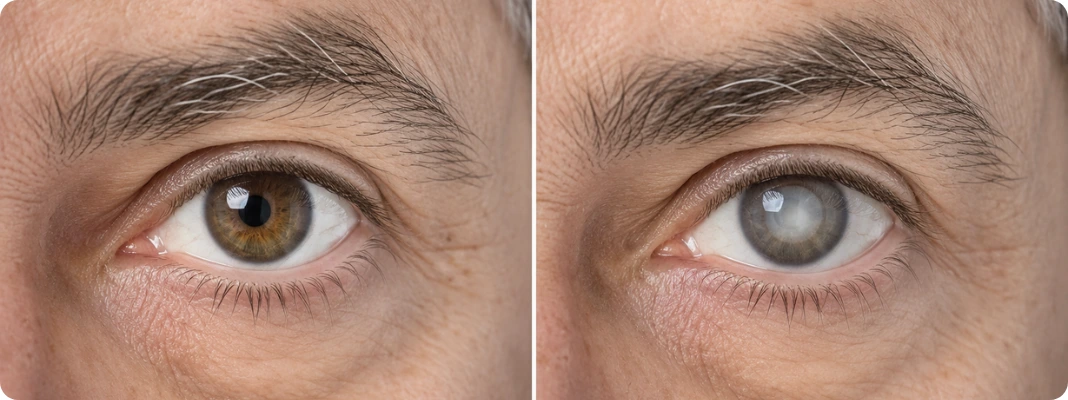
A cataract forms when the normally clear lens inside your eye becomes cloudy. The National Eye Institute explains that cataracts can cause blurry or hazy vision, faded colors, light sensitivity, trouble seeing at night, halos, double vision, and frequent prescription changes. The cloudy area is not on your contact lens, so cleaning or replacing the lens may not fully fix the problem. As cataracts progress, light has a harder time passing clearly through the eye.
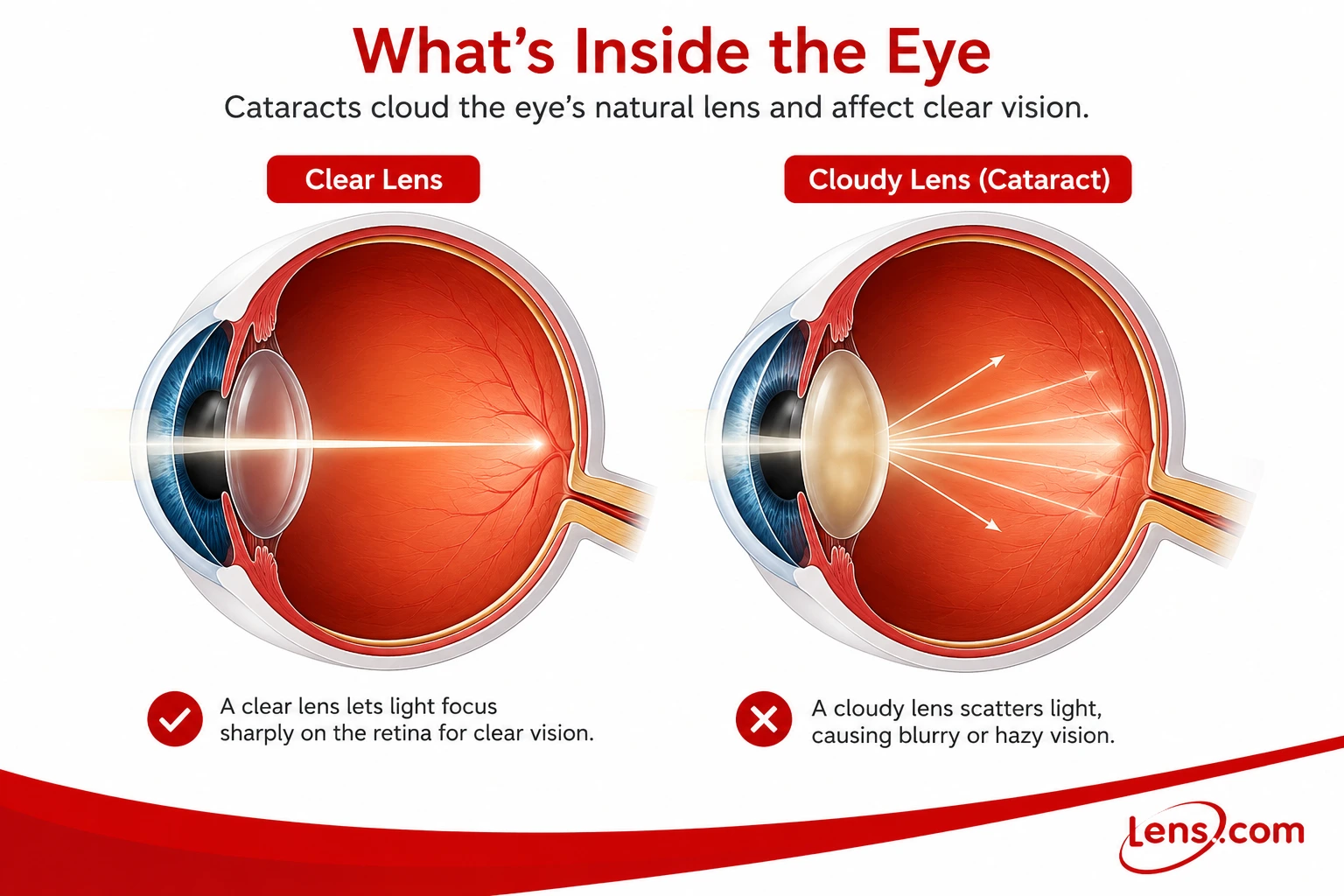
Contacts sit on the cornea, the clear front surface of your eye, while cataracts form deeper inside the natural lens. That means contacts can correct nearsightedness, farsightedness, astigmatism, or presbyopia, but they cannot remove the cloudiness causing cataracts and blurry vision. An updated prescription may help if part of your blur is still from a regular focusing issue. If the cataract is causing haze, glare, or poor night vision, contacts can only help so much.
A changing prescription can also be a clue that cataracts are affecting your lens wear. You may update your contacts and see better for a while, then notice blur, glare, or haze returning. That does not always mean your lenses are wrong. It may mean the cataract is altering how light passes through your eye, making your vision less predictable, even with a fresh prescription.
Nervous about dilation or unsure why your doctor recommends it for cataract checks? Identify whether getting your eyes dilated is always required, so you know what the exam is trying to confirm.
Cataract Symptoms Lens Wearers Should Watch For
If you wear contacts, it is easy to blame every vision change on lens dryness, deposits, or an old prescription. Those can be real issues, but cataracts have their own pattern of symptoms that should prompt a full cataracts eye exam.
Cloudy, Hazy, or Blurry Vision
If you keep noticing cloudy vision contacts, hazy vision contacts, or blurry vision contacts, pay attention to whether the blur clears after cleaning, rewetting, or changing lenses. Contact lens dryness often changes throughout the day, while cataract-related blur may feel more like looking through a foggy window. Mayo Clinic describes cataract vision as clouded, blurred, or dim, and says seeing through cataracts can feel like looking through a frosty or fogged-up window.
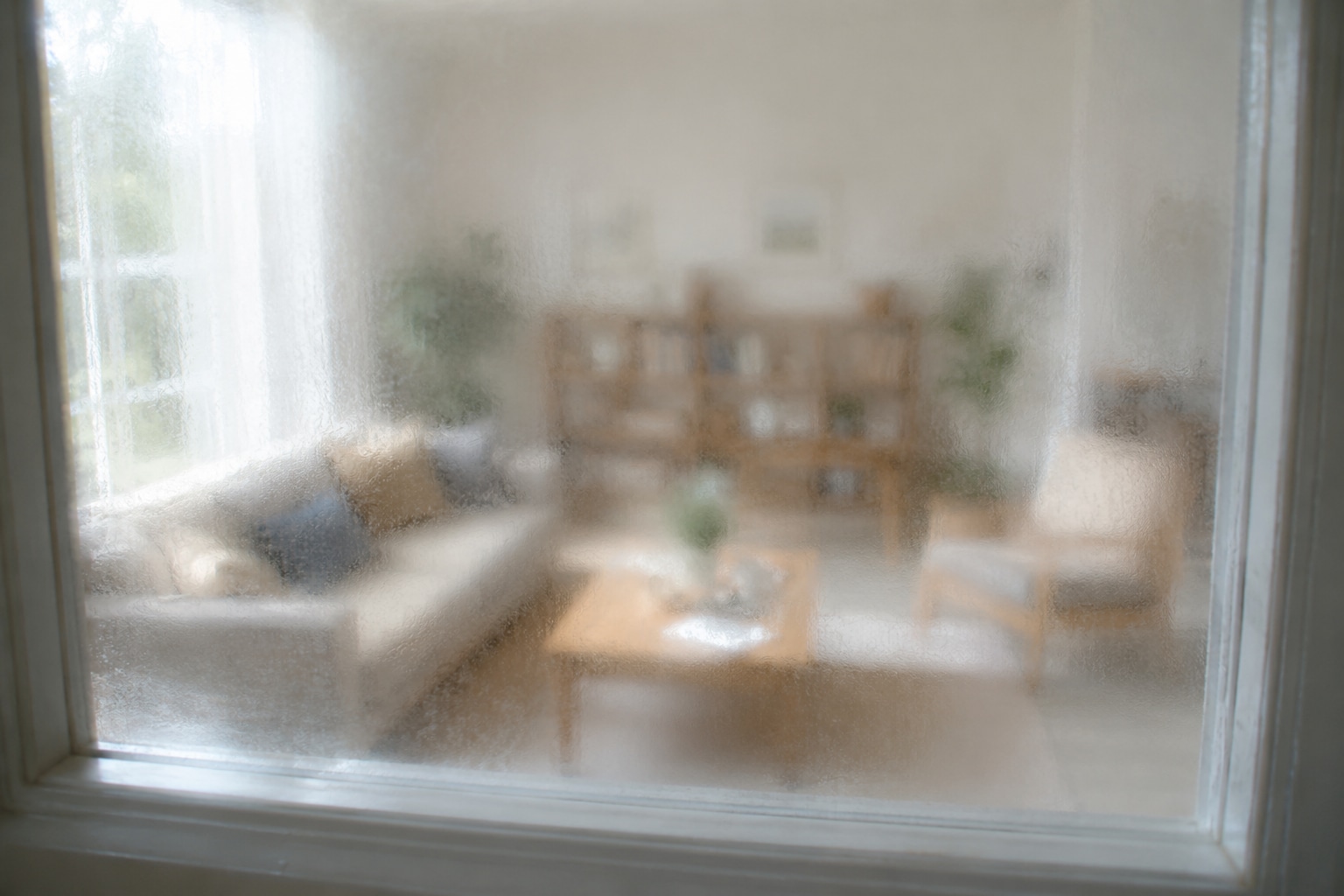
A good clue is consistency. If your vision stays hazy even with fresh lenses and an updated prescription, the issue may be more than contact lens comfort. That is when an eye exam for blurry vision is the smarter next step.
Do your eyes still feel blurry even with fresh lenses and a recent prescription update? Learn why contact lenses can still look blurry so you can tell when it is time for an eye exam instead of another lens swap.
Light Sensitivity, Glare, and Halos
Cataracts can make bright light feel harsh. You may notice glare from sunlight, indoor lighting, or headlights, especially at night. The National Eye Institute lists sensitivity to light, halos around lights, and trouble seeing at night as cataract symptoms.

This is why cataracts and night driving can become major concerns. Your contacts may still correct distance vision, but they cannot fully control glare, halos, or scatter from a cloudy natural lens. If you are searching for contacts for night driving because headlights suddenly feel overwhelming, schedule a cataract screening rather than only changing lens brands.
Seeing rings or glare around lights and wondering what is behind them? Identify why you may see halos around lights, so you know what to describe clearly during your appointment.
Faded Colors or Poor Contrast
Cataracts can make colors look dull, yellowed, or less vivid. You may still be able to read the eye chart, but real-world vision feels flatter because contrast is weaker. NEI includes faded colors among cataract-related vision changes.

For contact lens wearers, this can be frustrating because the prescription may seem technically correct, but your vision still does not feel clean. You might notice trouble reading low-contrast text, seeing steps clearly, or distinguishing similar colors. Those are signs to bring up during your next eye exam.
Double Vision In One Eye
Cataracts can sometimes cause double vision in one eye. This is different from binocular double vision, in which the double image disappears when you cover either eye. NEI notes that cataracts can cause double vision, and Mayo Clinic lists double vision in one eye as a cataract symptom.
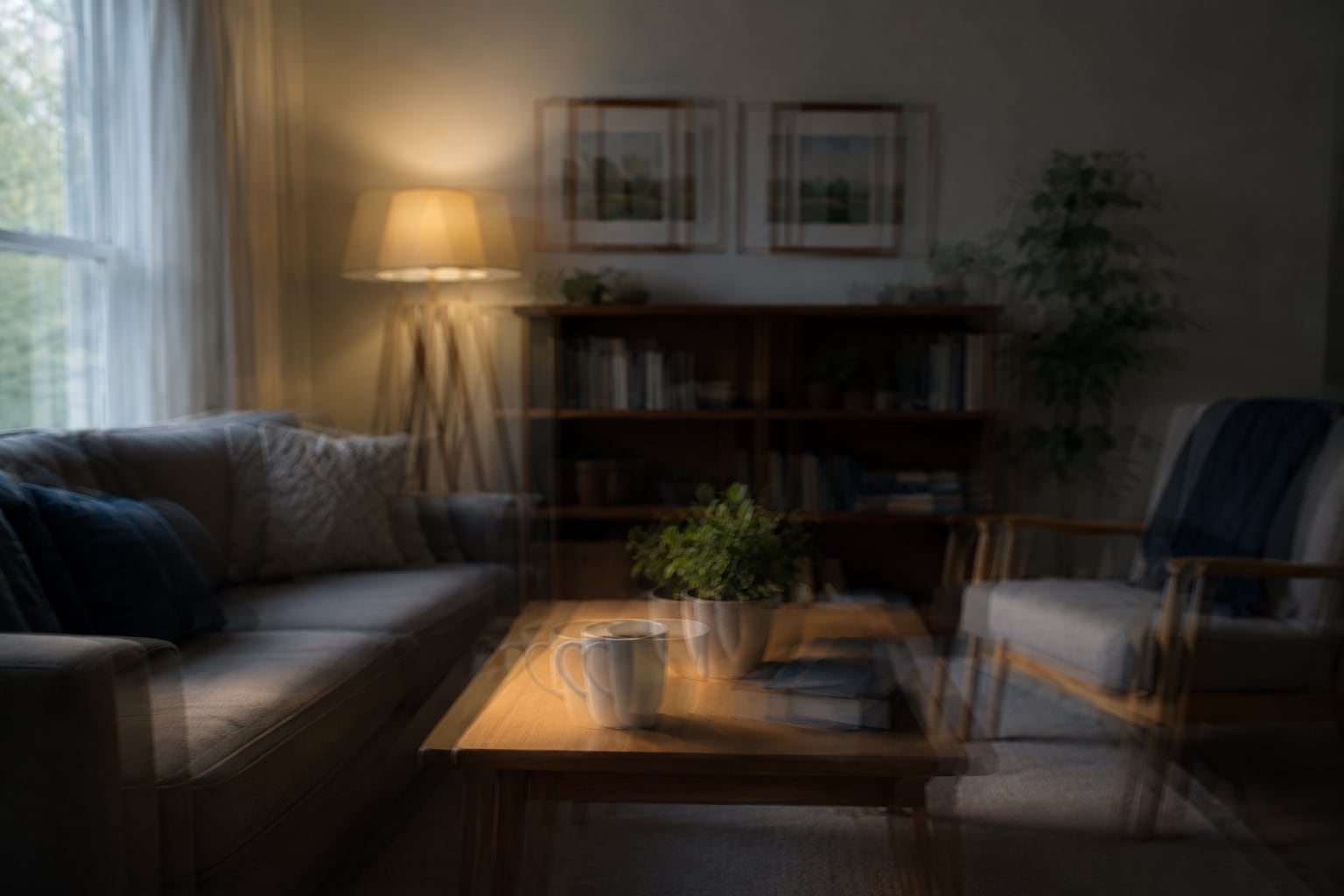
If you notice cataracts or double vision, do not assume it is just a contact lens fit issue. Remove your contacts, switch to glasses if you have them, and book an exam. Double vision, sudden vision changes, or symptoms in only one eye deserve prompt evaluation.
Book a cataracts eye exam if contacts no longer give clear vision, your prescription keeps changing, night driving feels unsafe, colors look faded, or glare and halos are becoming hard to ignore. A cataract diagnosis is made through an eye exam, and NEI states that cataracts are diagnosed with a dilated eye exam.
Do Contact Lenses Cause Cataracts or Make Them Worse?
Contact lenses are not considered a direct cause of cataracts. Major eye-health sources list cataract risks such as aging, diabetes, smoking, heavy alcohol use, family history, eye injury, eye surgery, radiation treatment, sun exposure, and steroid use. Wearing contacts does not automatically make cataracts worse.
If your vision feels foggy with contacts, the cause may be cataracts, dry eye, lens deposits, an outdated prescription, or another eye condition. Poor contact lens habits can still irritate or infect your eyes, especially if you overwear lenses, sleep in lenses not approved for overnight wear, top off old solution, expose contacts to water, or skip cleaning steps. Remove your lenses and call your eye doctor if your eyes become red, painful, watery, light-sensitive, or suddenly blurrier.
UV exposure is one cataract risk factor, so sun protection still matters if you wear contacts. Some contact lenses have UV-blocking features, but they only cover the part of the eye under the lens. Wear UV-blocking sunglasses outdoors because contacts do not protect the eyelids, the white part of the eye, or the surrounding skin.
Wondering if UV-blocking contacts are worth it when you spend time outdoors? Learn how UV-blocking contact lenses can help protect your eyes and why you still need sunglasses.
Can Contacts Help With Cataracts Before Surgery?
Contacts can sometimes help before cataract surgery, especially when the cataract is mild, and your prescription still plays a big role in your blur. The important thing is knowing what contacts can do and what they cannot: they can correct focusing problems, but they cannot clear a cloudy natural lens.
Updated Prescription Lenses
A new contact lens prescription may help for a while if your cataracts are early. If your distance vision, near vision, or astigmatism has changed, updated lenses may sharpen the part of your vision affected by a normal prescription issue.
But if you need frequent updates, do not keep chasing stronger lenses without a full exam. The National Eye Institute lists frequent changes in glasses or contact lens prescription as a possible cataract symptom, so repeated changes should prompt a cataract eye exam, not just another lens order.
Multifocal Contacts for Aging Eyes
Multifocal contacts may help if your main concern is presbyopia, or age-related trouble focusing up close. These contacts for aging eyes are designed to help with near, intermediate, and distance vision, so they may be useful if you are dealing with both cataracts and contacts before surgery.
Still, multifocal contacts do not treat cataracts. If the cloudy natural lens is scattering light, you may still notice haze, glare, halos, or weak contrast even when the lens power is correct. Your eye doctor can tell whether a multifocal lens trial is worth trying or whether cataract treatment is becoming a better conversation.
Toric Contacts for Astigmatism
If you have cataracts and astigmatism, toric contacts may help correct the astigmatism part of your blur. Astigmatism occurs when the front of the eye, or the lens, focuses light unevenly, and toric contacts are designed to sit in a stable position to sharpen that focus.
The limit is the cataract itself. A toric lens may reduce astigmatism-related distortion, but it cannot remove cloudiness, glare, faded colors, or poor night vision that cataracts can cause. If your toric contacts used to work well and now your vision still feels hazy, your cataract may be playing a larger role.
Monovision Contacts
Monovision contacts may help some people manage distance and near vision before cataract surgery. With monovision, one eye is usually corrected more for distance and the other more for near vision, so your brain learns to use each eye for different tasks.
This is not something to guess at on your own. Monovision requires proper fitting and a trial period because it can affect depth perception, night-driving comfort, and how natural your vision feels. If you already struggle with glare, halos, or cataracts and night driving, tell your eye doctor before trying it.
When Should You Stop Wearing Contacts Before Cataract Surgery?
Your cataract surgeon will tell you when to stop wearing contacts before cataract surgery because lenses can temporarily affect the shape of your cornea, the clear front surface of your eye. This matters because your surgeon needs accurate eye measurements to choose the right intraocular lens (IOL), the artificial lens that replaces your cloudy natural lens.
Before your cataract measurements, keep these points in mind:
- Soft contact lenses may require a shorter break than rigid gas permeable or specialty lenses.
- Harder or specialty lenses may need a longer break because they can affect the cornea for more time.
- Your surgeon may ask you to stop wearing contacts for days, weeks, or longer.
- Wearing contacts too close to testing may make your IOL measurements less accurate.
- If you accidentally wore contacts when you were told not to, tell your surgery team before your measurements.
- Your surgeon may repeat testing if your eye shape has not fully settled.
Stopping contacts on schedule helps your surgeon plan more accurately and may reduce the chance of unexpected blurry vision after surgery. Follow your cataract surgery team’s timeline closely, even if it feels inconvenient.
Can You Wear Contacts After Cataract Surgery?
Yes, contact lenses after cataract surgery may be an option for some people, but only after the eye has healed and the surgeon says it is safe. Do not restart lens wear on your own, even if your eye feels normal, because wearing contacts too soon can cause irritation, dryness, discomfort, or infection. During cataract surgery, the cloudy natural lens is removed and replaced with a clear artificial lens called an intraocular lens, or IOL.
Depending on your IOL, eye health, and vision goals, you may need fewer glasses or contacts after surgery. You may still need contacts if you have residual refractive error, astigmatism, near-vision needs, or a difference in prescription between the two eyes. Wait until your surgeon says your eye is stable before getting a new contact lens prescription, since vision can shift during healing.
Thinking about multifocal because reading and phone text are getting harder? Understand how multifocal contact lenses work across near and far distances so you know what to expect if cataracts are still mild.
5 Contact Lenses to Consider if You Have Cataracts
These contacts do not treat, remove, or slow the progression of cataracts. There are options to discuss with your eye doctor for remaining prescription needs, presbyopia, astigmatism, comfort, or post-surgery correction after your eye has healed and your surgeon clears you for contact lens wear.
1. ACUVUE OASYS MAX 1-Day Multifocal
ACUVUE OASYS MAX 1-Day Multifocal can be a strong option to discuss if you need help with presbyopia and want a fresh lens every day. ACUVUE describes it as designed for all distances, all lighting conditions, and all-day comfort and clarity, with TearStable Technology and OptiBlue Light Filter.
This may be relevant if your cataracts are mild and your eye doctor says your main issue is still age-related near vision rather than cataract-related haze. It may also be worth discussing after surgery whether you still need near or intermediate correction and whether your eye has fully healed.
Important Note: UV-blocking contacts are not a replacement for sunglasses. They do not cover the entire eye or the surrounding skin, and clinical studies have not shown that UV-blocking contact lenses reduce cataract risk.
2. DAILIES TOTAL1 Multifocal
DAILIES TOTAL1 Multifocal is a daily disposable multifocal lens for presbyopia. Alcon describes it as a daily lens with Water Gradient Technology and nearly 100% water at the lens surface.
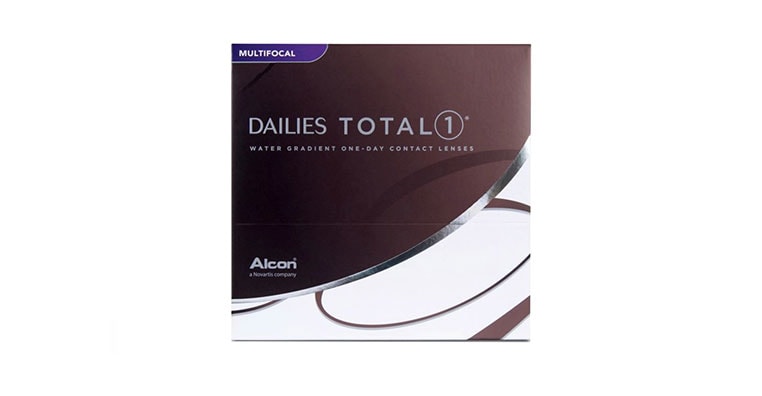
This may fit someone who wants a fresh-lens routine and does not want to clean or store lenses every night. If your eyes feel drier after cataract surgery, your doctor may want to evaluate your tear film before recommending any contact lenses.
3. Biofinity Multifocal
Biofinity Multifocal is a monthly multifocal contact lens for presbyopia. CooperVision describes it as designed for vision near, far, and in between, with Balance Progressive Technology and Aquaform Technology for moisture.
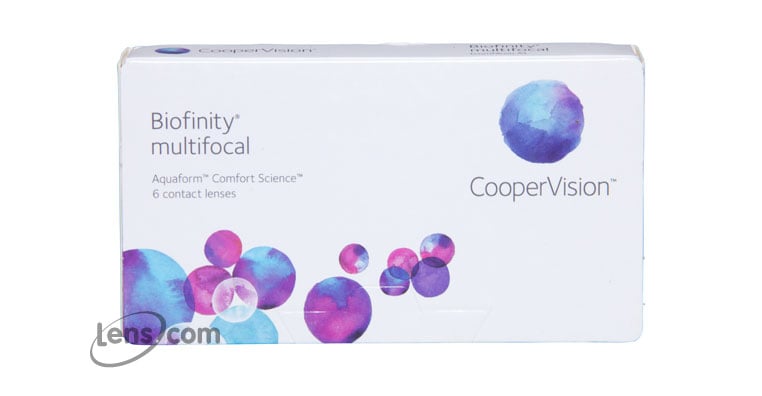
This may be worth discussing if you prefer a reusable lens and your eye doctor says monthly lens wear is safe for your eye health. It does not clear cataract haze, but it may help with remaining presbyopia needs before surgery or after healing.
4. ACUVUE OASYS for Astigmatism
ACUVUE OASYS for Astigmatism may be relevant if astigmatism is part of your blur. ACUVUE says this lens uses BLINK STABILIZED Design to help keep vision in focus during daily wear and active lifestyles.
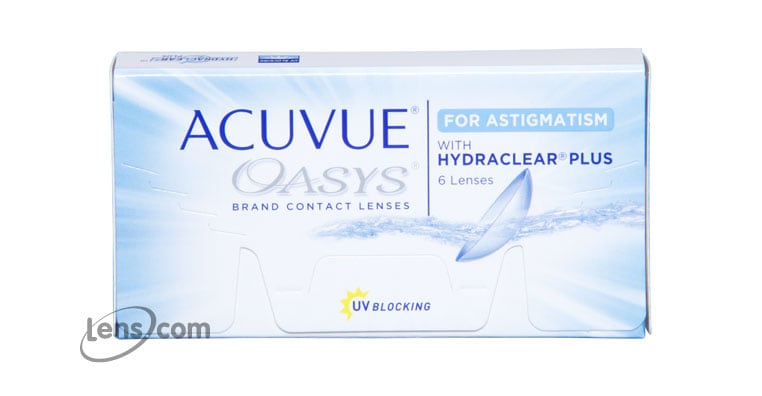
For people with cataracts and astigmatism, this distinction matters. A toric contact can correct astigmatism, but it cannot remove cloudy, hazy, or glary vision caused by the cataract itself. If your toric contacts used to work well but now your vision still feels washed out or poor at night, schedule a cataract evaluation.
5. Air Optix Plus HydraGlyde Multifocal
Air Optix Plus HydraGlyde Multifocal is a monthly multifocal option for presbyopia. Alcon describes it as designed for seamless vision at all distances, near through far, using Precision Profile Design, SmartShield Technology, and HydraGlyde Moisture Matrix.
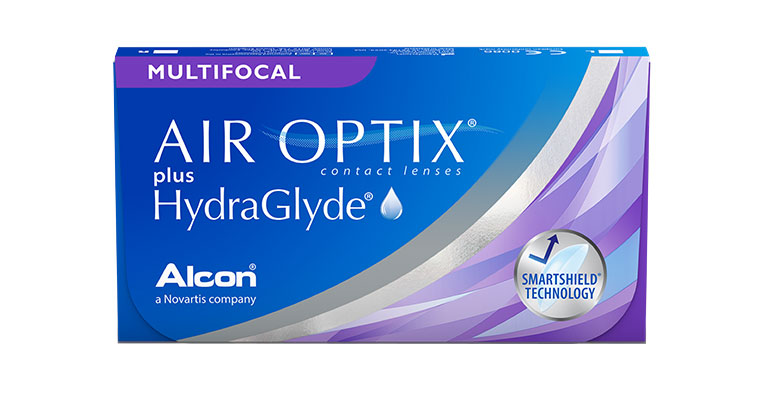
This may be useful if you need near, intermediate, and distance support and prefer a monthly lens. If you are considering wearing contacts after cataract surgery, wait until your surgeon says your eye has healed and your prescription is stable before trying any new lens.
How to Wear Contacts Safely if You Have Cataracts
If you have cataracts and still wear contacts, the goal is to keep your vision as clear as possible while still accounting for changes inside the eye. Contacts may help with your prescription, but safe wear and regular eye exams matter more as vision changes.
1. Keep up with comprehensive eye exams
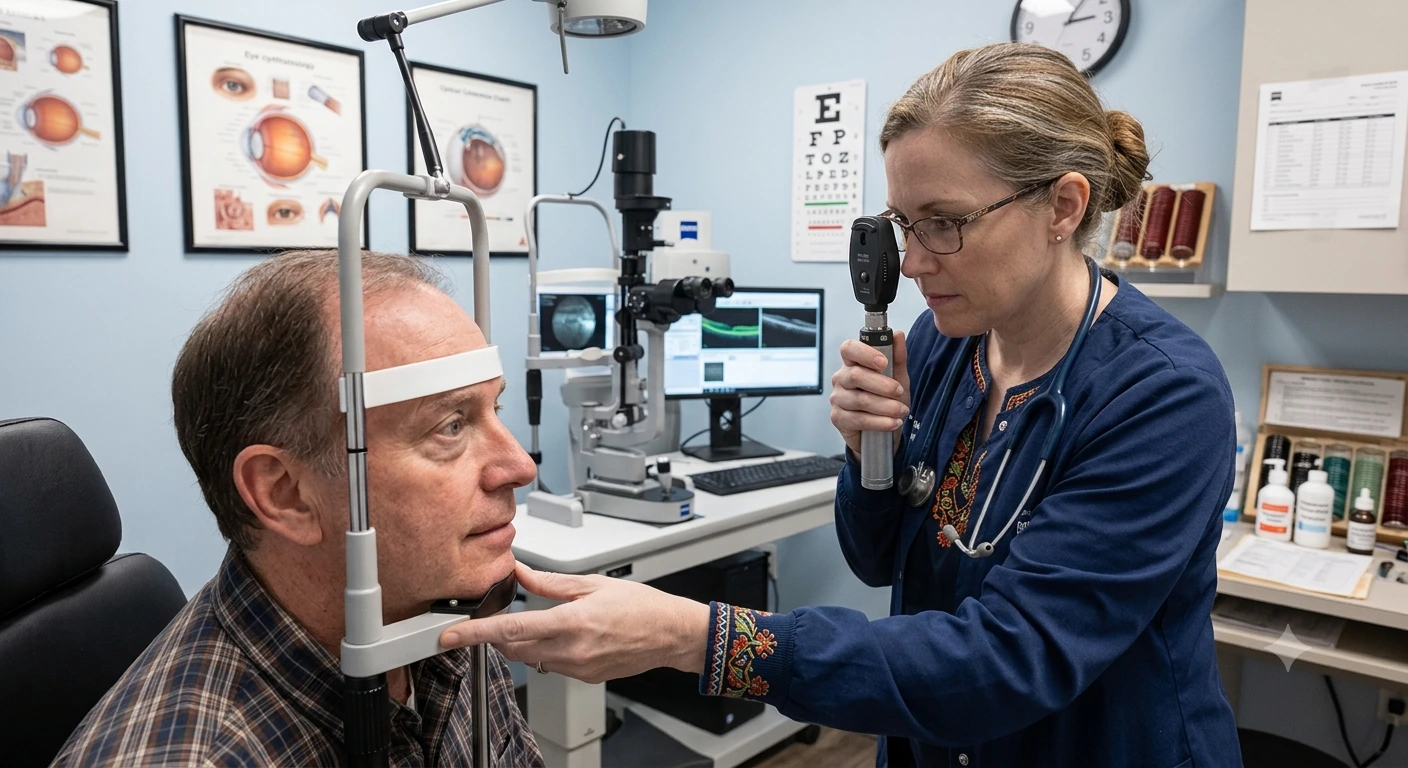
A routine contact lens check isn’t always enough when cataracts are part of the picture. You need a comprehensive exam with a cataract eye doctor who can check your prescription, contact lens fit, eye pressure, retina, and the clarity of your natural lens. A dilated exam can help confirm a cataract diagnosis and determine whether your blurry vision is due to cataracts, dry eye, astigmatism, or another eye health issue.
2. Do not keep changing contacts without checking the cataract
If your prescription keeps changing, do not assume you need another lens update. The National Eye Institute lists frequent changes in glasses or contact lens prescriptions as a possible cataract symptom, so repeated changes should prompt a full cataract screening. Contacts can correct focusing errors, but they cannot clear a cloudy natural lens.
3. Watch for dryness, irritation, or poor night vision
Contact lens dryness can make vision fluctuate, especially late in the day. Cataracts can also worsen vision in dim light, create glare around headlights, and make night driving more difficult. If you are dealing with both contact lens discomfort and night vision cataracts, write down when symptoms happen, what lighting makes them worse, and whether switching to glasses helps.
4. Follow contact lens care rules carefully
Good lens care helps protect your eyes from irritation and infection, especially if your vision is already affected by cataracts. The FDA advises contact lens wearers to follow the recommended wearing schedule, rub and rinse lenses as directed, avoid topping off old solution, clean and air-dry the case, keep lenses away from water, and contact an eye care professional if irritation or infection symptoms occur.
When Should You See an Eye Doctor?
Do not wait until your contacts completely stop working before booking an exam. Cataracts usually develop slowly, but changes in clarity, glare, night vision, or one eye’s vision should be checked. A full eye exam can tell whether the problem is your contacts, dry eye, cataracts, or another eye health issue.
Schedule an eye exam if you notice:
- Your contacts no longer make your vision clear.
- You keep seeing cloudy, blurry, or hazy vision with contacts.
- Night driving feels harder because of glare, halos, or dim vision.
- Bright light feels uncomfortable or more intense than usual.
- One eye changes faster than the other.
- You notice new double vision or sudden vision changes.
- Your eye looks red, painful, or unusually irritated.
- Your prescription keeps changing.
- You are preparing for cataract surgery and need instructions on when to stop wearing contacts.
- You want to know whether you may still need contacts after cataract surgery.
Not sure whether to book with an optometrist or go straight to an ophthalmologist when symptoms feel serious? Decide whether you should see an ophthalmologist or an optometrist so you can take the right next step faster.
Contacts Can Help Vision, But They Cannot Clear a Cataract
Contacts can still be useful when you have cataracts, especially in the early stages. They may help correct the prescription around the cataract, such as nearsightedness, farsightedness, astigmatism, or presbyopia. But they cannot remove or clear the cloudy natural lens that causes cataract symptoms. Cataract surgery does this by replacing the cloudy lens with a clear artificial lens, called an intraocular lens (IOL).
If your contacts no longer give clear, comfortable vision, do not keep changing prescriptions without a full eye exam. Track symptoms like cloudy vision, glare, halos, night-driving trouble, double vision, and frequent prescription changes. Then ask your eye doctor whether updated contacts, cataract monitoring, or cataract surgery planning makes the most sense for your eyes.
FAQs About Contacts and Cataracts
Can you wear contacts with cataracts?
Yes, many people can wear contacts with cataracts, especially when the cataract is still mild. Contacts can correct your prescription, but they cannot remove the cloudy natural lens that causes cataract-related haze, glare, or poor night vision.
Should you wear contacts if you have cataracts?
You can wear contacts if your eye doctor says your eyes are healthy enough and your lenses still give clear, comfortable vision. If you notice cloudy vision with contacts, worsening glare, or frequent prescription changes, schedule a cataract eye exam instead of only changing lens power.
Can contacts fix cataracts?
No. Contacts can correct refractive errors, including nearsightedness, farsightedness, astigmatism, and presbyopia, but cataracts form inside the eye’s natural lens. Cataract surgery is the treatment that removes the cloudy lens and replaces it with an artificial lens.
Do contact lenses make cataracts worse?
Contact lenses are not known to make cataracts worse. Poor contact lens habits can still harm your eyes by causing irritation, infection, or corneal problems, so safe lens care still matters.
Can contact lenses cause cataracts?
Contact lenses are not considered a direct cause of cataracts. Common cataract risk factors include aging, diabetes, smoking, heavy alcohol use, family history, eye injury or surgery, sun exposure, and steroid use.
Why is my vision still cloudy with contacts?
Your vision may still look cloudy with contacts because the cataract is scattering light inside the eye. Dry eyes, deposits, poor lens fit, or an outdated prescription can also cause blur, so a full exam can help separate a contact lens problem from cataract-related vision changes.
Can cataracts cause blurry vision even with contacts?
Yes. Cataracts and blurry vision can happen even when your contacts are the right prescription because the cloudy lens inside the eye still blocks or scatters light. Contacts may sharpen the prescription part of your vision, but they cannot make the natural lens clear again.
Can cataracts cause double vision?
Yes, cataracts can cause double vision, often in one eye. New double vision, sudden vision changes, or one eye changing faster than the other should be checked promptly because other eye conditions can also cause these symptoms.
Can cataracts make night driving harder?
Yes. Cataracts and night driving often become a problem because cataracts can cause glare, halos around headlights, poor contrast, and trouble seeing in low light. Contacts for night driving may not solve the issue if the cloudy natural lens is the main cause.
Can you wear multifocal contacts with cataracts?
Some people can wear multifocal contacts with cataracts, especially if they also have presbyopia or need help seeing at more than one distance. Multifocal contacts do not treat cataracts, so they work best when your cataract is mild, and your eye doctor confirms that the lens still fits your vision needs.
Disclaimer: This content is for general informational purposes only and is not a substitute for professional advice, diagnosis, or treatment.
References
Cataracts. National Eye Institute (National Institutes of Health). https://www.nei.nih.gov/eye-health-information/eye-conditions-and-diseases/cataracts. Date Accessed: May 15, 2026.
Causes of Cataracts. National Eye Institute (National Institutes of Health). https://www.nei.nih.gov/eye-health-information/eye-conditions-and-diseases/cataracts/causes-cataracts. Date Accessed: May 15, 2026.
Cataract Surgery. MedlinePlus (National Library of Medicine). https://medlineplus.gov/cataract.html. Date Accessed: May 15, 2026.
Cataract – adult. MedlinePlus Medical Encyclopedia (National Library of Medicine). https://medlineplus.gov/ency/article/001001.htm. Date Accessed: May 15, 2026.
Cataracts – Symptoms and causes. Mayo Clinic Staff / Mayo Clinic. https://www.mayoclinic.org/diseases-conditions/cataracts/symptoms-causes/syc-20353790. Date Accessed: May 15, 2026.
Cataracts – Diagnosis and treatment. Mayo Clinic Staff / Mayo Clinic. https://www.mayoclinic.org/diseases-conditions/cataracts/diagnosis-treatment/drc-20353795. Date Accessed: May 15, 2026.
Cataracts (Age-Related): Signs, Symptoms & Treatment Options. Cleveland Clinic. https://my.clevelandclinic.org/health/diseases/8589-cataracts-age-related. Date Accessed: May 15, 2026.
Do I need to stop wearing contact lenses, prior to cataract surgery? American Academy of Ophthalmology. https://www.aao.org/eye-health/ask-ophthalmologist-q/contact-lenses-cataract-surgery. Date Accessed: May 15, 2026.
What Are Cataracts? American Academy of Ophthalmology. https://www.aao.org/eye-health/diseases/what-are-cataracts. Date Accessed: May 15, 2026Date Accessed: May 15, 2026.
Everyday Eye Care (Contact Lenses). U.S. Food and Drug Administration. https://www.fda.gov/medical-devices/contact-lenses/everyday-eye-care. Date Accessed: May 15, 2026.