Ever wondered why some contact and lenses feel comfortable while others don’t? One major factor is the contact lens base curve (BC), a measurement that determines how well a lens fits your eye. Base curve is highly relevant to fitting rigid gas permeable contact lenses, hard contact lenses, and specialty contact lenses.
If it’s too flat, the lens might shift around and blur your vision. If it’s too steep, it could feel tight and cause discomfort.
If you’ve ever seen numbers like 8.4 or 9.0 on your contact lens prescription, that’s your base curve. Measured in millimeters, it plays a crucial role in ensuring the right fit.
But here’s the catch, most people don’t know what it actually means. And if you’re ordering lenses like Acuvue Oasys 24 Pack without considering your base curve, you might end up with a pair that doesn’t fit as well as it should.
BC on contacts stands for Base Curve. It refers to the curvature of the back surface of a contact lens, measured in millimeters. This number determines how well the lens fits your eye.
A lower BC (e.g., 8.3 or 8.4) means a steeper curve, designed for more curved corneas. A higher BC (e.g., 9.0 or 9.1) means a flatter curve, suited for less curved corneas.
The base curve of a contact lens usually ranges from 8.0 to 10.0 mm. Here’s a general guideline for selecting base curves based on corneal curvature:
Below is a sample chart listing of various contact lenses along with their base curves and diameters:
Contact Lens Brand | Base Curve (mm) | Diameter (mm) |
1-Day Acuvue Moist | 8.5, 9.0 | 14.2 |
1-Day Acuvue Moist for Astigmatism | 8.5 | 14.5 |
1-Day Acuvue TruEye | 8.5, 9.0 | 14.2 |
Acuvue Oasys | 8.4, 8.8 | 14.0 |
8.6 | 14.2 | |
Biofinity Contact Lens | 8.6 | 14.0 |
Dailies AquaComfort Plus | 8.7 | 14.0 |
FreshLook Colorblends | 8.6 | 14.5 |
Shop Better Affordable High Quality Daily Disposable Contact Lens at Lens.com
The base curve (BC) of a contact lens affects how well it fits your eye. If the curve is too flat, the lens may move too much, causing blur and irritation. If it’s too steep, it can feel tight, reducing oxygen flow and making removal difficult.
For example, 1-Day Acuvue Moist for Astigmatism base curve is designed to fit the eye properly, helping the lens stay stable throughout the day while ensuring clear vision. A proper base curve not only keeps the lens comfortable but also helps prevent dryness, redness, and long-term damage to the cornea. So, making sure your lenses are properly fitted is key to avoiding discomfort and maintaining eye health.
The base curve (BC) in contact lenses and eyeglasses refers to the curvature of the lens, but they serve different purposes and are measured differently.
In contact lenses, the base curve determines how the lens fits on the cornea. It’s measured in millimeters and typically ranges from 8.0 to 10.0 mm.
In eyeglasses, the base curve refers to the curvature of the front surface of the lens, not the fit on the eye. It’s measured in diopters instead of millimeters. The base curve in eyeglasses affects optical performance, lens thickness, and aesthetics rather than physical fit.
Unlike contact lenses, eyeglass base curves are not typically customized per person—opticians select the best option based on prescription strength and lens design.
Choosing the right base curve isn’t something you should figure out on your own.
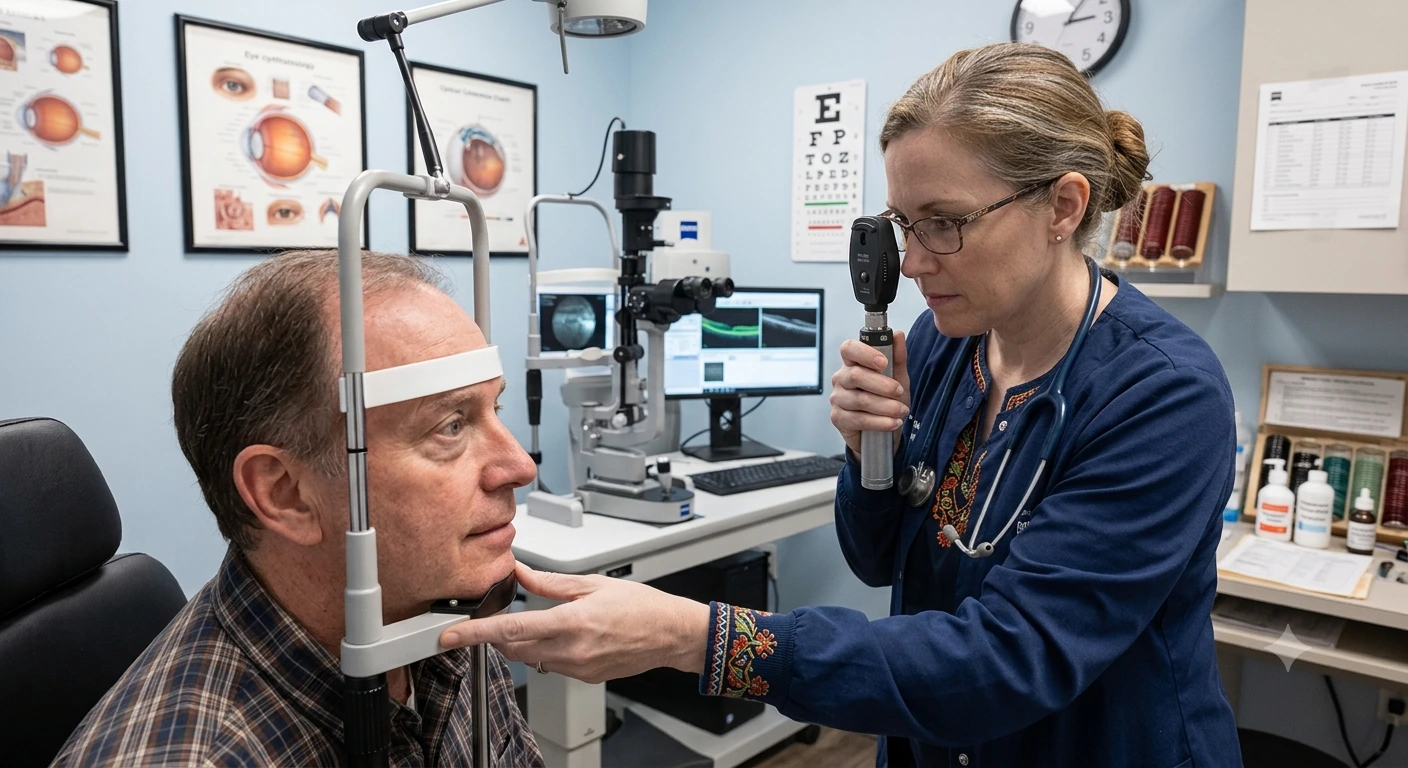
When you get a contact lens prescription, the base curve is chosen based on the shape of your cornea. Eye doctors use tools like a keratometer or corneal topographer to measure corneal curvature and ensure the lens sits correctly.
And if you’re having a hard time looking for contact lenses like this, try the 1-Day Acuvue Moist contact lenses for astigmatism. These lenses are designed with specific base curves to provide you with a comfortable and a more stable fit.
Unlike eyeglass prescriptions, which focus on lens power, contact lens prescriptions also include measurements like base curve, diameter, and material to ensure a proper fit. That’s why switching brands without consulting an eye doctor can be risky—even small differences in base curves can affect comfort and vision stability.
| FEATURE | AIR OPTIX NIGHT & DAY AQUA | BIOFINITY MONTHLY |
|---|---|---|
| Material | Lotrafilcon A (silicone hydrogel) | Comfilcon A (silicone hydrogel) |
| FDA‐approved Wear Time | Up to 30 days continuous wear | Up to 6 nights/7 days continuous wear |
| Oxygen Permeability | Very high (175 Dk/t) | High (160 Dk/t) |
| Moisture Technology | SmartShield Technology | Aquaform Technology |
| Ideal Users | Those who prefer maximum continuous wear | Those who prefer moderate extended wear with extra comfort |
| Specialty Lens Options | None specifically under “Night & Day” branding | Biofinity Toric, Biofinity Multifocal (each approved for up to 6 nights) |
You can find the base curve (BC) of your contact lenses in the following places:
Your base curve isn’t just a number—it’s the way to comfortable, clear vision. The wrong fit can lead to irritation, blurry vision, or worse. That’s why it’s important to stick to your eye doctor’s prescription and buy from a trusted retailer like Lens.com.
You get the right fit without the guesswork with authentic, FDA-approved lenses at great prices.
by Lens.com
Please select one or more filters:
Have a question? Call us at
1-800 LENS.COM (536-7266)
Online 24/7
© 1995-2021 Lens.com. All Rights Reserved. Lens.com is a contact lens replacement company, and a direct to consumer marketer of contact lenses.
As a contact lens replacement center, we can only sell you contact lenses that you have a valid prescription for, and are wearing successfully.