
Rigid Gas Permeable Contact Lenses
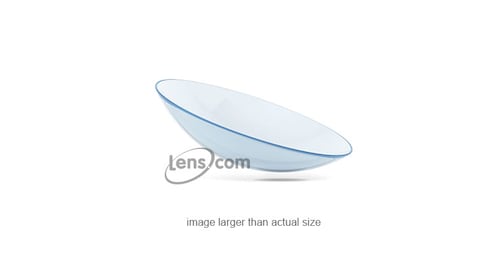
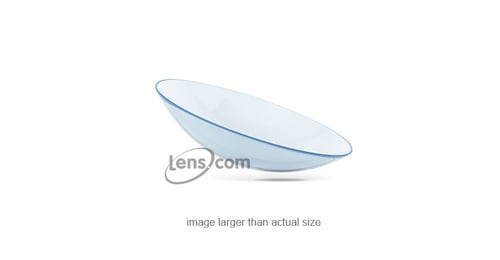
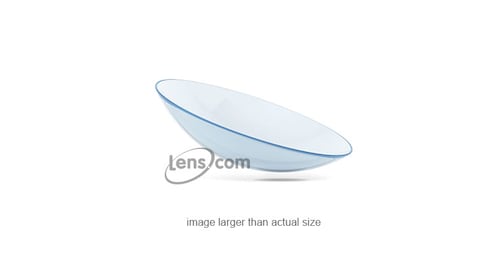
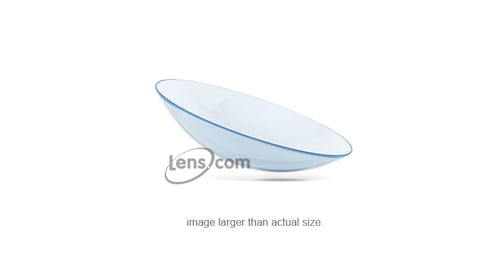
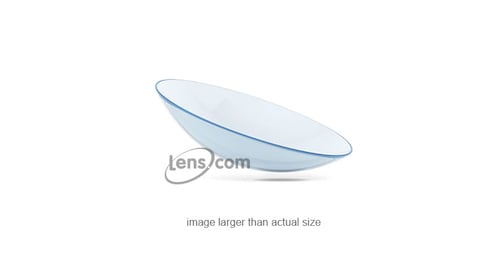
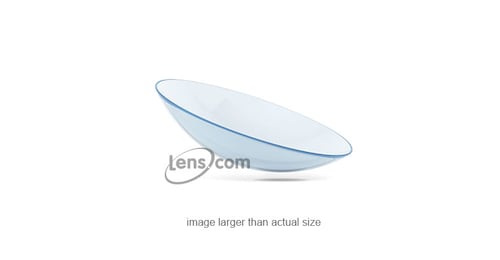
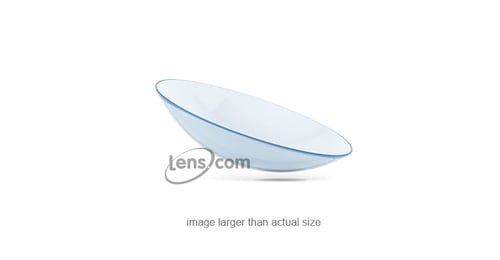
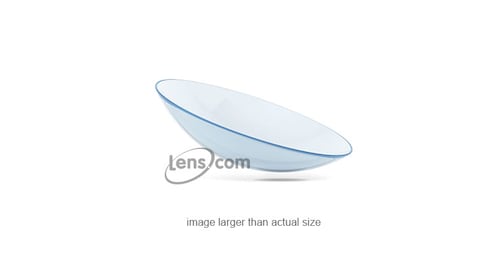
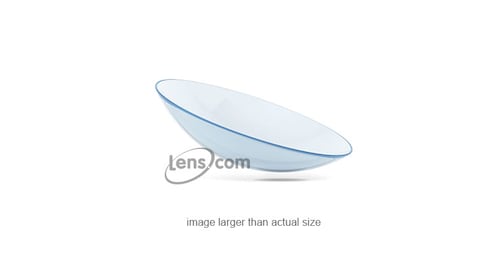
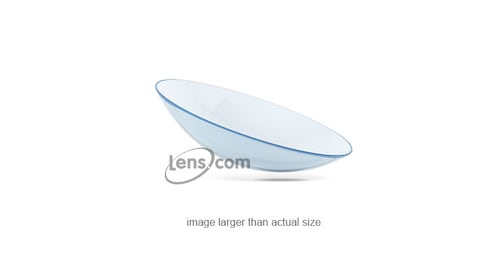
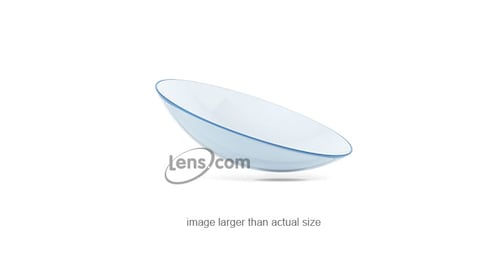
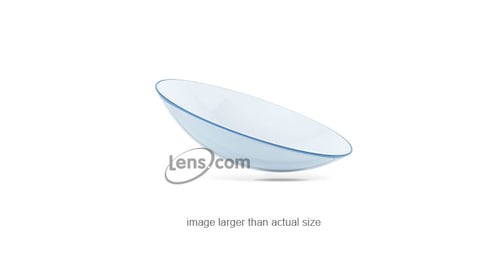
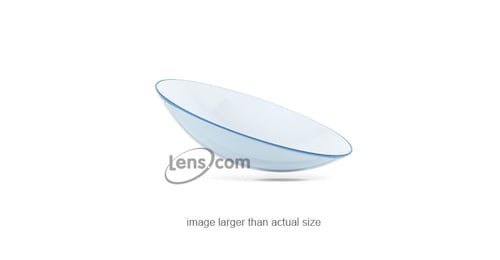
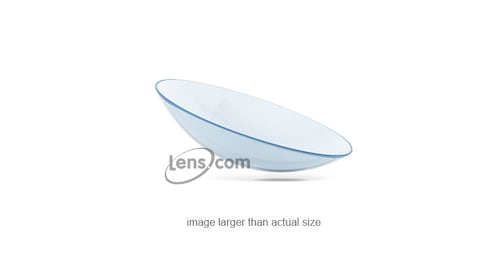
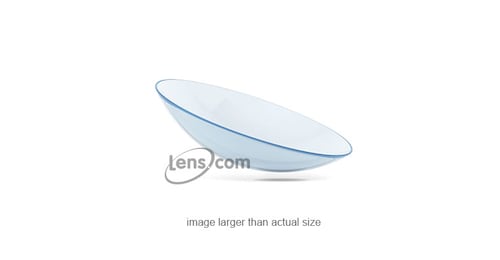
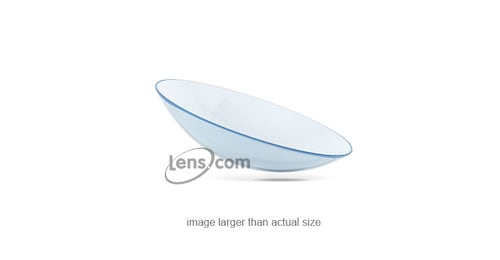
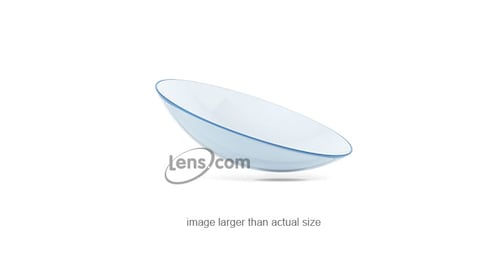
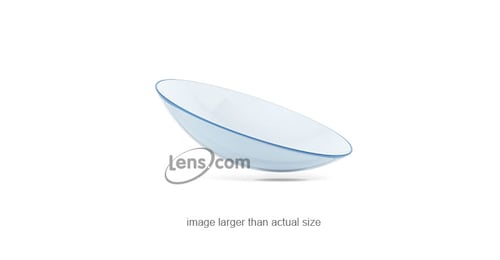
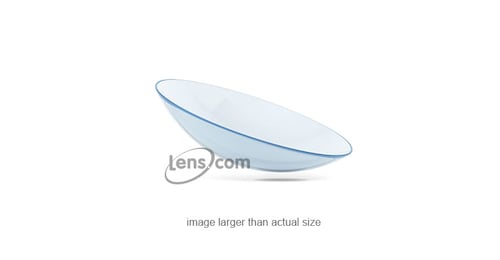
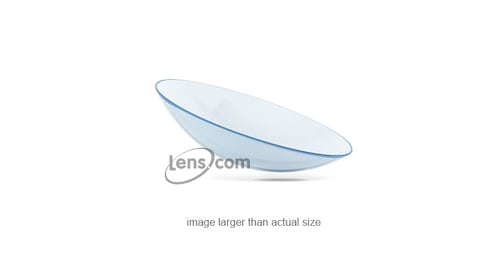
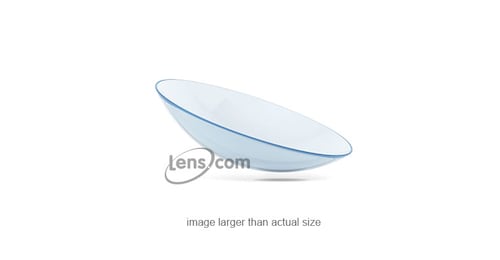
Rigid gas permeable contact lenses, commonly known as RGP or GP lenses, are durable, firm lenses. Unlike older hard lenses, they are made from advanced, oxygen-permeable materials that let your eyes breathe comfortably while maintaining their shape.
RGP contact lenses don't flex like standard soft contacts, so they create a smooth optical surface that can help bring vision into sharper focus. This makes them a strong choice for people who need contact lenses for astigmatism, keratoconus, or unique prescriptions that require a more tailored fit.
While they do require a brief adjustment period, most wearers find the crystal-clear visual clarity and long-lasting durability are well worth the wait.
How Do Rigid Gas Permeable Contact Lenses Differ From Soft Contact Lenses?
RGP and soft options both do a wonderful job of correcting your vision, but these contact lenses can provide very different experiences when it comes to feel, fit, and daily performance.
- Material: RGP lenses are crafted from advanced, rigid polymers that naturally allow oxygen to flow through. Soft lenses are made from flexible, water-absorbing materials, including hydrogels and silicone hydrogel contact lenses.
- Shape and Stability: RGP lenses maintain their custom structure directly on the eye. Soft lenses drape gently and closely over the natural curve of your cornea.
- Visual Sharpness: RGP lenses provide a smooth, stable surface that can support crisp visual clarity, making them especially useful for correcting astigmatism or irregular corneas.
- Initial Comfort: Soft lenses offer almost instant comfort. RGP lenses require a bit of patience as your eyes and eyelids naturally adapt to the feel of the lens.
- Lens Movement: RGP lenses are designed to glide slightly with every blink to coax healthy tear exchange. Soft lenses rest more snugly and feel immediately stable on the eye.
- Care Routine: RGP lenses thrive on a dedicated maintenance routine, requiring specialized cleaning, conditioning, and storage solutions specifically formulated to keep gas-permeable materials pristine.
- Lens Lifespan: When handled with care, properly cleaned, and safely stored, a single pair of durable RGP lenses can significantly outlast standard soft lenses.
- The Fitting Process: RGP lenses are custom-tailored to the precise shape of your cornea, so the fitting process involves detailed measurements and close collaboration with your eye care doctor to achieve the right fit.
What Do RGP Contact Lenses Feel Like When First Worn?
When you wear RGP contact lenses for the first time, you will likely feel them on your eyes much more than you would with standard soft contact lenses. Since these lenses maintain a firm structure and are designed to glide gently with each blink, your eyelids need a little time to naturally adapt to the sensation of the lens edge.
Who Might Be Fitted for Rigid Gas Permeable Lenses?
Rigid gas permeable contact lenses are not the first choice for every contact lens wearer, but they can be a strong option when soft lenses do not give the needed vision, fit, or stability.
- People with astigmatism
RGP lenses can help create a smoother focusing surface, which can improve sharpness for some astigmatism prescriptions. - People with keratoconus
RGP lenses are often fitted for keratoconus because they can help correct vision affected by an irregular cornea. - People with irregular corneas
Scarring, surgery, injury, or corneal shape changes can make soft lenses less effective, so RGP lenses might be recommended. - People who want sharper vision than soft lenses give
Some wearers notice crisper vision with RGP lenses because the lens keeps its shape on the eye. - People with higher or more complex prescriptions
RGP lenses can be custom-fitted for prescriptions that need more precise correction. - People who have trouble with soft lens deposits
RGP lenses are less water-heavy than soft lenses, so they can be easier for some wearers to keep clean. - People willing to go through an adjustment period
RGP lenses can feel noticeable at first, so they work best for wearers who can follow a gradual wearing schedule.
How Can RGP Lenses Help With Astigmatism or Irregular Corneas?
Since RGP lenses maintain a firm, completely stable shape on the eye, their smooth focusing surface compensates for any natural irregularities underneath. This structural integrity allows light to pass through and focus evenly onto the retina, directly targeting and reducing the frustrating blur, distortion, glare, or ghosting that accompany astigmatism.
The natural tear layer that pools between the lens and your cornea cleverly fills in any uneven microscopic dips on the eye's surface. This built-in optical benefit is precisely why RGP lenses are highly recommended for managing complex eye conditions like keratoconus or post-surgical corneal changes.
Since success rests entirely on how the lens interacts with this tear layer, a meticulous custom fitting by an eye care professional is needed to balance comfort, healthy lens movement, and crisp vision.
Cleaning and Storing RGP Contact Lenses
RGP lenses require a dedicated care routine explicitly formulated for gas permeable materials. Using soft lens products can compromise the RGP lenses unless your eye care professional specifically advises otherwise.
- Wash and dry your hands thoroughly first:Beginning with clean, completely dry hands ensures that unwanted germs, natural skin oils, and stray lint never make contact with your lenses.
- Stick to the exact RGP solutions your doctor recommends:The polymers depend on highly specialized cleaners, wetting conditioners, storage solutions, or hydrogen peroxide systems to stay safe and comfortable.
- Gently rub each lens immediately after removal:Place the lens in your palm, apply a few drops of the prescribed daily cleaner, and carefully rub the surface to break up and lift away microscopic debris.
- Rinse exclusively with an approved solution:Never use tap water to rinse your RGP lenses. Water harbors hidden, resilient microorganisms that can lead to severe eye infections.
- Pour fresh solution into your case every single time:Always discard the used liquid and fill your case with entirely new solution. Never top off or reuse yesterday's mixture.
- Keep your lens case clean and dry:Empty your case, rub and rinse it thoroughly with fresh contact lens solution, and leave it to air-dry upside down on a clean tissue with the caps off.
- Replace your lens case on a regular schedule:To prevent invisible bacterial biofilms from forming, follow health guidelines and swap out your old contact lens case for a fresh one at least every three months.
- Respect the recommended soaking times on the label:Give your solutions time to work. Many disinfection systems, especially hydrogen peroxide formulas, require several uninterrupted hours to safely neutralize.
- Avoid mixing different care brands without expert guidance:Switching between random products or combining mismatched solutions can trigger chemical reactions that compromise your comfort, cleaning efficiency, or safety.
- Consult your eye doctor if stubborn buildup persists: If heavy protein or surface deposits keep returning, it may be a sign that your eyes need a different specialized cleaner or a tailored adjustment to your care routine.
How Long Do Rigid Gas Permeable Contact Lenses Last?
Thanks to their rigid, durable composition, RGP lenses have an impressive lifespan that outlasts standard soft lenses. When paired with a diligent routine of proper cleaning, safe storage, and careful handling, a single pair of high-quality RGP lenses can comfortably serve you for a year or even longer before requiring a replacement.
How long your lenses last wholly depends on ongoing factors like natural surface buildup, microscopic scratches, warping, prescription changes, and your eye doctor's guidance.
Even if your lenses appear pristine, having them checked during your routine exams ensures that their fit, material integrity, and vision correction continue to support your optimal eye health and comfort.
Check Before Buying RGP Lenses
Because RGP contact lenses are custom-engineered for your eyes, purchasing them is a much more precise process than simply grabbing a standard box of soft lenses. Before finalizing your order, it is essential to double-check that every specific measurement aligns perfectly with your current prescription and your eye doctor's exact fitting instructions.
- Make sure your prescription is current and explicitly written for RGP lenses. A standard soft contact lens prescription cannot be used to order gas permeable lenses, as the design philosophy and fitting dynamics are entirely different.
- Match every figure to your prescription exactly Ensure the specific lens brand, material, base curve, diameter, power, and any specialized peripheral curves or custom details are entered flawlessly.
- Double-check the specific measurements for both your right and left eyes. Because RGP lenses are customized, the details for each eye will often differ significantly. Make sure they aren't accidentally swapped.
- Confirm that the seller strictly requires prescription verification before shipping Reputable distributors will always validate your exact measurements with your eye care professional to ensure your safety and accuracy.
- Ensure the lenses are the exact model your doctor fitted, not a close alternative. Avoid any substitute brands or soft lenses that sound vaguely similar. Even a tiny variation in a custom design can completely disrupt your fit and vision.
- Review the return and exchange policies specifically for custom-made lenses. Because RGP lenses are made-to-order for your specific eye shape, return or modification policies are often much stricter than those for mass-produced soft contacts.
- Make sure your order includes the correct, specialized RGP care products. Take a moment to ensure you are stocked up on the precise cleaning, conditioning, and storage solutions required to maintain your specific gas-permeable material.
- Align your purchasing quantity with your eye doctor's recommended replacement timeline. Even though these durable lenses are built to last a long time, always defer to your practitioner's schedule regarding when to swap them out for a fresh set.
Can RGPs Move Around or Pop Out?
Because RGPs are smaller than soft lenses and designed to glide gently with every blink, they can occasionally shift out of place on the eye. This movement is usually minor and naturally aids in keeping the cornea healthy, though sudden or rapid eye movements can sometimes cause the lens to drift off-center.
While it is relatively rare for them to pop out entirely during normal daily activities, it can happen during high-impact sports or if you rub your eyes aggressively. Fortunately, learning proper blinking techniques and following a precise custom fitting with your eye doctor will keep your lenses securely positioned and stable.
What You Should Ask Your Eye Doctor About RGP Lenses
RGP lenses are custom-fitted, so your eye doctor is the best person to explain how they would work for your eyes. Bring your questions to the fitting appointment so you know what to expect with comfort, vision, care, and replacement.
- Am I a good candidate for RGP lenses?
Ask whether your prescription, corneal shape, tear film, and eye health match this lens type. - Would RGP lenses give me sharper vision than soft lenses?
This is worth asking if you have astigmatism, keratoconus, irregular corneas, or blurry vision with soft contacts. - How long will the adjustment period take?
RGP lenses can feel more noticeable at first, so ask what wearing schedule you should follow. - What should the lenses feel like when they fit correctly?
Your eye doctor can explain the difference between normal awareness and discomfort that needs attention. - How much lens movement is normal?
RGP lenses move more than soft lenses, but too much movement can affect comfort and vision. - What cleaning products should I use?
Ask which cleaner, conditioner, storage solution, or hydrogen peroxide system is safe for your specific lenses. - How often should I replace my RGP lenses?
Replacement timing can depend on lens condition, prescription changes, deposits, scratches, and fit. - What signs mean I should stop wearing them?
Ask what symptoms, such as redness, pain, light sensitivity, or worsening vision, should prompt a call or visit. - Can I order replacement lenses online?
Ask what exact lens details need to match your prescription before ordering. - How often should I come back for follow-up visits?
RGP lenses need fit checks, especially during the first few weeks and during routine eye exams.
Some RGP Lenses Can Gently Reshape the Cornea
Did you know that certain rigid gas permeable lenses are uniquely engineered to gently reshape your cornea while you rest? This specialized process is known as orthokeratology, ortho-k for short, and it uses custom-molded GP lenses to beautifully contour the front surface of your eye overnight.
The ultimate goal of this therapy is to provide you exceptionally clear vision throughout your waking hours, entirely free from the need for glasses or daytime contact lenses.
Because this reshaping effect is completely temporary, your cornea will gradually return to its natural baseline shape if you stop wearing the lenses. It is important to remember that standard daytime RGP lenses are completely different from ortho-k designs, so this specialized, lifestyle-changing option must be precisely fitted by an eye care professional.
References
Evaluation of RGP Contact Lens Fitting in Keratoconus Patients. Marvast FF, et al. https://pubmed.ncbi.nlm.nih.gov/27046564/. March-31-2016. Date accessed, May 25, 2026.
Types of Contact Lenses. U.S. Food and Drug Administration. https://www.fda.gov/medical-devices/contact-lenses/types-contact-lenses. January-16-2018. Date accessed, May 25, 2026.
Hydrogen Peroxide Solution. U.S. Food and Drug Administration. https://www.fda.gov/medical-devices/contact-lenses/hydrogen-peroxide-solution. January-16-2018. Date accessed, May 25, 2026.
Contact Lens Wearer Demographics and Risk Behaviors for Contact Lens-Related Eye Infections�United States, 2014. Centers for Disease Control and Prevention. https://www.cdc.gov/mmwr/preview/mmwrhtml/mm6432a2.htm. August-21-2015. Date accessed, May 25, 2026.
The Contact Lens Rule: A Guide for Prescribers and Sellers. Federal Trade Commission. https://www.ftc.gov/business-guidance/resources/contact-lens-rule-guide-prescribers-sellers. June-2020. Date accessed, May 25, 2026.