

If your contact lenses feel comfortable in the morning but become dry, filmy, or irritating by late afternoon, you are not alone. This end-of-day discomfort is one reason water gradient lenses were developed.
Within the broader category of soft contact lenses, water gradient designs use a breathable inner core and a more water-rich outer surface. This structure is intended to provide oxygen flow while giving the part of the lens that touches your eye a softer, smoother feel. When looking for the best contacts for dry eyes, this type of moisture-focused technology may be worth discussing with your eye care professional.
What Are Water Gradient Contact Lenses?
Water gradient contact lenses are soft contact lenses designed with two jobs in mind. The inner core is a breathable silicone hydrogel material, while the outer surface becomes much more water-rich, so the part touching your eye feels wetter and softer than a uniform lens material. That is the simplest answer to what are water gradient contact lenses.
Unlike some other types of contact lenses that maintain a more uniform water content throughout the material, water-gradient lenses increase in moisture from the center toward the surface. This design is intended to balance oxygen transmission, structure, and surface comfort.
Wondering what makes silicone hydrogel different from regular hydrogel in the first place? Understand hydrogel vs silicone hydrogel so the “breathable core” part makes more sense.
Why the “gradient” matters
The word “gradient” matters because the water content changes gradually from the center of the lens to the surface instead of staying the same all the way through. In delefilcon A water gradient lenses such as DAILIES TOTAL1, the core has about 33% water while the surface approaches nearly 100% water, which helps combine breathability with a gentler surface feel.
Who this technology is trying to help
This technology is mainly trying to help you if your lenses tend to feel less comfortable as the day goes on. It is especially relevant if you deal with end-of-day dryness, heavy screen time, or that “I can feel my lenses now” sensation after hours of wear, because the whole design is aimed at reducing friction and improving surface moisture where your eye actually feels the lens most.
What Does “Water Gradient” Mean in Contact Lenses?
When you see the term water gradient contact lenses, it means the lens is not made from one identical material all the way through. Instead, the center uses a breathable silicone hydrogel contact core, while the outer surface becomes much more water-rich, so the part that touches your eye feels softer and wetter. This surface-focused design is one reason water gradient lenses are often compared with the most comfortable contact lenses for wearers who want both breathability and a smooth, hydrated feel.
What “nearly 100% water at the surface” actually means
This does not mean the whole lens is almost pure water. It means the outermost surface, the part your eyelid and tear film interact with, is extremely water-rich even though the inner core is still a different material designed for structure and oxygen flow. In delefilcon A water gradient lenses such as DAILIES TOTAL1, the core is about 33% water, the transition zone rises above 80% water, and the lens surface approaches nearly 100% water.
Why water gradient is different from “gradient” sunglasses
Here, “gradient” has nothing to do with tint or color. With sunglasses, gradient usually refers to a darker shade at the top and a lighter shade at the bottom. With water gradient lenses, it describes a gradual change in contact lens water content from the inside of the lens to the outside. So when you read about contact lens surface water, you are reading about material design and comfort, not lens shading.
How Do Water Gradient Contact Lenses Work?
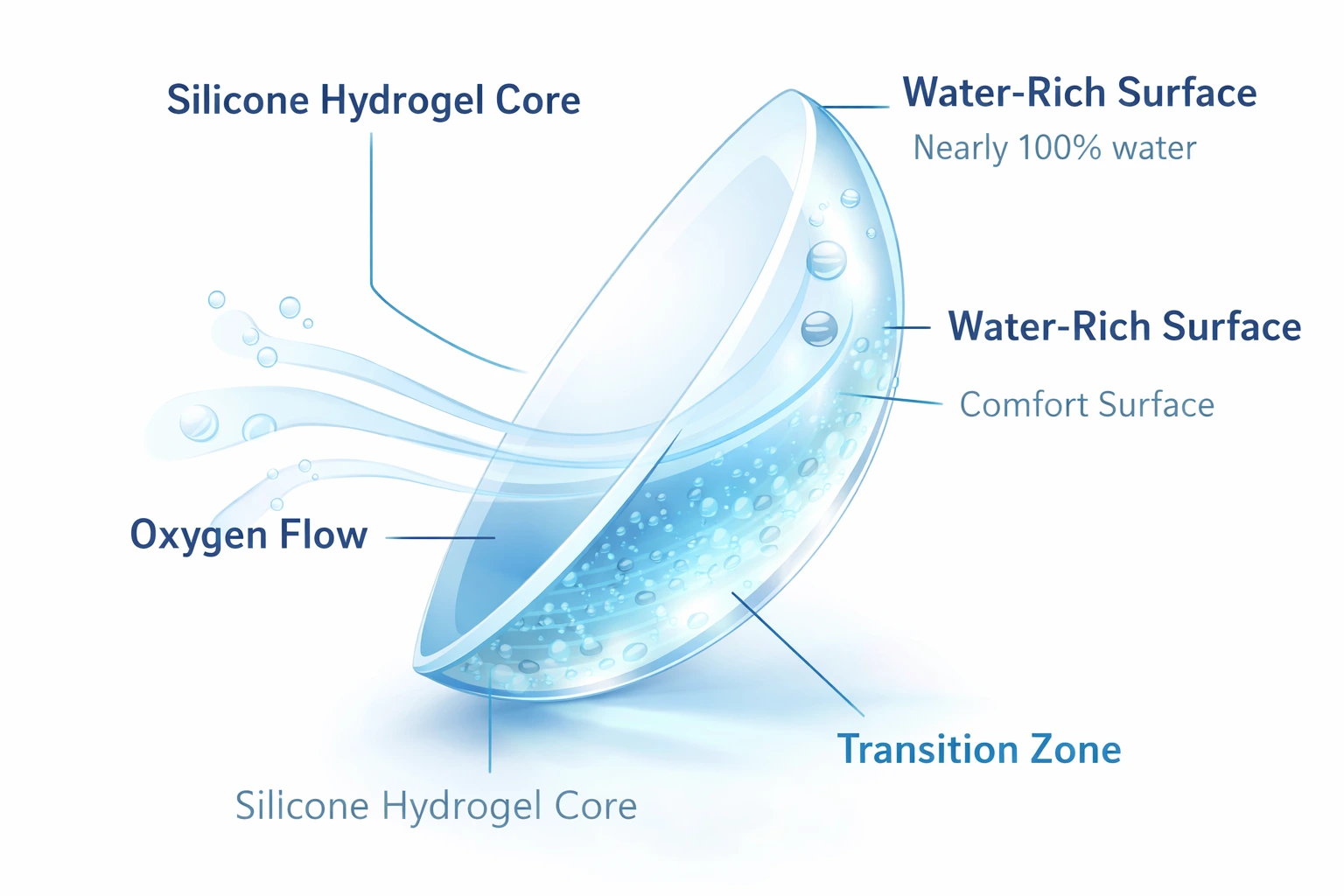
Why they have a silicone hydrogel core and water-rich surface
The idea is to give different parts of the lens different jobs. The core is made to stay breathable, which helps oxygen reach your eye. The outer surface is made to feel smoother and more moisture-rich, which can improve comfort as you blink throughout the day. That is the basic answer to how water gradient contact lenses work and why they are often positioned as contacts for dry eyes or long-wear comfort options.
How the water content changes from core to surface
This is where the technology gets interesting. In DAILIES TOTAL1 water gradient technology, the delefilcon A lens starts with about 33% water in the core, then increases through a transition zone to over 80% water, with the outermost surface approaching nearly 100% water. In lehfilcon A water gradient lenses such as TOTAL30, the monthly lens starts with a 55% water core and also increases to nearly 100% water at the outer surface. So daily and monthly water gradient contacts use the same overall idea, but not the exact same material profile.
How the surface interacts with your eyelid and tear film
What you actually feel during wear is mostly the lens surface, not the inner core. A more lubricious, wettable surface can reduce friction as your eyelid moves across the lens, and that matters because you blink thousands of times a day. Alcon’s professional materials describe the surface of these lenses as soft, highly wettable, and lubricious, and also report moisture stability and tear-film related comfort benefits on the eye. That is why water gradient contact lens comfort is so closely tied to surface water, tear film behavior, and end-of-day wear experience.
Seeing “oxygen permeability” mentioned and not sure what it really means for comfort and safety? Decode DK/T oxygen permeability so you can compare lenses more confidently.
Why Water Gradient Lenses Were Developed
The problem with single-material contact lenses
For a long time, soft contact lenses were mostly built from one main material throughout the whole lens. That sounds simple, but it creates a built-in compromise because the center of a lens and the surface of a lens do not need to do the exact same job. The core needs to stay breathable and stable, while the surface needs to feel smooth, soft, and comfortable against your eye. Water-gradient lenses were developed to give the core and surface different jobs. Not every daily disposable uses that type of gradient design; focus daily contacts, for example, are hydrogel daily lenses with a 69% water content and AquaRelease technology.
Why oxygen and comfort often compete
This is where lens design gets tricky. You want a lens that lets plenty of oxygen through, but you also want the surface to feel wet and gentle all day. Those two goals do not always line up perfectly in one uniform material. Water gradient designs were created to separate those jobs more intelligently by keeping a highly breathable silicone hydrogel core and a much more water-rich outer surface. That is a big reason water gradient technology is often described as a comfort-focused response to end-of-day dryness and friction.
How water gradient lenses try to balance both
Instead of forcing one material to do everything, water gradient contact lenses use a layered or gradient-based approach. In daily water-gradient lenses such as delefilcon A, the lens transitions from about 33% water in the core to more than 80% at the surface, with the outermost surface approaching nearly 100% water. In monthly water-gradient lenses such as TOTAL30 water gradient technology, the core is 55% water and the outermost surface approaches nearly 100% water. The whole point is to give you strong oxygen delivery from the core and a softer, wetter feel where the lens actually touches your eye.
Water Gradient Contact Lenses vs Standard Silicone Hydrogel Lenses
The clearest difference is structure. Standard silicone hydrogel contacts are usually more uniform from the middle of the lens to the surface. Water gradient lenses vs silicone hydrogel lenses are different because water-gradient designs intentionally change from core to surface, so the lens does not feel the same all the way through. That makes the surface much more water-rich than the inside of the lens.
Homogeneous lens vs gradient lens structure
You can think of a standard silicone hydrogel lens as more homogeneous, meaning the material is relatively consistent throughout. A water gradient contact lens is gradient-based, which means the water content increases as you move outward toward the surface. In delefilcon A, that change runs from about 33% water in the core to more than 80% at the surface, with the outermost surface approaching nearly 100% water. In TOTAL30, the core is 55% water and the outermost surface also approaches nearly 100% water.
Trying to picture how contact lenses are actually built from the inside out? Explore what soft contact lenses are made of so the core versus surface idea clicks faster.
Why that difference may matter on the eye
What you actually feel during wear is the surface, not the core. So if the surface is softer, wetter, and more lubricious, blinking can feel smoother and the lens may stay more comfortable later in the day. That is why water gradient contact lenses benefits are usually described in terms of comfort, surface moisture, and a gentler feel on the eye rather than just oxygen transmission alone. If your lenses tend to feel dry, draggy, or less comfortable by late afternoon, the difference in surface design may be one of the most important things to pay attention to.
How Water Gradient Technology Helps With Comfort
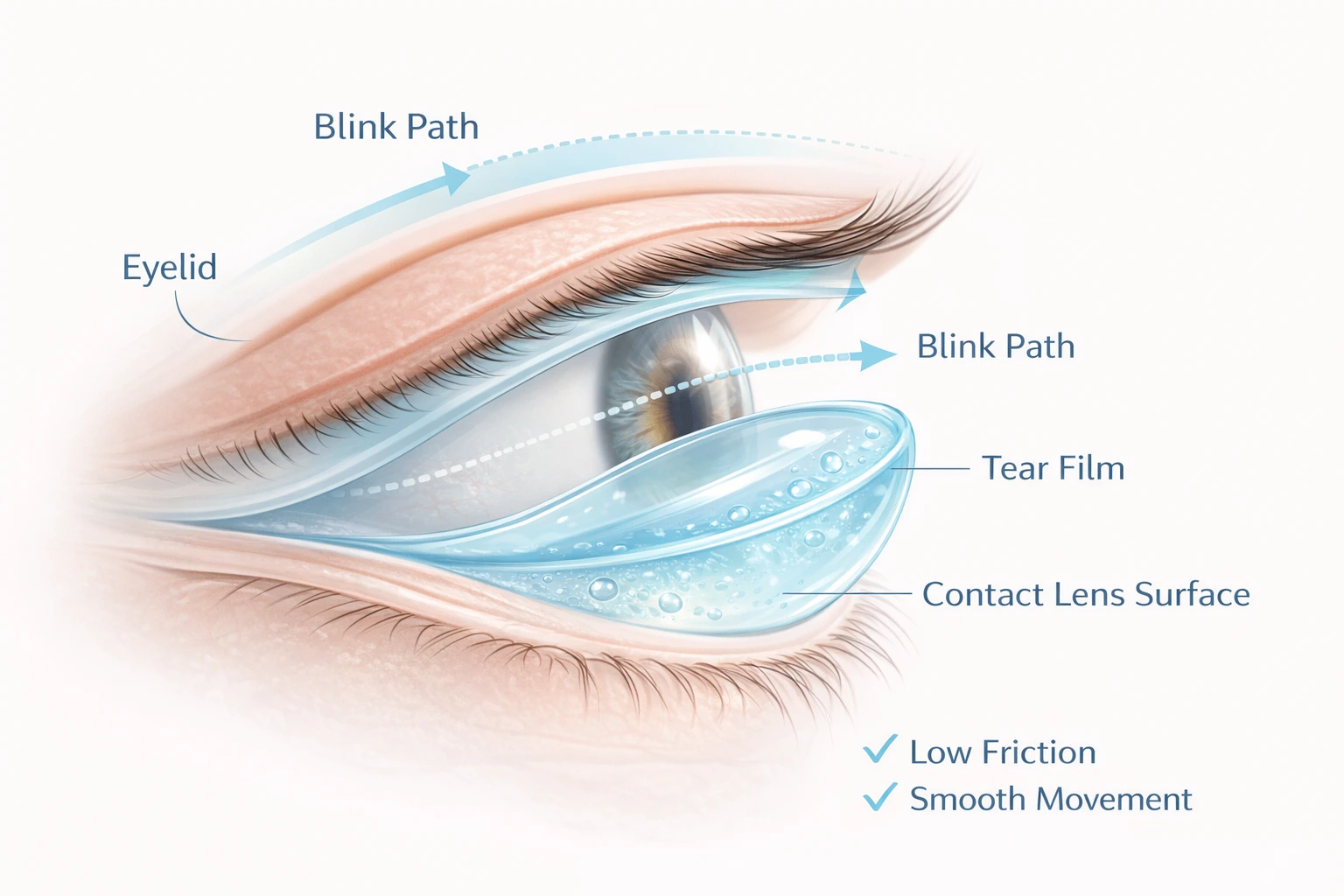
Why surface lubricity matters
When you wear contacts, the surface is what your eye actually feels. If that surface stays smoother and wetter, the lens can feel less noticeable through the day. That is one reason water gradient technology gets so much attention. In these lenses, the breathable core is paired with a much more water-rich outer surface, and in delefilcon A lenses the surface approaches nearly 100% water. Alcon describes that outer layer as a “gentle cushion of moisture,” and research on water-gradient lenses links this kind of surface design to better wettability and comfort.
What blinking has to do with lens comfort
Every blink creates movement between your eyelid, your tear film, and the lens surface. If the surface is less wettable or more friction-prone, you are more likely to notice dryness, drag, or that filmy feeling as the day goes on. That is why a softer, more lubricious surface can make such a difference. Alcon’s professional materials emphasize high surface water and comfort, and published studies on delefilcon A and lehfilcon A report good wettability, stable performance, and improved tear-film behavior during wear.
Why end-of-day comfort is such a big deal
The real test for many contact lens wearers is not how a lens feels in the first hour. It is how it feels by late afternoon or evening. That is where water gradient contact lens comfort becomes especially relevant. A 2024 study of symptomatic wearers found significantly better end-of-day comfort and less end-of-day dryness with DAILIES TOTAL1 compared with participants’ habitual daily lenses, and another 2025 digital-device study reported that most participants felt the lens provided all-day comfort during at least six hours of screen use.
Are Water Gradient Contact Lenses Better for Dry Eyes?
If your dryness is mostly about lens wear comfort, water gradient contact lenses for dry eyes may help. The strongest case is for people whose lenses feel fine early in the day but get drier later, especially with screen time or long wear. Studies on delefilcon A and lehfilcon A have found better end-of-day comfort, less end-of-day dryness, and improvements in tear-film stability, which supports the idea that these lenses can reduce some contact-lens-related dryness symptoms.
What they cannot fix on their own
That said, they are not a cure-all. If your dryness is being driven by underlying dry eye disease, eyelid inflammation, allergies, or another eye-surface problem, changing lens materials may help but may not solve the whole issue. Research on water-gradient lenses is promising for comfort and tear-film behavior, but it does not mean every dry-eye problem is really a lens-material problem.
When dry-eye symptoms still need an eye exam
If you have ongoing redness, irritation, fluctuating blur, or discomfort that keeps coming back, it is smart to book an eye exam instead of just switching products on your own. The same goes if your lenses suddenly feel much worse than usual or your vision becomes unstable during the day. Water-gradient lenses can be a strong comfort option, but persistent symptoms still deserve a proper evaluation so you can find out whether the problem is the lens, your tear film, your fit, or something else.
Not sure what actually helps when contacts make dryness worse over time? Follow how to prevent dry eyes while wearing contact lenses so you can improve comfort beyond switching brands.
Who Should Try Water Gradient Contact Lenses?
Dry eyes and irritation
If your lenses tend to feel dry, irritating, or less comfortable later in the day, water gradient contact lenses may be worth asking about. A 2024 study found that symptomatic daily disposable wearers refit into delefilcon A lenses reported improved end-of-day comfort, reduced end-of-day dryness, and longer comfortable wear time than with their habitual daily lenses.
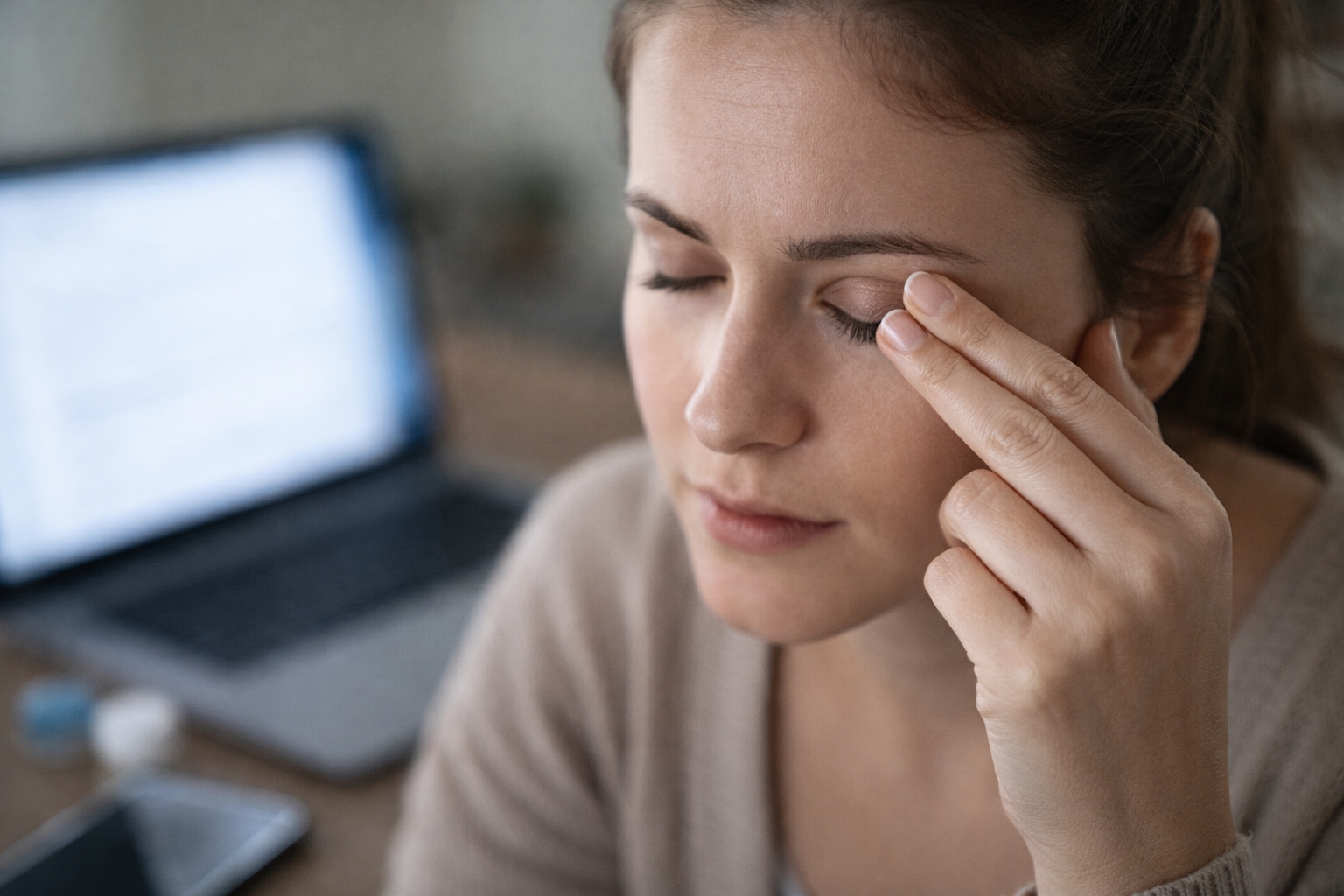
That does not mean these lenses fix every type of dry eye. But if your main complaint is lens-related dryness or that dry, filmy feeling after several hours of wear, a more water-rich surface may be a better match for you than a more uniform material.
Long screen time
If you spend a big part of your day looking at screens, you are one of the groups most likely to notice the comfort angle of this technology. Alcon says people blink 60% less while looking at screens, and that more screen time plus less blinking can lead to digital device dryness.

That is why water gradient contact lenses screen time is such a useful search phrase. If you feel fine in the morning but your lenses get worse after hours at a computer, the smoother, wetter surface of a water-gradient lens may be exactly the kind of change you notice most.
Dry air, air conditioning, and long wear days
You may also be a good candidate if your eyes feel worse in air-conditioned offices, heated indoor spaces, or other dry environments. Water-gradient lenses are specifically marketed around comfort, moisture retention, and all-day wear, and official product materials position them for people dealing with long days and environmental dryness.
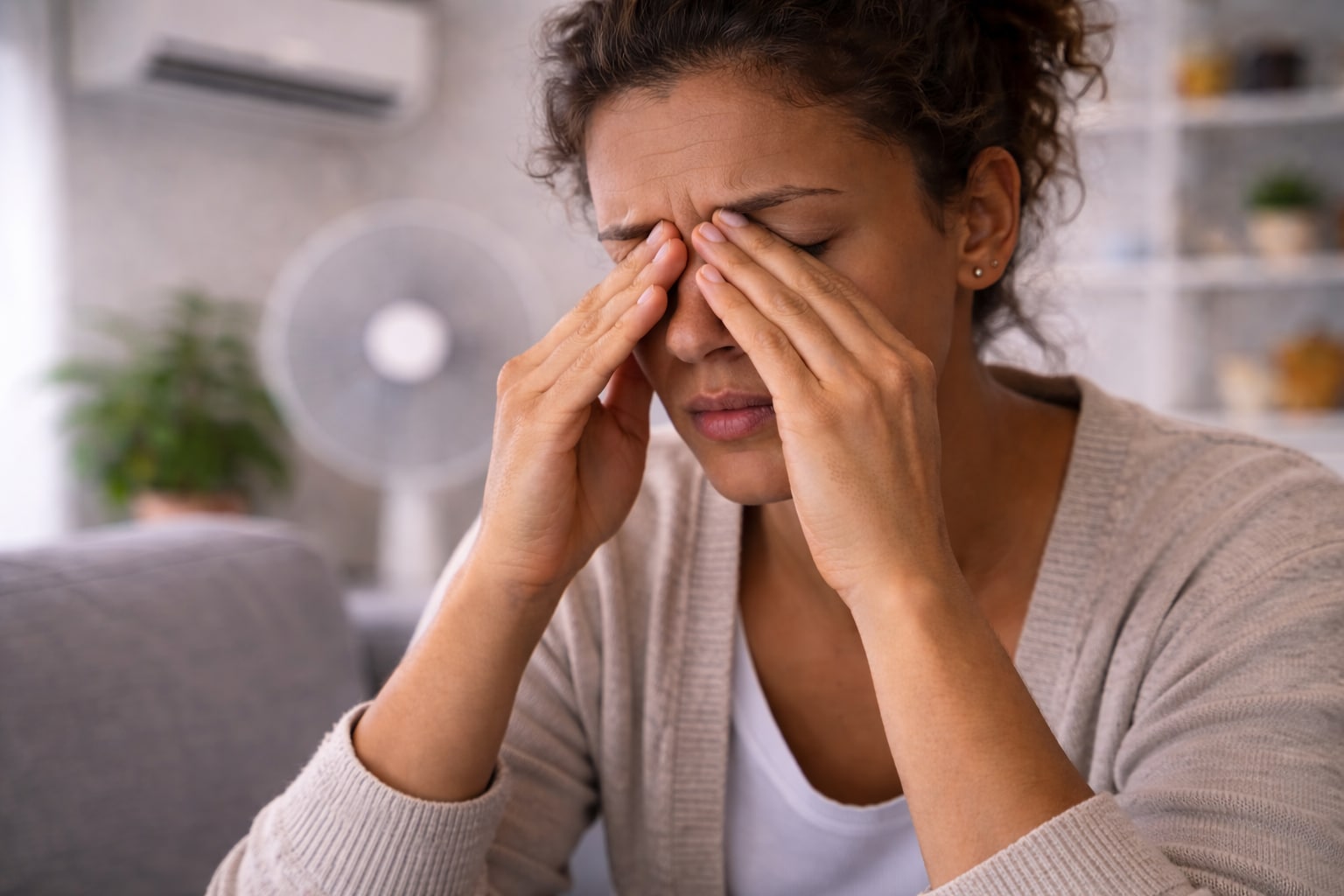
This matters even more if your wear time is long. The more hours your lenses stay on your eyes, the more noticeable surface comfort tends to become, especially once you add indoor air and reduced blinking to the mix.
Sensitive eyes or people who gave up on contacts before
If your eyes are easily irritated, or if you stopped wearing contacts because they never felt comfortable enough, this technology may be worth revisiting with your eye doctor. Research on both delefilcon A and lehfilcon A has shown strong subjective comfort results, including high satisfaction with comfort in lehfilcon A toric wearers and good end-of-day comfort in delefilcon A studies.
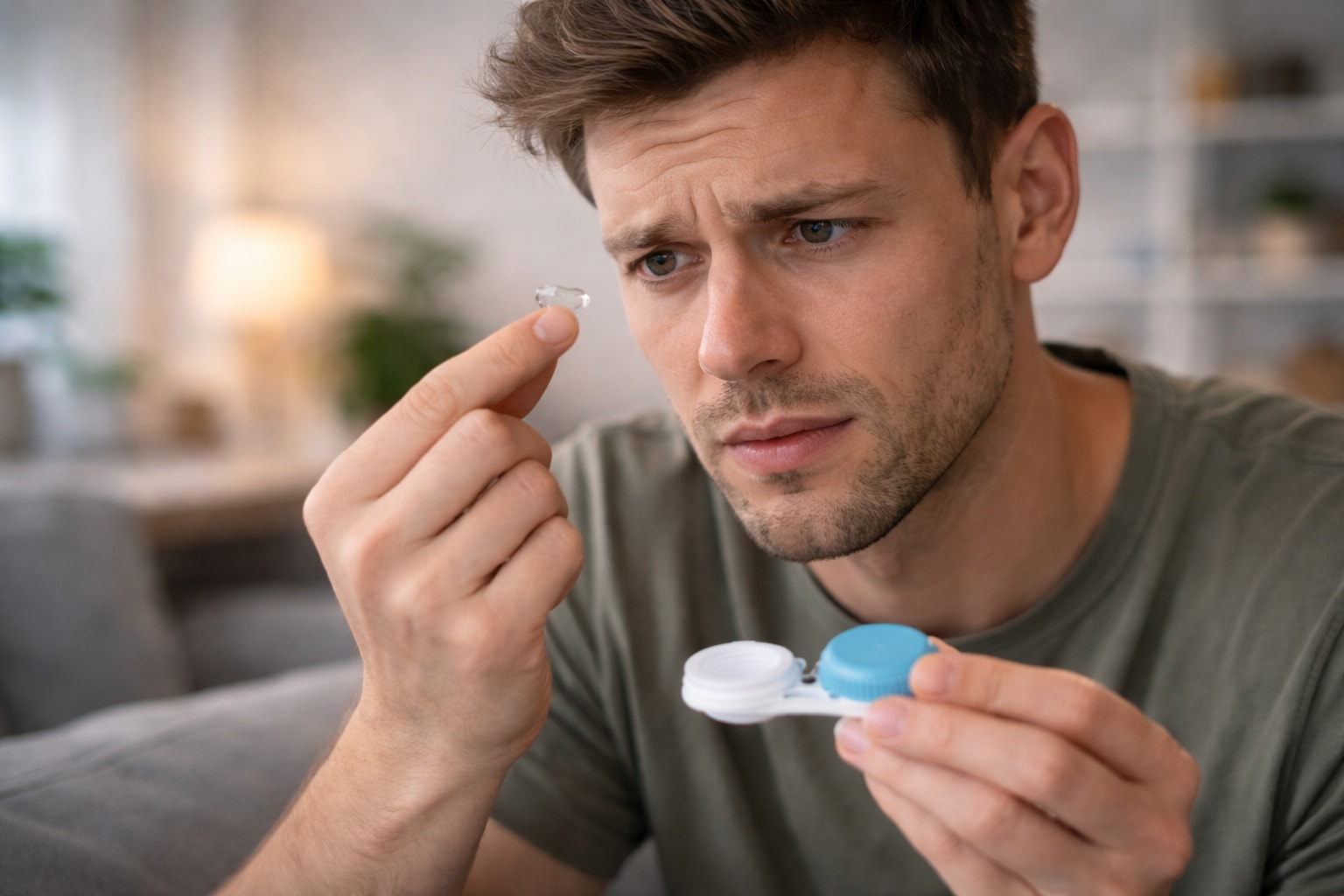
That does not guarantee that every former contact lens wearer will suddenly love lenses again. But if comfort was the main reason you struggled before, a lens designed around a highly wettable, water-rich surface may be a more promising place to start than the kinds of lenses you tried years ago. If standard soft lenses still do not provide the fit or vision you need, your eye doctor can determine whether options such as custom contact lenses may be more appropriate.
Who May Need an Eye Exam Before Switching
Dry-eye symptoms that need proper evaluation
If your eyes feel dry once in a while, a more comfort-focused lens material may help. But if you have dryness that keeps coming back, gets worse through the day, or starts affecting how clearly you see, it is smart to book an eye exam before you switch lenses on your own. Dry eye can cause burning, stinging, scratchiness, and blurred or fluctuating vision, and those symptoms are not always caused by the lens material alone.
Redness, irritation, unstable vision, or recurring discomfort
You should also get checked sooner if your eyes stay red, irritated, or uncomfortable, or if your vision keeps shifting while you wear contacts. Those are signs that the problem may be bigger than simple end-of-day dryness. An exam can help determine whether you are dealing with dry eye, lens intolerance, a fit issue, or another eye-surface problem that needs a different solution.
Why lens discomfort is not always “just the lens”
It is easy to assume your contacts are the only issue, but discomfort can come from several places at once. Contact lenses can interact with your tear film, increase surface friction, and make existing dryness feel worse, but allergies, inflammation, poor fit, and eye-surface disease can also play a role. If your lenses never feel consistently comfortable, an exam gives you a better chance of fixing the real cause instead of guessing.
Best Water Gradient Contacts to Know
If you want real-world examples of water gradient contact lenses, these are three of the most recognizable options to know. Together, they cover the three biggest shopper needs: a flagship daily lens, a toric option for astigmatism, and a monthly reusable lens. If you need toric correction and price is also a consideration, you can compare affordable contacts for astigmatism before narrowing your options with your eye doctor.
DAILIES TOTAL1
It is described as the first and only daily disposable lens in the TOTAL family with nearly 100% water at the surface, which is why it is so often used to explain DAILIES TOTAL1 water gradient technology in simple terms. It is a strong fit if you want a fresh lens every day and your main priority is comfort from a water-rich surface.
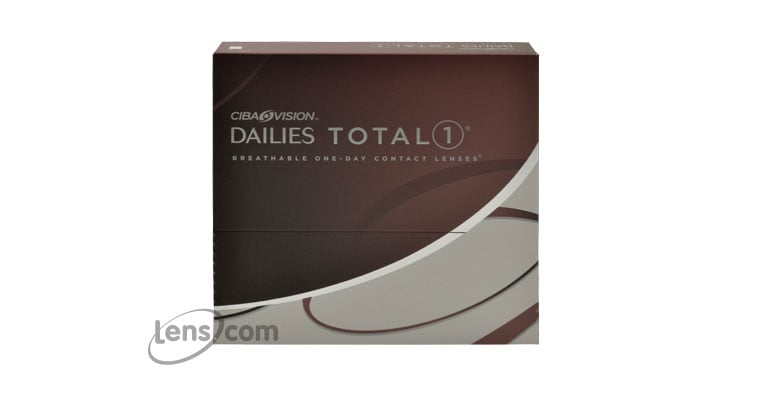
If you want the clearest example of a premium daily water-gradient lens, DAILIES TOTAL1 is the standout.
DAILIES TOTAL1 for Astigmatism
It is described as the first and only daily disposable Water Gradient toric lens, and official materials highlight its stable vision plus nearly 100% water at the surface. This one makes the most sense if you need toric correction but still care a lot about surface comfort and all-day wear.
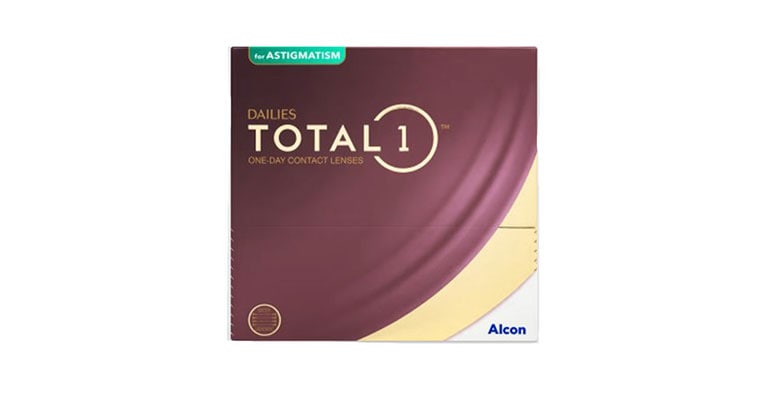
If you have astigmatism and still want water gradient contacts, DAILIES TOTAL1 for Astigmatism is the most relevant toric option to know.
TOTAL30
TOTAL30 is described as a monthly replacement lens with Water Gradient Technology and nearly 100% water at the outer surface, designed to feel comfortable even at day 30. It is a practical option if you like a reusable schedule but still want the softer, wetter surface feel associated with water gradient monthly contact lenses.
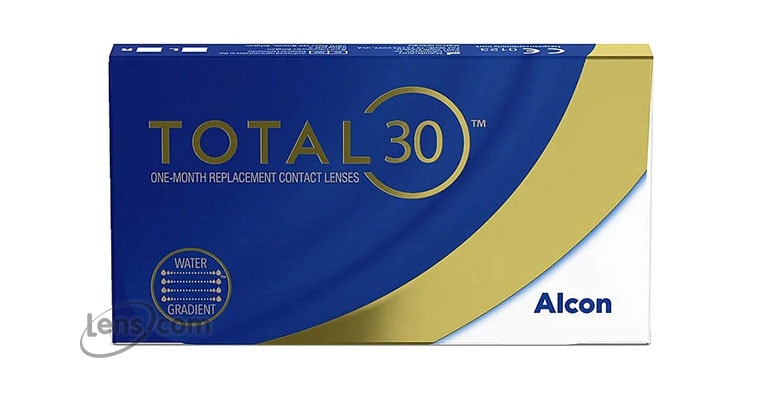
If you prefer a reusable monthly lens instead of a daily disposable lens, TOTAL30 contacts are the key example.
Torn between DAILIES TOTAL1 and another daily lens and want a quick comparison? Compare DAILIES TOTAL1 vs ACUVUE OASYS so you can see how they differ in feel and wear experience.
How Often to Get an Eye Exam if You Wear Contact Lenses
How often to get an eye exam in your 20s, 30s, 40s, and beyond
How often you need an eye exam depends on your age, your eye health, and whether you wear contacts. For healthy adults without major risk factors, the American Academy of Ophthalmology says eye exams are generally suggested every 5 to 10 years under age 40, every 2 to 4 years from 40 to 54, every 1 to 3 years from 55 to 64, and every 1 to 2 years at 65 and older. If you wear contact lenses, though, you usually need to be seen more often than that baseline schedule.
Why contact lens wearers may need more frequent exams
If you wear contacts, yearly care is a good rule of thumb. The AAO says contact lens wearers should see an eye specialist every year, and its refractive error guidance says experienced contact lens wearers generally should be examined every 1 to 2 years to monitor for adverse effects of contact lens wear and to check whether the prescription and fit still make sense. That matters because contact lens follow-up is not just about seeing clearly. It is also about corneal health, lens fit, tear film, and how your eyes are tolerating the material you wear every day.
When dryness, blur, or irritation means book sooner
You should not wait for your routine visit if your eyes start feeling off. If you have persistent or worsening dry-eye symptoms, redness, irritation, blurred or fluctuating vision, pain, watering, or light sensitivity, that is a sign to schedule care sooner and, if needed, remove your lenses and call your eye doctor right away. Those symptoms can point to dry eye, a fit problem, or even a contact-lens-related infection rather than a simple “my lenses are getting old” issue.
Are Water Gradient Contact Lenses Worth Trying for Comfort?
What makes water gradient contact lenses different is the design: a more breathable core paired with a softer, wetter surface that is meant to feel more comfortable on your eye, especially as the day goes on.
If your lenses tend to feel dry, filmy, or irritating by late afternoon, it may be worth asking your eye doctor whether a water gradient contact lens is a better fit for you. And if dryness, redness, blur, or discomfort keep coming back, an updated eye exam can help you figure out whether the problem is the lens material, the fit, your tear film, or something else that needs attention.
Ready to explore more comfortable contact lens options? Compare water gradient contact lenses and other options that match your prescription, comfort needs, and daily routine.
FAQs about Water Gradient Contact Lenses
What are water gradient contact lenses and how do they work?
Water gradient contact lenses are soft lenses made with a breathable silicone hydrogel core and a much more water-rich outer surface. In delefilcon A lenses, for example, the core is about 33% water while the surface approaches nearly 100% water, so the part of the lens touching your eye feels softer and wetter than a more uniform lens material.
What does “nearly 100% water at the surface” mean for contacts?
It does not mean the entire lens is almost pure water. It means the very outer layer, the part that interacts with your tear film and eyelid, is extremely water-rich, while the inner core remains a different material built to provide structure and oxygen flow.
Are water gradient contact lenses for dry eyes better?
They can be a strong option when dryness is mainly related to lens wear, especially if your lenses feel worse later in the day. Studies on delefilcon A and lehfilcon A have reported better end-of-day comfort, less dryness, and better tear-film stability than comparison lenses in symptomatic wearers.
Do water gradient lenses reduce contact lens dryness symptoms?
They may. A 2024 study found significantly better end-of-day comfort and less end-of-day dryness after symptomatic daily disposable wearers switched to delefilcon A. Other studies on lehfilcon A also reported improved tear-film behavior and better subjective dry-eye symptoms.
Water gradient contact lenses vs standard silicone hydrogel lenses: what is the difference?
The main difference is the lens structure. Standard silicone hydrogel lenses are more uniform from core to surface, while water gradient lenses are designed so the surface becomes much more water-rich than the core. That design helps separate the job of oxygen delivery from the job of surface comfort.
Why do water gradient lenses have a silicone hydrogel core and water-rich surface?
Because those two parts of the lens are meant to do different jobs. The silicone hydrogel core supports breathability and oxygen transmission, while the water-rich surface helps reduce friction and makes the lens feel smoother and more comfortable on the eye.
Who should try water gradient contact lenses?
You may want to ask about them if your lenses feel dry by late afternoon, if you spend long hours on screens, if you work in air-conditioned or dry environments, or if comfort has been the main reason contacts have not worked well for you in the past. Screen-heavy wearers may notice a particular benefit because digital device use is linked to reduced blinking and more dryness symptoms.
How often should contact lens wearers get an eye exam?
In general, once a year is the safest simple answer for most contact lens wearers. The AAO specifically says contact lens wearers should see an eye specialist every year, even though the baseline exam schedule for healthy adults who do not wear contacts may be less frequent.
Disclaimer: This content is for general informational purposes only and is not a substitute for professional advice, diagnosis, or treatment.
References
DAILIES TOTAL1 Contact Lenses With Water Gradient And SmarTears Technology. Alcon Science. https://us.alconscience.com/article/dailies-total1r-contact-lenses-water-gradient-and-smartearsr-technology/. Date Accessed: April 2026.
Investigation of Delefilcon A Contact Lenses for Symptomatic Daily Disposable Contact Lens Wearers with Dry Eye Disease: A Prospective Comparative Study. Clinical Ophthalmology / Dove Medical Press. https://www.dovepress.com/investigation-of-delefilcon-a-contact-lenses-for-symptomatic-daily-dis-peer-reviewed-fulltext-article-OPTH. Date Accessed: April 2026.
Performance of Delefilcon A Daily Disposable Contact Lenses in a Group of Digital Device Users. Clinical Ophthalmology / Dove Medical Press. https://www.dovepress.com/performance-of-delefilcon-a-daily-disposable-contact-lenses-in-a-group-peer-reviewed-fulltext-article-OPTH. Date Accessed: April 2026.
Subjective Wearing Experience of Lehfilcon A Among Satisfied Comfilcon A Toric Lens Wearers. Clinical Ophthalmology / Dove Medical Press. https://www.dovepress.com/subjective-wearing-experience-of-lehfilcon-a-among-satisfied-comfilcon-peer-reviewed-fulltext-article-OPTH. Date Accessed: April 2026.
Performance of a Toric, Monthly, Soft Contact Lens in Digital Device Users. Clinical Optometry / Dove Medical Press. https://www.dovepress.com/performance-of-a-toric-monthly-soft-contact-lens-in-digital-device-use-peer-reviewed-fulltext-article-OPTO. Date Accessed: April 2026Date Accessed: April 2026).
Alcon to Launch TOTAL30 as the First-and-Only Monthly Replacement, Water Gradient Contact Lens. Alcon. https://www.alcon.com/media-release/alcon-launch-total30-first-and-only-monthly-replacement-water-gradient-contact-lens/. Date Accessed: April 2026.
Alcon to Launch DAILIES TOTAL1 Contact Lenses in the U.S. for Patients with Astigmatism. Alcon. https://www.alcon.com/media-release/alcon-launch-dailies-total1-contact-lenses-us-patients-astigmatism/. Date Accessed: April 2026Date Accessed: April 2026.
Eye Exam and Vision Testing Basics. American Academy of Ophthalmology. https://www.aao.org/eye-health/tips-prevention/eye-exams-101.Date Accessed: April 2026.
Similar Articles
-

How To Make Your Contacts More Comfortable
-

Why Athletes Prefer Contact Lenses Over Glasses
-

Monotone Eyeshadow for Spring—Here’s How to Nail the Look (And What Contacts to Wear With It)
-
Can You Wear Contacts With Cataracts? What Lens Wearers Should Know
-
How Much Is a Contact Lens Exam Without Insurance?