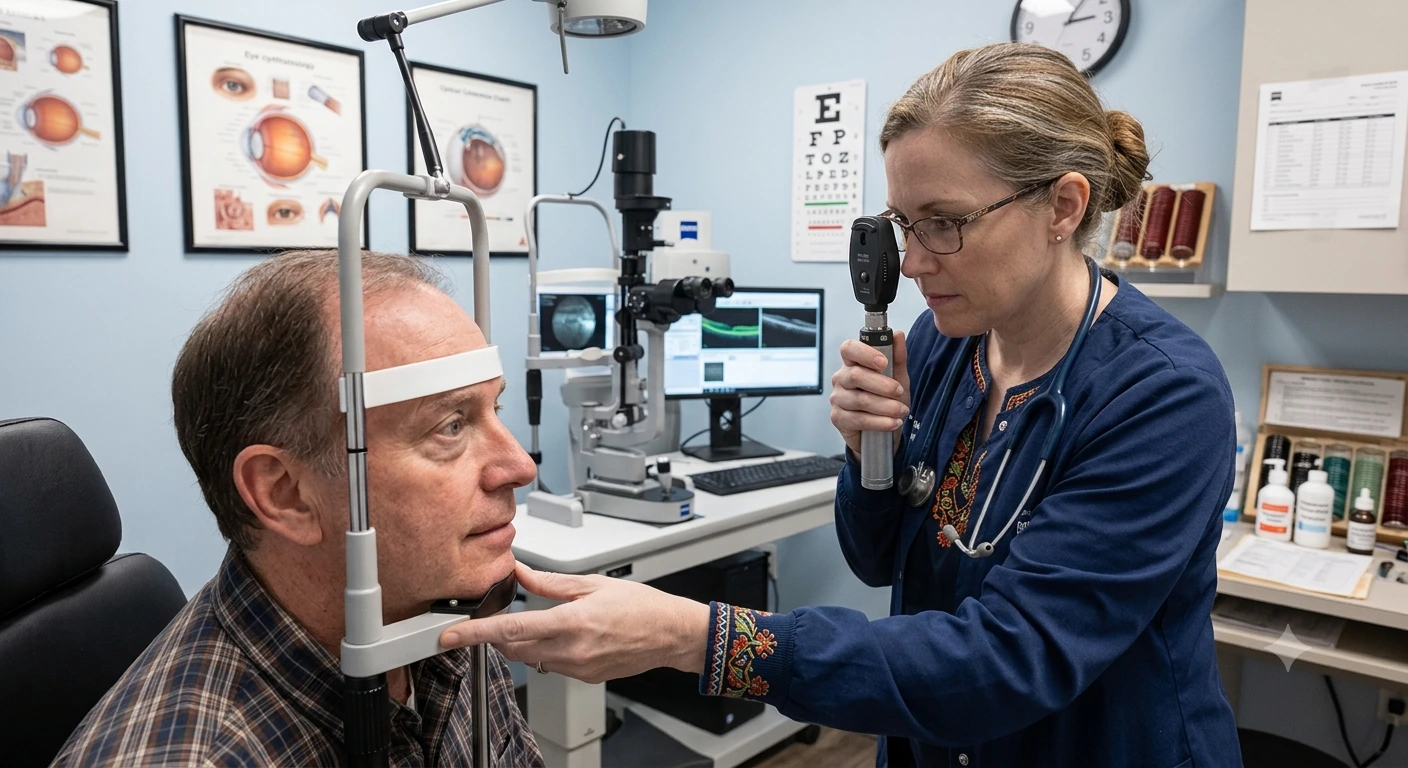

Soft contact lenses are water-swollen plastics.
When they’re sitting in the blister pack or on your eye, soft contact lenses are basically a gel: a cross-linked polymer network that soaks up water, or saline, and stays flexible. The exact recipe varies by brand, lens purpose, and prescription need, from everyday soft lenses to specialty options such as aphakic contact lenses, but the main ingredients are usually consistent: the polymer itself, water, and small add-ins like UV blockers, visibility tints, and wetting agents.
The Two Big Material Families
Hydrogel (classic soft lenses)
Monthly, biweekly, and 1 day silicone hydrogel contact lenses are built around hydrophilic monomers like HEMA and similar compounds. With hydrogels, oxygen flow is tied more directly to water content than it is with silicone hydrogels.
Silicone hydrogel (modern soft lenses)
These add silicone components to the polymer network, which lets oxygen move through the silicone itself, not just through water. That’s why silicone hydrogels can have a lower water percentage while still being highly breathable.
A lot of newer “premium comfort” dailies are still silicone hydrogels, but they come with surface layers that behave more like a hydrogel (high-water surface) to cut down on that “silicone feels dry and stiff” complaint. Alcon’s SMARTSURFACE and Water Gradient products are good examples.
How Material Names Work (etafilcon A, senofilcon A, etc.)
Those “-filcon” names are standardized material names used in the USAN system for hydrophilic lens materials. The ending tells you it’s a hydrated soft lens material, while the prefix plus letter (A, B, C, and so on) points to a specific formulation.
You’ll also see FDA “groups” used to describe lenses by water content and whether the material is ionic or non-ionic, which affects how deposits build up. Contact Lens Spectrum has a solid explainer of how those groupings have been used for years in practice and industry discussions.
What Changes from Brand to Brand
Even within “soft contacts,” brands adjust a bunch of variables:
- Water content – but water percentage does not automatically mean “more oxygen” for silicone hydrogels. For a daily hydrogel example, focus daily contacts are available with 69% water content.
- Oxygen transmissibility (Dk/t) – this matters more for long wear times and especially for any overnight wear.
- Modulus (stiffness) – affects initial comfort and how a lens interacts with your eyelids.
- Surface tech and coatings – things like deposit resistance and wettability. For example, Alcon uses a SmartShield plus HydraGlyde combo in Air Optix.
- Internal wetting agents – some materials embed wetting agents in the lens itself, not just in the solution. J&J explicitly describes an internal wetting agent plus UV monomer in older ACUVUE OASYS documentation.
- UV absorbers and visibility tints – these are commonly built into the lens polymer. FDA 510(k) summaries often spell this out.
A Brand Deep Dive With What People Are Wearing
Below are common brands and the soft-lens material names tied to them, shared as a quick-reference list and in a deeper dive table.
1-DAY ACUVUE MOIST – etafilcon A (hydrogel, 58% water)
ACUVUE 2 (2-week) – etafilcon A (hydrogel, 58% water)
ACUVUE OASYS (2-week) – senofilcon A (silicone hydrogel, 38% water, high Dk/t)
ACUVUE VITA – senofilcon C (silicone hydrogel, 41% water)
DAILIES AquaComfort Plus – nelfilcon A (hydrogel, 69% water)
DAILIES TOTAL1 – delefilcon A (silicone hydrogel, Water Gradient positioning, very high-water surface)
PRECISION1 – verofilcon A (silicone hydrogel, 51% water core with SMARTSURFACE layer over 80% water)
AIR OPTIX plus HydraGlyde – lotrafilcon B (silicone hydrogel, 33% water, SmartShield plus HydraGlyde)
Biofinity – comfilcon A (silicone hydrogel, 48% water)
clariti 1 day – somofilcon A (silicone hydrogel, 56% water)
MyDay – stenfilcon A line (silicone hydrogel, FDA filing spells out monomers and tinting approach)
B+L ULTRA – samfilcon A (silicone hydrogel, material and lens parameters in package insert)
B+L Biotrue ONEday – nesofilcon A (hydrogel, 78% water)
B+L INFUSE – kalifilcon A (silicone hydrogel, 55% water, high Dk/t)
SofLens 38 – polymacon (hydrogel, 38% water, classic poly-HEMA style material)
| Lens family (examples) | Material | Type | Notable spec / notes |
|---|---|---|---|
| 1-DAY ACUVUE MOIST | etafilcon A | Hydrogel | 58% water (J&J specs) |
| ACUVUE 2 (2-week) | etafilcon A | Hydrogel | 58% water (J&J specs) |
| ACUVUE OASYS (2-week) | senofilcon A | Silicone hydrogel | 38% water; high Dk/t in J&J specs |
| ACUVUE VITA | senofilcon C | Silicone hydrogel | 41% water (J&J specs) |
| DAILIES AquaComfort Plus | nelfilcon A | Hydrogel | 69% water |
| DAILIES TOTAL1 | delefilcon A | Silicone hydrogel | Water Gradient; very high-water surface behavior |
| PRECISION1 | verofilcon A | Silicone hydrogel | ~51% core + SMARTSURFACE™ (>80% water layer) |
| AIR OPTIX plus HydraGlyde | lotrafilcon B | Silicone hydrogel | SmartShield® + HydraGlyde®; ~33% water |
| Biofinity | comfilcon A | Silicone hydrogel | 48% water (CooperVision specs) |
| clariti 1 day | somofilcon A | Silicone hydrogel | 56% water (CooperVision specs) |
| MyDay (daily) | stenfilcon A family | Silicone hydrogel | Material family documented in FDA filing |
| Bausch + Lomb ULTRA | samfilcon A | Silicone hydrogel | Package insert covers material & lens parameters |
| Biotrue ONEday | nesofilcon A | Hydrogel | 78% water (B+L professional info) |
| B+L INFUSE | kalifilcon A | Silicone hydrogel | ~55% water; high Dk/t (B+L pro pages) |
| SofLens 38 | polymacon | Hydrogel | 38% water; classic poly(HEMA) style material |
References
FDA. Contact Lenses: Manufacturing/Chemistry
American Medical Association (USAN). Contact Lenses (naming stems such as -filcon)
PubMed Central. Contact Lenses Materials: A Review
Johnson & Johnson Vision Professional. ACUVUE lens specification pages (MOIST, OASYS, VITA, ACUVUE 2)
Alcon Professional / Alcon Science. PRECISION1 SMARTSURFACE white paper; product pages for DAILIES TOTAL1, Air Optix plus HydraGlyde
CooperVision. Biofinity, clariti 1 day product/spec pages and related PDFs
Bausch + Lomb. ULTRA, Biotrue ONEday, INFUSE professional pages and package inserts
Shop Quality Affordable Contacts at Lens.com
Similar Articles
-
What Are Varifocal Contact Lenses?
-

Advanced Contact Lens Finder – Search by Feature, Diameter (DIA), Base Curve (BC), Overnight Wear & More
-

How to Wear Contact Lenses Comfortably This Spring
-

Ultra Contact Lenses vs PureVision Contact Lenses: Features And Benefits Compared
-

Is it OK to Cry With Contacts In? (Spoiler: It Is, But Read On)