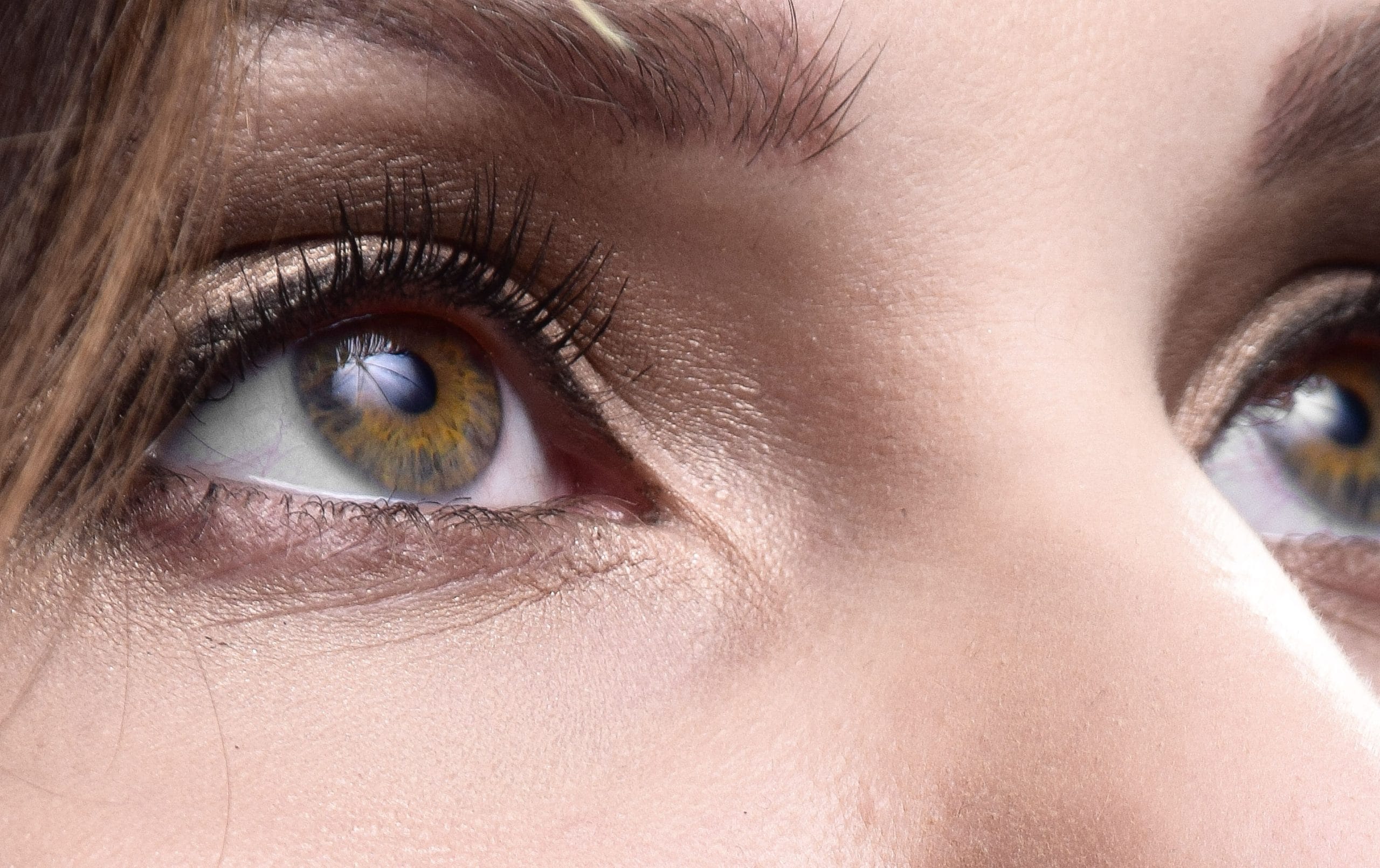

Tears Happen (and That’s Okay!)
We’ve all been there. Maybe it’s a sappy movie, a heartfelt reunion. The tears just start flowing, and suddenly you remember – you’re wearing contacts! Don’t panic. It’s completely safe to cry with contacts in. But you might be wondering what all that extra moisture means for your contact lenses.
The Science of Tears: Why We Cry & What They’re Made Of
Tears aren’t just a sign of sadness. They play a necessary role in keeping our eyes healthy and comfortable. We actually produce three types of tears: emotional tears (triggered by feelings), reflex tears (in response to irritants like onions), and basal tears (which constantly lubricate our eyes). Each tear is a complex mixture of water, oils, and mucus, forming a protective layer over our eyes.
Contacts & Tears: A Dynamic Duo
Contact lenses and tears actually work together quite well. Tears help keep your contacts moist and comfortable, allowing them to move smoothly with your eyes. But the type of contacts you wear can influence your experience. Soft contacts are generally more comfortable for crying, while rigid gas permeable (RGP) lenses might be a bit more prone to moving around.
Crying with Contacts: What Could Go Wrong?
While crying with contacts is safe, a few things might happen. Your vision could get temporarily blurry due to the extra moisture. Your lenses might shift slightly, or in rare cases, even fall out. And sometimes, a lens can get stuck under your eyelid. But don’t worry, we’ll cover how to handle all these situations.
Step-by-Step Instructions for Handling Contact Lens Issues
If, in the process of excess tearing you encounter some issues, there are some ways to safely and hygienically handle the issue yourself:
- Blurry Vision:
- Blink a few times to help spread the tears and clear your vision.
- If that doesn’t work, apply a few drops of contact lens-compatible rewetting drops.
- If the blurriness persists, remove your lenses, clean and disinfect them, and reinsert them.
- Shifting or Dislodged Lenses:
- Look in the direction the lens has moved (e.g., if it feels like it’s moved up, look down).
- Gently massage your eyelid to help the lens center itself.
- If you can’t get it back in place, remove the lens, clean and disinfect it, and reinsert it.
- A Stuck Lens:
- Close your eye and gently massage your eyelid in the direction of the lens.
- If that doesn’t work, try using rewetting drops to help loosen the lens.
- If you still can’t get it out, contact your eye doctor for assistance.
- Fallen Lens:
- Locate the lens and carefully pick it up.
- Inspect the lens for damage (rips, tears, or debris). If damaged, discard it.
- Clean and disinfect the lens thoroughly before reinserting it.
- If you wear daily disposables, discard the fallen lens and use a fresh one.
Can Crying Damage My Contacts?
Your tears won’t damage your contacts. However, if a lens falls out and lands on a dirty surface, or if you rub your eyes excessively, you might need to replace it. It’s always a good idea to clean and disinfect your contacts after a crying session, especially if you wear monthly or two-week disposables.
Tips for Tear-Proof Contact Lens Wear
Want to cry without worrying about your contacts? Choose lenses that fit well and are made from a material that’s comfortable for your eyes. Always carry contact lens-compatible eye drops to re-wet your lenses if needed. And remember the golden rule: don’t rub your eyes. Gently pat them dry with a tissue instead.
When to Call the Eye Doctor
If you experience persistent discomfort, changes in vision, or signs of an eye infection after crying with contacts, it’s best to consult your eye doctor. They can help determine if there’s an underlying issue and recommend the best course of action.
Busting Contact Lens Myths
While we’re at it, let’s cut through some other myths associated with wearing contacts.
- Myth: You can’t wear contacts if you have dry eyes.
- Truth: Many contact lens options are available for people with dry eyes, including those made from specialized materials that retain moisture. Consider low water content/high oxygen transmission lens made from silicone, such as AIR OPTIX AQUA, amongst others.
- Myth: You can’t swim with contacts.
- Truth: While it’s generally not recommended, you can swim with contacts if you wear waterproof goggles. Always clean and disinfect your lenses afterward, or use daily disposables.
- Myth: Only young people can wear contacts.
- Truth: People of all ages can wear contacts, as long as their eyes are healthy and they can properly care for their lenses.
Embrace the Emotions
So, go ahead and let those tears flow. Crying is a natural and healthy way to express your emotions. With a little knowledge and care, you can wear your contacts comfortably, even during those weepy moments.