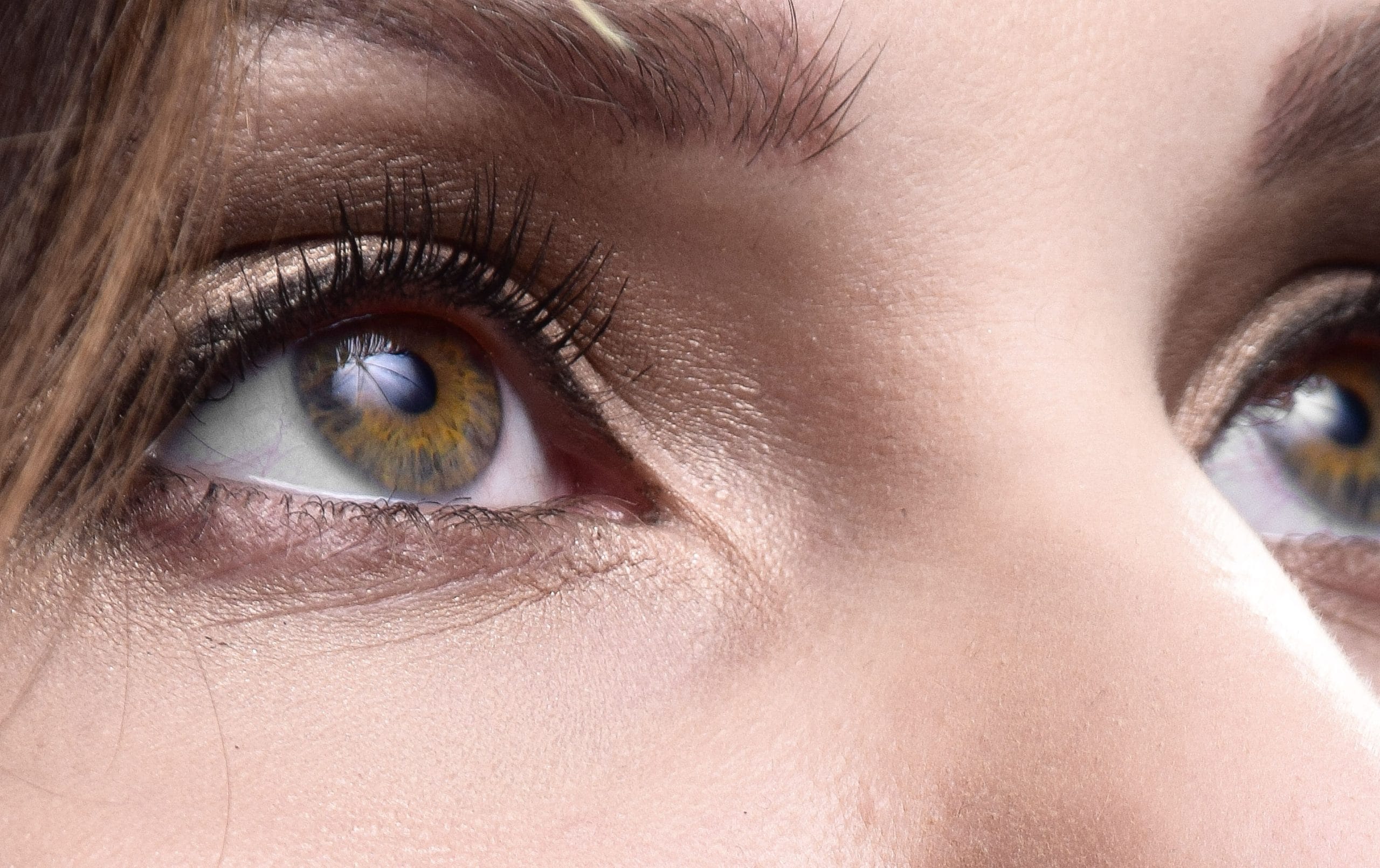

A groundbreaking study has recently discovered a surprising yet effective remedy for dry eye disease: laughter. Traditionally, dry eyes are treated with artificial tears, but this new research suggests that laughter therapy could offer a comparable solution for easing the discomfort caused by this widespread condition.
The study, which was conducted by a team of researchers from the UK and China, opens the door to a potentially innovative approach to treating dry eyes, one that is not only cost-effective but also naturally enjoyable. To learn more about this, please read along.
What Is Dry Eye Disease?
Dry eye disease (DED) is a chronic condition that affects approximately 360 million people around the globe. It occurs when the eyes fail to produce enough tears, or the quality of tears is inadequate to keep the eyes properly lubricated. The most common symptoms include redness, irritation, a gritty sensation, and blurred vision. These symptoms are often worsened by environmental factors like air pollution, long hours of screen time, and aging, making dry eye a growing public health concern nowadays.
Typically, eye drops—especially those containing 0.1% sodium hyaluronic acid—have been the go-to solution to stabilize the tear film and provide relief. However, long-term use of artificial tears can be expensive, and not all patients find them fully effective.
Can I Wear Contact Lenses If I Have Dry Eyes?
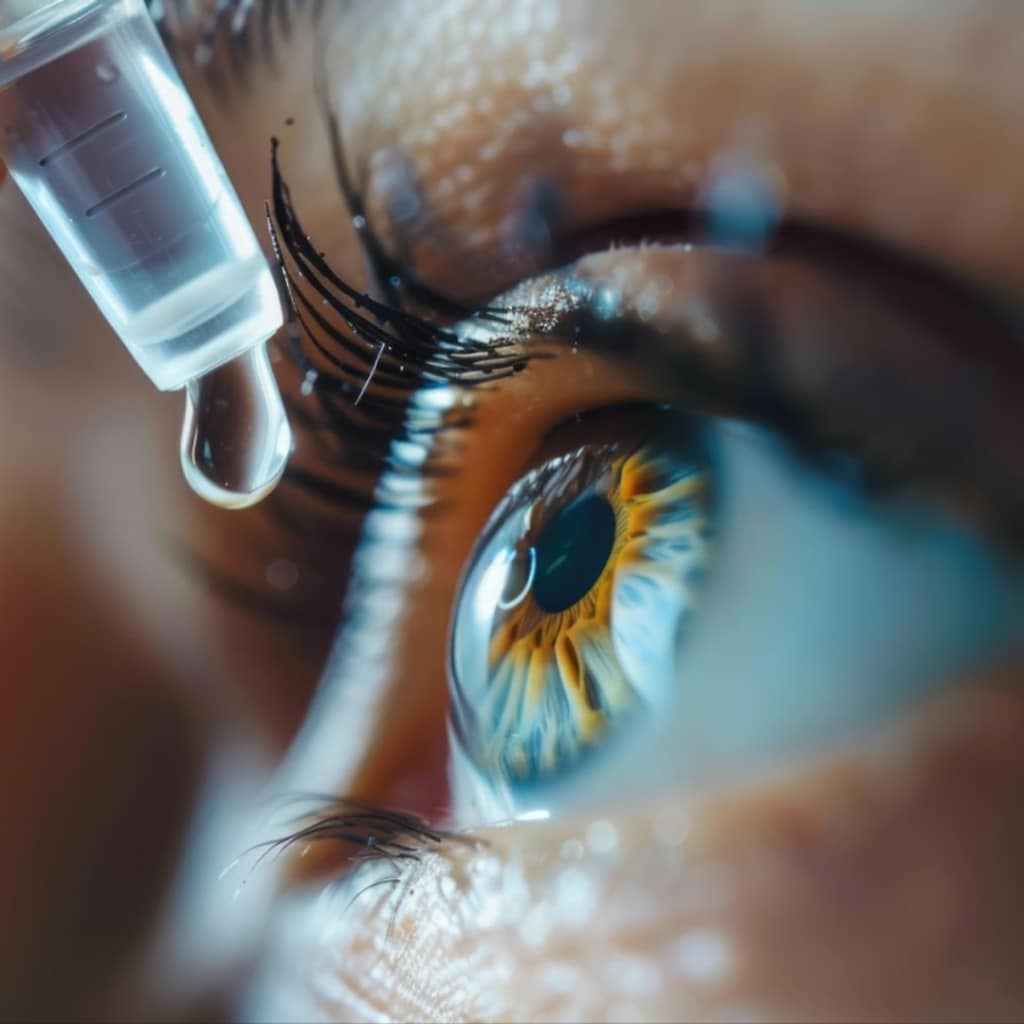
Yes, you can wear contact lenses if you have dry eyes, but it is important to choose the right type of lens and take precautions. When used improperly, contact lenses can worsen dry eye symptoms by decreasing the moisture available to the eye and disrupting the natural tear film.
Fortunately, modern lenses, such as silicone hydrogel or daily disposable lenses, are designed to retain moisture and allow more oxygen to pass through to the cornea, helping reduce dryness and discomfort. Lubricating eye drops that are compatible with contact lenses and proper lens hygiene are also important in managing dry eye symptoms while wearing contacts.
If your dry eye condition is more severe, you might consider specialized lenses like scleral lenses, which create a moisture reservoir over the eye, providing constant hydration. In addition, consulting with an eye care professional is essential—they can recommend lenses that fit your specific needs, prescribe artificial tears, or suggest other treatments like punctal plugs or anti-inflammatory eye drops to alleviate discomfort. It’s necessary to manage the underlying cause of dry eyes, as untreated dry eyes can lead to increased discomfort and potential eye health issues when wearing contact lenses.
The Study: Laughter Versus Eye Drops
In this recent trial, researchers set out to explore whether laughter therapy could offer a viable alternative to traditional eye drops. The study involved 283 participants who suffered from mild to moderate dry eye disease. The participants were split into two groups: one received the standard treatment of sodium hyaluronic acid eye drops, while the other group engaged in a laughter therapy regimen.
This therapy consisted of repeating a series of vocalized phrases, such as “Hee hee hee, hah hah hah,” for several minutes daily. A face-recognition app was used to standardize the laughter exercises and monitor facial movements.
After eight weeks, both groups showed significant improvements in their dry eye symptoms. Surprisingly, the group that participated in laughter therapy experienced almost the same level of symptom relief as those using eye drops. Measurements such as the Ocular Surface Disease Index (OSDI) score, which evaluates the severity of eye discomfort, indicated that the laughter group had a reduction of 10.5 points on average, while the eye drop group’s score decreased by 8.83 points. These results suggest that laughter therapy was just as effective if not slightly more so, in improving dry eye symptoms.
How Laughter Helps with Dry Eyes
The effectiveness of laughter in treating dry eyes may seem surprising at first, but it actually has a scientific basis. Laughter triggers the release of endorphins, which are known to reduce stress and enhance immune function.
Since psychological stress is a known contributing factor to dry eye disease, laughter’s ability to mitigate stress could indirectly benefit eye health. Furthermore, the physical act of laughing stimulates facial muscles, including those around the eyes, which can help promote tear production and improve the overall stability of the tear film.
The study also found that laughter therapy improved non-invasive tear breakup time, a fundamental measure of tear film stability. In addition, participants showed improvements in the function of their meibomian glands, which produce the oil layer of tears that helps prevent tear evaporation. As a result, laughter may support tear production and retention in a way that mimics the effects of artificial tears, providing natural relief without the need for chemical treatments.
Beyond Just Eye Health: Mental and Emotional Benefits

Another important takeaway from the study is the broader impact of laughter on emotional well-being. Beyond its benefits for the eyes, laughter therapy was found to boost participants’ mental health. Many dry eye patients report a lower quality of life due to the persistent discomfort and limitations the condition can impose.
Through incorporating laughter into their daily routine, participants not only improved their eye health but also experienced reductions in anxiety, depression, and overall stress levels. This holistic approach to managing dry eyes adds an extra layer of benefit, addressing both the physical and emotional components of the condition.
Implications and Future Research
The findings of this study could have far-reaching implications for how we approach dry eye treatment. Laughter therapy offers a low-cost, non-invasive alternative that could be particularly useful in communities where access to medications is limited. Given the growing number of people affected by dry eyes, the simplicity of this treatment makes it an attractive option for individuals seeking to manage their symptoms naturally.
However, while the results are promising, the researchers acknowledge some limitations to their study. For instance, the trial did not include participants with severe dry eye or those with underlying eye conditions like infections or injuries, meaning the effectiveness of laughter therapy in these cases remains unknown.
Furthermore, the study relied on self-reported data, which can sometimes introduce biases in terms of participants’ perception of symptom relief. More extensive, long-term studies will be needed to confirm the broader applicability of laughter therapy across different patient groups.
Takeaway
Laughter, often touted as the best medicine, may now hold a promising place in the treatment of dry eye disease. This innovative study shows that laughter therapy is a simple, accessible, and enjoyable treatment that can provide relief comparable to traditional eye drops.
While more research is needed to fully understand its long-term effects and applicability to more severe cases of dry eye, the results so far suggest that a daily dose of laughter might be a valuable addition to existing treatments. As the global prevalence of dry eye continues to rise, solutions like this, which soothe the eyes as well as uplift the spirit, provide an exciting glimpse into the future of holistic healthcare.
Similar Articles
-

Daily vs. Extended Wear Contacts: Which is Best for You?
-

PureVision vs. SofLens: Which MultiFocal Contact Lens is Best for You?
-

Can You Wear Contacts With Pink Eye? The Definitive Answer
-
What Is the Difference Between Nearsighted and Farsighted?
-

The Most Interesting Facts About Green Eyes – Why They’re So Rare & The Latest Data