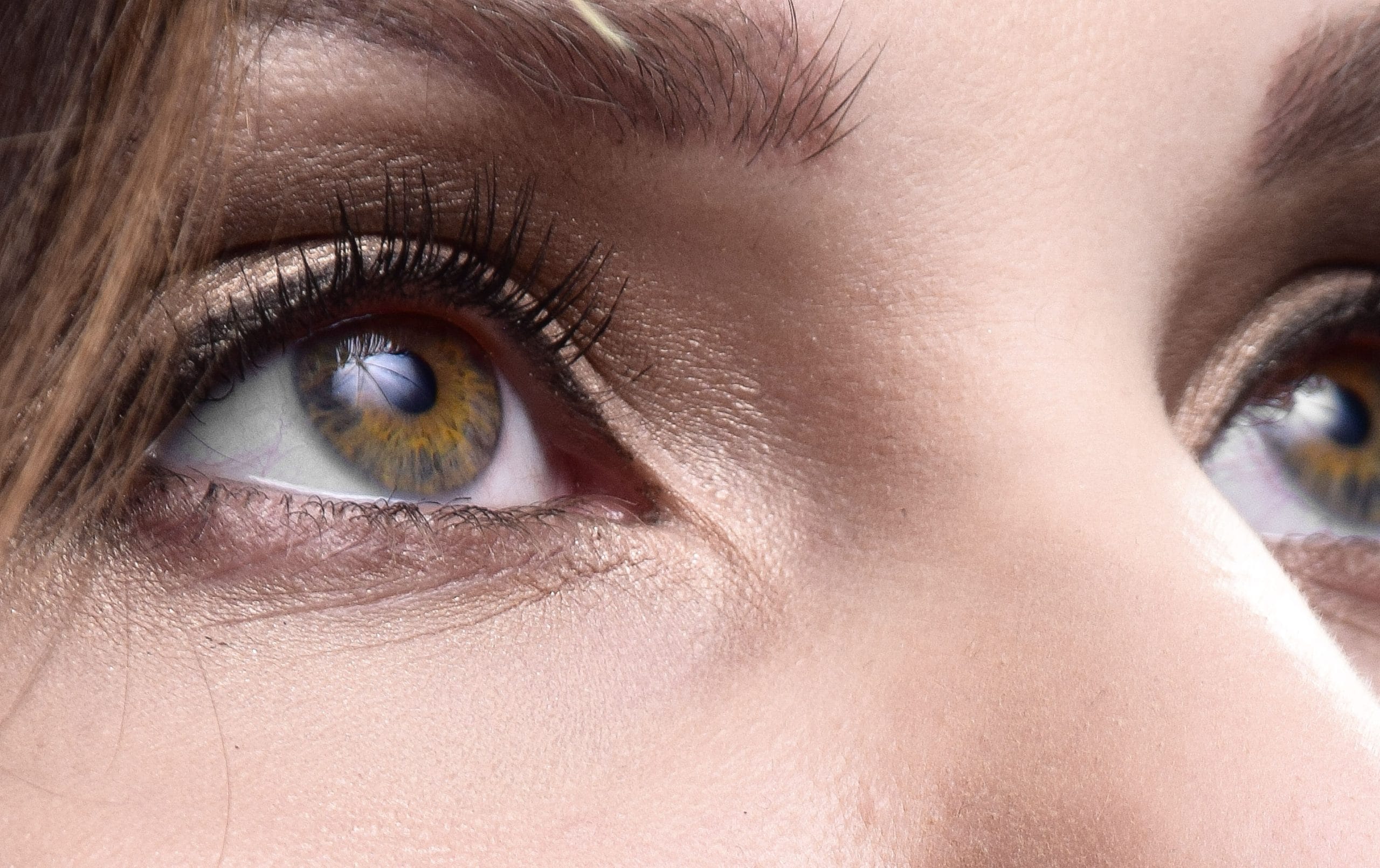

When you encounter someone with green eyes, you’re witnessing a genetic rarity that occurs in just 2% of people worldwide. Those captivating emerald irises have fascinated humanity for millennia, inspiring everything from ancient folklore and modern poetry to colored contact lenses designed to recreate or enhance their distinctive appearance. For a warmer green-brown variation, pure hazel contact lenses offer another color option. What makes green eyes so uncommon, and what does the latest science tell us about this mesmerizing trait?
The Numbers Don't Lie, Green Eyes Are Genuinely Rare
To put green eyes’ rarity into perspective, consider this: while brown eyes dominate globally, appearing in 70–79% of people, and blue eyes account for 8–10% of the population, green eyes appear in only about 2% of people worldwide. This makes them rarer than hazel eyes, at around 5%, and roughly comparable to gray eyes, at about 3%. Color contacts can recreate or enhance the appearance of green eyes, but naturally occurring green irises remain exceptionally rare.
In the United States, green eyes are slightly more common, appearing in approximately 9% of the population according to a 2014 American Academy of Ophthalmology survey. The breakdown of American eye colors reveals an interesting pattern:
- Brown: 45%
- Blue: 27%
- Hazel: 18%
- Green: 9%
- Other colors: 1%
This higher prevalence in America reflects the significant European ancestry in the population, since green eyes are predominantly found in people of Northern, Western, and Central European descent.
A European Phenomenon
Green eyes aren’t distributed equally across the globe – they’re heavily concentrated in specific regions. Ireland and Scotland boast the world’s highest concentrations of green-eyed individuals, with some estimates suggesting that in these Celtic nations, green eyes can be found in significant portions of the population. Iceland follows closely behind, along with the Netherlands, Germany, and France, where green eyes appear in roughly 6-8% of people.
The contrast is striking when you look at other parts of the world. In Africa, Asia, and among indigenous American populations, green eyes are very rare, appearing in less than 1% of individuals. This geographic concentration tells the story of human migration and genetic isolation, explaining why green-eye gene variants are clustered in Europe while staying uncommon elsewhere.
One fascinating exception is the village of Liqian in northwestern China, where remarkably, two-thirds of inhabitants have green eyes and blonde hair. Some researchers theorize this could be due to descent from a lost Roman army, highlighting how historical migrations can create unexpected pockets of genetic diversity.
The Science Behind the Emerald Gaze
Here’s where things get fascinating: green eyes don’t actually contain any green pigment. Instead, that stunning color results from a perfect storm of genetic and optical factors working together.
The secret lies in melanin, which is the same pigment that gives our skin and hair their color. Green eyes contain an intermediate amount of melanin, more than blue eyes but significantly less than brown eyes. For those who want to temporarily switch up their natural color, brown contact lenses for green eyes can create a darker brown appearance.
Through a phenomenon called Rayleigh scattering, shorter blue wavelengths of light bounce around the low-melanin iris tissue, creating a bluish effect. This scattered blue light then combines with a yellowish pigment called lipochrome (also known as pheomelanin) present in the iris. The result? That distinctive green appearance that seems to shift and change in different lighting conditions.
This “chameleon-like” quality is one of green eyes’ most captivating features. Depending on the lighting, clothing colors, or even mood, green eyes can appear to shift between shades of green, blue, or gray, adding to their mystique and allure.
Why Green Eyes Are So Uncommon
The rarity of green eyes comes down to genetics, specifically the complex genetic recipe required to produce them. Eye color is what scientists call a polygenic trait, meaning it’s controlled by multiple genes rather than a single “eye color gene.” Recent research has identified over 60 genes that influence eye color, with new genetic regions still being discovered.
Two genes play roles in creating green eyes:
HERC2: This gene acts like a genetic switch, controlling the activity of its neighbor, the OCA2 gene. A specific mutation in HERC2 can dial down OCA2’s activity, leading to reduced melanin production and lighter eye colors.
OCA2: This gene controls the production of the P protein, which is crucial for melanin production in the iris. Variations in OCA2 directly affect how much melanin ends up in your eyes.
Recent studies have also identified CTNNA2 as another gene associated with green and gray eye colors, particularly in populations along the historical Silk Road. A 2013 study found that people with specific genetic combinations had an 86.62% prediction accuracy for lighter eye colors, with 98.02% sensitivity.
The complexity doesn’t stop here. Achieving the perfect balance of reduced melanin plus the presence of lipochrome, combined with the right iris structure for light scattering, requires a very specific genetic combination. This explains why green eyes emerged mostly in certain European populations and are uncommon globally.
Interestingly, all humans originally had brown eyes. Colors like green and blue only emerged after genetic mutations began appearing roughly 6,000-10,000 years ago in Europe. Green eyes likely developed as populations mixed, creating intermediate combinations between “brown-eye” and “blue-eye” genetic variants.
Shop Quality Affordable Colored Contacts at Lens.com
Cultural Perceptions of Green Eyes
The rarity of green eyes has made them subjects of fascination, fear, and admiration throughout human history. Their uncommon nature often led to supernatural associations, sometimes positive, sometimes decidedly negative.
In Irish folklore, green eyes were considered a mark of fairy lineage, suggesting the bearer had a touch of magic in their ancestry. Ancient Greek mythology attributed unique powers to green-eyed characters, viewing unusual eye colors as signs of divine favor.
However, medieval Europe wasn’t always kind to those with green eyes. During periods of intense superstition, green eyes were sometimes associated with witches and evil forces. The rarity that made them special also made them suspect – people with uncommon traits could become targets of fear and suspicion.
Literature has long been captivated by green eyes. William Shakespeare immortalized the connection between green eyes and jealousy, coining the phrase “green-eyed monster” in both “The Merchant of Venice” and “Othello.” Though he was using green eyes as a metaphor for jealousy rather than describing actual eye color, the association stuck in popular culture.
In modern times, green eyes have shed most negative associations and are widely celebrated as exotic and beautiful. For anyone who wants a temporary, understated eye-color change, natural contact lenses are designed for a more realistic, blended effect rather than an obviously dramatic transformation.
Health Considerations
While green eyes are undeniably beautiful, their lower melanin content does come with some practical considerations. Melanin in the iris acts as a natural sunscreen, blocking harmful light from reaching the back of the eye. With less protective pigment, people with green eyes often experience:
Increased Light Sensitivity: green-eyed individuals frequently find themselves squinting in bright conditions or reaching for sunglasses more often than their brown-eyed friends.
Higher UV Vulnerability: the reduced melanin offers less protection from ultraviolet radiation, which can increase the risk of certain eye conditions over time:
- Uveal Melanoma: This rare eye cancer shows higher incidence rates in people with light-colored eyes
- Age-Related Macular Degeneration: Some research suggests a possible link between lighter eye colors and increased AMD risk later in life
These risks are manageable with simple precautions. Eye doctors recommend that people with light-colored eyes wear high-quality, UV-protective sunglasses when outdoors and maintain regular eye check-ups. With proper care, green-eyed individuals can enjoy perfectly healthy vision throughout their lives.
What Science Tells Us Now
Recent scientific advances continue to deepen our understanding of green eyes. A groundbreaking 2013 study published in the European Journal of Human Genetics examined 657 individuals from Silk Road populations, revealing fascinating patterns in eye color distribution.
The research found that Western Silk Road regions (like Crimea and Georgia) had a 21.2% prevalence of green and gray eyes, compared to just 6.7% in Eastern regions (such as Uzbekistan and Tajikistan). This geographic variation demonstrates how historical migrations and genetic isolation have shaped eye color distribution.
The study also used advanced genetic analysis to show that specific combinations of HERC2 and OCA2 gene variants could predict lighter eye colors with remarkable accuracy. People with the H1/H1 haplotype in Western Silk Road populations had a 94% probability of having blue or green eyes, compared to 72% in Eastern populations.
A 2021 study published in Nature’s Eye journal emphasized the polygenic nature of eye color, noting that green eyes require a specific combination of genetic variants that are uncommon throughout the world. The research highlighted how epistasis (gene interactions) and incomplete dominance make eye color inheritance far more complex than the simple dominant-recessive models once taught in schools.
A Continuing Mystery
Despite significant scientific advances, green eyes retain an air of mystery. Their rarity, combined with their chameleon-like ability to shift colors, ensures they’ll continue captivating observers. Recent genetic studies have identified over 50 new genetic regions associated with eye color, suggesting we’re still uncovering the full complexity of how these emerald gems form. If you want to experiment with a deeper version of that shifting green appearance, dark green contact lenses can create forest or gemstone tones as a temporary cosmetic change.
What we do know is that green eyes are a beautiful testament to human genetic diversity. They’re living reminders of our species’ complex evolutionary history, carrying traces of ancient migrations and genetic adaptations that occurred thousands of years ago.
Whether you’re lucky enough to have green eyes yourself or simply appreciate their beauty in others, these rare gems serve as fascinating windows into the intricate workings of human genetics. In a world where brown eyes are the overwhelming norm, those fortunate 2% with green eyes truly possess something special – a genetic lottery win that connects them to ancient European populations and continues to turn heads wherever they go.
References
- American Academy of Ophthalmology – Eye Color Distribution Statistics
- Healthline – Eye Color Percentages: Across the Globe, Effect on Health, More
- World Population Review – Countries with the Most Green Eyes
- Newsweek – Why Green Eyes Are ‘Actually Really Rare’
- European Journal of Human Genetics – Genetics of Eye Colours in Different Rural Populations on the Silk Road (2013)
- Nature – Genotype–phenotype associations and human eye color
- Nature Eye – Eye colour and colour perception (2021)
- Scientific Reports – The association between iris color and refractive errors in children (2024)
- Genetic Literacy Project – Only 2% of the world’s population has green eyes. Why so few?
- Medical News Today – Eye colors: Most common and percentages
- Debby Burk Optical – The Fascinating World of Green Eyes: Rarity, Genetics, and Cultural Significance
- iTrust – What’s special about green eyes? 10 fascinating facts about green eyes
- University of Queensland, Institute for Molecular Bioscience – The complexity of eye colour
- Verywell Health – Rare Eye Colors
- Warby Parker – How Rare Are Green Eyes?
Similar Articles
-

Is the Cure for Age-Related Blindness Finally Here? New Study Sparks Hope
-

Online vs. In-Person Eye Exams: Which is Right for Your Vision Needs?
-

Tired of Digital Eye Strain? These Contact Lenses Make Screen Time More Comfortable!
-

How Can I Keep My Contacts Comfortable During Winter Travel?
-

7 Best Contact Lenses for Computer Use