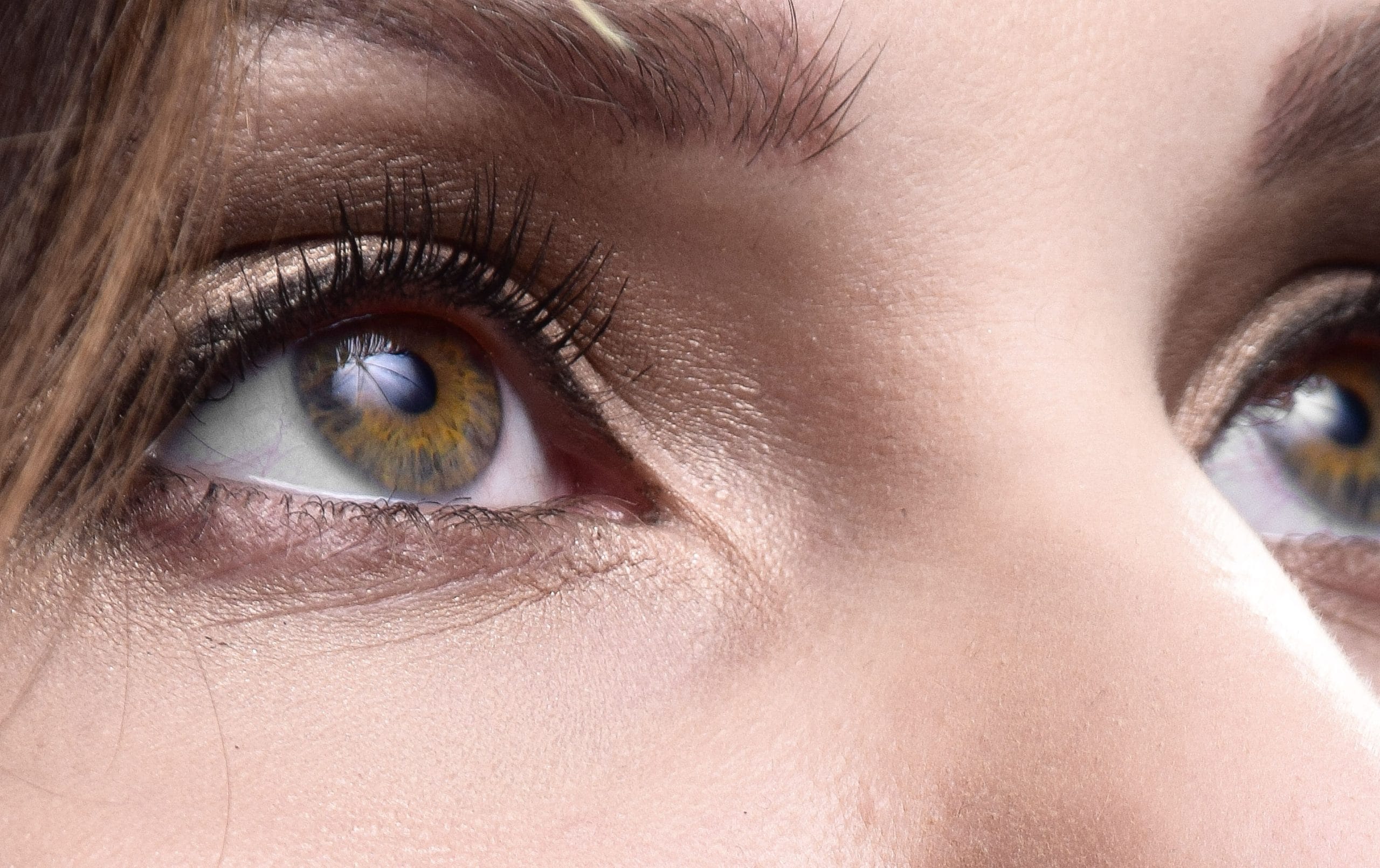

Living with diabetes means more than just managing your diet and insulin levels; it’s about caring for every part of yourself, including your eyes. In the busy routine of diabetes care, it’s easy to forget how important it is to keep an eye on your vision. Diabetic eye exams are a vital, yet often overlooked, part of your health routine. Let’s explore why these exams are so important and how they can play a key role in protecting your eyesight for the long term.
How Your Blood Sugar Affects Your Eye Health
Diabetes can affect your eyes in serious ways, sometimes even leading to blindness if not caught early. High blood sugar can damage the tiny blood vessels in your eyes, causing issues like diabetic retinopathy, macular edema, cataracts, and glaucoma. What makes these conditions tricky is that they often develop without any noticeable symptoms at first. That’s why regular eye exams are so important—they can catch these problems early, giving you a better chance to treat them and protect your vision.
What Is a Diabetic Eye Exam?
So, what exactly happens during a diabetic eye exam? Think of it as a deep dive into your eye health, where your eye doctor plays detective, searching for clues of diabetes-related damage. This isn’t your standard vision check-up. It’s a thorough investigation that includes:
- Visual Acuity Testing- Assessing how sharp your vision is at different distances.
- Pupil Dilation- A simple drop that widens your pupils, giving the doctor a clear view of your retina and optic nerve.
- Tonometry- A quick test to measure the pressure inside your eye, checking for glaucoma.
- Optical Coherence Tomography (OCT)- Capturing detailed images of your retina to spot any swelling or fluid.
- Fluorescein Angiography- A colorful adventure where a special dye lights up the blood vessels in your eyes, revealing any changes.
Why Regular Eye Exams Are a Must
Catching eye issues early can make a huge difference in preventing serious vision loss. Regular eye exams are key to spotting problems before they become severe. If you have type 1 diabetes, it’s important to start annual eye exams five years after your diagnosis.
For those with type 2 diabetes, getting an eye exam right after diagnosis is important, followed by regular check-ups. These exams help catch issues when they’re most treatable, giving you the best chance to protect your vision and maintain eye health over time.
Getting Ready for Your Exam
To get the most out of your eye exam, bring a list of your medications and any contact lenses you use, and be ready to talk about any changes in your vision. Since your eyes will be dilated during the exam, which can make them extra sensitive and your vision blurry, it’s a good idea to arrange for someone to drive you home.
It’s also helpful to write down any questions or concerns you have about your eye health beforehand. This way, you won’t forget to discuss anything important. Your eye doctor is there to help, so sharing as much information as possible will lead to a more thorough exam and personalized advice. Remember, even minor symptoms are worth mentioning during your visit.
Living Healthy with Diabetic Eye Conditions

If your exam shows any issues, don’t worry—there are effective treatments like medication, laser therapy, or even surgery to address them. Although, the key to maintaining healthy eyes lies in managing your diabetes through a balanced diet, regular exercise, and keeping your blood sugar in check. Adopting a healthy lifestyle, including avoiding smoking and excessive drinking, not only protects your vision but also boosts your overall health and well-being.
Summary
Making diabetic eye exams a regular part of your diabetes care routine can make all the difference in protecting your vision and helping you live a full, vibrant life. These exams aren’t just about seeing well today—they’re about ensuring your eyesight remains clear for all the beautiful moments in the future.
It’s easy to take our eyes for granted, but they’re our windows to the world, deserving of our care and attention every step of the way. Prioritizing your eye health is a small commitment with huge rewards.
Similar Articles
-

Why Your Contacts Might Be Irritating Your Eyes
-

Self-Care Tips for Moms with Tired, Dry Eyes
-

Fireworks & Contact Lenses: New Year Eye Safety Tips (Smoke, Debris & Dryness)
-

Long Hours? These Extended Wear Lenses Keep Up with Your Busy Lifestyle!
-

Why is Brown the Most Common Eye Color & Other Facts About Brown Eyes