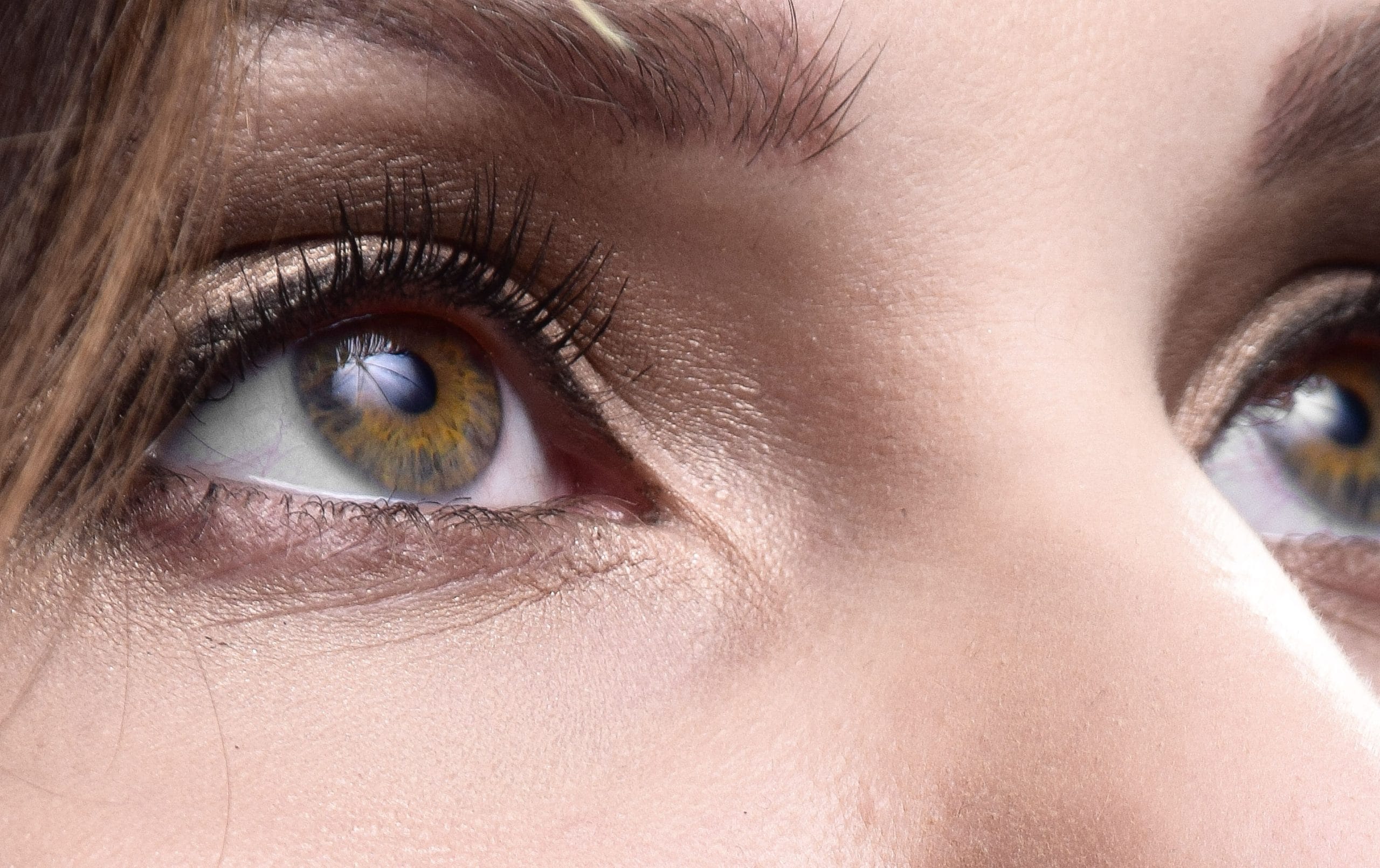

Clear vision is something we often take for granted, but it’s truly a gift that lets us see the world with sharpness and detail. For people with vision issues like nearsightedness, farsightedness, or astigmatism, glasses have been the go-to fix for ages. But over the years, contact lenses have become a popular, more discreet alternative. So, how do these tiny, flexible lenses work their magic just like glasses do? Let’s dive into the fascinating science behind contact lenses and see how they help correct your vision.
Understanding Vision Problems
Before diving into how contact lenses work, it helps to understand the common vision problems they’re designed to fix. These issues—like nearsightedness, farsightedness, and astigmatism—happen because of how light is focused on the retina, leading to blurry or distorted vision.
- Nearsightedness (Myopia) – Here, the eyeball is a bit longer than usual, making distant objects appear blurry.
- Farsightedness (Hyperopia) – This occurs when the eyeball is too short, making close-up tasks like reading harder.
- Astigmatism – An irregularly shaped cornea or lens causes light to scatter, blurring vision at all distances.
The Basics of Contact Lenses
Contact lenses are tiny, curved discs made from different materials, designed to sit right on the surface of the eye. They float on a thin layer of tears, which helps keep them comfortable and ensures clear vision. Unlike glasses, which sit away from the eyes, contact lenses become a part of the eye’s optical system.
This close fit gives a wider field of vision, with no frames to block your peripheral view. Plus, they’re great for active people or athletes since they won’t fog up or shift around during activities, giving you clear vision and full freedom to move.

How Contact Lenses Correct Vision
The magic of contact lenses lies in how they bend light to correct vision. When light enters the eye, it’s usually focused directly on the retina by the cornea and lens, creating a clear image. But for those with vision issues, this process can get off track. Here’s how contact lenses help:
- Nearsightedness (Myopia) – For those who are nearsighted, contact lenses work by spreading out light just before it hits the eye. The lenses are thicker in the center, which helps to diverge the light slightly. This adjustment shifts the focal point onto the retina, making distant objects clearer and sharper.
- Farsightedness (Hyperopia) – For farsighted individuals, contact lenses do the opposite by converging light before it reaches the eye. These lenses are thinner in the center and thicker at the edges, which helps to bring the focal point forward. This adjustment allows close-up tasks, like reading, to be much easier and more comfortable.
- Astigmatism – People with astigmatism have irregularly shaped corneas, which cause light to scatter and blur vision. Contact lenses for astigmatism are specially designed with different thicknesses in different areas, known as toric lenses. These lenses help to align the light rays correctly, ensuring that the entire field of vision is clear and free from blurriness.
Material and Design
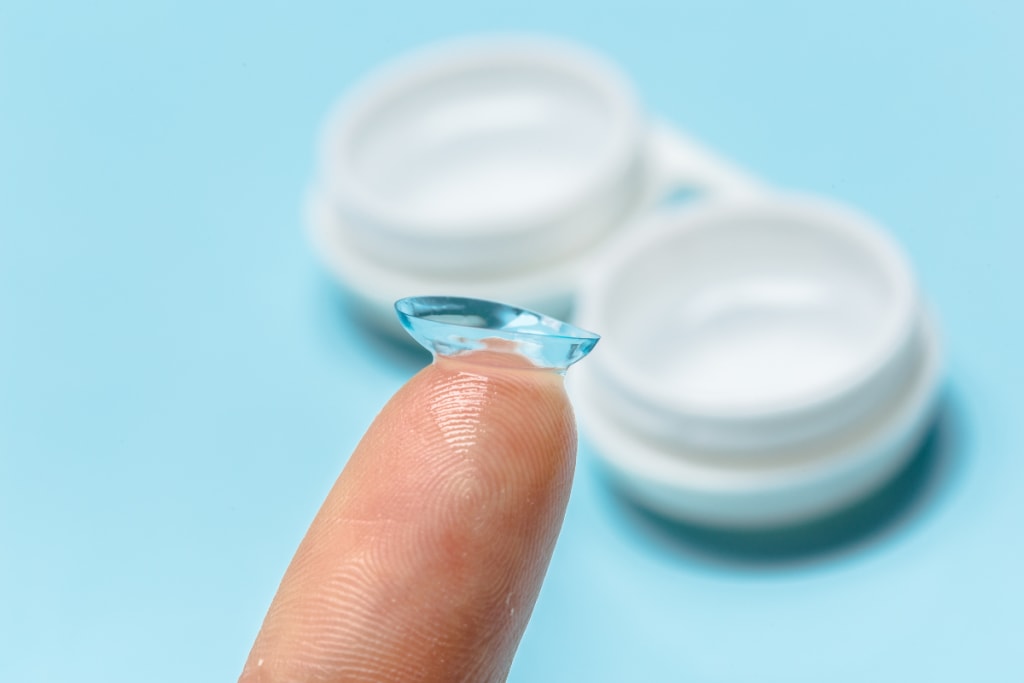
The material used in contact lenses makes a big difference in how comfortable and effective they are. Traditional soft lenses, made from hydrogel or silicone hydrogel, are popular because they’re comfortable and let enough oxygen reach your eyes. On the other hand, Rigid Gas Permeable (RGP) lenses are made from a firmer material that offers sharper vision but might take some getting used to.
The design of the lens is also tailored to specific vision needs. Whether it’s spherical lenses for nearsightedness or farsightedness, or toric lenses for astigmatism, the goal is to ensure you see as clearly as possible.
Fitting and Prescription
There’s a wide range of contact lenses available, each with its own benefits. Depending on your lifestyle and what feels comfortable, you might choose daily disposable lenses, extended-wear lenses, toric lenses for astigmatism, multifocal lenses for presbyopia, or lenses designed specifically for dry eyes. Your eye care professional will help you pick the right lenses to ensure you enjoy clear and comfortable vision every day.
Wrap Up
The science behind contact lenses is a fascinating mix of optics, material science, and precision engineering. These small lenses have the incredible ability to correct vision by bending and redirecting light, helping millions see clearly and comfortably.
But remember, while contact lenses have many advantages, they also need proper care and regular check-ups to keep your eyes healthy. If you’re thinking about getting contact lenses, consult with an eye care professional to find the perfect fit and enjoy the gift of clear vision.