

Updated January 13th, 2025 – Our eye health is shaped by many factors, including genetics, age, and environmental conditions. But one of the easiest and most impactful ways to support your vision is through your diet. The right nutrients—like vitamins A, C, E, zinc, lutein, zeaxanthin, and omega-3 fatty acids—can play a significant role in keeping your eyes healthy and functioning optimally.
In this guide, we highlight the top five eye-health foods trending in 2025, each with powerful benefits for your vision. From nutrient-packed leafy greens to omega-rich fatty fish, vibrant berries and citrus fruits, wholesome nuts and seeds, and classic favorites like carrots and sweet potatoes, these foods offer a range of nutrients to help protect against age-related vision changes and support overall eye function. Whether you wear contacts, glasses, or simply want to preserve your vision, incorporating these foods into your diet can have lasting benefits for both your eyes and your overall health.
1. Leafy Greens: Kale, Spinach, and Collard Greens

Nourishing Your Eyes with Nature’s Greens
When it comes to eye health, leafy greens like kale, spinach, and collard greens are true superstars. These vibrant greens are packed with essential nutrients that are pivotal in maintaining and improving vision.
Why Are They Beneficial?
- Rich in Lutein and Zeaxanthin: These two nutrients are carotenoids found in the retina of your eyes. They act as antioxidants, protecting your eyes from harmful light waves like ultraviolet rays from the sun. Studies have shown that a diet rich in these nutrients can significantly decrease the risk of chronic eye diseases, including age-related macular degeneration and cataracts.
- Vitamin C and E: These vitamins are powerful antioxidants that help fight oxidative stress in your eyes, which can lead to degenerative diseases.
- High in Fiber and Low in Calories: These greens are beneficial for overall health, which indirectly supports eye health.
How to Incorporate Them into Your Diet?
- Salads and Smoothies: A fresh kale or spinach salad is a fantastic way to enjoy these greens. You can also blend them into smoothies without significantly altering the taste.
- Cooked Dishes: Collard greens are excellent when lightly sautéed with garlic or added to soups and stews. The cooking process can make certain nutrients more absorbable.
- Snacking: Kale can be baked into crispy chips for a healthy snack.
Easy Recipe Idea:
Garlic Sautéed Spinach – Simply sauté fresh spinach leaves in a bit of olive oil with minced garlic, salt, and pepper. Cook until the spinach is wilted. This is a quick, healthy, and delicious side dish that pairs well with almost any meal.

2. Fatty Fish: Salmon, Trout, and Mackerel

Diving Deep into the Benefits of Fatty Fish for Eye Health
Fatty fish such as salmon, trout, and mackerel are not just delicious – they’re a treasure trove of nutrients that are fantastic for eye health. These fish are rich in omega-3 fatty acids, which are essential for maintaining the health of your retina.
Why Are They Beneficial?
- Rich in Omega-3 Fatty Acids: Omega-3s, particularly DHA (docosahexaenoic acid), play a crucial role in visual development and retinal health. They help maintain the integrity of the nervous system, including the optic nerve that connects your eyes to your brain.
- Anti-inflammatory Properties: Chronic inflammation can lead to various eye problems. The omega-3s in fatty fish have anti-inflammatory properties that can help protect against conditions like dry eye syndrome.
- Supports Cardiovascular Health: Good cardiovascular health supports healthy blood vessels, including those in the eyes. This can reduce the risk of age-related macular degeneration and diabetic retinopathy.
How to Incorporate Them into Your Diet?
- Grilled or Baked: Grilled or baked salmon, trout, or mackerel are not only tasty but also retain most of their nutritional benefits.
- Fish Tacos or Salads: For a lighter meal, try fish tacos or add chunks of these fish to your salads.
- Omega-3 Supplements: If you’re not a fan of fish, consider omega-3 supplements, but it’s always best to consult with a healthcare provider before starting any supplement regimen.
Easy Recipe Idea:
Baked Lemon Garlic Salmon – Marinate a salmon fillet in a mixture of lemon juice, minced garlic, olive oil, salt, and pepper. Bake in a preheated oven at 400°F (about 200°C) for 12-15 minutes or until the fish flakes easily with a fork.

3. Berries and Citrus Fruits: Blueberries, Strawberries, Oranges, and Lemons
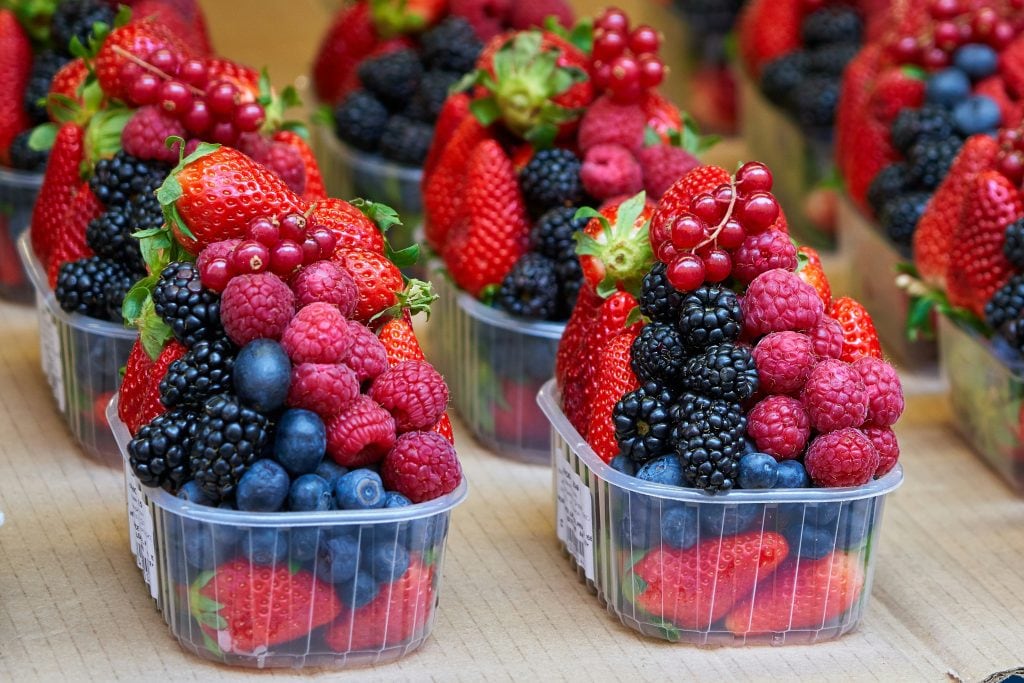
A Burst of Color and Health: Berries and Citrus Fruits for Eye Wellness
Berries and citrus fruits, such as blueberries, strawberries, oranges, and lemons, are not only delicious and vibrant but also pack a punch of vital nutrients beneficial for eye health. These fruits are loaded with vitamins and antioxidants that play a crucial role in maintaining and improving eye function.
Why Are They Beneficial?
- Rich in Vitamin C: This powerful antioxidant helps protect the eyes from damaging free radicals. It’s also essential for the production of collagen, a protein that provides structure to your eyes, particularly in the cornea and sclera.
- Antioxidant Properties: Berries like blueberries and strawberries contain antioxidants like flavonoids, which help reduce the risk of age-related macular degeneration and cataracts.
- Bioflavonoids: Found in citrus fruits, bioflavonoids help enhance the effects of vitamin C and are believed to help strengthen capillaries, including those in the eyes.
How to Incorporate Them into Your Diet?
- Fresh Snacks: Enjoy these fruits as a fresh, healthy snack at any time of the day.
- Smoothies: Blend a mix of berries and citrus fruits for a refreshing and healthy smoothie.
- Desserts: Use them in desserts like fruit salads, tarts, or as toppings on yogurt and cereal.
Easy Recipe Idea:
Berry Citrus Salad – Combine sliced strawberries, blueberries, orange segments, and lemon zest in a bowl. Drizzle with a bit of honey and a squeeze of fresh lemon juice for an added tang. This salad is not only eye-catching but also a great way to enjoy a mix of eye-healthy fruits.
4. Nuts and Seeds: Almonds, Walnuts, and Flaxseeds
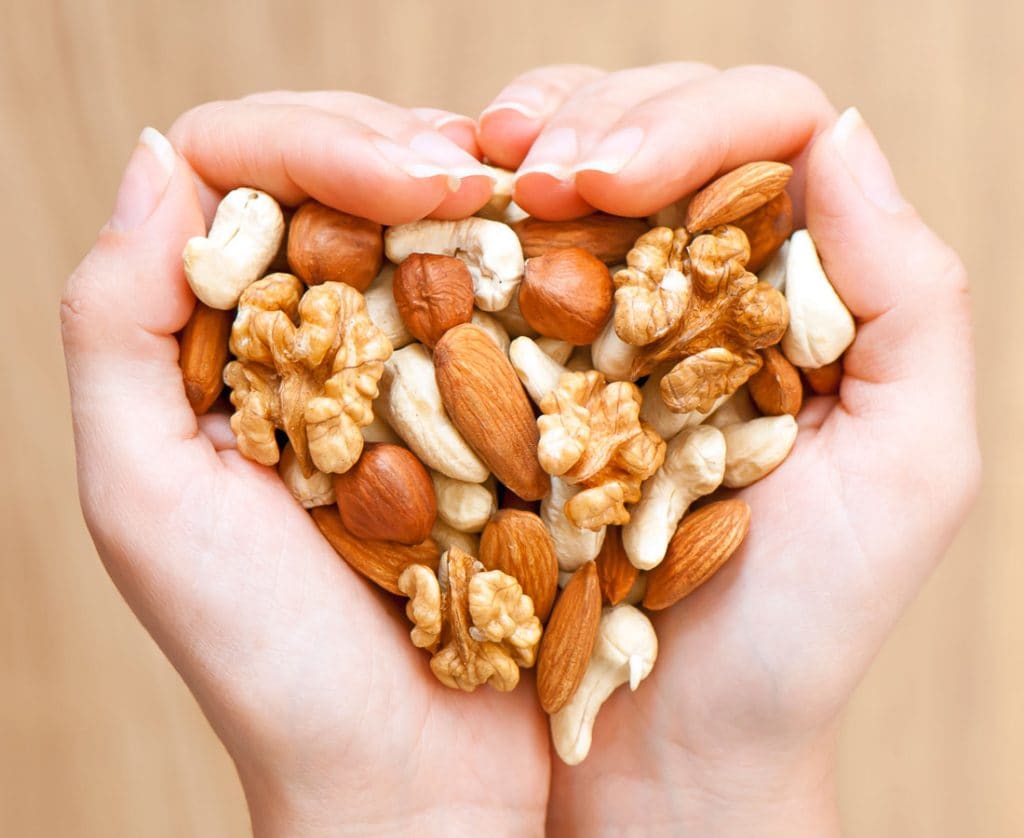
The Power of Crunch: Nuts and Seeds for Enhanced Eye Health
Nuts and seeds, such as almonds, walnuts, and flaxseeds, are tiny powerhouses of nutrition and play a significant role in eye health. These small but mighty foods are loaded with essential nutrients that are particularly beneficial for maintaining and improving vision.
Why Are They Beneficial?
- Rich in Vitamin E: Vitamin E is a potent antioxidant that helps protect the cells in the eyes from damage caused by free radicals, which can play a role in the development of cataracts and age-related macular degeneration.
- Omega-3 Fatty Acids: Walnuts and flaxseeds are excellent plant-based sources of omega-3 fatty acids, particularly alpha-linolenic acid (ALA), which contributes to eye health.
- Essential Minerals: Nuts and seeds contain minerals like zinc, which is vital for bringing vitamin A from the liver to the retina, thereby producing melanin, a protective pigment in the eyes.
How to Incorporate Them into Your Diet?
- Snacking: A handful of nuts makes a healthy and satisfying snack.
- Added to Meals: Sprinkle chopped nuts or seeds over salads, yogurt, or oatmeal.
- In Baking: Use them in baked goods like muffins, bread, or as a crunchy topping on casseroles.
Easy Recipe Idea:
Homemade Trail Mix – Combine almonds, walnuts, and flaxseeds with some dried fruits for a nutritious and eye-healthy snack. You can adjust the ingredients to your liking, adding a sprinkle of dark chocolate chips or a dash of cinnamon for extra flavor.
5. Carrots and Sweet Potatoes
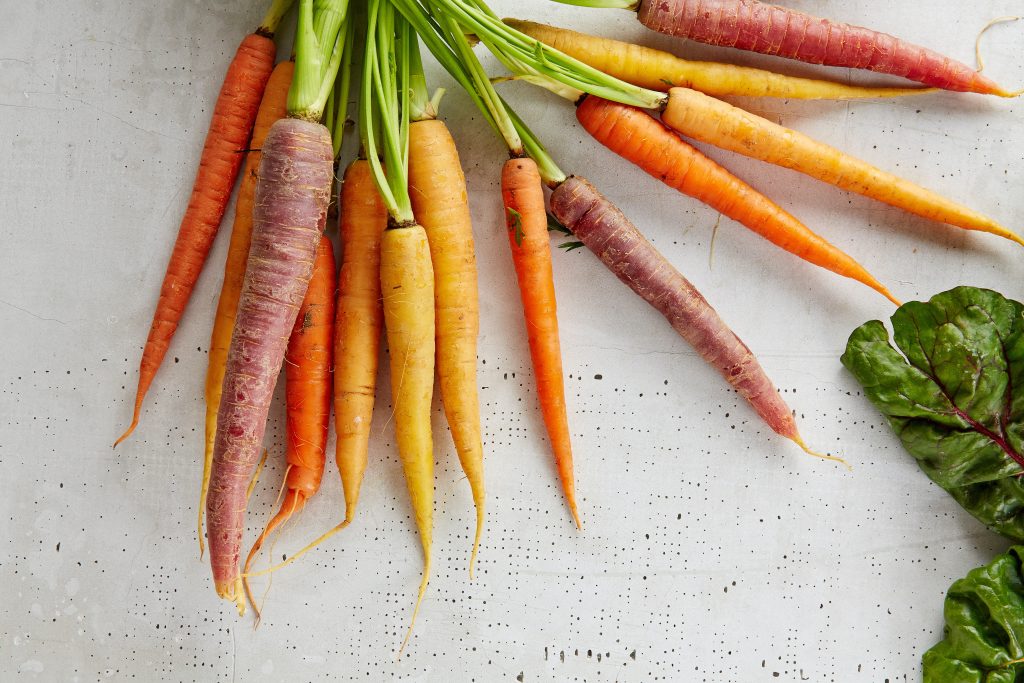
A Vision of Health: The Benefits of Carrots and Sweet Potatoes
Carrots and sweet potatoes are not just colorful and delicious but also highly beneficial for eye health. These root vegetables are renowned for their high content of beta-carotene and other nutrients essential for maintaining and improving vision.
Why Are They Beneficial?
- Rich in Beta-Carotene: Both carrots and sweet potatoes are loaded with beta-carotene, a type of vitamin A, which is crucial for good vision. Vitamin A helps the retina function properly and is essential for low-light and color vision.
- Antioxidants: They contain a variety of antioxidants that help protect the eyes from oxidative stress, reducing the risk of eye diseases like cataracts and macular degeneration.
- Vitamins and Minerals: Besides beta-carotene, they are also a good source of vitamins C and E, as well as minerals like potassium and manganese, which support overall eye health.
How to Incorporate Them into Your Diet?
- As a Side Dish: Roasted or steamed carrots and sweet potatoes make a delicious and healthy side dish.
- In Soups and Stews: Add them to soups and stews for added flavor and nutrition.
- Healthy Snacks: Carrot sticks or sweet potato fries can be a great snack option.
Easy Recipe Idea:
Roasted Carrot and Sweet Potato Soup – Roast carrots and sweet potatoes until tender. Blend them with vegetable stock, a touch of ginger, and seasoning for a warm, comforting, and eye-healthy soup.
Nourish Your Eyes for a Healthier Future
Incorporating eye-healthy foods into your diet is a simple yet powerful way to protect your vision and overall health. From nutrient-packed leafy greens and omega-rich fatty fish to antioxidant-loaded berries, nuts, and vibrant root vegetables like carrots and sweet potatoes, each food on this list offers unique benefits for your eyes. These natural choices can help reduce the risk of age-related vision issues, improve eye function, and support long-term visual health.
Whether you’re managing a prescription or simply aiming to maintain healthy vision, these five trending foods provide a delicious and effective way to care for your eyes. Start adding them to your meals today, and consult with your eye care professional for tailored advice on maintaining your eye health. With the right nutrition and care, you can enjoy clearer, healthier vision for years to come.