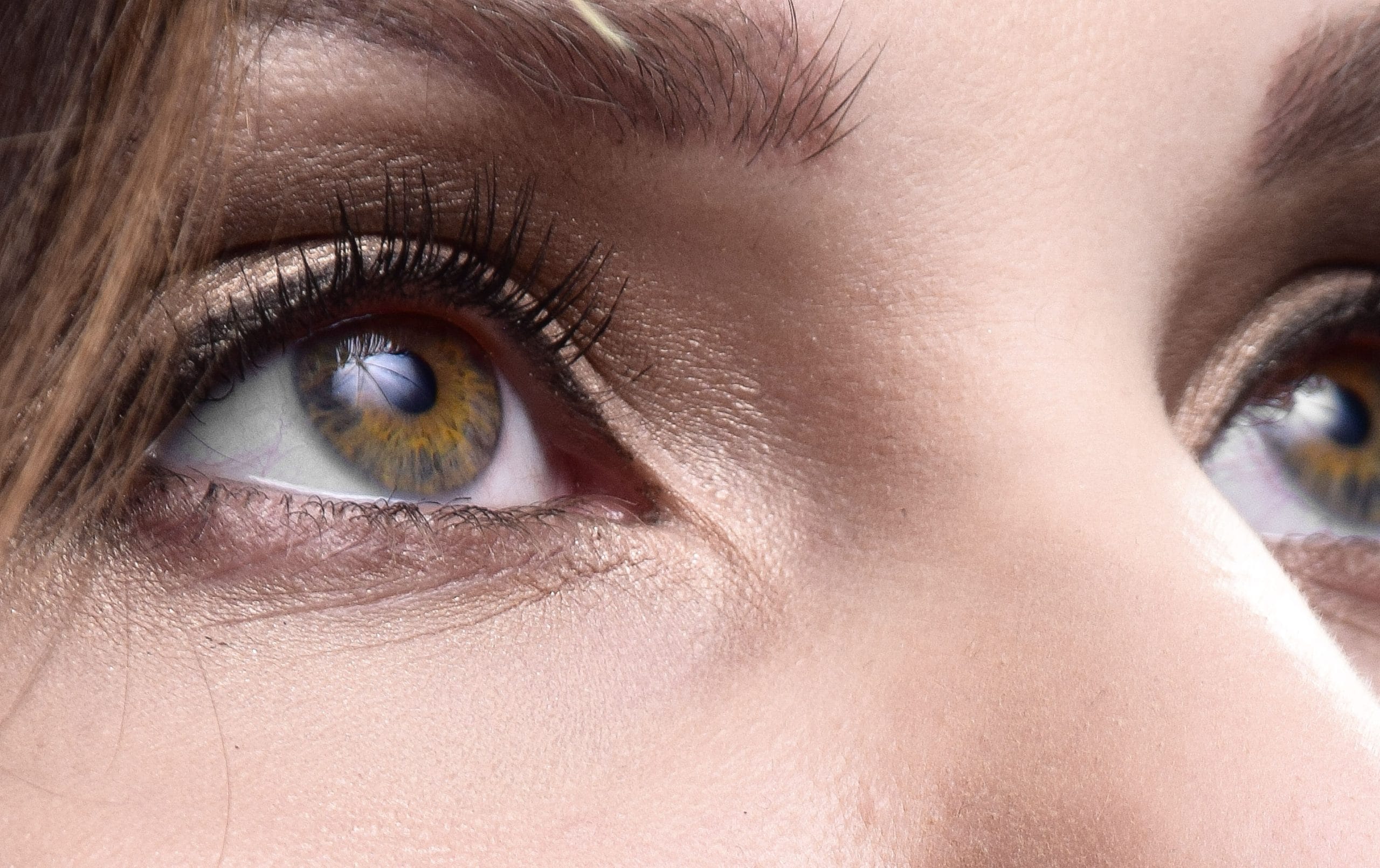

With winter on the way, the colder temperatures can bring some challenges, like dealing with dry eyes. The combination of cold, dry air outside and indoor heating can make your eyes feel irritated and uncomfortable. But don’t worry—if you’re finding that your eyes are dry during the winter months, there are plenty of ways to help. In this article, we’ll look at eight simple strategies to keep your eyes feeling comfortable all winter long.
1. Use a Humidifier
Indoor heating can dry out the air in your home, which often leads to dry eyes. Using a humidifier can help maintain a comfortable level of humidity, keeping your eyes from getting too dry. Just remember to clean it regularly to avoid mold or bacteria buildup.
2. Stay Hydrated
Staying hydrated is key to keeping your eyes moist. It’s easy to forget to drink enough water during the colder months, so make a point to drink plenty of fluids throughout the day. Herbal teas and warm water are great options that can also feel soothing.
3. Blink Regularly
When we’re focused on things like reading, using a computer, or watching TV, we often don’t blink as much. Blinking spreads a thin layer of tears over your eyes, helping to keep them moist. Try to make a habit of blinking regularly to avoid dryness.
4. Follow the 20-20-20 Rule
If you spend a lot of time looking at screens, remember the 20-20-20 rule: every 20 minutes, take a 20-second break and look at something about 20 feet away. This simple practice can help reduce eye strain and keep your eyes more comfortable.
5. Avoid Direct Heat
Direct heat from radiators, space heaters, or car heaters can be tough on your eyes. Try to sit away from these sources whenever you can to avoid dry, hot air blowing directly on your face. In your car, you can adjust the vents so the airflow isn’t hitting you directly.

6. Wear Eye Protection Outdoors
When you’re out in the cold and windy weather, make sure to protect your eyes by wearing sunglasses or glasses with wraparound frames. These can shield your eyes from harsh conditions and help prevent moisture from evaporating too quickly.
7. Use Artificial Tears
Over-the-counter artificial tears can give you some quick relief from dry eyes by adding moisture. There are different kinds available, so it’s a good idea to talk to your eye care professional to find the one that’s best for you.
8. Consider Omega-3 Supplements
Omega-3 fatty acids, which you can get from fish oil supplements, are known to help with eye health and reduce dry eye symptoms. Before you start any new supplements, check with your healthcare provider to make sure they’re right for you and won’t interfere with any other medications you’re taking.
When to Seek Professional Help
While these tips can help manage dry eyes, it’s important to see an eye care professional if your symptoms don’t improve or get worse. You might have an underlying condition that needs specialized treatment. Watch for signs like severe eye pain, significant changes in vision, persistent redness that doesn’t get better with drops, sensitivity to light, unusual discharge, or a feeling like something’s stuck in your eye. Your eye care provider can do a thorough exam to figure out what’s going on and suggest the best treatments.
Bottom line
If these tips for managing dry eyes aren’t making a difference or if your symptoms worsen, it’s important to consult with an eye care professional. There could be an underlying issue that requires specialized treatment. Pay attention to warning signs such as severe eye pain, major changes in your vision, redness that doesn’t improve with drops, sensitivity to light, unusual discharge, or a sensation of something being stuck in your eye.
Your eye care provider can perform a comprehensive examination to diagnose the cause of your symptoms and recommend the most effective treatments. Early intervention can help address any serious issues and improve your overall eye health.
Similar Articles
-

Biofinity Toric vs. Biomedics Toric: Which Lens is Best for Astigmatism?
-

Dealing with Eye Irritation? It Might Be Superficial Punctate Keratitis (SPK)
-

Can You Sleep With Contacts On? What the Science Says
-

Can I wear contact lenses with Blepharitis?
-

Advanced Contact Lens Finder – Search by Feature, Diameter (DIA), Base Curve (BC), Overnight Wear & More