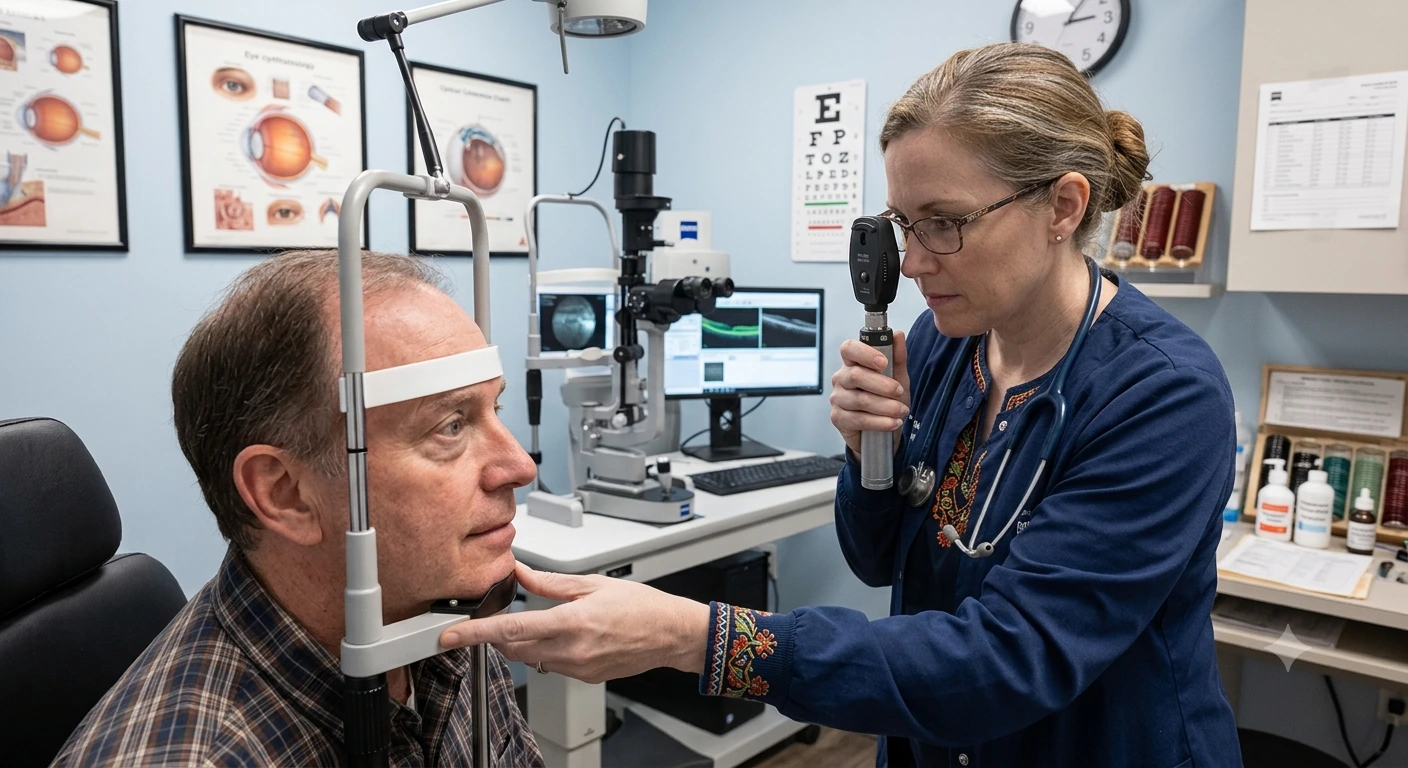
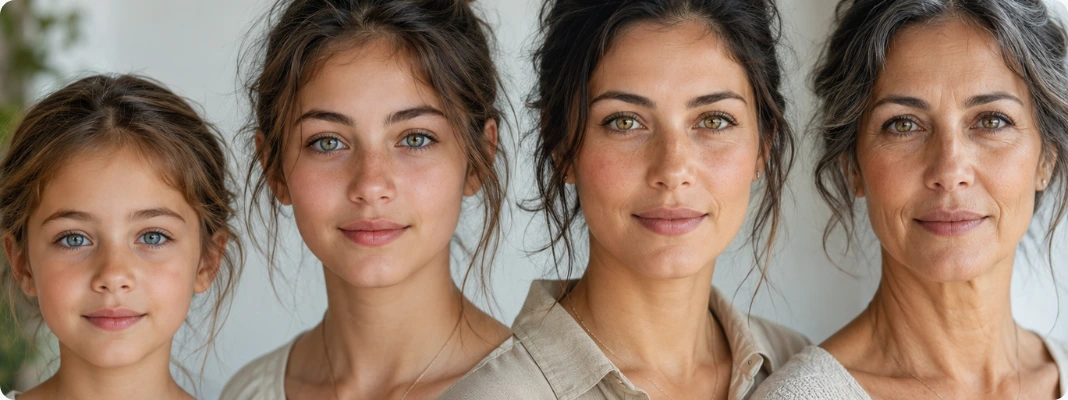
Your eye color is more personal than a mirror selfie suggests. Cleveland Clinic describes iris color as being like a fingerprint because nobody else has the exact same colored eyes as you. So when your eyes look a little lighter, darker, greener, or just not quite the same as yesterday, it makes sense to pause. Can your eye color change over time is a fair question, especially if lighting, age, health, or colored contacts are part of the story.
Most changes are subtle or only appear that way, but sudden or one-sided changes deserve attention. Properly prescribed color contacts can change how your eyes look temporarily, but they do not create a permanent biological change in eye color.
Can your eye color change over time?
Yes, your eye color can change over time, but major changes after early childhood are uncommon. Babies’ eyes often darken as melanin production develops, usually starting around 3 to 9 months, and it can take up to 3 years for a child’s eye color to settle. Adults may notice subtle shifts from aging, lighting, pupil size, medications, injury, inflammation, cataracts, or other eye conditions. A sudden, lasting, one-sided, painful, or vision-related eye color change should be checked by an eye doctor.
If the difference appears only while you are wearing cosmetic contact lenses, the change is caused by the lens design rather than a change in your natural eye pigment.
What gives your eyes their color?
Your eye color comes from your iris, the colored ring around your pupil that helps control how much light enters your eye. Your iris is also highly individual, almost like a fingerprint, which is why even two people with “brown eyes” or “green eyes” can have different patterns, flecks, and depth of color.
The biggest color driver is melanin, the pigment that also helps determine skin and hair color. More melanin in the iris generally means darker-looking eyes, such as brown eyes, while less melanin can make eyes look blue, green, gray, or hazel because of how light scatters through the iris. Your genes influence your natural iris color, but small shifts in how your eyes look can still happen because of lighting, pupil size, aging, or eye health changes.
Thinking about changing your eye color with prescription lenses and not sure which details belong to each eye? Know how to read contact lens prescriptions (OD vs. OS) so you can order the correct lens for your right and left eye.
Why do your eyes look different colors sometimes?
Your eyes can look different colors sometimes because light, contrast, and reflections change how your iris appears. This is especially common with hazel, blue, and green eyes, where small changes in lighting, clothing, or pupil size can make different tones stand out. Most of the time, hazel eyes changing color or blue eyes changing color from one setting to another is an appearance shift, not a true pigment change.
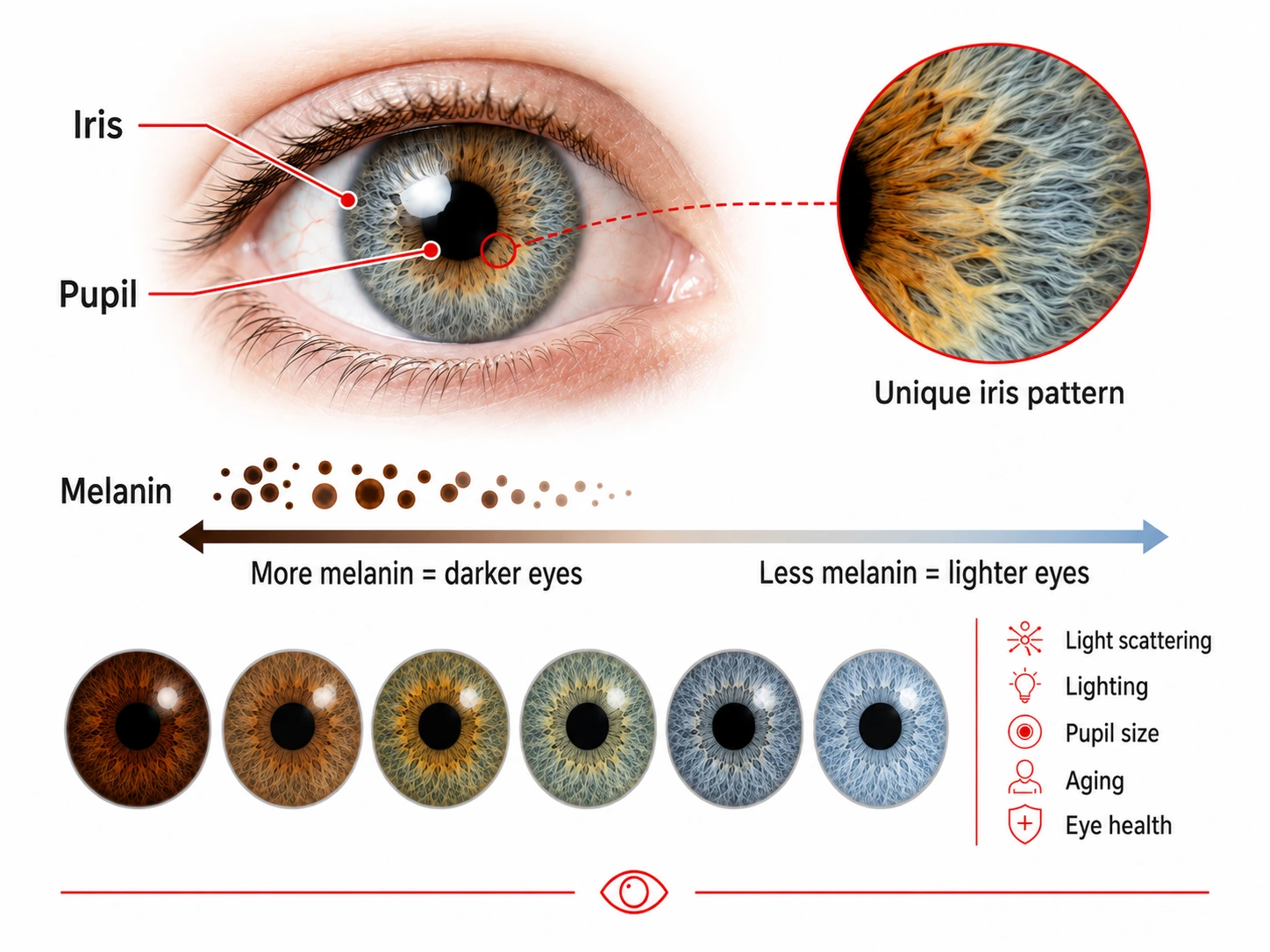
Note: If the change disappears in different lighting, mirrors, or photos, it is more likely an appearance shift. If the change is new, persistent, one-sided, or paired with pain, redness, light sensitivity, or blurry vision, schedule an eye exam.
Can eye color change as you get older?
Yes, eye color changes with age can happen, but adult iris color is usually stable. Some people may notice their eyes look a little lighter, darker, duller, or less vivid over time, but dramatic adult eye color change is not something to ignore. A noticeable new change should be checked, especially if it affects only one eye.
Aging can also change how the eye looks without actually changing the iris itself. Cataracts can make the lens inside the eye look cloudy, yellow, gray, or white, which can make the eye appear different. Arcus senilis can create a blue, white, or gray ring around the cornea, the clear front surface of the eye, and may be mistaken for a change in eye color.
Questions like brown eyes getting lighter or blue eyes changing color should be answered carefully because the cause can vary. Sometimes it is lighting, aging, or a harmless appearance change, but a new ring, spot, cloudy area, or one-eye change deserves an exam. Contact an eye care professional sooner if the change comes with pain, redness, light sensitivity, blurry vision, or a recent eye injury.
Do bright light, glare, or cloudy-looking changes make your eyes seem different than before? Review contact lens options for light sensitivity so you can ask your eye doctor about safer comfort choices.
When do babies’ eyes stop changing color?
Babies’ eyes often stop changing color during early childhood, but there is no exact deadline for every child. Some babies are born with blue-gray or lighter-looking eyes because melanin production is still developing. As more melanin builds in the iris, the eyes may darken in the first months of life, often starting around 3 to 9 months. Some children may continue to have subtle changes until about age 3.
Brown eyes are less likely to become light blue later because they already have more melanin. Lighter-looking baby eyes may shift toward darker blue, green, hazel, or brown as pigment develops. Ask a pediatrician or eye care professional about baby eye color change that looks unusual, affects only one eye, appears suddenly, or comes with redness, cloudiness, light sensitivity, or vision concerns.
What medical conditions can change eye color?
Some medical causes of eye color change affect the iris itself, while others affect nearby parts of the eye and only make the color look different. The cornea, lens, pupil, inflammation, bleeding, or certain medications can all change how the color of your eye appears.
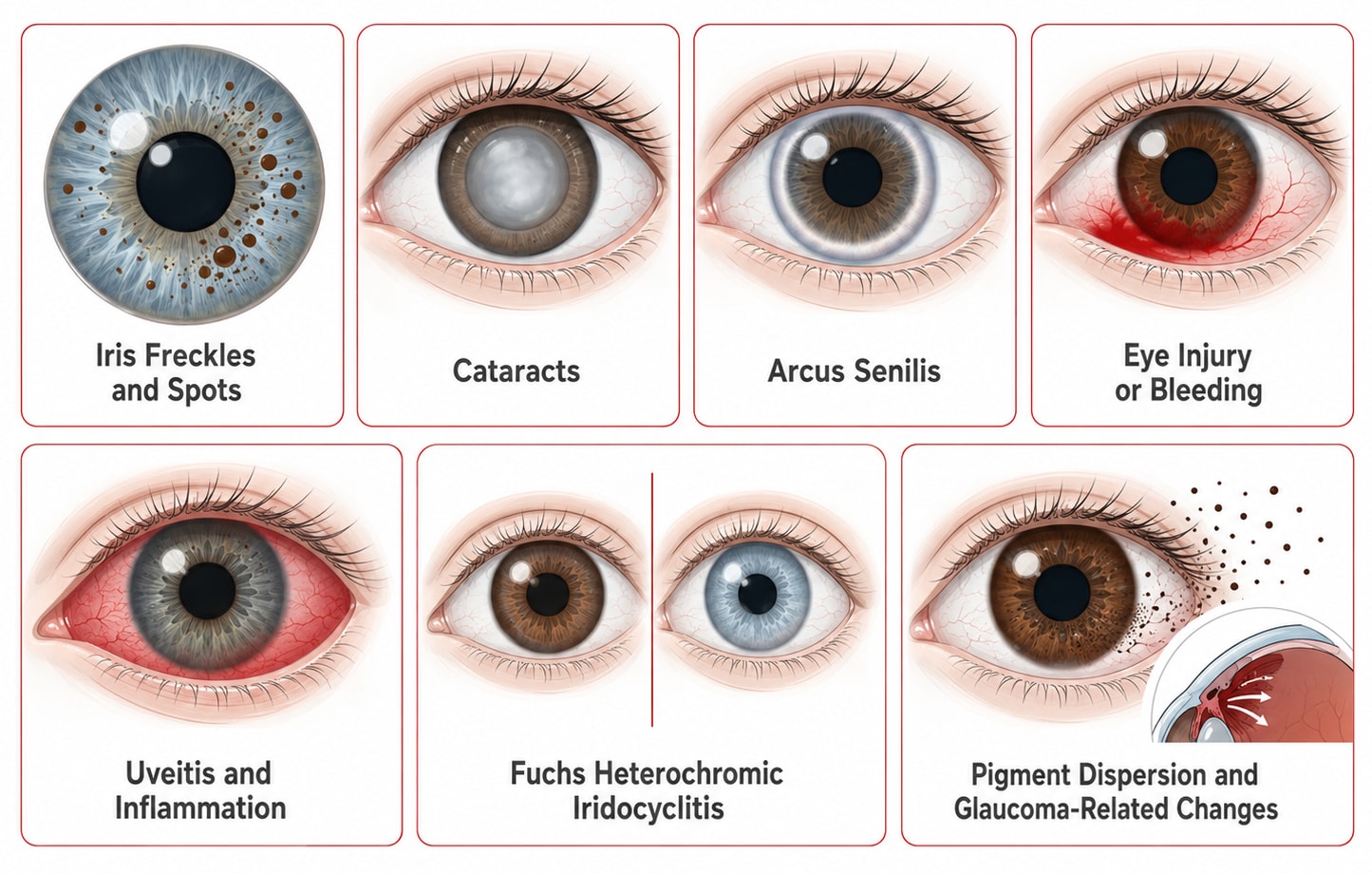
How can you tell a harmless eye color shift from a concerning one?
You can usually tell a harmless eye color shift from a concerning one by looking at timing, consistency, symptoms, and whether one eye is changing more than the other.
Your eyes may simply be reacting to light, contrast, or reflections if:
- They look greener, brighter, darker, or lighter only in certain lighting.
- Hazel eyes shift between brown, green, or gold from day to day.
- Clothing or makeup makes certain eye tones stand out more.
- A “cloudy” or white look only appears as glare in a photo.
- One eye has always looked slightly different from the other.
- Redness clears quickly and your vision feels normal.
A harmless eye color shift usually comes and goes with lighting, clothing, makeup, or pupil size. A concerning change tends to be new, persistent, one-sided, or paired with symptoms. When in doubt, an eye exam is the safest way to tell an appearance change from inflammation, injury, cataracts, or another eye-health issue.A harmless eye color shift usually comes and goes with lighting, clothing, makeup, or pupil size. A concerning change tends to be new, persistent, one-sided, or paired with symptoms.
When in doubt, an eye exam is the safest way to tell an appearance change from inflammation, injury, cataracts, or another eye-health issue.
Can sunlight, mood, or diet change your eye color?
Sunlight, mood, and diet can affect how your eyes look, but they are not reliable or safe ways to create a true natural eye color change. Lighting and pupil size can make your iris appear brighter, darker, greener, or more golden for a while. That is usually a change in appearance, not a change in iris pigment.
Sun exposure may make your eyes look different in certain conditions and may contribute to iris freckles, but it should not be treated as an eye-color strategy. UV exposure can also harm the eyes, so sunglasses with UV protection are a smarter plan than trying to make your eyes lighter or darker. Mood can change pupil size, tears, or facial redness, which may shift the way your eye color appears, but it does not permanently change iris pigment.
Diet, honey, detoxes, and supplements should not be promoted as ways to change eye color. Harvard Health reports that color-changing eye drops are not FDA-approved, have not been tested for safety or effectiveness, and could potentially harm the eyes. Be careful with any product that promises permanent eye color changes without a prescription, exam, or clear medical oversight.
Want lenses that adapt to changing light instead of relying on sunlight to change how your eyes look? Learn what you need to know about transition contact lenses before asking your eye doctor about light-adaptive options.
Can colored contacts change your eye color safely?
Yes, colored contacts can change how your eyes look temporarily, but they need to be prescribed and fitted just like clear contact lenses. They are medical devices, not over-the-counter cosmetics, even when they do not correct vision. The FDA says decorative contact lenses require a prescription, and a poor fit can cause serious eye damage.
For safer changing eye color with contacts:
- Use only prescribed, properly fitted colored contacts.
- Buy from sellers that require a valid prescription.
- Follow cleaning, wearing, and replacement instructions.
- Never share colored contacts.
- Do not sleep, swim, or shower in lenses unless specifically approved.
- Stop wearing lenses and contact an eye care professional for pain, redness, discharge, light sensitivity, or vision changes.
- Avoid iris implant surgery, unapproved color-changing drops, and DIY eye-color claims.
All contact lenses need proper care to reduce the risk of scratches, ulcers, and eye infections. The Centers for Disease Control and Prevention (CDC) also warns that decorative lenses bought without a prescription may not fit correctly and can put your eye health at risk.
Which eye color changes need prompt care?
Seek prompt eye care if you notice a sudden eye color change, especially if it affects only one eye, follows an injury, or comes with pain or vision changes. Adult eye color usually stays fairly stable, so a new or lasting change is a good reason to call an eye doctor rather than wait it out.
Seek prompt eye care if you notice:
- Sudden eye color change
- One eye becoming lighter, darker, cloudy, red, or unusually different
- A new or growing dark spot on the iris
- Eye pain
- Light sensitivity
- Redness that does not improve
- Blurry, dim, distorted, or decreased vision
- Discharge or swelling
- Blood inside the eye after an injury
- A new ring, haze, or cloudy layer over the eye
- Color change after starting an eye medication
- Unequal pupils or a new drooping eyelid
An eye exam can help separate a harmless appearance shift from inflammation, injury, medication effects, cataracts, or another eye-health concern. Do not try to self-diagnose a color change that is sudden, painful, one-sided, or paired with vision symptoms.
Your eye color can change over time, but major changes after early childhood are uncommon. Many day-to-day shifts are caused by lighting, clothing, pupil size, reflections, or eye surface changes rather than true iris color change. Babies’ eyes can naturally darken as melanin develops, while adults should take sudden, one-sided, persistent, painful, or vision-related changes seriously. If you want a temporary color change, prescription colored contacts are the safer route than surgery, unapproved drops, or DIY remedies.
Want to try a different eye color without risking your eye health? Browse our contact lenses to compare prescribed options that can support your vision, comfort, and color preference.
Disclaimer: This content is for general informational purposes only and is not a substitute for professional advice, diagnosis, or treatment.
References
Can Your Eyes Change Color? Cleveland Clinic / Nicole Bajic, MD. https://health.clevelandclinic.org/can-eye-color-change. Date Accessed: July 21, 2026.
Uveitis. National Eye Institute. https://www.nei.nih.gov/eye-health-information/eye-conditions-and-diseases/uveitis. Date Accessed: July 21, 2026.
Colored and Decorative Contact Lenses: A Prescription Is A Must. U.S. Food and Drug Administration. https://www.fda.gov/consumers/consumer-updates/colored-and-decorative-contact-lenses-prescription-must. Date Accessed: July 21, 2026.
Color-changing eye drops: Are they safe? Harvard Health Publishing / Maureen Salamon. https://www.health.harvard.edu/blog/color-changing-eye-drops-are-they-safe-202410153076. Date Accessed: July 21, 2026.
Eye color changes past early childhood. The Louisville Twin Study. Archives of Ophthalmology / L. Z. Bito, A. Matheny, K. J. Cruickshanks, D. M. Nondahl, O. B. Carino. https://pubmed.ncbi.nlm.nih.gov/9152135/. Date Accessed: July 21, 2026.
Similar Articles
-

The Best-Selling Daily Disposable Contact Lenses of 2025
-

A Guide To Halloween Contact Lenses (Buying Online, Styling, & Safety Tips)
-

Contact Lens-Associated Peripheral Ulcer (CLPU) Guide: Is Your Contact Lens Routine Putting You at Risk?
-
Are You Left or Right-Eyed? Try This 10-Second Eye Dominance Test
-

What is BOZR in Contact Lenses? A Quick Guide