
Table of Contents
Light sensitivity, or photophobia, can make everyday tasks like working on a computer, driving, or spending time outdoors uncomfortable and challenging. This condition causes heightened sensitivity to light, often resulting in discomfort, squinting, or even headaches. While there are many potential causes—ranging from eye conditions like dry eye syndrome to prolonged screen time—contact lenses can offer effective relief. This guide explores the best types of contact lenses for managing light sensitivity, along with recommended brands and practical tips to improve visual comfort.
What Causes Light Sensitivity?
Light sensitivity can stem from various sources, including:
-
Eye Conditions – Conditions like dry eye syndrome, keratoconus, or corneal abrasions can heighten sensitivity to light.
-
Migraines – Bright lights are a common trigger for migraines, which may worsen photophobia.
-
Digital Eye Strain – Prolonged screen use exposes eyes to blue light, causing discomfort and fatigue.
-
Post-Surgery Effects – Photophobia is a common side effect of eye surgeries such as LASIK or cataract removal.
-
General Sensitivity – Some people are naturally more light-sensitive, even without an underlying condition.
Understanding the root cause of your light sensitivity is central in selecting the most effective solution, including contact lenses tailored to your needs.
How Can Contact Lenses Help with Light Sensitivity?
1. Scleral and RGP Lenses
Scleral lenses are designed to rest on the sclera (the white part of the eye) and create a tear-filled vault over the cornea. This design offers a smooth optical surface that reduces light scatter and minimizes glare, making them highly effective for individuals experiencing photophobia. By covering a larger portion of the eye, these lenses enhance visual clarity while protecting the cornea from irritants. Their ability to retain moisture makes them a good option for those with dry eyes, offering both hydration and long-lasting comfort.
Rigid Gas Permeable (RGP) lenses are another option for managing photophobia. Although smaller than scleral lenses, RGP lenses are made from durable, oxygen-permeable materials that provide sharp visual correction. These lenses are particularly well-suited for those with specific refractive needs or corneal irregularities. While they may not cover as much of the eye as scleral lenses, RGP lenses still help improve vision clarity and reduce light sensitivity for many wearers.
-
Recommended Brand (Scleral) – BostonSight Scleral lenses are a top choice, offering advanced customization for individuals with photophobia or corneal conditions.
-
Recommended Brand (RGP) – Explore options like Boston EO and Boston XO2, both available at Lens.com, for exceptional clarity and comfort.
2. Therapeutic Tinted Contact Lenses
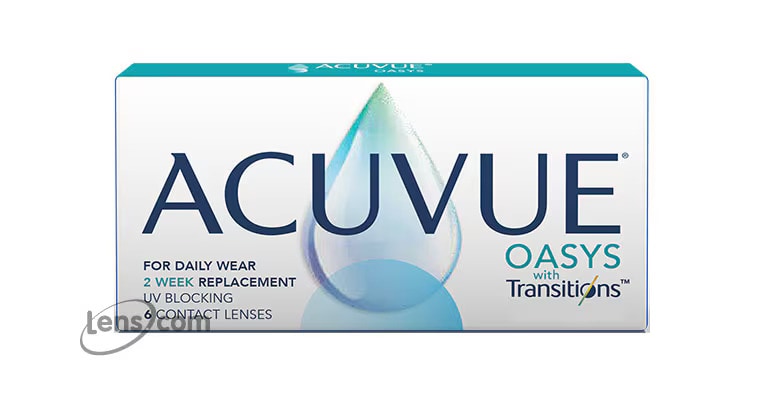
Therapeutic tinted lenses, often referred to as prosthetic lenses, are specially designed to filter specific wavelengths of light that can cause discomfort. These lenses are particularly beneficial for individuals with migraines or neurological conditions that heighten sensitivity to bright or artificial light. By reducing the intensity of certain types of light, they help alleviate discomfort while preserving visual clarity, making them an effective solution for managing photophobia.
The customizable tint options of these lenses allow wearers to tailor the level of light filtration to their unique needs. This personalization improves contrast and enhances visual comfort in various lighting conditions, offering relief from harsh lighting environments. Whether for everyday use or specific situations, therapeutic tinted lenses provide a targeted approach to reducing light sensitivity and improving overall eye comfort.
-
Recommended Brand: The Acuvue Oasys with Transitions lenses are a top choice. These daily lenses automatically adjust their tint based on lighting conditions, offering seamless protection against light sensitivity. If this sounds like the right option, you can easily order Acuvue Oasys with Transitions from an authorized retailer.
3. Anti-Glare Contact Lenses
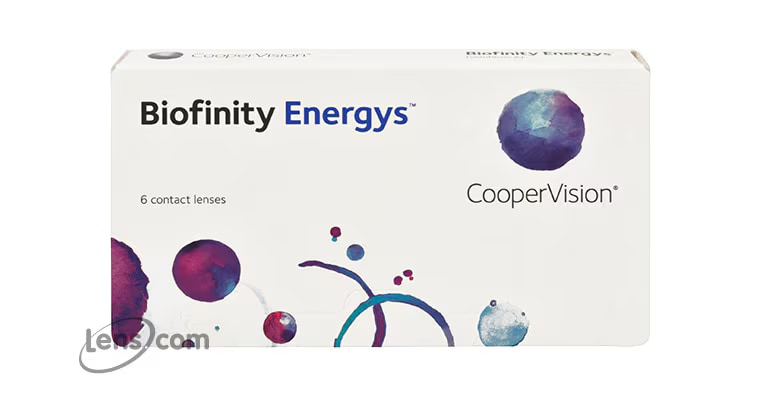
Anti-glare contact lenses are designed to reduce the reflection of light from surfaces such as screens, headlights, and sunlight, making them a good choice for individuals with photophobia. By minimizing glare, these lenses enhance visual clarity and provide relief from eye strain caused by artificial light sources. Whether for night driving, prolonged screen use, or outdoor activities, anti-glare lenses offer improved comfort and clear vision in various lighting conditions.
-
Recommended Brand: Biofinity Energys lenses are specifically designed to reduce glare and alleviate digital eye strain, making them a great option for frequent screen users. You can often find cheap Biofinity Energys deals and rebates online.
4. Daily Disposable Lenses with High Moisture Content

Daily disposable lenses are a good option for individuals whose light sensitivity is associated with dry eyes. These lenses are designed to provide fresh, hygienic wear each day, ensuring optimal hydration and comfort. Preventing dryness, which can worsen light sensitivity, makes daily disposables particularly beneficial for those who need a convenient, low-maintenance solution. Their single-use nature makes them a good fit for occasional wear, especially during activities with high-light exposure, such as outdoor sports or extended screen time.
-
Recommended Brand: DAILIES Total 1 lenses, featuring Water Gradient Technology, are a perfect solution for keeping eyes hydrated and comfortable while reducing light sensitivity.
Practical Tips for Managing Light Sensitivity
In addition to wearing contact lenses, the following tips can help reduce the discomfort associated with light sensitivity:
-
Wear Sunglasses – Choose sunglasses with UV protection and polarized lenses to block harmful rays and glare.
-
Adjust Indoor Lighting – Opt for softer, warmer lighting and avoid fluorescent bulbs.
-
Limit Screen Time – Use blue light-blocking glasses or adjust your device settings to reduce blue light exposure.
-
Use Artificial Tears – Keep your eyes hydrated with preservative-free artificial tears, especially if dryness is a factor.
-
Follow a Healthy Diet – Include foods rich in omega-3 fatty acids and antioxidants, which support eye health and reduce sensitivity.
Shop Quality Affordable Contacts at Lens.com
When to Consult an Eye Care Professional
Persistent or worsening light sensitivity, frequent headaches or migraines triggered by light, or noticeable vision changes are signs that it’s time to consult an eye care professional. While contact lenses can provide relief for light sensitivity, they may not address the root cause of the issue. An eye doctor can perform a thorough evaluation to determine the underlying cause of your symptoms, whether it’s related to an eye condition, environmental factors, or general health.
Based on their findings, they can recommend tailored solutions, including the most suitable contact lenses and additional treatments, to help you manage your symptoms effectively and maintain optimal eye health. Regular check-ups also ensure that your vision care needs are met as they change.
Choosing the Right Contact Lenses for Light Sensitivity
Light sensitivity can significantly impact your daily life, but the right contact lenses can make a big difference. Whether you opt for scleral lenses, therapeutic tinted lenses, or daily disposables, there’s a solution tailored to your needs. Brands like Acuvue Oasys with Transitions, Biofinity Energys, and DAILIES Total 1 offer advanced features to enhance visual comfort and reduce sensitivity.
Remember, consulting with an eye care professional is central to identify the most effective lenses and strategies for your specific condition. By addressing your light sensitivity with the right contact lenses and lifestyle adjustments, you can enjoy clearer, more comfortable vision every day.
Let your journey to better eye comfort begin—shop for your contact lenses on Lens.com today!
Similar Articles
-

Can I take a 20 Minute Nap with Contacts On? How About for 10 minutes, 15, 30, or 60 minutes? 2025 Update
-
Here Are Five Best Contact Lenses for Athletes and Active People (2025)
-

Eye Care Gift Ideas for the Holiday Season
-

Fireworks & Contact Lenses: New Year Eye Safety Tips (Smoke, Debris & Dryness)
-

5 Frequently Asked Questions About Contact Lens Cases