
Overview | Can I nap while wearing contacts? | Does the duration matter? | What if I accidentally napped in contacts? | Are there contacts you can sleep in? | Conclusion
Updated August 1st, 2025 – Don’t do it! Read on, but unless you are wearing extended-wear contact lenses, the short answer is “don’t.”
Everyone faces different challenges when getting through each day, but some days are occasionally a tad more exhausting than others. Whether you are a new parent, finishing up work for a deadline, studying for an important exam, or going through health issues that keep you lethargic all day long- there is one thing we can all agree on, and that is a nap. Studies have shown that naps can boost productivity by improving alertness, enhanced performance, and a better mood.
For contact lens wearers, the question ‘can I take a nap with contacts on?’ is very commonly asked. Unfortunately, the answer to that is not necessarily straightforward, as you need to consider the type of contact lenses you are wearing and the wearing schedule that has been prescribed. This article will outline which contact lenses are better suited for those who nap and what happens if you accidentally nap with contact lenses.
Why Sleeping in Contacts May Be Risky?
A report in Optometry and Vision Science reveals that only 2% of contact wearers follow the guidelines for safe use. This proves users are not vigilant enough and may be exposing themselves to harmful risks by not practicing the correct methods of handling, caring for, and using their contact lenses.
A study of 281 people in 2011 found that a whopping 85% of surveyed eye patients thought they were compliant with the proper contact lens care practices when in reality, only 0.4% were fully compliant– that meant only one individual followed the correct procedures. The most common transgression: sleeping in contact lenses.
Can You Nap with Contacts?
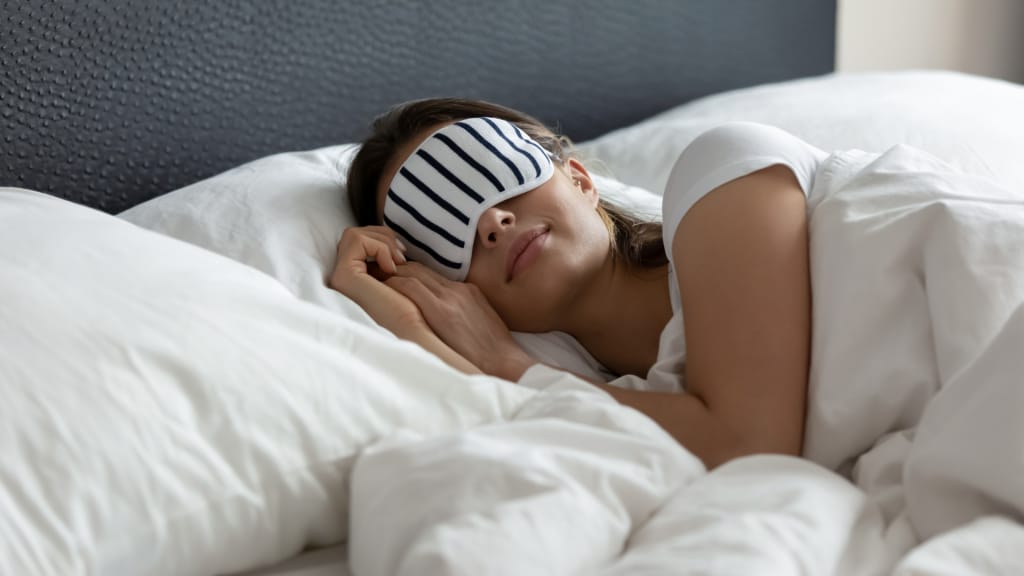
The general rule is no; you should not nap or sleep with contact lenses. This applies to all contact lens brands and types, unless specified. Falling asleep with your contact lenses could lead to a risk of infection and irritation. While modern soft contact lenses have incredible technology to ensure enough oxygen passes through the lenses in daily wear, having your eyes closed as you sleep reduces available oxygen and prevents tears from washing your eye under the contact lenses. This can potentially cause problems to your eyes through hypoxia of the eyes, unless you use specific lenses designed for extended wear, as directed by your eye care professional.
After wearing your lenses all day long, Napping or falling asleep means your lenses have collected pollutants, bacteria, and dirt that could increase your risk of complications. These risks may include developing Contact Lens Induced Acute Red Eye (CLARE) or a painful corneal ulcer, even with extended wear of contact lenses. While rare and often a treatable condition, it may have long-term effects on your vision from scarring. Sleeping in contact lenses increases your chance of getting an eye infection six to eight times. Sleeping or napping in contact lenses can also cause them to get stuck underneath your eyelid, which may require removal by a doctor.
What If I Only Napped for 10 Minutes, or 30 Minutes, or 60 Minutes? Does It Matter?

Yes, the duration does make a difference, but it is not the only factor to consider. In general, the more time spent sleeping in contact lenses, the greater the risk that you will develop symptoms of infection or inflammation and suffer from the more severe consequences. For example, if you frequently fall asleep during your work transit or take naps between 10 minutes to 40 minutes long, you are not exposing yourself to any long-term health-related risks. You might, however, still experience blurred vision and dry eyes for a short period as a result. If you’re asleep for a more extended period of one or more hours, then your contact lenses can dry up in your eyes. This can lead to discomfort or even a scratching sensation in your eyes when you open them.
The type of contact lenses you wear matters, too. Silicone hydrogel lenses allow more oxygen to the cornea, so your eyes won’t get sore. On the other hand, hydrogel lenses might cause some redness, irritation, and burning when you wake up– which could even risk damaging your cornea. With shorter naps, these issues are less likely to occur.
The state your eyes are in before falling asleep also matters. If you have been using your contacts only for a few hours before going to bed, then there is a lower risk of your eyes getting irritated than if you have been wearing them all day. This is because contact lenses tend to accumulate dirt and dust, such as when worn for extended periods such as throughout the day. However, if you fall asleep with your contacts in, in the evening, and they stay in your eyes all night, this could prove to be more problematic.
What If I Have Accidentally Napped in Contacts?
If you accidentally take a nap or fall asleep with your lenses on, your contact lenses may feel a bit more dry and difficult to remove than usual. As a result, you may feel some discomfort when trying to open your eyes. If you notice any redness, pain, or reduced vision or can’t take your lenses out, be sure to seek advice from your eye care professional. Otherwise, here are the best steps you can take to mitigate the risks:
- Wait for a few minutes before trying to remove your lenses.
- Use contact lens rewetting drops to hydrate the lenses and rehydrate your eyes to avoid the risk of corneal abrasion.
- Leave your lenses out for at least a few hours, checking that your eyes feel and look normal.
- Give your eyes a day-long break from contact lenses so that they have a chance to absorb oxygen again and remain moist.
Are There Contact Lenses You Can Sleep In?
Extended wear contact lenses are FDA-approved for continuous wear, even while you sleep, offering great convenience for busy lifestyles by eliminating daily cleaning. These bi-weekly or monthly lenses use breathable silicone hydrogel for superior oxygen and moisture delivery to your eyes.
If considering extended wear, you can order cheap Air Optix Night & Day Aqua lenses online, among other choices. Always consult your eye care professional to confirm suitability and wear them only under their direction.
For your reference, here’s a list of popular FDA-approved contact lens brands for overnight or extended wear.
Note: All figures listed are accurate as of 04/2024 but are subject to change without notice.

Preventative Measures In Lens Care for Wearers
While understanding the risks associated with napping or sleeping with contact lenses is essential, it’s equally crucial to establish preventive habits that minimize these occurrences. Here are some tips to help ensure you remember to remove your contacts before taking that well-deserved nap:
- Set Alarms: If you’re prone to taking naps or have an irregular sleep schedule, set alarms on your phone or smart devices to remind you to remove your contacts before dozing off.
- Visual Cues: Place a sticky note or a sign by your bed or workspace with a reminder to take out your contact lenses. Over time, this can train your brain to associate the visual cue with the act of removing your contacts.
- Nightly Routine: Make contact lens removal a staple in your nightly routine, just like brushing your teeth or washing your face. Consistency will ensure that you don’t forget even if you’re extremely tired.
- Wear Glasses Occasionally: If you know you’re going to be particularly tired on a certain day or are planning to nap, consider wearing glasses instead. This eliminates the worry about accidentally falling asleep with your lenses on.
- Educate Yourself: Understand the consequences and risks associated with sleeping in contact lenses. Sometimes, being truly aware of the potential harm can be a strong deterrent against bad habits.
- Backup Pair of Glasses: Always keep a backup pair of glasses handy. This way, if you ever feel the slightest discomfort or dryness from your contacts, you can switch to glasses without hesitation, reducing the chance of accidentally sleeping with your contacts in.
- Discuss with Your Optometrist: Your eye doctor can provide personalized recommendations based on your lifestyle and the type of contacts you wear. They may also have tools or resources, like pamphlets or apps, to help remind you.
Incorporating these preventive measures can go a long way in safeguarding your eye health. Remember, it’s always better to be proactive than reactive when it comes to the well-being of your eyes.
Are There Long-Term Effects of Napping with Contacts?
Potentially, yes. So while any length of time sleeping with contacts may be harmful, habitually napping with contacts can also pose several risks to your eye health over time. While occasional short naps might not lead to immediate discomfort, the continuous practice can significantly obstruct oxygen supply to your corneas, potentially causing corneal neovascularization where new blood vessels grow into the cornea seeking oxygen. Further, the risk of developing microbial keratitis, an infection of the cornea, increases with prolonged contact lens wear during sleep. Studies indicate that sleeping with contacts, even during short naps, can elevate the risk of eye infections up to eight times compared to removing lenses before sleeping. It’s very important to maintain rigorous lens hygiene and adhere to the recommended wearing schedule. Once again, if you find yourself needing to nap with contact on, discuss with your ECP the possibility of using lenses approved for extended or overnight wear to mitigate these risks.
Napping in Contacts? Make Informed Choices for Healthy Eyes!
Always practice safe habits according to the guidelines provided and check with your eye care professional whenever you doubt. For example, if you are guilty of sleeping or taking naps in your contact lenses and have gotten the green light from your optometrist, you can browse our range of extended-wear contact lenses online.
Summary Graphic: Can You Nap with Contacts On?


Similar Articles
-

3 Of The Best Christmas Gift Ideas For Contact Lens Wearers
-

Halloween Makeup Ideas That Will Turn Heads in 2024
-

Dailies AquaComfort Plus Toric vs Dailies Total 1 for Astigmatism: Choosing the Best Toric Contact Lens
-
Can I wear contact lenses with Blepharitis?
-

What Are Ortho-K Overnight Lenses? A Complete Guide for Wearers