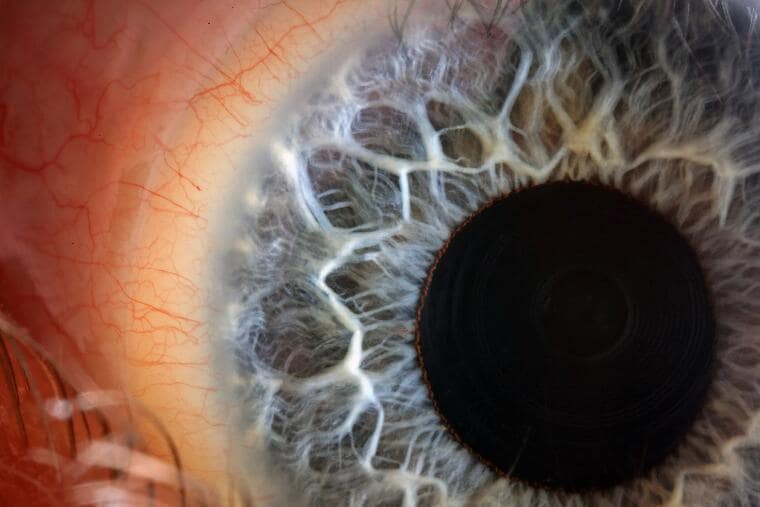
Updated December 6th, 2025 – Blinking is vital for your eye health. It plays a crucial role in keeping your eyes oxygenated and moist while also clearing debris such as dried tears, dead cells, and small particles from the air from your eyes. Blinking can also help keep your eyes healthy by bringing nutrients and other substances to your eyes, which can help prevent dry eyes or eye infections.
Recent studies from Japan’s Osaka University have also shown that blinking helps us to refocus on the task at hand by resting briefly. Although seemingly spontaneous, the researchers’ studies have revealed that people tend to blink at predictable moments rather than random. For example, blinking occurs to a person reading after each finished sentence.
On the other hand, a person listening to a speech usually blinks when the speaker pauses between statements. In addition, a group of people all watching the same video tend to blink around the same time, too, when action briefly lags. As a result, the researchers hypothesized that we might subconsciously use blinks as a sort of mental resting point to briefly shut off visual stimuli and allow us to focus our attention.
Scientists have shown that the average person blinks approximately:
Thus, if you received a nickel every time you blinked, you would make $210,000 annually.
Did you know that a blink typically lasts 100-150 milliseconds and that the eye is the fastest muscle in your body – which is why when something happens quickly, we say ‘in the blink of an eye!’
linking, though automatic, is influenced by various factors that can alter its frequency throughout the day. Age plays a significant role, with newborns blinking only about two to three times per minute, compared to the average adult rate of 15–20 blinks per minute. As we age, changes in tear production or other physiological factors can further affect blinking patterns. Environmental conditions like wind, humidity, and lighting also impact how often we blink. Dry or windy environments typically increase blinking to protect and hydrate the eyes, while dim lighting may cause a decrease in blinking frequency.
Other factors, such as screen time, emotional states, and health conditions, also influence blinking. Prolonged screen use often reduces blinking rates, leading to digital eye strain and dryness, a phenomenon commonly referred to as “screen blink reduction.” Emotional states like stress, anxiety, or intense focus can alter blinking patterns, with nervousness often increasing the frequency. Additionally, certain medical conditions, such as Parkinson’s disease or dry eye syndrome, and medications affecting tear production or muscle control, can further disrupt natural blinking habits. Recognizing these factors highlights the importance of adopting habits and environments that support healthy blinking and overall eye comfort.
Wearing lenses can increase blinking if your eye is finding the lenses uncomfortable. This usually happens if your eyes are dry or if the contact lenses have a rip or a tear. In these instances, you should always remove the existing lenses and replace them with a new pair. Increased blinking can also occur with contact lenses if you wear them for an extended period. The general advice is to wear them for up to 8-12 hours a day, and each type of contact lens should have a prescribed recommended period of usage.
Your blinking can also be affected by the water content in contact lenses. If you deal with dry eyes or a humid climate, this brand is a solid choice. Many wearers buy Biofinity contacts for their breathable, all-day wear. These monthly lenses are designed with Aquaform® Technology to retain moisture and allow oxygen to pass through, making them ideal for those with dry or sensitive eyes.
For those who wear multifocal lenses, checking with an eye doctor for a Biofinity Multifocal fitting guide can help find the right fit and maximize comfort, especially for those getting used to new lenses. You can order Biofinity Multifocal lenses online at Lens.com once you’ve confirmed your updated prescription.
Daily contact lenses can also be a great option, as they offer a fresh, moisture-rich feel every day.
Have a question? Call us at
1-800 LENS.COM (536-7266)
Online 24/7
© 1995-2021 Lens.com. All Rights Reserved. Lens.com is a contact lens replacement company, and a direct to consumer marketer of contact lenses.
As a contact lens replacement center, we can only sell you contact lenses that you have a valid prescription for, and are wearing successfully.