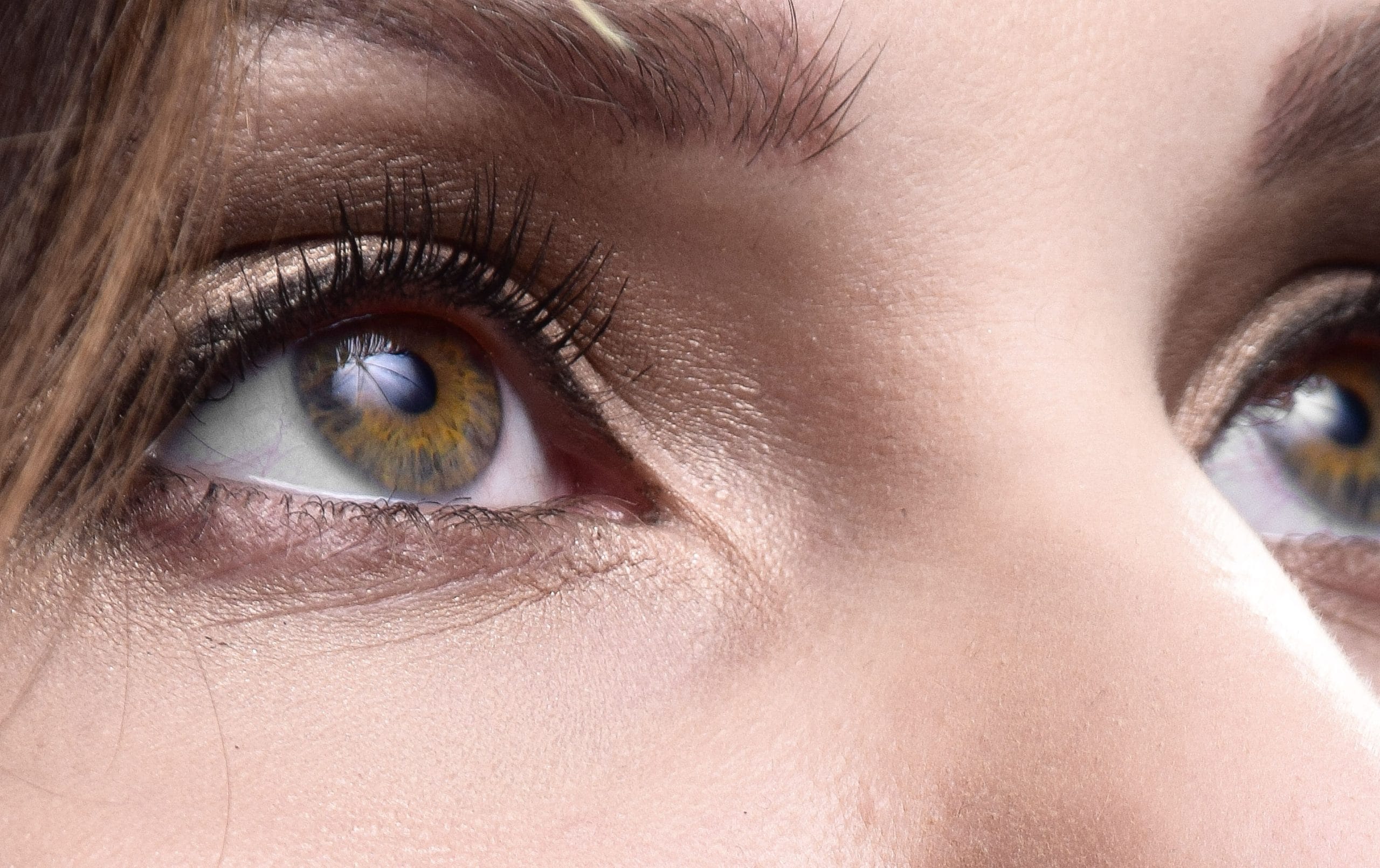

Eye twitching can be an annoying and distracting experience. For many, it’s a temporary inconvenience that resolves on its own. However, for others, persistent eye twitching might raise concerns about underlying causes. Could it be due to stress, eye strain, or something more serious?
In this article, we’ll break down the causes of eye twitching, effective treatments, and proactive measures to prevent it. In addition, we’ll explore how contact lens wearers can address twitching while maintaining optimal eye health.
What Is Eye Twitching?
Eye twitching, medically referred to as myokymia, is a repetitive, involuntary spasm of the eyelid muscles. It is typically harmless and short-lived, occurring intermittently over a few days. There are two main types of eye twitching:
- Myokymia. This common form of eye twitching is often caused by lifestyle factors like stress or fatigue and rarely requires medical intervention.
- Blepharospasm. A more severe condition, blepharospasm involves prolonged twitching that can cause the eyelid to close completely. It may require medical evaluation if it affects vision.
Understanding the type of eye twitching you’re experiencing can help you determine the best course of action.
Common Causes of Eye Twitching
Several factors can trigger eye twitching, but most are benign and manageable. Stress, eye strain, and fatigue are among the leading causes, often exacerbated by modern lifestyles. Spending long hours in front of screens, consuming too much caffeine, or not getting enough rest can overwork the muscles in your eyelids, leading to spasms.
Dry eyes are another common culprit, especially for contact lens wearers. Lack of proper lubrication can irritate the eyelid muscles, causing twitching. Similarly, outdated or incorrect prescriptions can increase eye strain, further aggravating the issue. Environmental factors, such as exposure to bright lights or smoke, can also play a role.
Understanding these triggers can help you address the root causes of eye twitching. Simple changes to your habits, like reducing screen time, staying hydrated, or updating your prescription, can make a significant difference.

How to Stop Eye Twitching
In most cases, eye twitching resolves on its own after a few days. However, you can take several steps to alleviate the discomfort and prevent recurrence. Managing stress is important—incorporating relaxation techniques like meditation or yoga can help calm the muscles around your eyes. Prioritizing sleep is equally important; a consistent bedtime routine and reducing screen time before bed can work wonders.
Eye hydration plays a big role in reducing twitching. Artificial tears or lubricating drops are effective remedies, especially for contact lens wearers prone to dryness. Limiting stimulants like caffeine and alcohol can also prevent excessive muscle stimulation. If your prescription is outdated, updating it can alleviate strain and provide clearer, more comfortable vision.
For long-term relief, adopting these habits and addressing any underlying conditions is essential. An online vision test with Lens.com can help ensure your prescription is accurate, making your efforts to stop eye twitching more effective.