
Table of Contents
If your vision isn’t as clear as it used to be, you’re not alone. Many people experience changes in eyesight over time, whether it’s struggling to read small text, difficulty seeing at night, or a general sense that the world around you looks less sharp. While age is a common factor, it’s not the only reason your eyesight might be getting worse.
In this blog, we’ll explore common causes of vision decline from natural aging to lifestyle habits and when you should speak to an eye care professional. Understanding what’s happening behind the scenes can help you take the right steps to protect your vision.
Common Age-Related Eye Changes
As you get older, your eyes go through natural changes that can affect how well you see. Some of these changes are manageable, while others could indicate a deeper eye health issue that needs to be addressed sooner rather than later.
One of the most common changes is presbyopia, which usually starts in your 40s. It’s the reason many adults suddenly find themselves holding reading materials at arm’s length to see clearly. This happens because the lens in your eye becomes less flexible, making it harder to focus on close objects. Reading glasses or progressives are often the go-to solution.
Even if you’ve worn glasses for years, you might notice your prescription needs updating more frequently. This is normal—your eyes change shape and refraction levels can shift over time, which is why regular eye exams are important. Staying on top of these updates helps prevent eye strain and keeps your vision as sharp as possible.
Dry Eyes and Blurred Vision
Dry eye syndrome is more common than people think, especially in older adults and individuals who spend a lot of time looking at screens. As tear production slows with age, your eyes can become dry, irritated, and blurry. Women, in particular, might experience more dryness due to hormonal shifts.
Excessive screen use makes things worse by reducing the frequency of blinking. When you blink less, your eyes don’t get enough moisture, leading to that gritty or blurry sensation. Hydrating eye drops, regular breaks, and limiting screen time before bed can help keep symptoms in check.
Eye Conditions That Affect Aging Adults
Some eye conditions become more common as you get older and may lead to more serious vision loss if left untreated. Let’s look at a few of the most frequent issues:
- Cataracts – A clouding of the eye’s lens that can make vision hazy or blurry. Symptoms also include glare sensitivity and trouble seeing at night. Cataracts often develop slowly and are treatable with surgery.
- Glaucoma – Often linked to increased eye pressure, glaucoma can damage the optic nerve and lead to blind spots or complete vision loss over time. Early detection is important, as it often progresses without symptoms.
- Age-related macular degeneration (AMD) – This condition affects central vision, making it hard to recognize faces or read. While it rarely causes total blindness, it can significantly impact daily life.
These conditions don’t always present noticeable symptoms at first, which is why regular eye exams become more important with age.

More Light, More Glare
As you age, you might notice that you need more light to read, work, or see clearly. This is a common experience, as your pupils become less responsive and let in less light. Bright task lighting can help make things easier.
At the same time, glare sensitivity may increase. This can make driving at night or being outside on sunny days uncomfortable. Anti-reflective lenses or clip-on shades can reduce glare and ease eye strain.
Some people also struggle to tell similar colors apart. For example, black and navy might look nearly identical. This subtle change in color perception can be due to changes in the lens or early signs of cataracts.
Lifestyle Factors That Can Affect Eyesight
It’s not just age that changes how well you see—daily habits play a big role too. Extended screen time, poor contact lens hygiene, and lack of sleep can all contribute to visual discomfort or temporary blurriness.
Spending long hours in front of a screen can lead to eye strain, also known as digital eye fatigue. Symptoms may include tired eyes, blurry vision, and sensitivity to light. You can minimize these effects by following the 20-20-20 rule: every 20 minutes, look at something 20 feet away for 20 seconds.
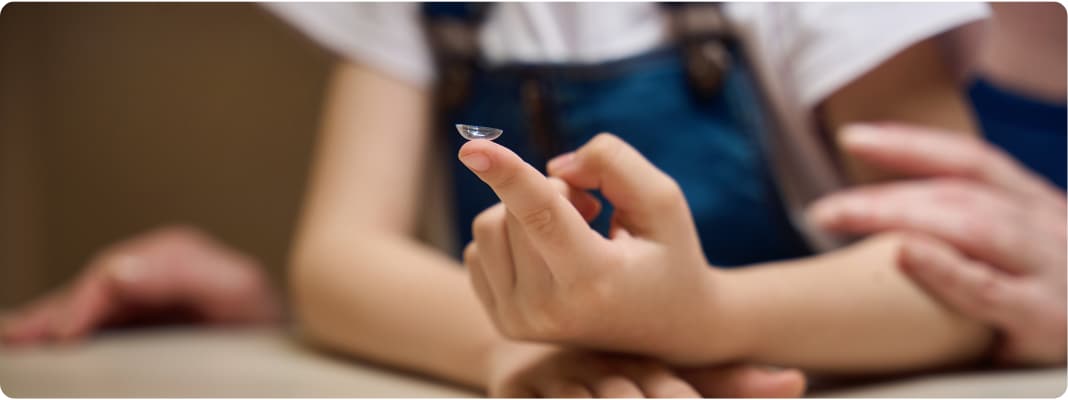
Wearing your contacts longer than prescribed or sleeping in them can increase the risk of infection, like keratitis, which causes inflammation and blurry vision. When in doubt, take a break and wear glasses until your eyes feel better.
Sun Exposure
UV rays don’t just affect your skin—they can damage your eyes, too. Prolonged exposure to sunlight without proper protection can increase the risk of conditions like photokeratitis (essentially a sunburn on your eye) or even speed up cataract development.
Wearing sunglasses with full UV protection helps shield your eyes from long-term damage. It’s a simple habit that makes a big difference over time, especially if you’re outdoors frequently.
When Should You See an Eye Doctor?
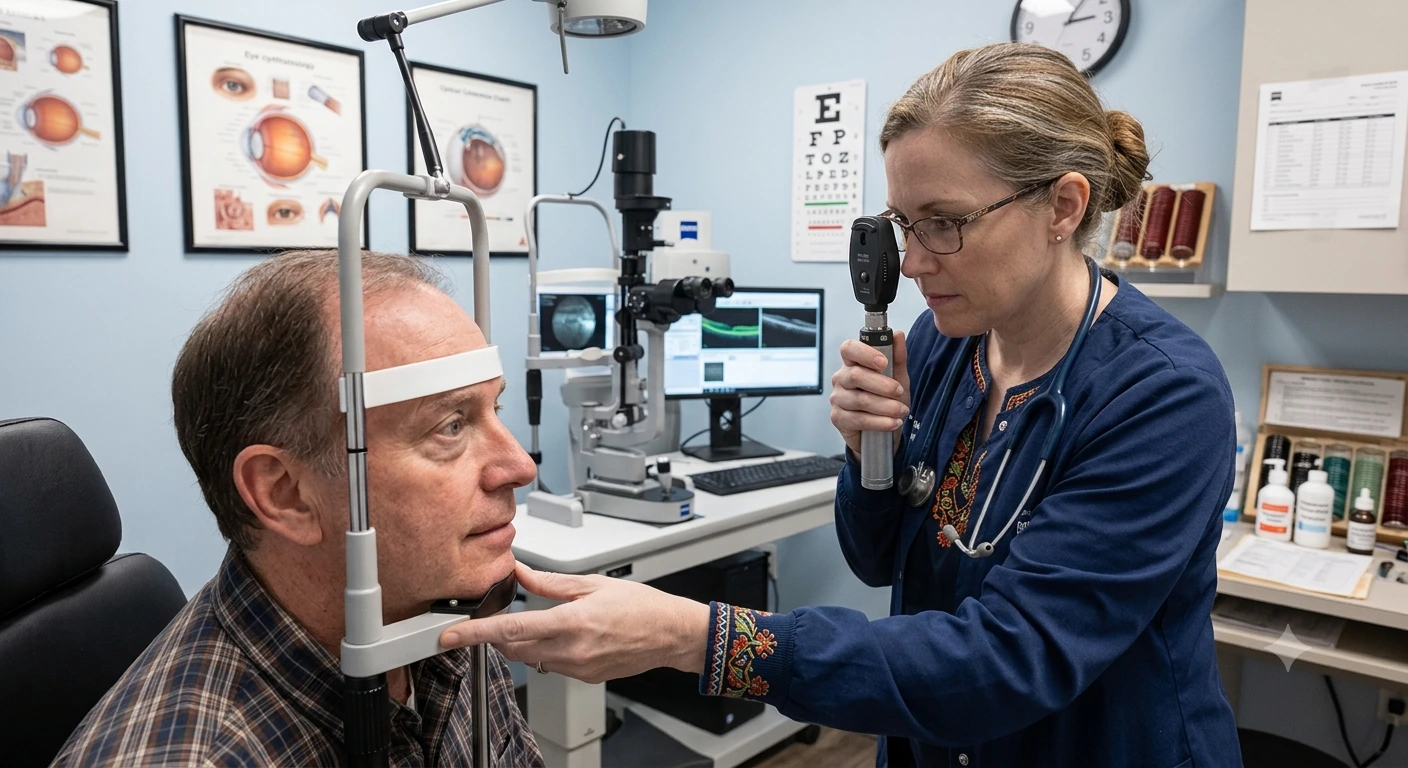
If your eyesight has changed suddenly, or if you’re noticing a slow but steady decline, it’s time to schedule an eye exam. Blurry vision, increased glare sensitivity, or difficulty seeing at night shouldn’t be ignored.
Some signs might seem minor—like needing to hold your phone farther away—but they can point to underlying issues. An eye doctor can determine whether it’s time for a new prescription or if something more serious is going on. Early diagnosis leads to better outcomes.
Vision changes in only one eye can also signal a problem. If you notice asymmetrical symptoms or a sudden drop in clarity, don’t wait. Prompt care can prevent further damage.
How to Keep Your Eyes Healthy
Want to maintain sharp vision as long as possible? Here are a few tips:
- Schedule annual eye exams to catch issues early
- Wear UV-protective sunglasses outdoors
- Follow your eye doctor’s instructions for wearing and cleaning contacts
- Take screen breaks and use proper lighting
- Eat a balanced diet with nutrients like vitamin A, omega-3s, and lutein
Good daily habits help preserve your vision over time.
FAQs
Why is my eyesight getting worse even with glasses? You might need a new prescription or have an underlying condition. An updated eye exam can pinpoint the issue.
Why is my vision getting worse in one eye only? Asymmetrical vision changes could be due to injury, retinal issues, or even a neurological cause. It’s best to get checked.
Why is my vision suddenly blurry? Sudden changes can be caused by dry eyes, eye strain, or more serious concerns. See an eye doctor if the problem doesn’t go away.
Keep Your Vision Clear with Lens.com
If your eyesight feels off, don’t wait to address it. Regular exams, proper eyewear, and the right lenses can help you stay focused and comfortable. At Lens.com, we carry top contact lens brands including Acuvue, Biofinity, and DAILIES, and provide tools like our online vision test to renew your prescription easily.
Explore our selection and take control of your eye health today.