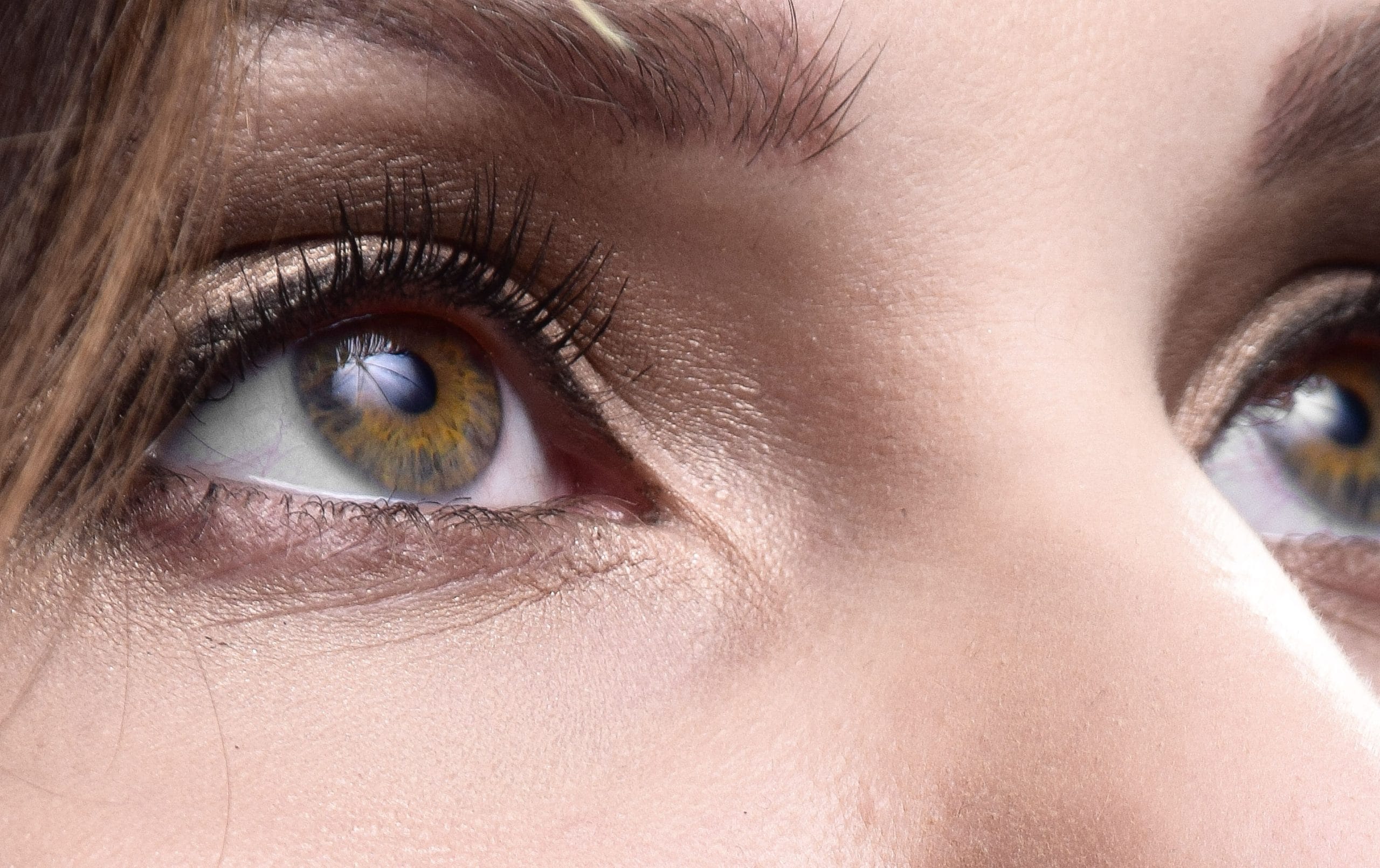

It’s tempting to think contact solution might double as eye drops in a pinch. After all, it’s designed for use with your lenses, which rest on your eyes. However, this seemingly clever shortcut can lead to unintended irritation and even long-term damage.
Why Contact Solution and Eye Drops Are Not the Same
The Purpose Behind Contact Solution
Contact solution is designed to disinfect, clean, and store contact lenses. Its formula includes preservatives and disinfectants that eliminate bacteria, protein buildup, and debris. This keeps your lenses safe to wear and prevents eye infections.
Certain types, like hydrogen peroxide-based solutions, are particularly potent in removing contaminants but require neutralization before coming into contact with your eyes.
What Eye Drops Do
Eye drops, on the other hand, are made to treat specific eye conditions or relieve symptoms like dryness, redness, and irritation. These solutions are safe for direct application to your eyes and work by hydrating or soothing the delicate tissues. Some are medicated, addressing issues like infections or allergies, while others are purely for comfort.
The distinction is clear: contact solution maintains your lenses, while eye drops maintain your eyes.
What Happens If You Use Contact Solution as Eye Drops?
At first glance, contact solution may seem harmless. But applying it directly to your eyes can lead to several unpleasant outcomes.
- Irritation and Redness: The cleaning agents in contact solution are too harsh for eye tissues and can cause stinging or inflammation.
- Damage to the Tear Film: Over time, these agents strip the natural oils and proteins from your tear film, leading to chronic dryness.
- Corneal Injuries: Hydrogen peroxide solutions are particularly dangerous and can cause painful chemical burns if not properly neutralized.
Even if symptoms seem minor at first, repeated use can worsen the damage and lead to persistent discomfort.
Are Eye Drops a Replacement for Contact Solution?
Just as contact solution isn’t safe for direct application to your eyes, eye drops cannot replace contact solution for cleaning and storing lenses.
Eye drops lack the disinfecting agents necessary to remove bacteria or debris from your lenses. Using them as a substitute may leave your lenses cloudy, lead to buildup, or even expose your eyes to infection.
There’s no safe alternative to proper contact lens solution. Always prioritize using products designed for specific tasks.
The Right Eye Drops for Contact Lens Wearers
Finding the Right Fit
Not all eye drops are suitable for contact lens wearers. To avoid irritation or damage, always check that the product is labeled as safe for use with lenses. Rewetting drops or preservative-free artificial tears are often ideal choices.
Different Types of Eye Drops
- Rewetting Drops: Designed to hydrate your lenses and alleviate dryness while wearing contacts.
- Artificial Tears: Perfect for dry eyes but ensure they are contact-lens-friendly.
- Allergy Drops: Helpful for redness and itching caused by allergies, though some may not be compatible with lenses.
- Medicated Drops: Often prescribed for conditions like pink eye or inflammation but usually require you to remove your lenses before use.
Consulting your eye doctor ensures you choose the best option for your needs.
Safe Practices for Eye Care
Avoid Risky Substitutions
Resist the urge to use alternatives like water, saliva, or expired contact solution for cleaning or rehydrating your lenses. These liquids can introduce bacteria or damage your lenses, increasing the risk of infections.
Stay Prepared
Keep a travel-sized bottle of eye drops and contact solution in your bag or car. Having the proper tools handy eliminates the need for risky improvisation.
What to Do in a Pinch
If you don’t have eye drops or contact solution readily available:
- Remove Your Contacts: This reduces irritation and gives your eyes a break.
- Rinse With Safe Products: Use preservative-free artificial tears if available.
- Contact a Doctor: Persistent discomfort or redness should be evaluated by a professional.
Our Final Word of Advice
Contact solution is excellent for cleaning and storing lenses but should never go directly into your eyes. Similarly, eye drops are essential for treating eye issues but cannot replace proper lens care.
When you use each product as intended, your eyes and lenses stay healthy and comfortable. For any lingering doubts or symptoms, don’t hesitate to reach out to your eye doctor. Clear vision and eye health are worth the effort.