
Updated July 20th, 2026 – Have you experienced a gritty and burning sensation in your eyes after spending too much time in front of a computer screen? Or have you felt like your contact lenses become more uncomfortable immediately after minutes of wearing them?
WOne common culprit is tear film instability, which is exactly what the Tear Break-Up Time (TBUT) test helps measure. Understanding TBUT can also help dryness-prone contact lens wearers compare moisture-focused options like best daily contacts for dry eyes with their eye care professional.
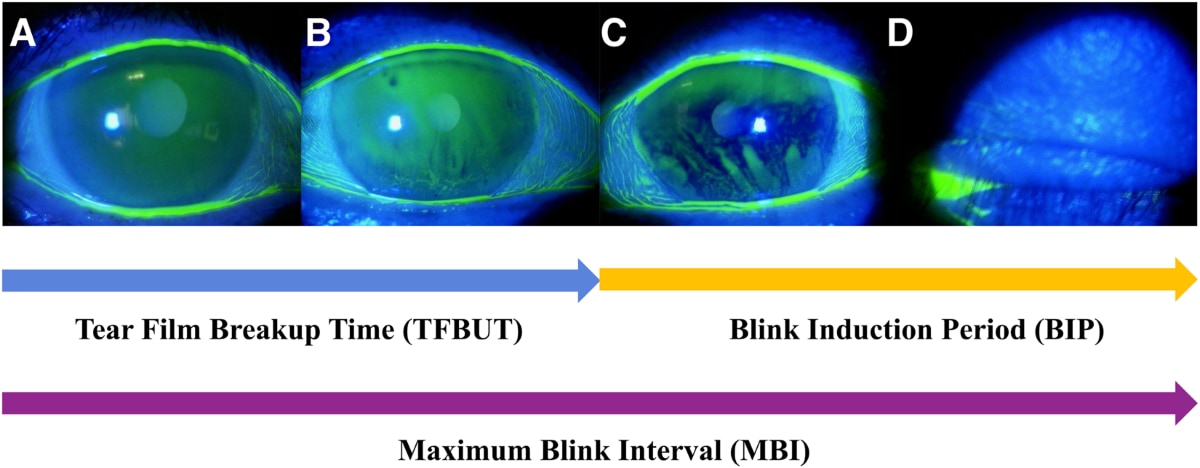
Tear break-up time, commonly referred to as TBUT, refers to how long your tear film stays stable on the surface of your eye after you blink. A healthy tear film must remain intact for several seconds, keeping your eye clear, lubricated, and protected. This stability matters for everyday contact lens wear and for more demanding visual needs, including people comparing military contact lenses for active or outdoor environments.
If the film breaks up too swiftly, your eyes become irritated and dry. This is why TBUT is a significant test and measurement for both eye doctors and contact lens wearers alike.
Your tear film isn’t just water—it’s a delicate combination of oil, water, and mucus. This mixture keeps the surface of your eye smooth and protects it from infection and irritation.
A short tear break-up time usually points to tear film dysfunction and this can happen due to:
A low TBUT result can be a sign of dry eye syndrome, which affects millions of people and is often underdiagnosed. If you’re wearing contacts and you experience dryness or irritation, explore our moisture-rich contact lenses for better comfort.
Shop Better Affordable High Quality Daily Disposable Contact Lens at Lens.com
The tear break-up time test is simple, non-invasive, and quick. Here’s what usually happens during the test:
This is your TBUT reading and the longer the tear film stays stable, the healthier your eyes are.
A normal tear break-up time is 10 seconds or more. If your tear film starts breaking up in under 10 seconds, this indicates tear film instability.
The results can vary, so your eye doctor may repeat the test or use other dry eye assessments to confirm the diagnosis.
If your tear break-up time is shorter than normal, your eye doctor may recommend:
Remember that wearing the right contact lenses is greatly important. Some lenses are specifically designed to retain moisture and reduce dryness. Products like the 1 Day Acuvue Moist Multifocal offer hydration and comfort for those with presbyopia, while the 1 Day Acuvue Moist Multifocal 90 pack provides added convenience and value for everyday wear.
Your tear break-up time affects how your eyes feel every day, especially if you rely on contact lenses. At Lens.com, we offer a wide variety of moisture-friendly lenses that support a stable tear film and keep your eyes comfortable.
Have a question? Call us at
1-800 LENS.COM (536-7266)
Online 24/7
© 1995-2021 Lens.com. All Rights Reserved. Lens.com is a contact lens replacement company, and a direct to consumer marketer of contact lenses.
As a contact lens replacement center, we can only sell you contact lenses that you have a valid prescription for, and are wearing successfully.