
Contact lens discomfort is one of the most common reasons people stop wearing lenses altogether. The fix is usually simpler than most people think. Whether you are a new wearer still adjusting or someone who has worn contacts for years and recently started noticing irritation, the steps below will help.
Discomfort rarely comes out of nowhere. These are the most common reasons contacts stop feeling right.
Discomfort rarely comes out of nowhere. Dryness is one of the most common culprits. Screen time, air conditioning, and dry indoor air all reduce the moisture in your eyes, leaving lenses feeling scratchy or heavy. Debris is another frequent cause. Dust, makeup particles, and allergens can get trapped between the lens and your cornea, and even a tiny particle causes noticeable irritation.
Wearing lenses too long reduces oxygen flow to the eye and leads to redness and fatigue. A lens placed inside out sits poorly on the eye and causes immediate discomfort. And if your lens does not match your eye shape, it will shift around, cause pressure, or blur your vision. That one needs an eye care professional to fix.
| Lens Type | Best For | Comfort Factor |
|---|---|---|
| Daily Disposables | Dryness, allergies, sensitive eyes | Fresh lens every day, no buildup |
| Silicone Hydrogel | Long wear, dry eyes | Higher oxygen flow to the eye |
| High Water Content | Occasional dryness | Moisture-rich material |
| Toric Lenses | Astigmatism | Weighted design, fit matters most |
| Monthly Lenses | Cost-conscious wearers | Requires consistent cleaning |
Some discomfort in the first few days is normal. Your eyes need time to adjust to having a foreign object placed on the cornea. Most new wearers adapt within a week. Start with a few hours of wear per day and build up gradually rather than jumping straight into full-day wear.
Mild awareness of the lens, occasional watering, and light sensitivity are all normal during the adjustment period. They usually resolve on their own.
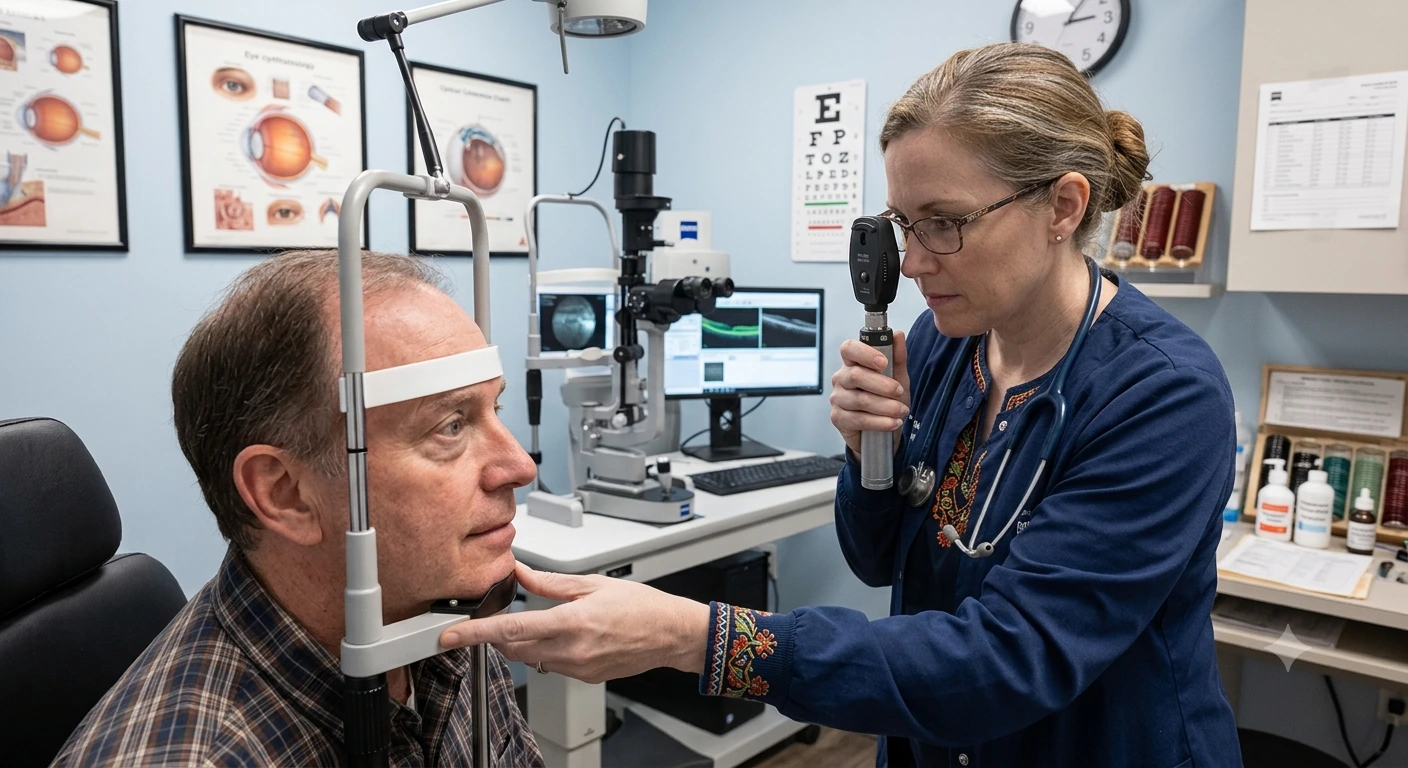
If discomfort lasts longer than a week, or comes with pain, persistent redness, discharge, or blurred vision that does not clear up after removing the lens, see your eye care professional.
Some symptoms go beyond what drops and cleaning habits can fix.
Remove your lenses and rest your eyes whenever discomfort occurs. If symptoms come back consistently, your lens fit, material, or prescription may need to change. An eye care professional can check all three and point you toward a lens that works for your eyes.
Stapleton F, et al. CLEAR – Contact Lens Complications. Contact Lens and Anterior Eye. 2021.
Willcox MDP, et al. TFOS DEWS II Tear Film Report. The Ocular Surface. 2017.
American Academy of Ophthalmology. Contact Lens-Related Eye Infections. AAO.org. 2023.
American Optometric Association. Contact Lens Care and Compliance. AOA.org. 2022.
Have a question? Call us at
1-800 LENS.COM (536-7266)
Online 24/7
© 1995-2021 Lens.com. All Rights Reserved. Lens.com is a contact lens replacement company, and a direct to consumer marketer of contact lenses.
As a contact lens replacement center, we can only sell you contact lenses that you have a valid prescription for, and are wearing successfully.