
Military Contact Lenses
Military contact lenses are prescription lenses worn by military personnel and operators who need vision correction during combat, training, field duties, travel, or everyday activities. These include daily contact lenses, biweekly contacts, or monthly contact lenses for nearsightedness, farsightedness, astigmatism, or presbyopia.
Military operators who need visual correction prefer contact lenses to glasses because they don't fog, slip, or interfere with helmets, protective eyewear, optics, or other gear the way frames can. The same environments that make contacts useful can also make them harder to manage. Dust, sweat, smoke, wind, long missions, limited hygiene access, and irregular sleep can all affect contact lens comfort and safety.
Choose the exact lens name, power, base curve, diameter, prescription type, and replacement schedule written on your current contact lens prescription. If you wear toric contact lenses, match the cylinder and axis values; if you wear multifocal contacts, confirm the add power or other product-specific details.
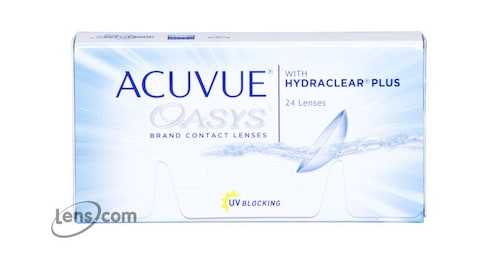
to

to
to
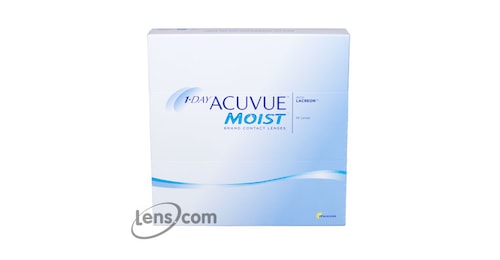
to

to
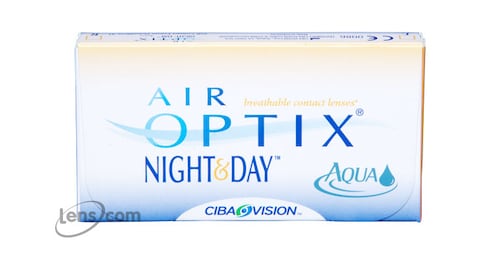
to
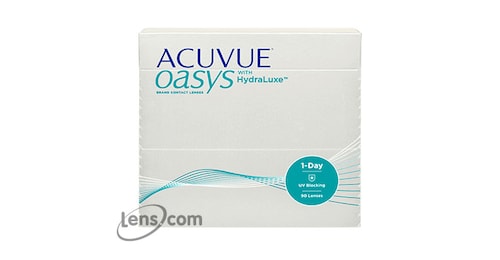
to
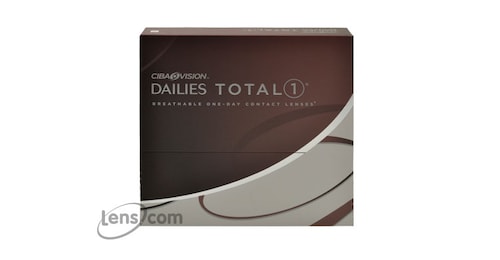
to
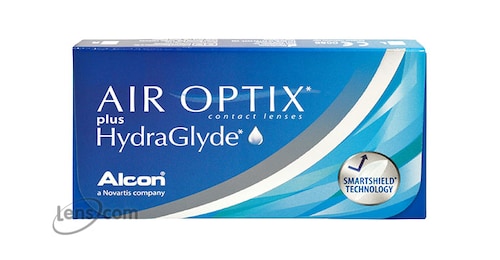
to
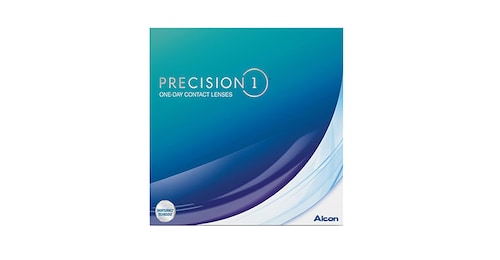
to

to
to
to
to
to
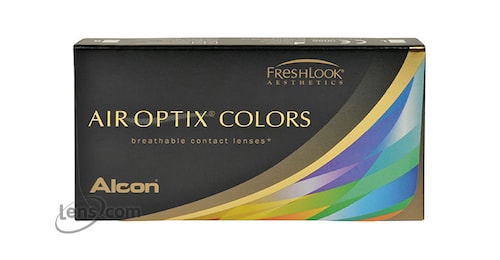
to
to
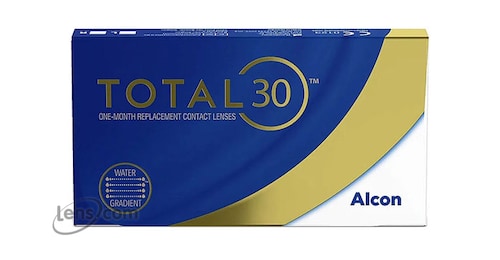
to
to
to
to
to
to
to
to
to
to
to
to
to
to
to
to
to

to
to
to
What To Consider Before Wearing Contacts In Military Settings?
Before wearing contact lenses during training, field work, or operations, think through how you'll handle comfort, hygiene, backup vision, and emergencies.
- Unit or medical rules, duty requirements, and deployment guidelines
- Access to sanitary materials to maintain clean hands, safe handling of reusable contact lenses, and infection prevention
- Exposure to harsh environments such as dust, sand, smoke, wind, and moisture
- Mission length and wear time including long shifts, overnight operations, or irregular rest
- Backup glasses and other vision options
- Lens replacement schedule
- Risk of dry eyes and whether contacts for dry eyes fit your prescription
- Compatibility with goggles, respirators, eye protection, optics, and night-vision equipment
- Emergency removal plan
- Eye doctor guidance for prescription contact lenses
Can You Wear Contact Lenses in the Military?
Yes, contact lenses can be worn in some military settings, but they are not always the best choice for every duty, training event, or operation. Rules can vary by branch, unit, role, and environment, so service members should follow their medical guidance and command requirements. Contacts can be useful in everyday use because they don't fog, slip, or interfere with certain helmets, goggles, optics, or protective eyewear.
The bigger concern is operational use. Battlefield conditions, sweat, limited hygiene access, and long wear time can make contact lenses harder to manage and raise the risk of irritation or infection. In field or deployed settings, backup glasses and approved protective eyewear are still important, even for operators who prefer contacts during regular duty.
Types of Contact Lenses Used in the Military
These are the main contact lens types that may come up for service members, operators, and military personnel who need vision correction.
Standard Soft Contact Lenses
Soft lenses are the most familiar option for everyday contact lens wear. They can feel comfortable and are usually easier for new wearers to adapt to. They may work well for office duty, training days, travel, and general use when contacts are allowed.
But in battlefield conditions, they dry out or collect debris.
Daily Disposable Contact Lenses
Daily lenses are worn once, then thrown away at the end of the day. They are useful when cleaning and storage are inconvenient.
A fresh pair each day can reduce buildup from sweat, dust, oil, and debris. They still require clean hands, safe handling, and backup glasses.
Toric Contact Lenses
Toric lenses are used for astigmatism. They need to stay stable on the eye so vision does not blur or shift during movement.
For active military settings, lens stability is especially important during running, scanning, driving, or using optics. If a toric lens rotates too much, your eye doctor may need to adjust the brand, fit, or design.
Rigid Gas Permeable Contact Lenses
RGP lenses are firmer than soft lenses and can give very sharp vision for some wearers. They may be used for certain prescriptions, irregular corneas, or vision needs that soft lenses do not correct well. They take more adjustment and can feel less comfortable at first.
In rugged conditions, they may be less forgiving if dust or debris gets under the lens.
Extended Wear Contact Lenses
Extended wear lenses are designed for longer wear times. They should only be used when prescribed. They may seem practical for long operations or irregular schedules, but sleeping in contacts can raise eye health risks.
Military operators who wear them should be especially careful with overnight use, hygiene limits, and contaminated environments.
How Field Conditions Can Affect Contact Lens Wear
Field conditions can make contact lenses more challenging to wear safely, even if they feel fine during everyday duty. Dust, sand, smoke, sweat, rain, wind, and dry air can irritate the eyes or make lenses feel gritty. Long hours can also dry out lenses, especially when clean water, handwashing, and proper storage are limited.
Wearing contact lenses in military settings requires thorough planning. Operators may need backup glasses, approved eye protection, extra lenses, rewetting drops, and a clear plan for removing lenses if they become contaminated or uncomfortable. Contacts can be convenient, but field conditions can change quickly, so they should never be the only vision option available.
When Contacts May Not Be Practical During Training or Duty
Contact lenses can work well in controlled settings, but military training and duty can create situations where glasses or approved protective eyewear make more sense. The harder it is to keep lenses clean, hydrated, and easy to remove, the less practical contacts become.
- During dusty or sandy training or operations: Dust and sand can get trapped around the lens and make the eye feel gritty fast. In these conditions, contacts can become uncomfortable or harder to tolerate.
- Around smoke, fumes, or chemical exposure: Smoke and airborne irritants dry out the eyes and cling to lens surfaces. If exposure is expected, contacts may not be the safest choice.
- When clean handwashing is limited: Contacts require clean hands for insertion, removal, and adjustment. If there's no reliable way to wash and dry your hands, handling lenses becomes risky.
- During long field exercises: Long wear time can lead to dryness, blurry vision, and lens discomfort. This is especially true when sleep, hydration, and hygiene are limited.
- When wearing tight goggles or protective gear: Optical gear can reduce airflow, trap heat, or make it harder to deal with lens discomfort. If a lens shifts or dries out under gear, removing it may not be easy.
- During water-based activities: Contacts should not be exposed to water from lakes, rivers, ponds, or seawater. Water exposure can increase the risk of eye irritation and infection.
- When backup vision is not available: Contacts should not be your only option. If a lens gets contaminated, torn, lost, or painful, you need glasses or prescription protective eyewear ready.
- If your eyes already feel irritated: Redness, dryness, pain, or blurry vision can get worse with contact lens wear. In those cases, switch to glasses and, or taps.
- When backup vision is not available: Contacts should not be your only option. If a lens gets contaminated, torn, lost, or painful, you need glasses or prescription protective eyewear ready.
- If your eyes already feel irritated: Redness, dryness, pain, or blurry vision can get worse with contact lens wear. In those cases, switch to glasses and get your eyes checked if symptoms continue.
- During missions with unpredictable rest: Contacts can become difficult to manage when sleep is irregular or removal time is uncertain. If there's a chance you'll fall asleep in lenses not approved for overnight wear, glasses may be safer.
Why Backup Glasses Still Matter for Service Members
Contact lenses are useful for military personnel, but they should never be the only option available. Field conditions can change rapidly, and lenses can become uncomfortable, contaminated, torn, or lost.
Backup glasses give service members a safer fallback when contacts need to come out. They're especially useful when clean handwashing is limited, when eye irritation starts, or when protective eyewear is required. Contacts correct vision, but they do not protect the eyes from impact, debris, or chemical exposure. Thus, glasses or other prescription-approved protective eyewear still have an important place in the kit.
Contact Lens Care Tips for Military and Outdoor Conditions
Field conditions and outdoor environments can make cleaning contact lenses harder. You need a simple routine and a backup plan before wearing contacts in the field.
- Start with clean, dry hands. As much as possible, wash and dry your hands before touching your lenses. If clean handwashing is not available, avoid inserting, removing, or adjusting contacts unless it's necessary.
- Daily disposables can simplify outdoor use because you throw them away after wearing them. They reduce the need for lens cases, cleaning solution, and overnight storage.
- Carry backup glasses. Keep prescription glasses or approved protective eyewear in your kit. If a lens gets dirty, torn, lost, or uncomfortable, you need a way to keep your vision corrected.
- Keep contact-lens-safe rewetting drops handy. Wind, heat, smoke, and dry air can make contacts feel tight or gritty.
- Avoid water exposure. Do not rinse contacts with tap water, bottled water, river water, or canteen water. Use proper contact lens solution or sterile products made for lens care.
- Protect your eyes from dust and debris. Wear approved eye protection during adverse conditions. Contacts correct vision, but they do not protect your eyes from impact or airborne particles.
- Replace lenses on schedule. Don't stretch daily, biweekly, or monthly lenses beyond their approved replacement schedule. Overworn lenses can dry out, collect buildup, and feel more irritating.
- Store reusable lenses properly. Use fresh solutions every time you store reusable contacts. Empty and clean the case as directed, and replace the case regularly.
- Plan for long operations or extended training days.Pack extra lenses, solution if needed, glasses, and eye-safe drops before heading into demanding conditions.
Are Daily Contacts Better for Military Use?
Daily contacts can be a practical choice for military use since they simplify the routine. You wear a fresh pair, then throw them away at the end of the day. That means no lens case, no overnight storage, and less worry about cleaning lenses in dusty, sweaty, or unpredictable conditions.
They are not automatically the best choice for every service member, though. Daily lenses still require clean hands, proper wear time, and approval from an eye doctor. For training, field work, or operations where hygiene is limited, backup glasses and approved protective eyewear should still be part of the plan.
Why Backup Glasses Still Matter for Service Members?
Contact lenses make daily duty, training, and certain operations feel more manageable because they don't fog, slip, or interfere with gear the same way frames can. Still, contacts can become a problem fast in the modern battlefield. Battlefield conditions, long hours, and limited handwashing can make lenses uncomfortable or unsafe to keep wearing.
Backup glasses give service members a reliable second option when contacts need to come out. They are useful during eye irritation, lens loss, contamination, overnight rest, or conditions where contact lens wear is restricted. The rest of this section covers when glasses are the safer choice, what kind of backup eyewear to keep ready, and why contacts should never be the only vision plan in the field.
What to Pack in a Military Contact Lens Kit
A military contact lens kit should be compact, clean, and easy to use under pressure. Pack for daily wear, field conditions, and the possibility that your lenses may need to come out fast.
- Extra Contact Lenses
Pack more lenses than you think you'll need, especially for travel, training, or longer operations. Daily disposables are easier to replace quickly. - Backup Glasses
Keep prescription glasses in a hard case. If your contacts become uncomfortable or unsafe to wear, glasses give you a quick fallback. - Approved Protective Eyewear
Contacts correct vision, but they do not protect your eyes from debris, impact, smoke, or chemicals. Bring approved protective eyewear that works with your prescription needs. - Contact Lens Solution
If you wear reusable lenses, pack fresh solution in a travel-safe bottle. - Clean Lens Case
Bring a clean spare case if you wear biweekly or monthly lenses. Replace the case regularly, and don't top off old solution. - Contact-Lens-Safe Rewetting Drops
Ask your eye doctor which drops are safe for your specific lenses. - Hand Sanitizer Or Cleaning Wipes
Clean hands are important before touching lenses. Use these only as a backup when handwashing is limited, and let your hands dry fully before handling contacts. - Small Mirror
A compact mirror can help with insertion, removal, or checking whether a lens has shifted. Choose one that fits easily in your kit. - Disposable Tissues Or Clean Gauze
These can help dry your hands or clean up solution spills. Keep them sealed so they stay clean. - Prescription Copy
Carry a copy or photo of your contact lens prescription. It can help if you need to replace lenses while away from home. - Seal-Top Bag Or Small Hard Case
Use a clean, sealed pouch or hard case to keep supplies together. Dust and loose gear can contaminate lens items quickly. - Plan For Lens Removal
Pack your kit where you can reach it. If your eye becomes red, painful, blurry, or irritated, you should be able to remove the lens and switch to backup eyewear without searching through your bag.
References
Defense Public Health Optometrist Says Healthy Eyes Lead to Healthy Lives. Navy Cmdr. K. Dohm, Defense Centers for Public Health - Aberdeen/United States Army. https://www.army.mil/article/266392/defense_public_health_optometrist_says_healthy_eyes_lead_to_healthy_lives. Published Date (May-04-2023). Date Accessed, June 22, 2026.
Preserving Sight to Fight by Ensuring Effective Military Eye Protection. V. Hauschild, MPH/Health.mil. https://health.mil/News/Dvids-Articles/2024/07/11/news475954?page=5. Published Date (July-11-2024). Date Accessed, June 22, 2026.
'If You Can't See, You Can't Fight'�Preventing Eye Injuries Is One Key to Readiness. Janet A. Aker/Health.mil. https://health.mil/News/Dvids-Articles/2024/10/16/news483164?page=2. Published Date (October-16-2024). Date Accessed, June 22, 2026.
About Cleaning, Disinfecting, and Storing Contact Lenses. Centers for Disease Control and Prevention. https://www.cdc.gov/contact-lenses/about/about-cleaning-disinfecting-and-storing-contact-lenses.html. Published Date (May-27-2025). Date Accessed, June 22, 2026.
Contact Lens Risks. U.S. Food and Drug Administration. https://www.fda.gov/medical-devices/contact-lenses/contact-lens-risks. Published Date (September-04-2018). Date Accessed, June 22, 2026.
Popular Contact Lens Reviews
Excellent service!
This product has nothing to dislike about. It is a good quality of contact lenses and will not stop using this brand. My vision is satisfactory using Air Optix brand. Please do not stop carrying them. The sales representative was also very knowledgeable, professional, articulate and kind. My order came in before Thanksgiving and I appreciate it. She expedited sending my order so I will be happy, satisfied with my new lenses. Thank you kindly, for the excellent service !
Affordable price and quality
Love the ease and price of buying Focus dailies through Lens.com. Quick delivery and cheaper than through my eye doctor. Same product and quality. Why waste time and money anywhere else.
Awesome service
I have used Lens.com for several years now and their service is excellent. They even took back contacts I had ordered by mistake. They make it easy to order and receive your product quickly.
Would highly recommend them!
Easy wearing
Been wearing this brand of contacts for 3 years- feel easy on the eyes, light, flexible & easy to dispose of. Say adios to buying contact solution & contact cases!
The customer service is prompt and OUTSTANDING
Lens.com is such a breeze to order contacts from, and their customer service is the best. Several boxes of contacts I ordered were lost in the mail and they so were so kind about resending me my order fast and without any extra fees. The quality of these contacts (Biofinity) is unmatched as well. I would highly recommend both Lens.com and Biofinity to anyone.
Great prices
I have ordered several times from Lens.com.
I have had no issues with orders or scripts. I love the rebate when you order 4 boxes or more. I will purchase from them again.
First time buyer
Great service, great price and very easy to order and pay. Will be back for my next order.
I have been using B+L SofLens Toric Astigmatism.
After I had been happily using them for decades, I could not reorder my contact lenses since Bausch+Lomb officially discontinued many SofLens® Toric lenses in July  2023.
As my Rx had not changed, my optometrist recommended another manufacturer, which I tried using for months, and was very disappointed.
Then on the Lens.com website, I ordered B+L ULTRA for Astigmatism Contact Lenses, and they seem just the same to me as the discontinued B+L SofLens® Toric contact lens. Now I couldn't be happier!
Great contact lens
These lens fit well and stay comfortable no matter my activity. Very good value for keeping my eyes seeing as well as possible.