
Have you ever started a new medication and noticed your eyes feeling dry, tired, or just different? It might not be your imagination. Some prescriptions can cause side effects that affect how your eyes feel or how clearly you see.
That doesn’t mean you should stop taking them. Still, it’s worth knowing what to watch for so you can protect your vision and talk to your doctor if something feels off.
This blog post is meant to inform, not replace professional care. Always consult your doctor or specialist before making any changes to your medication. Medical guidance is the safest way to protect both your overall health and your vision.
Here are five common drugs that have been linked to changes in vision and what the research says about each one..
Table of Contents
Semaglutide (Ozempic, Wegovy) and Non-Arteritic Anterior Ischemic Optic Neuropathy
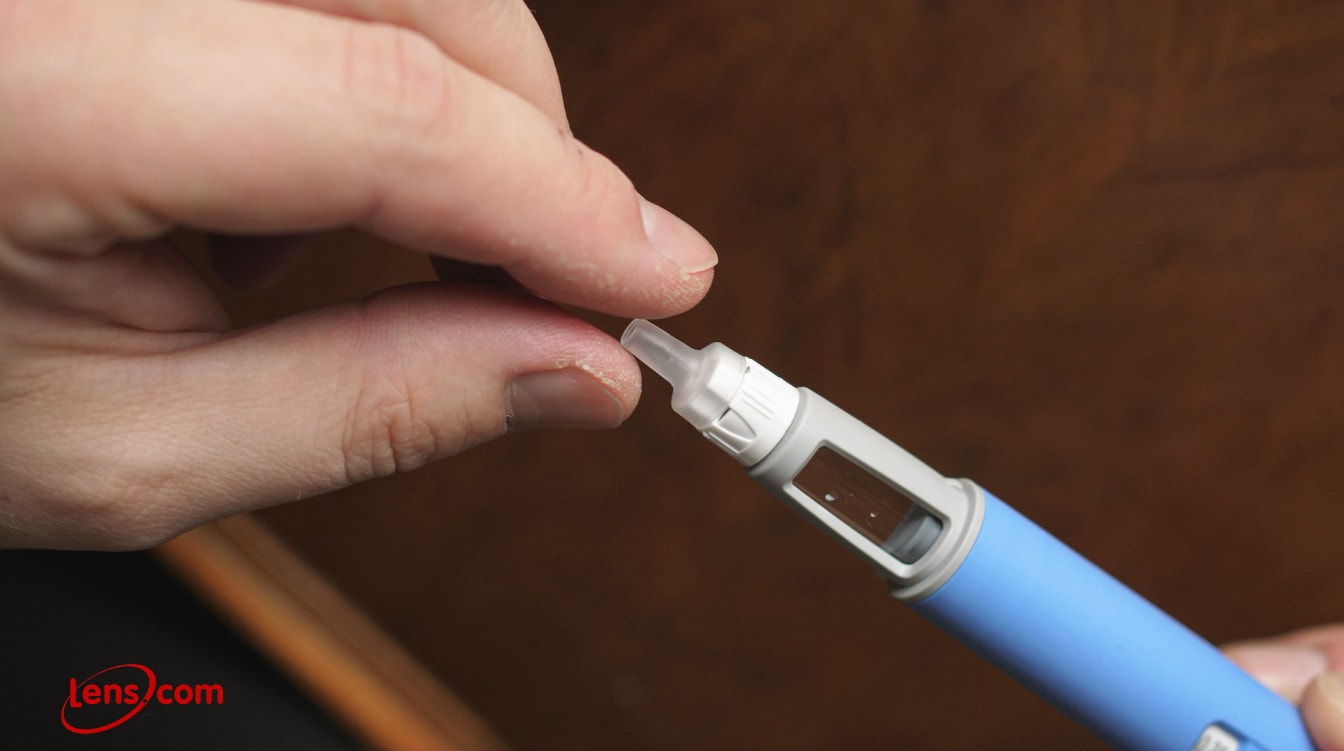
Some studies have raised concern about a potential link between Semaglutide (marketed as Ozempic and Wegovy) and a rare eye condition known as non-arteritic anterior ischemic optic neuropathy (NAION). This condition can cause sudden, painless vision loss in one eye.
A 2024 study published in JAMA Ophthalmology found more reports of NAION in people taking Semaglutide compared to those on other diabetes medications. The research does not confirm that the drug directly causes this condition, but it has drawn attention to the possibility of a connection.
What’s the Risk on Eye Health With Semaglutide?
The overall risk appears to be very low. Based on current evidence, the European Medicines Agency (EMA) lists NAION as a very rare side effect, meaning it occurs in fewer than 1 in 10,000 users, and the exact frequency is not established.
What to Do if Semaglutide Is Affecting Your Vision
If you notice sudden vision loss, dark spots, or blurry vision, contact your eye doctor right away. Your doctor can check for optic nerve changes, discuss your options, and decide if your treatment should continue. Acting quickly gives you the best chance of preventing long-term damage.
Hydroxychloroquine (Plaquenil) and Retinal Damage
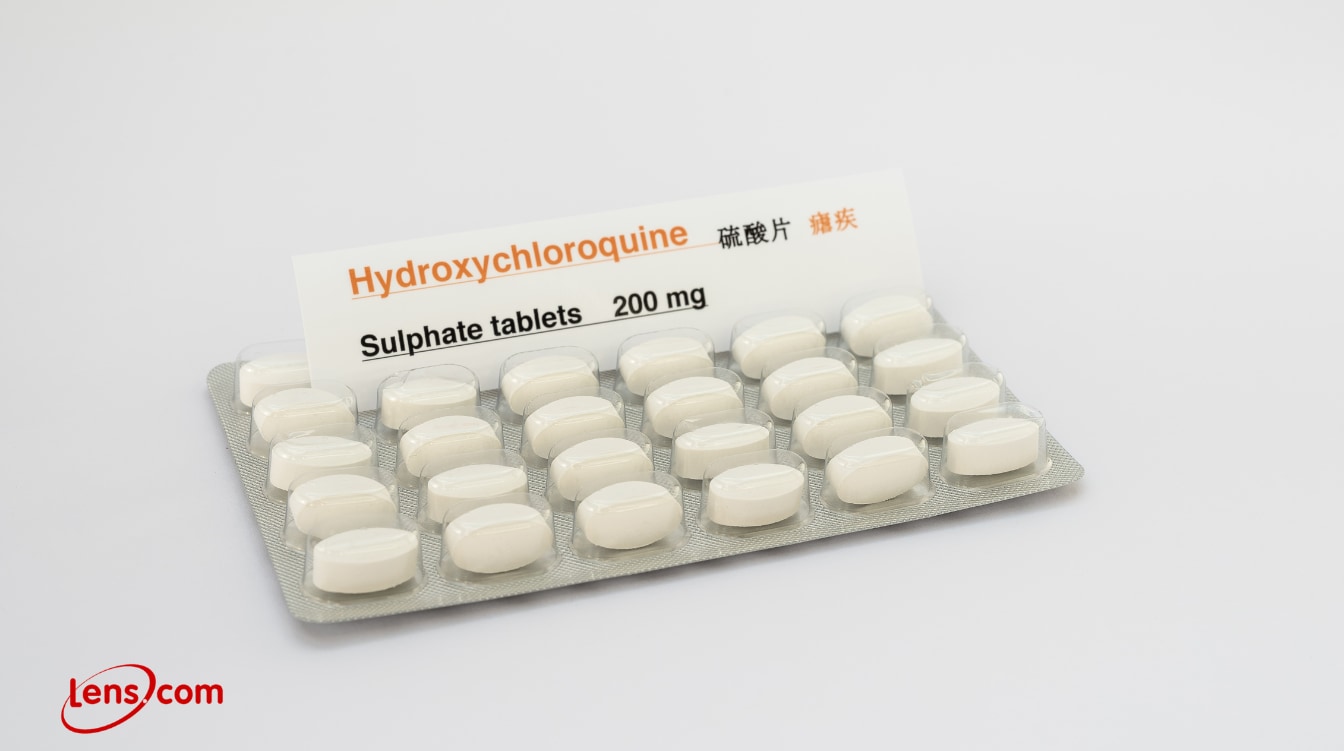
Hydroxychloroquine, often sold under the brand name Plaquenil, is commonly prescribed for autoimmune conditions such as lupus and rheumatoid arthritis. While it helps control inflammation, long-term use can sometimes lead to retinal damage called hydroxychloroquine retinopathy, which affects central vision. Eye specialists recommend keeping the dose at or below 5.0 mg per kilogram of body weight to reduce this risk and scheduling regular eye screenings to catch any early changes.
How Common Are Eye Problems With Hydroxychloroquine?
The likelihood of developing retinal damage increases with dose, treatment duration, and age, as well as in people with kidney issues. Studies show that about 7.5 percent of long-term users experience some form of retinopathy, especially after 10 years of continuous treatment or when taking higher doses. The risk also rises for those with chronic kidney disease or who take tamoxifen alongside it.
What to Do if Hydroxychloroquine Is Affecting Your Vision
If you start noticing blurry vision, faded colors, or trouble reading, let your eye doctor know right away. Your doctor can perform specialized tests such as optical coherence tomography (OCT) and visual field exams to check for early retinal changes. Detecting these signs early allows for treatment adjustments before lasting vision loss occurs.
Corticosteroids and Vision Side Effects

Corticosteroids are powerful anti-inflammatory drugs used for allergies, asthma, skin conditions, and autoimmune diseases. While they are effective, long-term or high-dose use can sometimes lead to increased eye pressure or lens clouding, which are linked to glaucoma and cataracts. These effects are more common with oral steroids and eye drops than with inhaled or topical forms.
How Common Are Eye Problems With Corticosteroids?
Short treatment courses are usually low risk, but the chance of vision changes increases with higher doses or extended use over months or years. Eye drops and oral steroids carry a greater risk compared to inhaled or nasal steroids, which tend to have a lower risk of raising eye pressure. The risk is not zero, especially with long-term or high-dose use.
What to Do if Corticosteroids Are Affecting Your Vision
If you experience blurry vision, halos, or eye pain while taking corticosteroids, contact your doctor or eye specialist promptly. Your doctor can check your eye pressure, assess for cataracts, and adjust your treatment plan if needed. Regular eye checkups are especially important if you have glaucoma or a family history of eye disease.
Can Amiodarone Cause Glare, Halos, or Corneal Deposits?

If you begin to notice glare, halos, or changes in how you see colors, schedule an eye checkup as soon as possible. An eye specialist can look for signs of corneal or optic nerve changes and share the findings with your cardiologist if any adjustments are needed. In most cases, vision symptoms ease once the dosage is modified or the medication is safely discontinued under medical guidance.
What to Do if Amiodarone Is Affecting Your Vision
Corneal deposits are very common among people taking Amiodarone and usually do not affect vision clarity. Some may notice halos, glare, or sensitivity to light. Optic neuropathy is rare but more serious. Large studies have shown that men and long-term users have a slightly higher risk of this condition. The FDA and ophthalmology journals also warn that Amiodarone-related optic nerve issues can sometimes cause permanent vision loss if untreated.
How Often Do Corneal Deposits Occur With Amiodarone Use?
Amiodarone is a medication used to manage irregular heart rhythms. While effective for heart health, it can sometimes cause changes to the eyes, including harmless corneal deposits or, in rare cases, optic nerve damage. Corneal deposits are small patterns that form on the surface of the eye and can cause glare or halos. Optic neuropathy, though uncommon, can lead to reduced vision or color changes.
Isotretinoin (Accutane) and Dry Eyes or Night Vision Changes

Isotretinoin, widely known by the brand name Accutane, is a powerful acne treatment that works by reducing oil production. While it can clear severe acne, it may also affect the oil glands in the eyelids, leading to dry eye symptoms and contact lens discomfort. Some users report decreased night vision or light sensitivity, which can appear suddenly and, in rare cases, last after treatment ends.
How Common Are Eye Problems With Isotretinoin?
Dry eyes are among the most common side effects during treatment. Studies have shown that Isotretinoin can reduce meibomian gland activity, which affects the quality of tears. Most people’s eyes return to normal after stopping the medication, though some symptoms can linger. Decreased night vision is uncommon but has been reported, and intracranial hypertension is a rare complication, especially when Isotretinoin is taken with tetracyclines.
What to Do if Isotretinoin Is Affecting Your Vision
If your eyes start feeling dry, irritated, or sensitive to light, or if you notice halos at night or trouble wearing contact lenses, reach out to your dermatologist or eye doctor. They can suggest lubricating drops, modify your contact lens routine, or involve an eye specialist if needed. It’s also important to avoid taking tetracycline antibiotics while on Isotretinoin, unless your healthcare provider specifically prescribes both together.
Frequently Asked Questions About Prescription Drugs and Vision Problems
Can medications really cause vision problems?
Yes. Some prescription drugs can affect the eyes by changing tear production, eye pressure, or nerve function. While side effects are often mild or temporary, certain medications can lead to more serious conditions if not monitored properly.
Should I stop taking my medication if I notice changes in my vision?
No, you should not stop taking your medication without medical advice. Instead, contact your doctor or an eye specialist as soon as possible. They can determine whether your symptoms are drug-related and recommend safe next steps.
How can I tell if a medication is affecting my eyes?
Watch for sudden or gradual changes such as blurry vision, dry eyes, halos around lights, color changes, or loss of night vision. If these symptoms appear after starting a new medication, schedule an eye exam promptly.
How often should I have an eye exam while on long-term medication?
If you take medications like Hydroxychloroquine, corticosteroids, or Amiodarone, your doctor might recommend annual or biannual eye exams. These checkups help detect early signs of damage before symptoms worsen.
Can vision changes from medication be reversed?
It depends on the cause and how early it’s detected. Some effects, like dry eyes from Isotretinoin, usually improve after stopping the medication. Others, such as retinal damage or optic neuropathy, can cause lasting vision loss if untreated.