
You put in your contacts expecting to forget they are there, but then one lens feels dry, scratchy, or just a little too noticeable. Learning how to make your contacts more comfortable starts with figuring out whether the issue is dryness, debris, fit, wear time, or your contact lens care routine. Some fixes are simple, like using contact lens-safe rewetting drops or switching to glasses for a while. Others need an eye care professional, especially if the discomfort keeps coming back or comes with redness, pain, discharge, light sensitivity, or blurry vision.
How can you make contacts more comfortable?
Comfort should not mean pushing through contact lens irritation, especially if the lens feels painful, scratchy, dry, or blurry.
Start here:
- Remove the lens if it feels painful, scratchy, dry, or blurry.
- Inspect it for tears, chips, debris, or inside-out edges.
- Use only rewetting drops labeled safe for contact lenses.
- Clean reusable lenses with fresh contact lens solution, not water or saliva.
- Follow the wearing and replacement schedule for your exact lenses.
- Switch to glasses if your eyes need a break.
- Call your eye doctor if symptoms persist, return often, or seem serious.
Contact lenses are medical devices, and safe wear depends on proper handling, cleaning, replacement, and professional fitting. The CDC recommends keeping water away from lenses, using fresh solution instead of topping off old solution, and contacting an eye care provider when discomfort occurs.
Why do my contacts feel uncomfortable?
Uncomfortable contacts can happen for many reasons, and the cause is not always obvious while the lens is still on your eye.
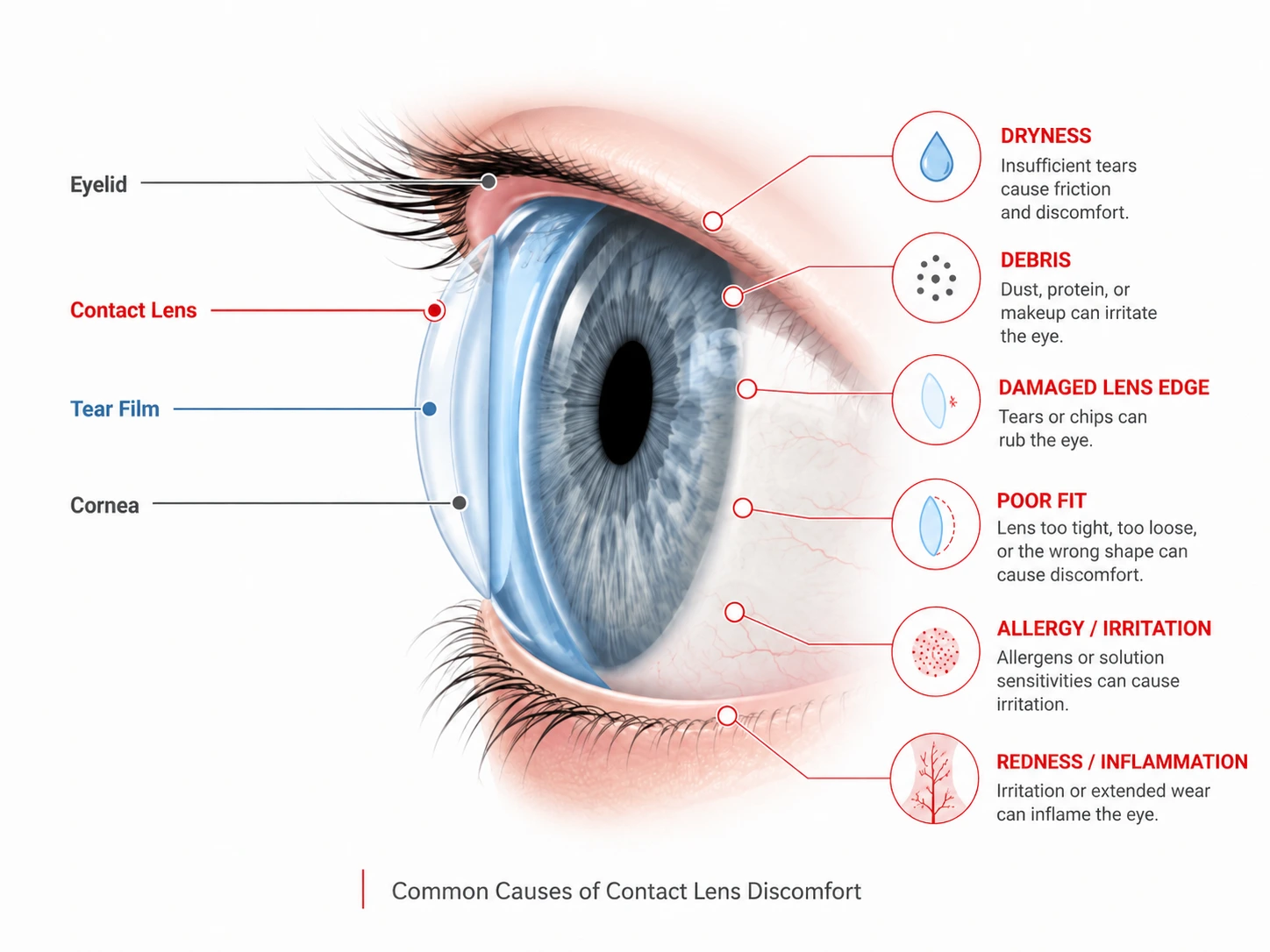
Start with the simple fixes first, such as removing the lens, checking for debris or damage, and confirming you are using the right care routine. If the same contact lens discomfort keeps coming back, the issue may be fit, prescription, allergies, dryness, or another eye-health concern that needs a professional check. Contact lens wear is linked with a higher risk of keratitis, or inflammation of the cornea, so recurring or severe symptoms should not be ignored.
Does your vision blur even when the lens does not feel painful? Learn why contact lenses can look blurry so you can tell whether the issue may be dryness, deposits, fit, or prescription changes.
What should you do when your contacts feel uncomfortable?
If your contacts feel uncomfortable, remove the lens first instead of trying to blink your way through it. The next steps depend on whether the lens is disposable, reusable, damaged, or simply dirty.
- Remove the lens right away.
- Wash and dry your hands before touching the lens or your eye.
- Check the lens for a tear, chip, fold, debris, or inside-out shape.
- If the lens is a daily contact lens, discard it after removal.
- If the lens is reusable and undamaged, clean and rinse it only with approved contact lens solution.
- Give your eyes a break with glasses.
- Do not reinsert the lens if your eye remains red, painful, watery, or blurry.
- Call your eye doctor if symptoms continue, keep returning, or feel worse.
Use fresh solution every time you clean and store reusable lenses, and avoid water or saliva because they can introduce harmful germs. Proper cleaning removes deposits and debris, while disinfection helps kill germs that can lead to serious eye infections.
Dropped your lens while checking it and wondering if you can still use it? Follow what to do if you drop your contact lens on the floor so you avoid unsafe rinsing or reinsertion mistakes.
How can rewetting drops help contact lens comfort?
Keep rewetting drops separate from redness-relief drops, medicated drops, saline, and contact lens solution. Redness-relief drops may mask symptoms instead of fixing the cause, while saline and rewetting drops are not made to disinfect lenses. If you need drops often to keep your lenses tolerable, your lens fit, lens material, tear film, or eye health may need to be checked.
DO:
- Use drops labeled safe for contact lenses.
- Follow the timing and dosage on the product label.
- Remove your lenses if drops do not relieve discomfort.
- Ask your eye doctor about sensitive eye contacts or other options if dryness keeps coming back.
DO NOT:
- Use redness-relief drops as a shortcut for eye irritation.
- Use medicated drops with contacts unless your eye doctor says to.
- Use saline or rewetting drops to clean or disinfect lenses.
- Keep wearing contacts through pain, redness, discharge, light sensitivity, or blurry vision.
How can your cleaning routine affect comfort?
Your contact lens care routine can affect how your lenses feel and how safely you can wear them. Buildup, old solution, dirty cases, and poor storage can make lenses feel gritty or irritating and may raise the risk of infection.
Use this checklist for reusable lenses:
- Wash and dry your hands before handling lenses.
- Rub and rinse reusable lenses with the recommended disinfecting solution.
- Use a fresh solution every time you clean or store lenses.
- Do not top off old solutions with new solutions.
- Do not rinse or store lenses in water.
- Keep the solution bottle tip clean and closed.
- Rinse the case with sterile contact lens solution, not tap water.
- Air-dry the empty case upside down with the caps off.
- Replace the case at least every three months or as directed.
- Follow the lens and solution instructions exactly.
Saline is for rinsing only and should not replace disinfecting solution. Rewetting drops may improve comfort during wear, but they do not clean or disinfect lenses.
Trying to decide which solution may work better for reusable lenses? Compare multi-purpose contact lens solution options before changing your routine.
How do screens and dry environments affect contacts?
Screens and dry environments can make contacts feel dry faster because they affect how well your tear film stays spread across the lens and eye. When you focus on a screen, you may blink less often or blink less completely, which can make contact lens dryness and lens awareness more noticeable. Dry air from fans, heating, air conditioning, wind, smoke, and low humidity can add to the problem, especially if your eyes are already prone to dryness.
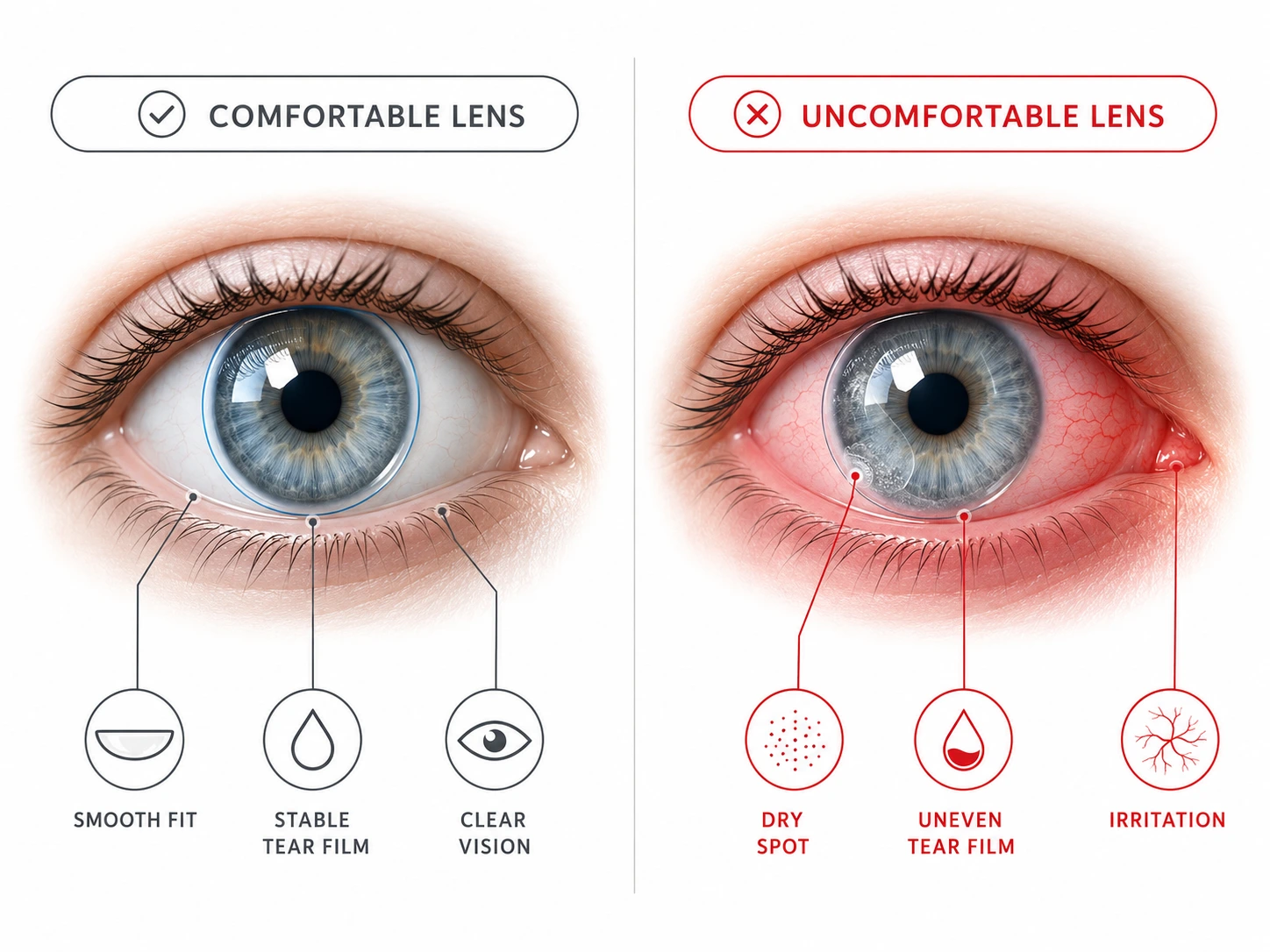
These changes do not always mean your lenses are wrong for you, but they can make a long day harder on your eyes. If your contacts feel dry and uncomfortable near the end of the day, start by changing the environment and giving your eyes breaks rather than forcing more wear time. You can also compare symptoms with how to tell dry eyes from eye allergies if itching, watering, or seasonal irritation overlaps with dryness.
To help reduce screen and dry-air discomfort:
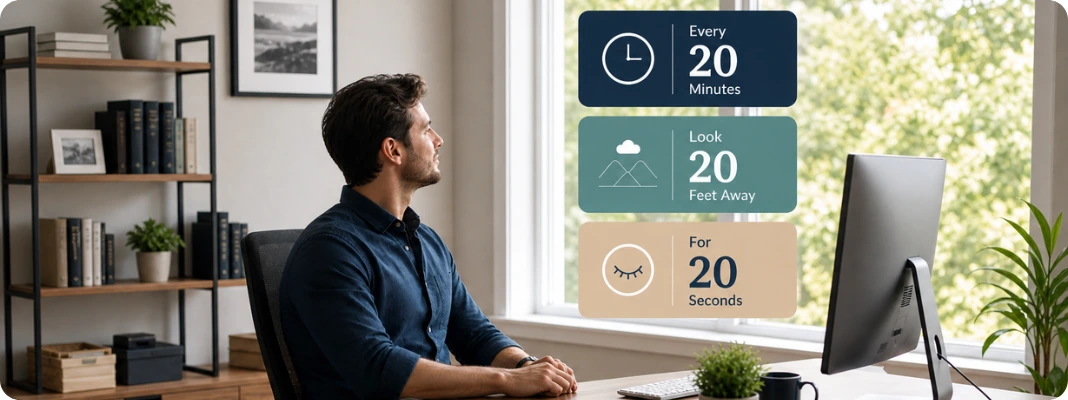
- Take regular screen breaks.
- Blink fully and often during close work.
- Avoid direct airflow from fans, vents, or car air conditioning.
- Use a humidifier when indoor air is dry.
- Wear glasses when your eyes feel tired or dry.
- Ask your eye care provider about contact-compatible drops if dryness is frequent.
Frequent dryness is a sign to get your lens fit, material, wearing time, and tear film checked. The goal is not to force comfortable contacts all day in every environment, but to find a safe routine your eyes can actually tolerate.
Are contacts supposed to feel uncomfortable at first?
Contacts may feel slightly noticeable at first, especially if you are a new wearer, but they should not feel painful or intensely irritating. Mild lens awareness can happen during the adjustment period while you learn insertion, removal, blinking, and wear time. Strong redness, ongoing blur, sharp pain, discharge, or worsening contact lens discomfort is not part of normal adjustment.
Follow the wearing schedule given at your fitting appointment instead of creating your own. Your eye care professional may ask you to build up wear time gradually, depending on your lenses and how your eyes respond. Keep backup glasses nearby so you can remove your lenses when your eyes need a break.
If you are wondering if contacts get more comfortable, the answer is often yes when the lenses fit well and your eyes are healthy. If discomfort does not improve, keeps returning, or comes with warning signs, call your eye doctor. A different lens material, design, prescription, or treatment for dryness or allergies may be needed.
Why do astigmatism contacts sometimes feel different?
Astigmatism contacts can feel different because toric contact lenses are designed to stay aligned in a specific position on your eye. That alignment helps correct astigmatism, but it also means fit and stability matter a lot. A lens that rotates, shifts, feels heavy, or gives you fluctuating vision may need a fit adjustment rather than more “getting used to it.”
The most comfortable contacts for astigmatism are the ones that fit your eye, stay stable, and match your prescription and wearing needs. Base curve, diameter, lens material, edge design, and brand can all affect toric contact lens comfort. Your eye care professional may trial a different toric design if the first option feels unstable or uncomfortable.
Do not assume toric contact lenses for astigmatism are always less comfortable than standard soft contact lenses. Many people wear them comfortably, but they need the right fit and orientation. If your astigmatism contacts keep moving, blurring, or irritating your eye, schedule a contact lens follow-up instead of pushing through.
Seeing CYL and AXIS on your prescription and wondering why toric lenses need stable positioning? Understand what cylinder (CYL) and axis mean in an eye prescription so astigmatism comfort and fit make more sense.
When should you stop wearing uncomfortable contacts?
Stop wearing uncomfortable contacts when discomfort feels more than mild or does not improve after you remove and check the lens. Remove the lenses first, switch to glasses, and contact an eye care professional if you notice:
- Pain that does not improve after removing the lens
- Significant redness
- Light sensitivity
- Discharge
- Swelling
- Blurry vision that does not clear after blinking or lens removal
- A lens that repeatedly causes discomfort
- Symptoms after sleeping, swimming, or showering in contacts
- A torn, chipped, warped, or contaminated lens
- A feeling that something is stuck in the eye
The FDA advises removing lenses immediately and consulting an eye care professional if your eyes become red, irritated, or your vision changes.
What should you ask your eye doctor about contact lens comfort?
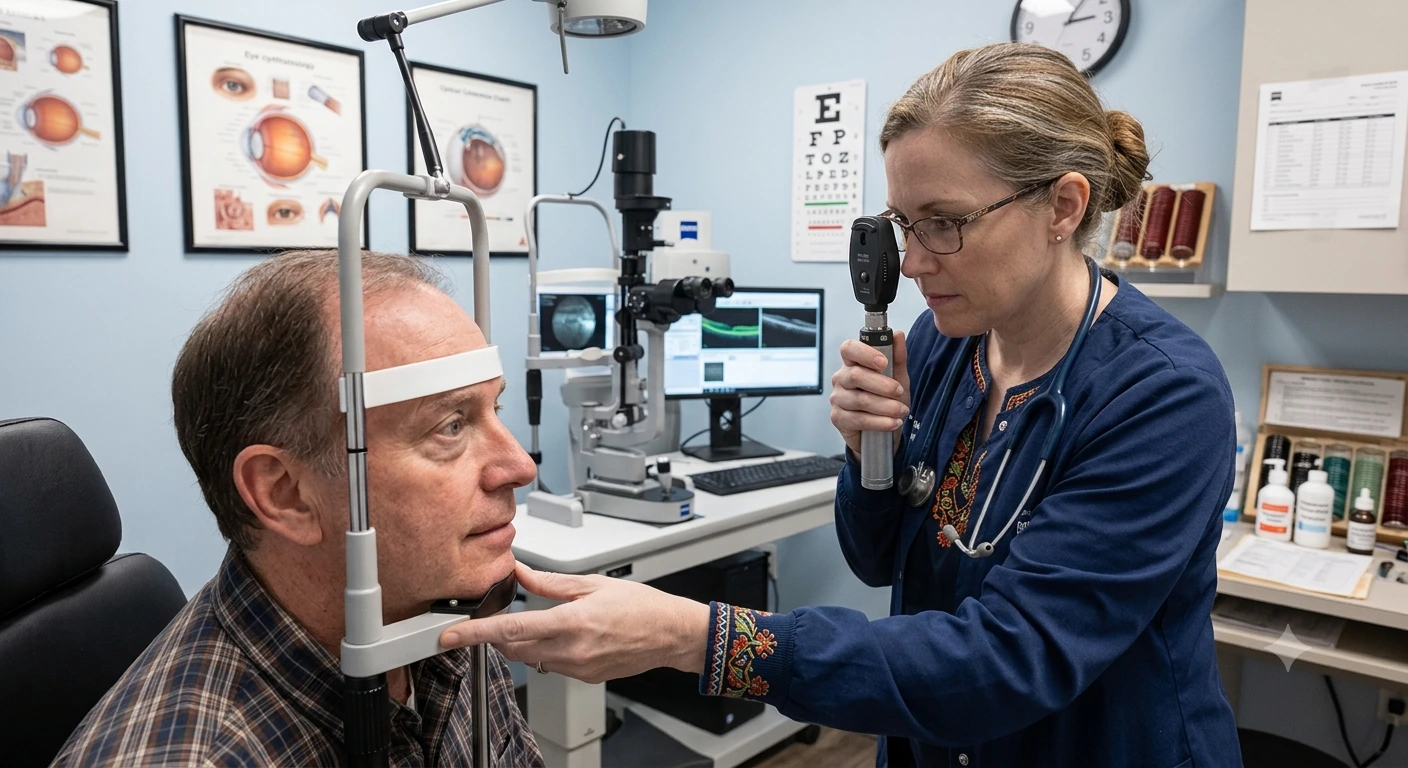
A contact lens exam is the best time to ask why your lenses feel dry, scratchy, blurry, or too noticeable. Instead of only saying “my contacts bother me,” bring specific questions that help your eye doctor check your fit, tear film, prescription, lens material, and contact lens care routine.
Ask these questions:
- Do my lenses still fit correctly?
- Is my prescription up to date?
- Could my lens material be affecting comfort?
- Should I try daily disposables, a different brand, or another replacement schedule?
- Are my symptoms related to dry eye or allergies?
- Are my drops or solution compatible with my lenses?
- Am I wearing my lenses too many hours?
- Should I change how I clean or store reusable lenses?
- Are toric, multifocal, or specialty lenses a better fit for my needs?
These questions can help your provider narrow down whether the issue is a simple routine problem or something that needs a different lens design. Wearing contacts without a proper fitting and care instructions can increase the risk of eye injury, infection, or other complications, so recurring discomfort is worth checking.
Making contacts more comfortable usually starts with the basics: remove uncomfortable contacts, inspect them, use only contact lens-safe drops, and follow your cleaning, wearing, and replacement schedule. Dryness, screen time, airflow, deposits, lens orientation, fit, and prescription changes can all affect how your lenses feel. Do not push through pain, redness, discharge, light sensitivity, or blurry vision. If contact lens discomfort keeps returning, schedule a contact lens exam so your eye care professional can check the fit, material, tear film, and eye health.
Could a different lens type or replacement schedule make your day feel easier? Browse contact lenses to compare prescribed options for comfort, dryness, astigmatism, multifocal needs, and daily wear.
Disclaimer: This information is for general informational purposes only and is not a substitute for professional advice, diagnosis, or treatment.
References
Preventing Eye Infections When Wearing Contacts. Centers for Disease Control and Prevention. https://www.cdc.gov/contact-lenses/prevention/index.html. Date Accessed:July 10, 2026.
About Cleaning, Disinfecting, and Storing Contact Lenses. Centers for Disease Control and Prevention. https://www.cdc.gov/contact-lenses/about/about-cleaning-disinfecting-and-storing-contact-lenses.html. Date Accessed:July 10, 2026.
Healthy Habits: Keeping Water Away from Contact Lenses. Centers for Disease Control and Prevention. https://www.cdc.gov/contact-lenses/about/healthy-habits-keeping-water-away-from-contact-lenses.html. Date Accessed:July 10, 2026.
What Causes Contact Lens-related Eye Infections. Centers for Disease Control and Prevention.
https://www.cdc.gov/contact-lenses/causes/index.html
Date Accessed:July 10, 2026.
Everyday Eye Care. United States Food and Drug Administration. https://www.fda.gov/medical-devices/contact-lenses/everyday-eye-care. Date Accessed:July 10, 2026.