
Table of Contents
Our eyes are fascinating organs, capable of incredible feats—but sometimes, they can also develop rare and bizarre conditions that seem almost unreal. From pupils that look like feline contact lenses to tears made of blood, these unusual eye disorders have puzzled scientists and medical professionals for years. Here’s a closer look at seven of the strangest eye conditions ever recorded.
1. Hair Growing on the Eye (Limbal Dermoid)
Hair can appear in unexpected places, but did you know it can grow on the surface of the eye? A rare condition called limbal dermoid occurs when skin-like tissue forms on the cornea, sometimes containing hair follicles. These growths develop due to misplaced skin cells during fetal development, leading to an unusual but generally non-cancerous mass.
In some cases, the hair on the eye continues to grow, causing irritation, blurred vision, and discomfort. Surgery is often required to remove the mass, though it may not fully restore normal vision. While incredibly rare, limbal dermoids highlight just how complex human eye development can be.
2. Red Eyes (Albinism-Related Hypopigmentation)
Most people associate red eyes with rabbits, but some individuals also have naturally red or pinkish eyes due to albinism. This condition results from a lack of melanin, the pigment responsible for coloring the hair, skin, and eyes. With little to no pigmentation in the iris, light reflects off the blood vessels inside the eye, creating a striking red appearance.
People with albinism often experience light sensitivity and reduced visual acuity, as melanin plays an important role in protecting the eye from excessive light exposure. Specialized glasses or contact lenses with UV protection can help manage these challenges and improve vision clarity.

3. Two Different Colored Eyes (Heterochromia)
Having two different eye colors may seem like something out of a fantasy novel, but heterochromia is a real and harmless condition. It can occur in several ways: one eye may be a different color than the other (complete heterochromia), one eye may contain two colors (sectoral heterochromia), or a ring of color may form around the pupil (central heterochromia).
Heterochromia can be genetic, appearing from birth, or it can develop later due to injury, disease, or certain medications. While it rarely affects vision, some people opt for colored contact lenses to make their eyes appear more uniform or to enhance their unique eye color.
4. Two Pupils in One Eye (Polycoria)
Imagine looking into someone’s eye and seeing more than one pupil—it may sound surreal, but a condition called polycoria makes this possible. True polycoria is exceptionally rare and occurs when an individual has two or more functional pupils in a single eye, each capable of adjusting to light.
More often, what appears to be multiple pupils is actually pseudopolycoria, where extra openings in the iris mimic the look of additional pupils but don’t function independently. Polycoria can sometimes cause light sensitivity or blurry vision, and in severe cases, surgery may be needed to improve eyesight.
5. Black Eyes (Aniridia)
A condition called aniridia can make it appear as though someone has completely black eyes. While the iris is technically present, it is so underdeveloped that it’s nearly invisible, causing the pupil to appear unnaturally large. This genetic disorder affects vision by limiting the eye’s ability to regulate light, often leading to extreme sensitivity and vision impairment.
Individuals with aniridia often require specialized eyewear, such as tinted lenses, to reduce glare and improve their ability to see in bright environments. Some may also need additional treatments to manage complications like glaucoma or cataracts, which are more common in those with this condition.
6. Cat Eye Syndrome
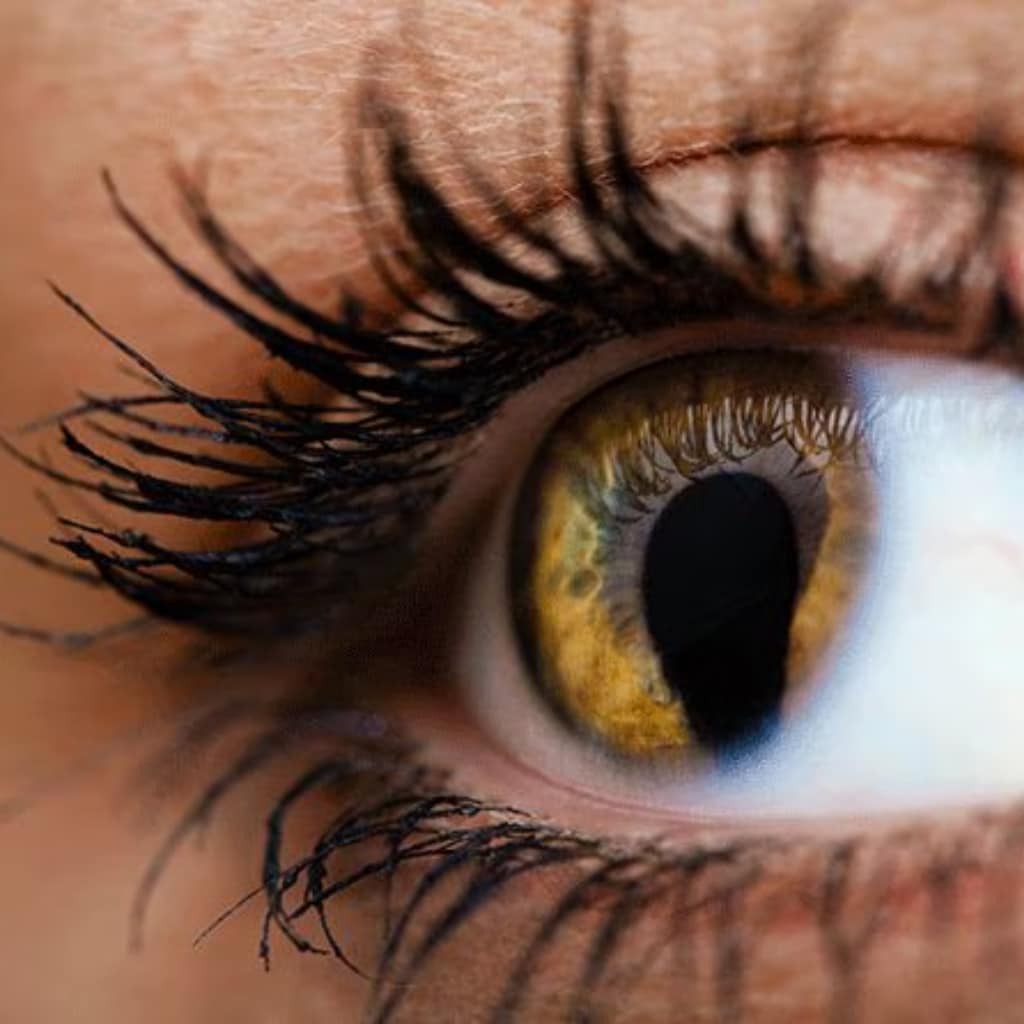
Cat eye syndrome (CES) is a rare genetic disorder that affects chromosome 22. It gets its name from the characteristic coloboma, a gap or hole in the eye structure that makes the pupil appear elongated like a cat’s. However, CES affects more than just the eyes—it can also impact kidney function, the heart, and skeletal structure.
People with cat eye syndrome may experience blurred vision, double vision, or increased sensitivity to light. Some cases are mild, while others may require surgical intervention or special eyewear to manage vision problems.
7. Crying Blood (Haemolacria)
The idea of crying blood sounds like something out of a horror film, but haemolacria is a documented medical phenomenon. This condition causes individuals to produce tears mixed with blood, leading to a startling appearance. While haemolacria can be linked to eye infections, trauma, or even hormonal changes, in some cases, no clear cause is found.
Episodes of bloody tears are usually temporary, but if they persist, an eye specialist can help determine if an underlying medical condition is responsible. Treatment depends on the cause, ranging from medication to surgery in severe cases.
Recommended Contact Lenses for Unique Eye Conditions
For those with unusual eye conditions or sensitivities, selecting the right contact lenses can make a significant difference in comfort and vision quality. Some recommended brands include:
Dailies Total 1 – Known for their exceptional moisture retention, these lenses are ideal for those with sensitive eyes or light sensitivity.
Air Optix Colors – A great choice for individuals looking to enhance or balance eye color, particularly those with heterochromia.
Acuvue Oasys – Designed for all-day comfort and UV protection, making them a suitable option for those with light-sensitive conditions.
Always consult an eye care professional before selecting contact lenses, especially if you have a rare eye condition or experience discomfort with standard lenses.
Frequently Asked Questions
Are these eye conditions treatable?
Some of these conditions, like limbal dermoid or coloboma, may require surgical intervention, while others, such as heterochromia, typically don’t need treatment. Corrective lenses or specialty eyewear can help manage symptoms.
Can someone be born with two different eye colors?
Yes, heterochromia can be congenital (present at birth) or acquired later due to injury or disease. It’s usually harmless unless accompanied by vision changes.
Why do some people cry tears of blood?
Haemolacria is a rare phenomenon with multiple causes, including infections, hormonal changes, or underlying health conditions. A thorough eye exam can help determine the cause.
What should I do if I notice sudden changes in my eye color or vision?
If you experience unexplained changes in eye color, sudden vision loss, or extreme light sensitivity, consult an eye care professional immediately to rule out any serious conditions.
Protect Your Vision with Lens.com
If you have a unique eye condition or just need high-quality contact lenses for everyday wear, Lens.com has you covered. Browse a wide selection of lenses designed for comfort, clarity, and specialized needs. Take an online vision test to renew your prescription and shop top brands at unbeatable prices.
Explore options today and keep your vision healthy with the right lenses for your needs!