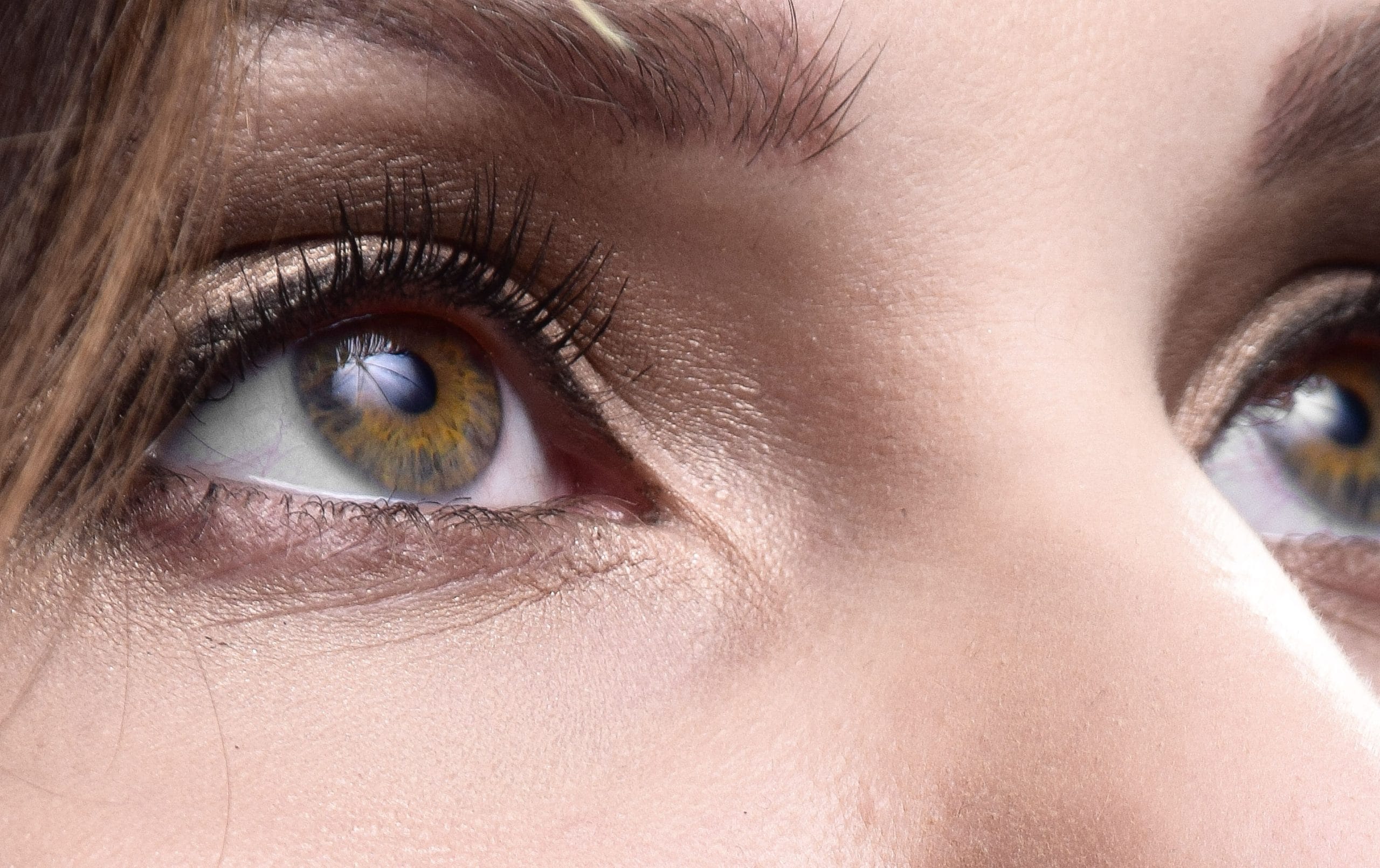

Eye infections are one of those things we often don’t think about—until it happens to us. Whether you’ve had the misfortune of dealing with an itchy, red eye, or a more painful and serious infection, eye infections can quickly become a nuisance and disrupt your daily routine. For contact lens wearers, these infections are particularly common but avoidable with proper care.
In this article, we’ll explore the common causes of eye infections, the symptoms to watch for, and how to treat and prevent them, so you can get back to living your life comfortably with healthy eyes. It’s time to take proactive steps to protect your vision.
What Causes Eye Infections?
Eye infections can occur due to a variety of reasons. They are often caused by the introduction of harmful microorganisms, like bacteria, viruses, fungi, or parasites, into the eye. Here are the primary causes of eye infections:
Bacterial infections – These are caused by bacteria, such as Staphylococcus or Streptococcus, and can lead to conditions like conjunctivitis (pink eye) or more severe corneal infections.
Viral infections – Viruses like the common cold virus or herpes simplex virus can infect the eye, causing viral conjunctivitis or more serious conditions like keratitis.
Fungal infections – In rare cases, fungi can cause eye infections, particularly in individuals with compromised immune systems.
Parasites – Acanthamoeba, a type of parasite, can cause severe infections, particularly in contact lens wearers who don’t follow proper hygiene.
Contact lens-related infections – Poor hygiene, improper cleaning, and wearing lenses for too long are common causes of infections, especially in individuals who wear contact lenses.
Types of Eye Infections
Eye infections can be caused by bacteria, viruses, fungi, or parasites. These infections can affect different parts of the eye and may require specific treatment based on the type and severity of the infection. Below are the main types of eye infections that you should be aware of:
Conjunctivitis (Pink Eye) – This is one of the most common types of eye infections and is usually caused by bacteria or viruses. It results in redness, itching, and discharge from the eye. Conjunctivitis can spread easily, especially in communal settings like schools and offices.
Keratitis – This infection affects the cornea and can cause blurred vision, pain, and light sensitivity. It’s often caused by bacterial infections but can also be viral or fungal. Contact lens wearers are more prone to keratitis, especially if they sleep in their lenses or fail to clean them properly.
Blepharitis – Inflammation of the eyelid margins, often caused by bacterial infections or skin conditions like rosacea. It can result in redness, swelling, and crusting of the eyelids.
Uveitis – This infection affects the middle layer of the eye and, while it can be caused by infections, is more commonly linked to autoimmune diseases or injuries. Uveitis can cause pain, blurred vision, and sensitivity to light.
Acanthamoeba Keratitis – This rare but serious infection is caused by a parasite called Acanthamoeba and is particularly common in contact lens wearers who don’t follow proper hygiene practices. It can lead to severe pain and vision loss if untreated.
Symptoms of Eye Infections
Eye infections often come with a few recognizable signs. If you experience any of the following, it may be time to consult an eye care professional:
- Redness: The white part of your eye (sclera) may appear red or bloodshot, which often indicates conjunctivitis (pink eye).
- Discharge: A thick or watery discharge may come from the eye, causing your eyelids to stick together, especially upon waking.
- Itching or Swelling: The eye may feel irritated, itchy, or swollen. This is common with allergies but can also happen with bacterial or viral infections.
- Pain or Sensitivity to Light: Infections like keratitis can cause sharp pain and light sensitivity.
- Blurred Vision: Blurry vision or a gritty sensation in the eye can be a sign of a more severe infection.
If you notice any of these symptoms, it’s important to seek medical help to prevent the infection from worsening.
Treatment for Eye Infections
The treatment for eye infections depends on the type and severity. Here’s a breakdown of the common treatments:
Bacterial infections are typically treated with antibiotics, either in the form of drops, ointments, or oral medications. These can help eliminate the infection and prevent it from spreading.
Viral infections often resolve on their own, but antiviral eye drops can help alleviate discomfort. For conditions like herpes simplex keratitis, prescribed antivirals are necessary.
Fungal infections require antifungal eye drops or oral medications.
Artificial tears can be used to help soothe dry, irritated eyes, especially if the infection is mild or caused by environmental factors.
Cold compresses can reduce swelling and irritation caused by eye infections, helping to soothe discomfort.
How to Avoid Eye Infections
Preventing eye infections is largely about maintaining good hygiene and avoiding common risk factors. Here’s how you can keep your eyes healthy:
Practice good contact lens hygiene – Always wash your hands before touching your lenses, clean them according to your eye care professional’s instructions, and never sleep in your lenses unless they’re designed for extended wear.
Replace your lenses regularly – Adhering to your lens replacement schedule (daily, bi-weekly, or monthly) ensures you’re using fresh, sterile lenses without any buildup.
Wash your hands frequently – Proper hygiene is critical. Always wash your hands before applying or removing your lenses.
Avoid eye irritants – Stay away from allergens, smoke, or other environmental irritants that could increase your risk of infection. Keeping your eyes protected in windy or dusty conditions can also help.
Schedule regular eye exams – Preventive eye care is one of the best ways to catch early signs of infection before they become serious problems.
When to Seek Professional Help
If you notice any symptoms of an eye infection, it’s important to seek medical attention right away, especially if symptoms persist or worsen. In particular, if you experience any of the following, make an appointment with your eye care provider as soon as possible:
- Intense pain or discomfort in your eye, especially if it doesn’t subside with over-the-counter treatments.
- Sudden loss of vision or blurred vision that doesn’t improve.
- Increased sensitivity to light or inability to keep your eyes open in bright environments.
Symptoms that don’t improve after a few days of self-care or prescribed treatments.
How Not To Get an Eye Infection
Eye infections are common but can be effectively treated and prevented with proper care and hygiene. If you wear contact lenses, be sure to follow proper lens care practices to avoid the risk of infection. If you experience any symptoms of an eye infection, consult your eye care professional immediately to get the right treatment.
Shop at Lens.com for a wide selection of high-quality contact lenses, lens care products, and expert advice to keep your eyes healthy and infection-free.