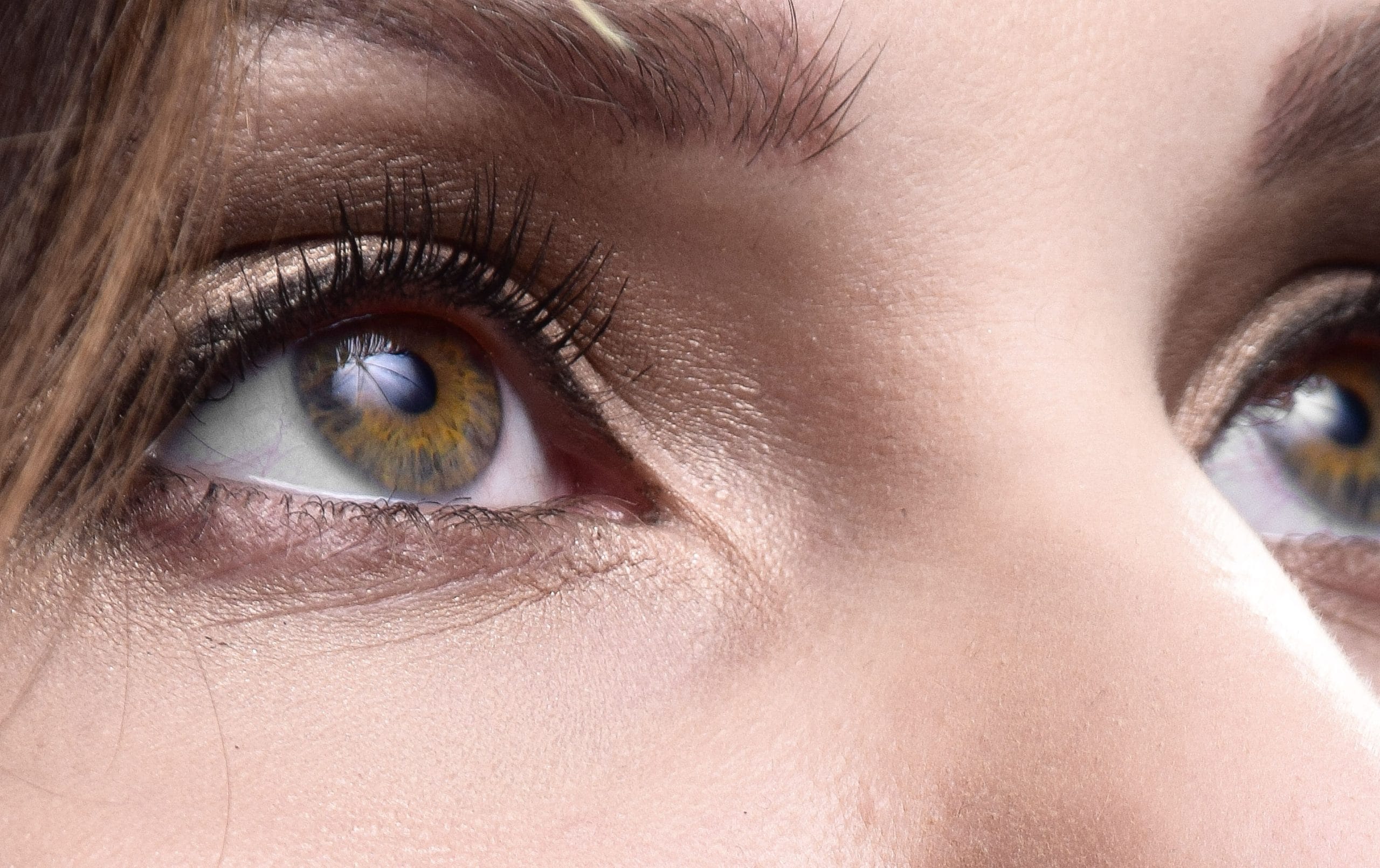

Waking up with red, irritated eyes is never a good start to the day—especially if you wear eye contacts. Pink eye, or conjunctivitis, can make wearing lenses uncomfortable and even harmful.
What Is Pink Eye?
Pink eye, medically called conjunctivitis, is an inflammation of the conjunctiva, the thin, transparent layer covering the white of your eye and the inner surface of your eyelid. It’s often caused by viruses, bacteria, or allergens and results in redness, irritation, and discharge.
Types of Pink Eye
The three main types of pink eye are viral, bacterial, and allergic. Viral and bacterial conjunctivitis are highly contagious and often require careful hygiene to prevent spreading. Allergic conjunctivitis, on the other hand, is triggered by allergens like pollen or pet dander and is not contagious.
Symptoms like redness, itching, swelling, and a gritty sensation are common with all types of pink eye, though the severity and duration can vary.
Why You Should Avoid Contacts With Pink Eye
Wearing contact lenses during pink eye can worsen your condition. Lenses rest directly on the conjunctiva, which is already inflamed. This can increase irritation and slow your recovery. Moreover, lenses can trap bacteria or viruses, potentially reinfecting your eye or spreading the infection to the other eye.
Your lenses, case, or cleaning solution might also be contaminated with the infectious agent causing your pink eye. This is why doctors recommend switching to glasses until your symptoms fully resolve.
How to Handle Contact Lenses After Pink Eye
If you wore contact lenses when pink eye developed, it’s important to take steps to avoid reinfection. Disposable lenses should be discarded, and reusable lenses need thorough disinfection. It’s also wise to replace your lens case and cleaning solution to start fresh.
For long-term eye health, consider whether your lens hygiene routine needs improvement. Washing your hands before handling lenses, using fresh cleaning solution, and avoiding overnight wear can all reduce the risk of future infections.
When Can You Resume Wearing Contacts?
Once your pink eye symptoms, such as redness, discharge, and irritation, have cleared, and you’ve finished any prescribed medications, you can think about wearing contacts again. Eye doctors typically recommend waiting 24–48 hours after symptoms disappear to ensure full recovery.
Before resuming lens use, check with your optometrist to confirm your eyes are healthy. If you’re using reusable lenses, make sure they’re thoroughly cleaned before wearing them again. If you’re using disposable lenses, start with a fresh pair.
Can Pink Eye Cause Lasting Damage?
Most cases of pink eye resolve within one to two weeks without long-term effects. However, untreated severe cases, particularly bacterial infections, can lead to complications like corneal damage. If you experience symptoms such as intense pain, blurry vision, or increased discharge, consult an eye care professional immediately.
Preventing Pink Eye in the Future
Good hygiene is the best defense against pink eye. Wash your hands regularly, avoid touching your eyes, and never share personal items like makeup or towels. Taking breaks from contact lenses and following proper lens care instructions can also help protect your eyes from future infections.
Tips for Managing Pink Eye With Contacts
If you suspect or are diagnosed with pink eye, here’s how to handle your contact lenses safely:
- Stop wearing your lenses immediately. Switch to glasses to avoid further irritation and spreading the infection.
- Dispose of contaminated lenses. For disposable lenses, throw away the pair you were using when symptoms began.
- Thoroughly disinfect reusable lenses. Follow your lens manufacturer’s guidelines and use a fresh, unexpired solution.
- Replace accessories. Toss out your lens case, cleaning solution, and any eye makeup you used during the infection.
- Follow your doctor’s advice. Wait until symptoms are gone and medications are finished before wearing lenses again.
Our Final Thoughts
Pink eye might feel like a setback, but taking a break from contact lenses and prioritizing your eye health will help you recover faster. Always follow your doctor’s advice and give your eyes the care they deserve. Before you know it, you’ll be back to wearing your lenses comfortably and safely.
Similar Articles
-

What First-Time Contact Lens Buyers Should Know Before Ordering Online
-

Who Is Bad Bunny? Halftime Star Losing Sleep Before 2026 Super Bowl LX: Eye Health Tips
-

Do Late Nights and Holiday Parties Affect Contact Lens Wear?
-

How to Prevent Contact Lenses from Tearing
-

Here Are Some of the Best Contacts You Can Sleep In