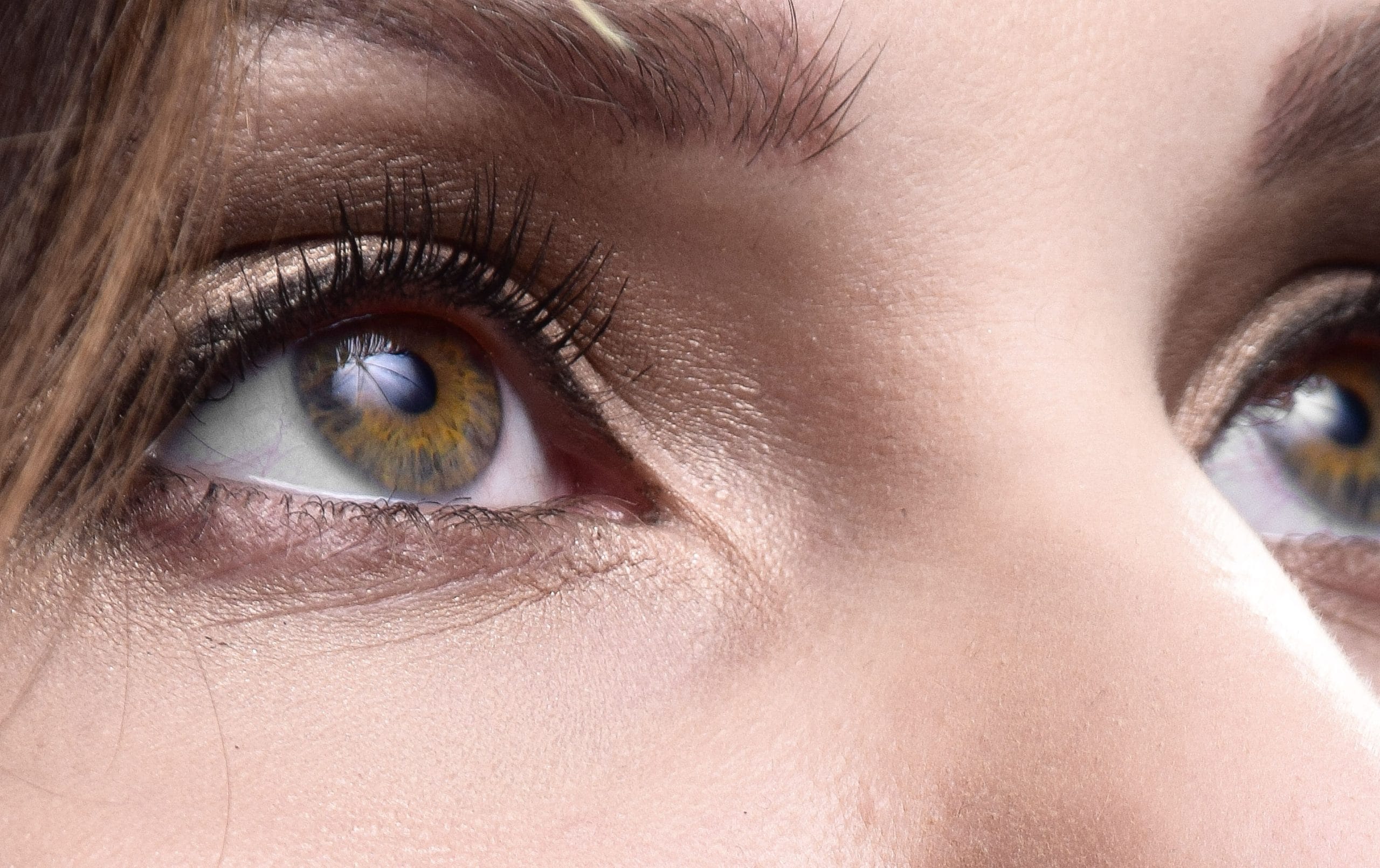

Reading in low light has long been surrounded by myths about its potential harm to vision. While your parents may have warned you that reading in the dark could ruin your eyesight, modern science tells a different story. Although it doesn’t cause permanent damage, reading in dim lighting can lead to temporary discomfort and strain. Let’s explore the truth behind this age-old myth, its effects on your eyes, and how contact lenses can help alleviate some of the symptoms of eye strain.
Does Reading in the Dark Harm Your Eyes?
The short answer: No, reading in the dark doesn’t cause permanent eye damage. However, it can strain your eyes, leading to symptoms like headaches, blurred vision, and fatigue. These effects are temporary and typically resolve after a period of rest.
When you read in dim lighting, your pupils dilate to allow more light in, and the muscles in your eyes work harder to focus. This extra effort can result in discomfort, particularly after prolonged periods. While your eyes are resilient and capable of adapting to low-light conditions, the strain can feel unpleasant and may impact your ability to concentrate.
Symptoms of Eye Strain
Eye strain, also known as asthenopia, is common when reading in the dark. Some of the most frequent symptoms include:
- Headaches – The increased effort to focus in low light can cause tension headaches.
- Dry Eyes – Reduced blinking while concentrating can lead to dryness and irritation.
- Blurred Vision – Your eyes may struggle to maintain focus, especially after extended periods.
- Fatigue – Prolonged eye strain can result in overall tiredness and discomfort.
Why Adequate Lighting Matters
Reading in the dark doesn’t cause permanent damage to your eyes, but it can lead to temporary discomfort. While your eyes are quite resilient and can adapt to low-light conditions, reading in dim lighting requires extra effort. Your pupils dilate to allow more light in, and the muscles in your eyes work harder to focus. This extra strain can lead to symptoms like headaches, blurred vision, and fatigue.
The discomfort experienced from reading in the dark is usually short-lived. Once you take a break and rest your eyes, the symptoms tend to resolve on their own. However, prolonged exposure to dim lighting without breaks can intensify the strain, making it harder to concentrate. Your eyes may feel tired, and it may become more difficult to focus on the text.
Although there’s no permanent harm done to your eyes, it’s still a good idea to read in well-lit environments to avoid unnecessary discomfort. If you notice signs of eye strain, such as dryness or difficulty focusing, it’s best to take a break and allow your eyes to rest. Maintaining proper lighting while reading can help you stay comfortable and prevent the temporary effects of eye strain.
Can Contact Lenses Help?
For those who wear contact lenses, the strain from reading in the dark can feel more pronounced, especially if dry eyes are a concern. Contact lenses that provide enhanced hydration and comfort can alleviate some of the discomfort associated with eye strain. Here are some recommended options:

- DAILIES TOTAL1®. These daily disposable lenses feature Water Gradient Technology to keep your eyes hydrated and comfortable, even during extended wear.
- ACUVUE OASYS® with HYDRACLEAR® PLUS. Ideal for screen users, these lenses provide all-day hydration and reduce eye fatigue.
- Biofinity®. Made with silicone hydrogel, these lenses allow high oxygen flow to your eyes, minimizing dryness and irritation.
Tips to Reduce Eye Strain While Reading
Whether you wear contact lenses or not, these strategies can help reduce eye strain while reading in low light:
- Take Breaks. Follow the 20-20-20 rule: Every 20 minutes, look at something 20 feet away for at least 20 seconds.
- Blink More Often. Consciously blinking helps keep your eyes lubricated and reduces dryness.
- Use Rewetting Drops: For contact lens wearers, rewetting drops can provide instant relief from dryness and irritation.
- Upgrade Your Lighting. Invest in an adjustable reading lamp or LED task light to ensure optimal brightness.
- Wear Blue Light Blocking Lenses. If reading on a digital screen, consider contact lenses with built-in blue light filters or wear blue light-blocking glasses to reduce digital eye strain.
Protecting Your Eye Comfort
Reading in the dark doesn’t harm your eyes, but it can lead to temporary discomfort that disrupts your experience. By ensuring proper lighting, taking regular breaks, and choosing contact lenses designed for hydration and comfort, you can reduce the strain on your eyes and enjoy reading without worry.
If you’re a contact lens wearer, consider exploring options like DAILIES TOTAL1®, ACUVUE OASYS®, or Biofinity®. These lenses are specifically designed to address common issues like dryness and fatigue, helping you maintain clear, comfortable vision.
Don’t let myths about reading in the dark keep you from enjoying your favorite book or article. With the right strategies and eye care solutions, you can focus on what matters most—your love of reading.
Similar Articles
-
What Reddit ‘Reviews’ Say About Popular Contact Lenses (Acuvue, Dailies, Biofinity & more)
-

Is Getting Your Eyes Dilated Always Required?
-

7 Best Contact Lenses for Computer Use
-

Top 5 Alternatives to Acuvue Oasys Max 1-Day for Comfortable Vision
-

Can I take a 20 Minute Nap with Contacts On? How About for 10 minutes, 15, 30, or 60 minutes? 2025 Update