
In today’s fast-paced, screen-filled world, dry eyes are becoming more common. Many people quickly reach for eye drops, hoping for relief, but could these drops actually be making things worse? Before assuming they’re the best solution, it’s important to consider whether your go-to remedy might be contributing to the problem.
Let’s take a closer look at how eye drops might be affecting your dry eyes and whether they’re truly the right answer for long-term relief.
Eye Drops: A Quick Fix?
Eye drops, often our go-to for dry eyes, are designed to mimic natural tears and provide quick relief. But not all eye drops are created equal, and choosing the wrong type can cause more harm than good. For example, drops for redness may contain vasoconstrictors that reduce redness temporarily but don’t address dryness and can even lead to rebound redness if overused. Similarly, allergy drops might ease itchiness but won’t provide the lubrication needed for dry eyes. Understanding your eyes’ specific needs is key to choosing the right drops and managing symptoms effectively.
The Problem with Preservatives
Using eye drops might seem like a simple way to soothe irritated eyes, but many of them contain preservatives that, over time, can actually make things worse. If you find yourself reaching for eye drops more and more often, it could be because these preservatives are causing irritation rather than relief. These additives are meant to keep the drops free from bacteria, but unfortunately, they can also damage the sensitive surface of your eyes and disrupt the natural tear film that protects and nourishes them. When this film is compromised, your eyes can feel even drier and more uncomfortable, creating a frustrating cycle.
For those who need ongoing relief, eye care experts often suggest switching to preservative-free eye drops. These come in single-use vials, which means they don’t need preservatives because each dose is fresh and sterile. While these preservative-free options might be a bit pricier and come with more packaging, the benefits they offer—especially for people with sensitive eyes or dry eye conditions—can make a big difference. Choosing gentler, preservative-free products is a important step toward keeping your eyes healthy and comfortable in the long run.
Dependency Dilemma
Using eye drops too frequently can create a dependency that reduces your eyes’ natural ability to stay moist, much like how overusing lip balm can make your lips feel drier. This dependency not only hides the real issues behind your eye dryness but can also throw off the natural balance of tear production and evaporation. When your eyes get accustomed to the artificial moisture from drops, they may stop responding as effectively to the body’s own signals to produce tears, leading to a cycle where your eyes feel drier without constant use of the drops. To break this cycle, it’s important to use eye drops sparingly and explore other treatments that address the root causes of dryness.
Looking Beyond Eye Drops
Relying solely on eye drops to manage dry eyes can feel like a quick fix, but it often only scratches the surface of the problem. Instead of just masking the symptoms, it’s worth taking a closer look at what might be causing your discomfort in the first place. Sometimes, something as simple as adjusting your environment—like reducing screen time, using a humidifier, or wearing protective eyewear—can make a significant difference in how your eyes feel throughout the day.
Your daily habits also play a big role in eye health. For instance, making sure you blink regularly, especially when staring at screens, or staying hydrated can help maintain the natural moisture in your eyes. Small changes like these can often provide more lasting relief than constantly reaching for eye drops.
In some cases, the underlying issue might be more complex and require professional guidance. If you find that your eyes are persistently dry despite making changes to your environment and habits, it may be time to consult an eye care professional. They can help identify any underlying health conditions that could be contributing to your discomfort and recommend treatments that go beyond just symptom management, offering you a more sustainable path to eye health.
When to Seek Help
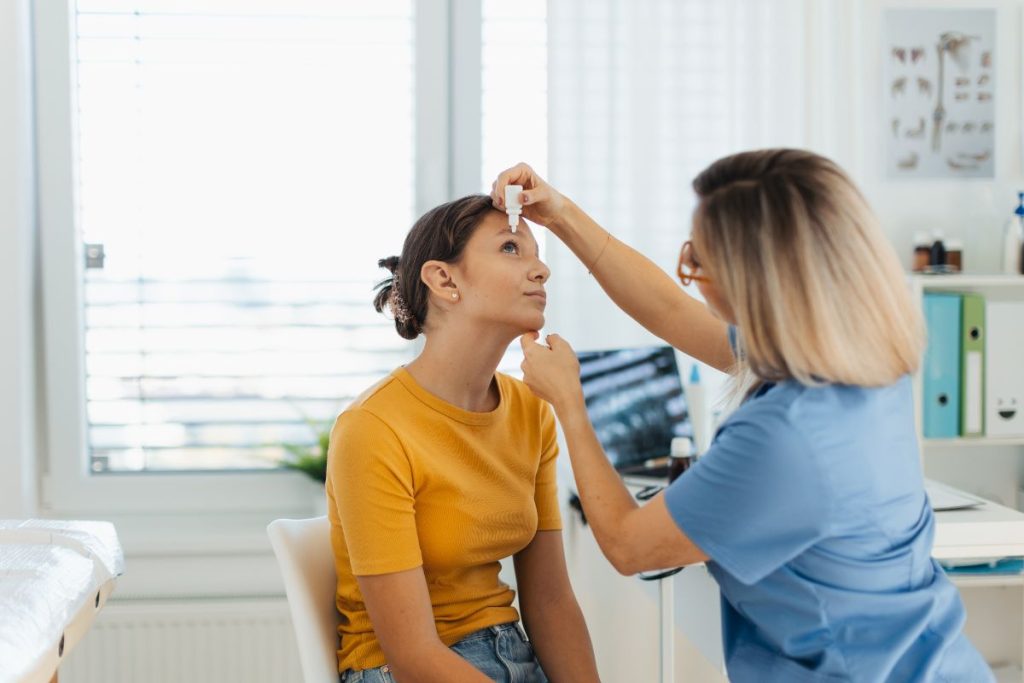
If you find yourself reaching for eye drops more often than usual, it could be a sign that it’s time to check in with an eye care professional. Heavy reliance on eye drops might mean that your dry eye condition is more complicated or severe than you first thought. A professional can thoroughly evaluate your symptoms and overall eye health, potentially identifying underlying issues like Meibomian gland dysfunction or autoimmune conditions that over-the-counter drops simply can’t address.
With a clearer understanding of what’s going on, they can recommend solutions tailored to your specific needs. This might include prescription eye drops, specialized treatments like punctal plugs, or even suggestions for lifestyle and dietary changes that can boost your eye health from within. Seeking professional advice ensures you’re not just covering up symptoms but actually working towards long-term relief and better eye health.
Summary
While eye drops can quickly soothe dry eyes, they’re not always the best long-term solution for everyone. Relying too much on them, especially those with preservatives, can actually cause more irritation and lead to a dependency. It’s important to think about what’s really causing your dry eyes and consider making some lifestyle changes. Simple steps like staying hydrated, taking regular breaks from screens, and keeping your living environment comfortable can all make a big difference in maintaining healthy eyes.
If you find that eye drops are becoming something you need every day rather than just occasionally, it’s probably a good idea to talk to an eye care professional. They can give you a thorough assessment and recommend a treatment plan that goes beyond just quick fixes. Remember, your eyes are incredibly valuable—taking proactive steps to care for them now can help protect your vision and keep you comfortable for years to come.
Similar Articles
-

6 Halloween Makeup Looks That Are Both Terrifying and Stunning
-

Why Does Rubbing Your Eyes Feel So Good
-
A Contact Lens Glossary: Contact Lens & Vision Terms You’ve Always Wondered About
-

A Guide to Your Contact Lens Patient Information Leaflet: Key Contents & Tips
-

Exploring ULTRA Contact Lenses: Are They Right for You?