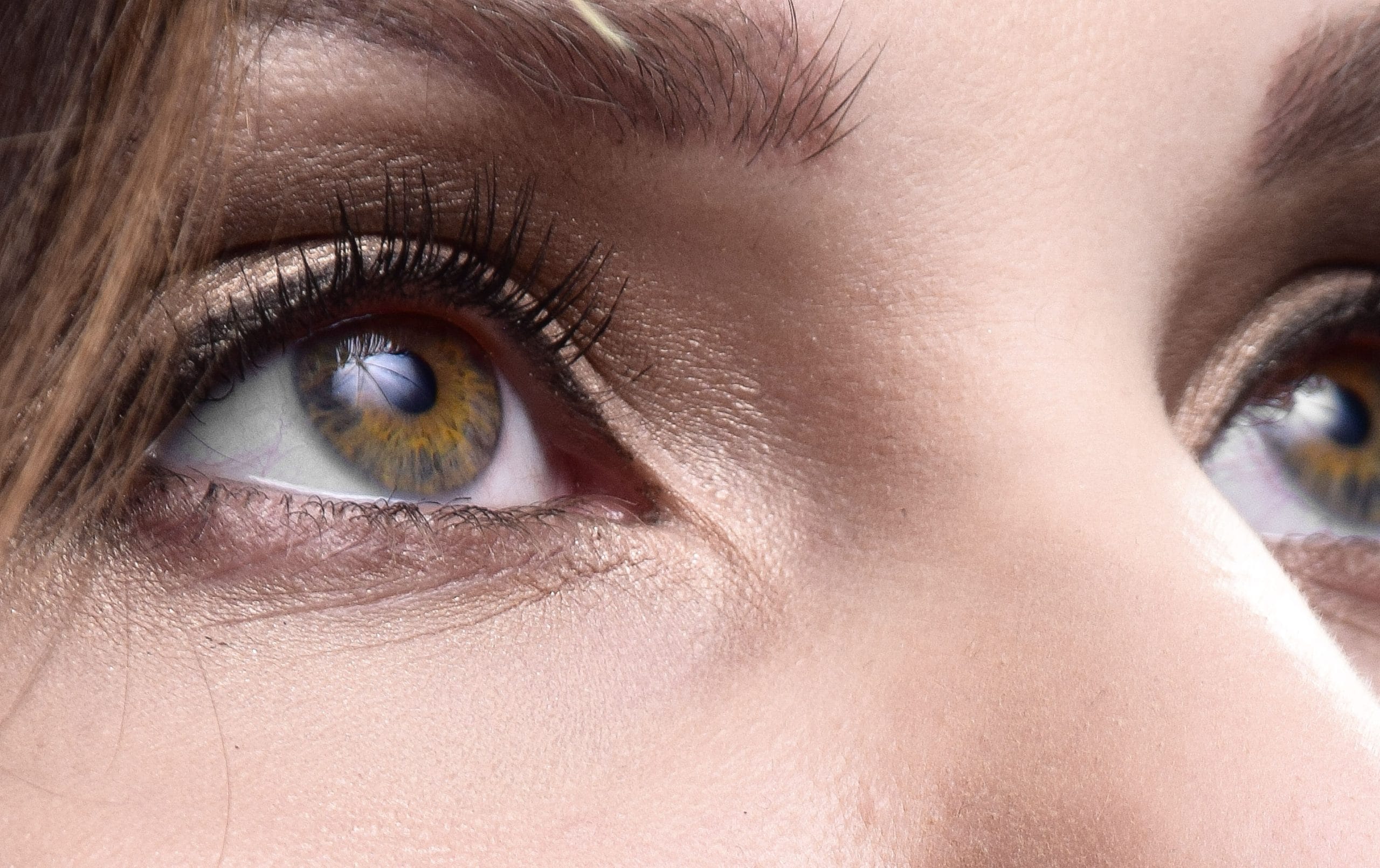
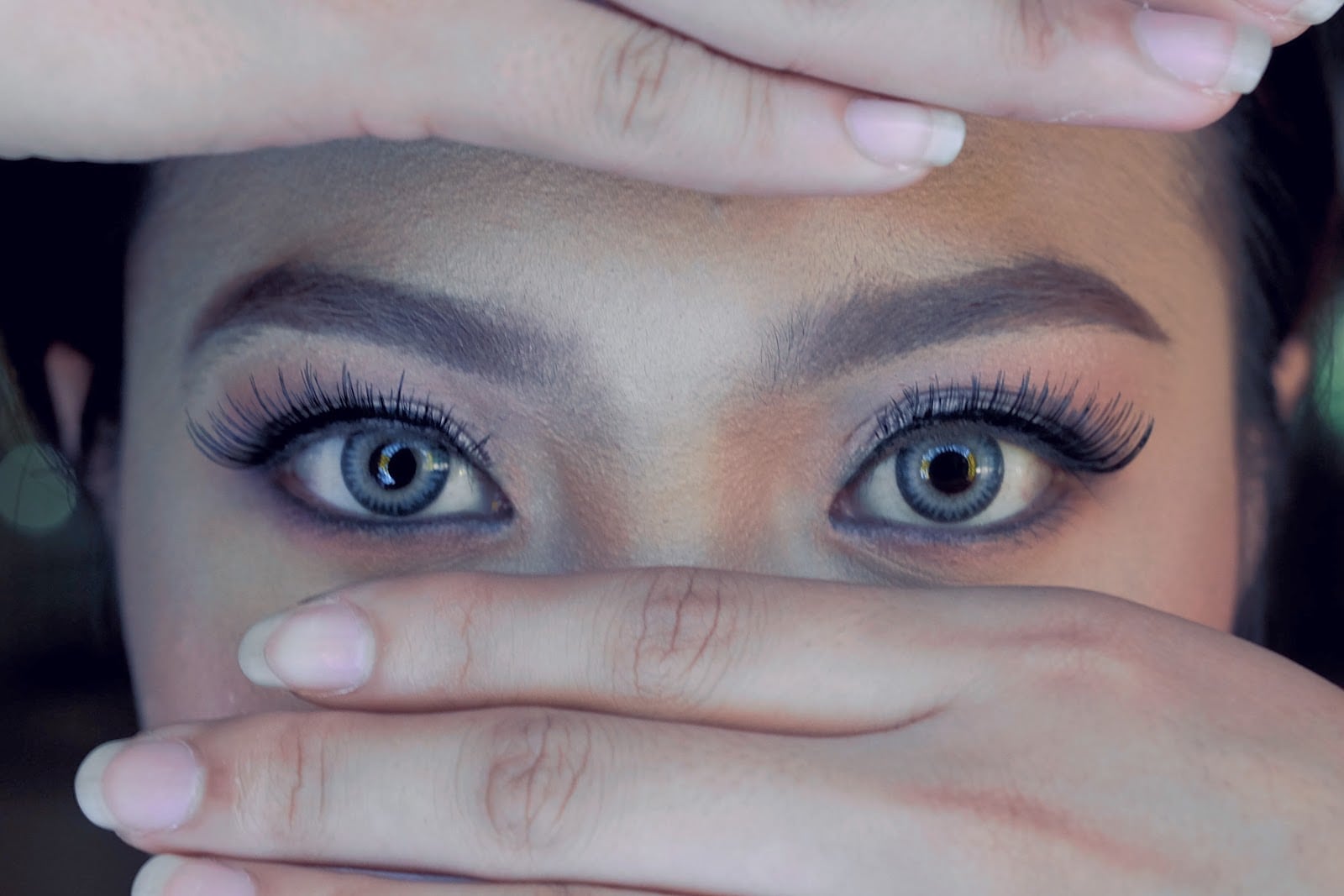
Updated on September 23, 2024 – Department stores and drugstore aisles are filled with a tempting selection of makeup colors and products intended for the eyes. While eye makeup and cosmetics can enhance your appearance, knowing how to apply and remove makeup properly will make your eyes look more beautiful and protect your vision as well. Otherwise, it can cause minor infections, allergic reactions, and serious injuries. Although rare, the most serious eye issues caused by makeup application can involve injuries to the cornea.
Eye cosmetics are generally safe to use, as long as you use them properly. But over time, bacteria and fungi can grow in cosmetic packaging. If you continue to use these products, you could transfer these germs directly into your eyes.
If you’re looking to improve your daily makeup routine, here are ten safety tips for makeup users.
Check the Label
As with any cosmetic product sold to the public, eye cosmetics are required to have an ingredient declaration on the label. Any cosmetic products without an ingredient declaration on the label are illegal to purchase in the United States. If you wish to avoid certain ingredients due to allergies or general health concerns, check the ingredients declaration on the label of your cosmetics.
If you’re curious about what ingredients are in your makeup, visit EWG’s Skin Deep Cosmetics Database. You can search the database for over 68,000 products and find out which of your favorite cosmetics could be harmful to your health.
Store Makeup at Room Temperature
Extreme temperatures—either hot or cold—can negatively impact the stability of active ingredients, promote bacterial growth, reduce shelf life, and alter the texture of the product, making it less effective, harder to apply, and possibly, toxic. Makeup can become breeding grounds for bacteria if stored at incorrect temperatures. For instance, warm environments can accelerate bacterial growth, which can lead to infections, especially around sensitive areas like the eyes and mouth.
Always Prep Your Skin Before Wearing Makeup
When your skin is hydrated and smooth, makeup products like foundation and concealer will glide on more evenly, reducing the appearance of patchiness, cakiness, or fine lines. Here are three reasons why skin prepping is important:
- Cleansing removes dirt, oil, and impurities, which can interfere with makeup application and prevent the products from applying properly.
- Exfoliating (on an occasional basis) helps slough off dead skin cells so makeup doesn’t settle into dry or flaky patches.
- Moisturizing softens the skin, allowing makeup to sit on top more smoothly without emphasizing dry areas.
Avoid Dried-Out Mascara
When it comes to mascara, it’s best to replace it every two to four months, or sooner if it’s dried out. If your mascara tube is dried out, toss it in the trash immediately—never attempt to moisten it with saliva or water.
In order to keep track of how long you’ve had your mascara, keep a permanent marker in your make-up kit and mark the date you open a new tube. This way, you can avoid contracting a nasty eye infection from your mascara wand.
Avoid Kohl Eyeliners
Although kohl eyeliners are incredibly popular, they may contain dangerous levels of lead and are unapproved for cosmetic use in the United States. Even though these products are illegal in the U.S. and many other countries, they are sometimes still sold illegally or brought in from overseas markets.
The FDA cites three main reasons for detaining the imports of kohl:
- Some may contain lead, an unsafe color additive
- Some are labeled falsely as “FDA-Approved”
- Lacks sufficient ingredient declaration
Wash Off Your Makeup Before Bed
Washing off your makeup before bed is essential for maintaining healthy, clear, and youthful-looking skin. It prevents clogged pores, reduces the risk of breakouts and infections, allows your skin to breathe and regenerate, and ensures that your nighttime skincare products work effectively. Regularly removing makeup before bed helps to keep your complexion bright, fresh, and more resistant to premature aging.
Go Non-Toxic For Your Makeup Routine
Non-toxic make-up is defined as any makeup product that doesn’t include ingredients deemed toxic. Toxins can create or exacerbate skin conditions and are potential carcinogens and hormone disrupters. They may also pose a risk to your eye health and cause eyelid blisters, rashes, etc. The best approach is to carefully evaluate ingredients in make-up products and avoid products that contain potentially toxic ingredients.
Below are some of the many toxic ingredients in makeup to avoid:
- lead
- mercury
- phthalates
- triclosan
- dioxin
- nickel
- chrome
- talc
- aluminum powder
- formaldehyde
- Titanium dioxide
- Carbon black
- PTFE
Hold Still, Don’t Share, & Other Tips
It may seem like an efficient use of your time to apply your makeup in the car or while on the bus but resist that temptation. With each bump in the road, you risk scratching your cornea or otherwise damaging your eye. Even a slight scratch on the cornea can result in a serious infection. Don’t share or swap cosmetics, even with your best friends or family. Another person’s germs may be hazardous to you, which is why you should also avoid sampling cosmetics at a store. If you must try on makeup at a store, ensure that it’s applied with single-use applicators, such as clean cotton swabs or one-time use mascara wands.
Clean Your Brushes
The buildup of makeup products and oils on your sponges, brushes, and other makeup tools create a breeding ground for bacteria and other microorganisms. This could lead to undesirable breakouts, staph, or even herpes outbreaks on your skin. You can avoid the risk of infections or breakouts by keeping your brushes clean. Some dermatologists recommend brushes to be cleaned once a week – especially for tools that are used for liquid or cream products around the delicate eye area. You can opt to do a quick cleanse each week using an alcohol-based brush cleaning spray or liquid and a regularly scheduled deep cleanse with soap and water.
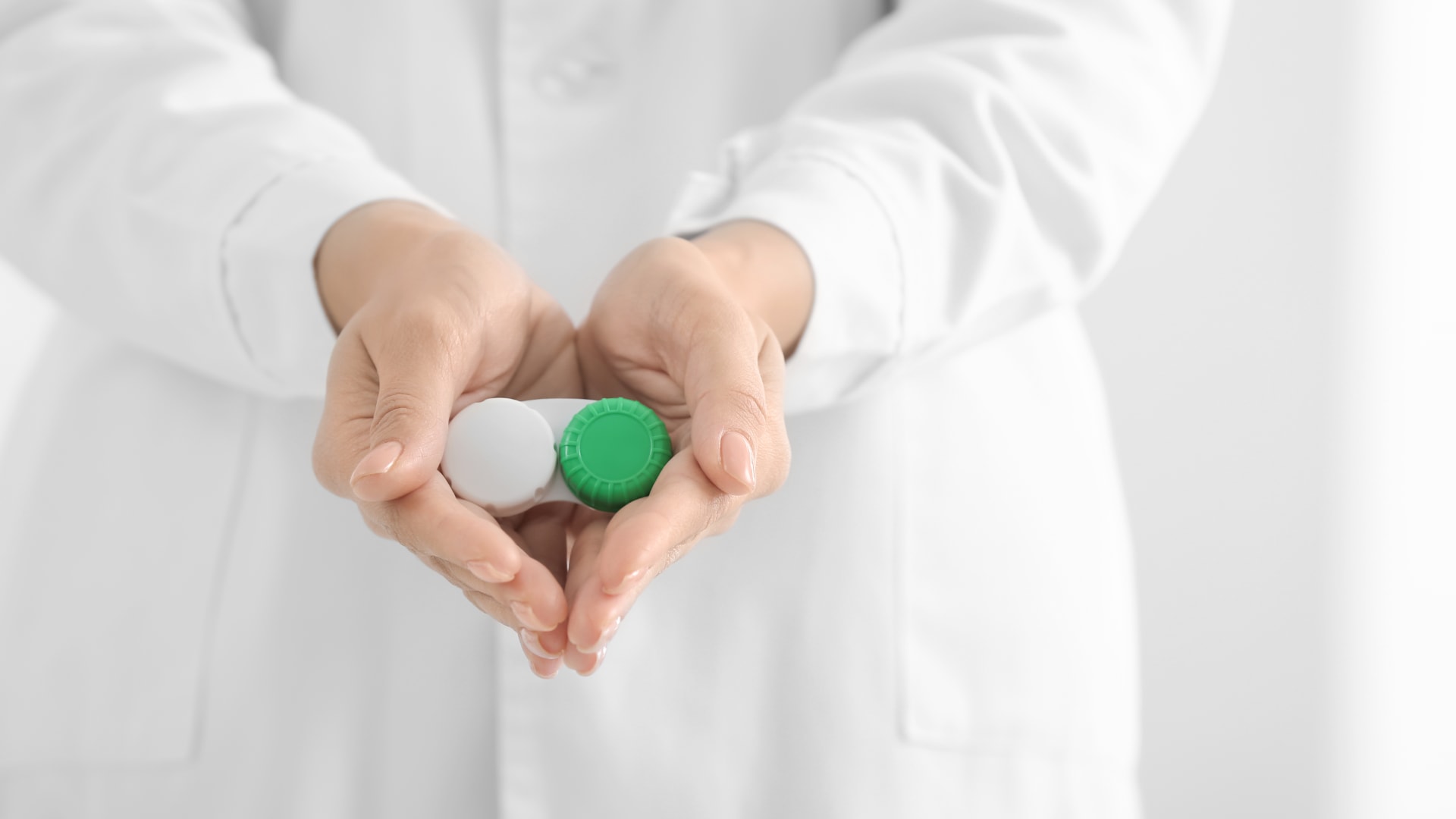
Consider Dailies Contacts
Daily disposable contacts are a safer option for many lens wearers, depending on their lifestyle. With dailies there is less of a risk of contamination as you can simply throw a single or pair of lenses away in the event of dirt buildup or other issue arising. With monthly lenses, you’ll have to contend with handling and cleaning which can introduce other contaminants, if not careful. So if you’re concerned with cross-contamination between your makeup routine and your contact lens routine, consider a daily disposable option like 1-Day Acuvue Moist 90 w/Lacreon, which is also a very affordable daily contact lens.
Takeaway
Proper makeup application and removal protects your eye health and skin from infections, allergic reactions, and serious injuries like corneal damage. Always check and avoid makeup with toxic ingredients and make it a habit to care for your skin daily. Handle makeup carefully and preserve both your beauty and well-being.
Find the best prices on Biofinity contact lenses, Dailies Total1, and other popular toric lenses on Lens.com