More than 25 million people worldwide are affected by age-related macular degeneration and cataracts, which is the leading cause of blindness in those over 55. Although failing vision is generally accepted as a natural part of aging, in many cases age-related macular degeneration is largely preventable through an antioxidant-rich diet. While certain health conditions can have a detrimental impact on your eyesight, foods rich in lutein, zeaxanthin, Vitamins C and E, beta carotene, zinc, and omega-3 fatty acids can help prevent age-related eye diseases.
In the last year, many people have been trying to change their diet for a myriad of reasons such as a healthier diet or for a more sustainable planet to name a few examples. So, the next time you go grocery shopping, be sure to stock up on these eye-friendly foods – while they won’t reverse the need for prescription eyeglasses or contacts, they may help your eyesight from getting worse. This list is friendly for vegetarians, vegans & even pescatarians.
Carrots
While an apple a day may keep the doctor away, a carrot a day could keep the optometrist away! Foods loaded with beta-carotene, like carrots, are packed with health benefits. Once you ingest beta-carotene your body changes it into Vitamin A, which not only promotes good eye health, but endorses a healthy immune system and healthy skin. Non-processed full-sized carrots are a top source of beta-carotene, with almost 5,000 grams of Vitamin A in the average carrot, but foods like sweet potatoes, pumpkin, and spinach are also great sources of the essential vitamin.
Kale
Kale is a superfood for a reason; it’s rich in cancer-fighting antioxidants and vitamins, and provides the top combination of lutein and zeaxanthin you’ll be able to find in a single food: one cup of kale contains 23.8 milligrams of lutein and zeaxanthin! The best thing about kale is its versatility – it can be eaten as a main course in the form of a salad, as a side dish sautéed with garlic and spices, blended into delicious fruit smoothies, or baked into a healthier version of a potato chip.
The Three B’s
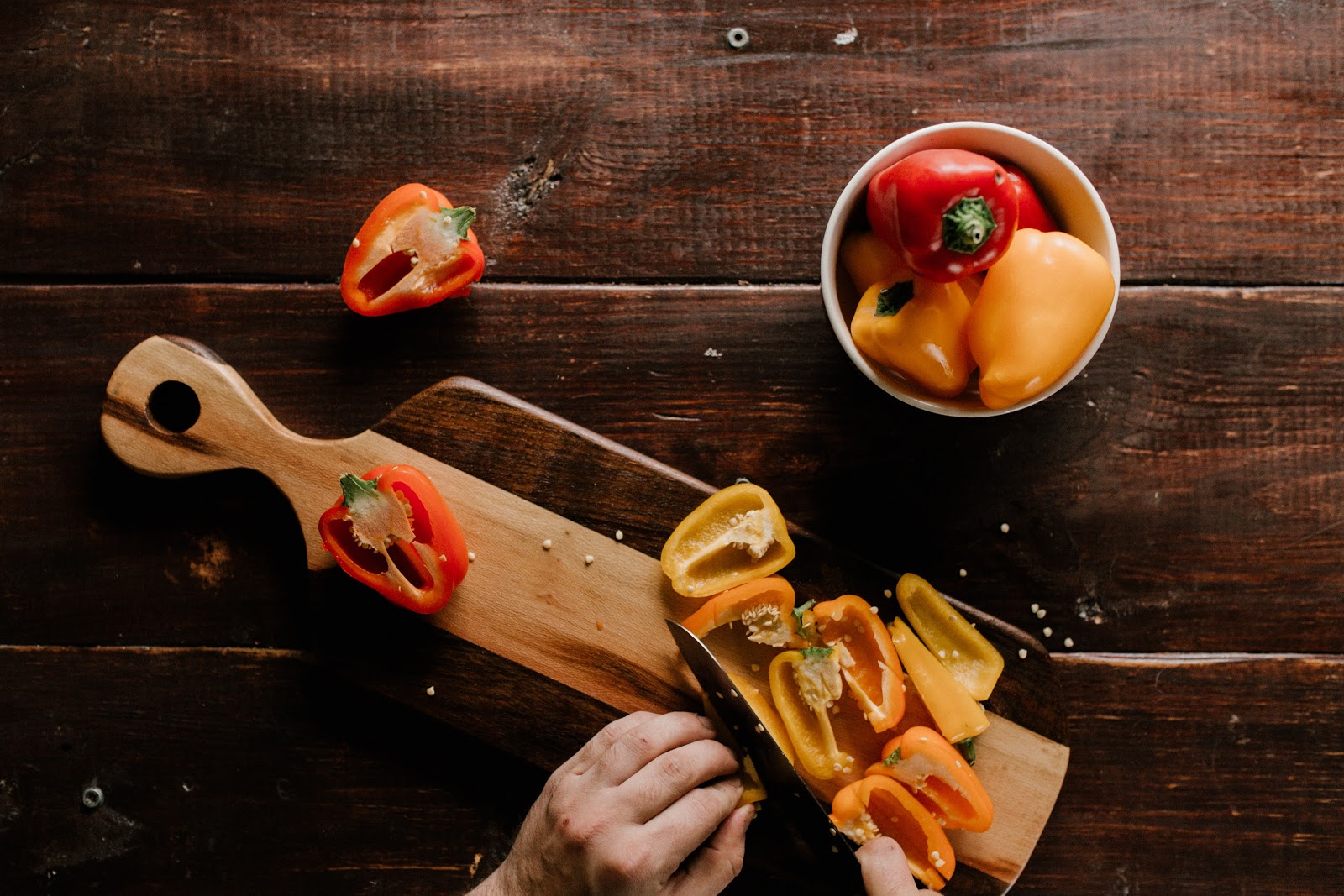
Bell peppers, Brussel sprouts, and broccoli. These superfoods contain tons of Vitamin C, a powerful antioxidant that protects the cells in your eyes from damage. Additionally, studies have shown that these foods can prevent or slow down age-related macular degeneration, cataracts, and glaucoma. If you’re wondering how many servings you should eat per day, around half a cup of bell pepper or one cup of either Brussel sprouts or broccoli each day will keep your vision strong and protected.
Nuts, Legumes & Seeds
Nuts, legumes and seeds are generally good for eye health. Almonds for example, contain vitamin E which guards you against unstable molecules that target healthy tissue. Consuming regular amounts of vitamin E can help prevent & slow age-related macular degeneration (AMD) from getting worse as well as cataracts. Other nuts and seeds that contain vitamin E include sunflower seeds, hazelnuts, and peanuts. Chickpeas on the other hand, are high in zinc, as are black-eyed peas, kidney beans, and lentils. A can of baked beans will do the job, too. Zinc helps to bring vitamin A from the liver to the retina in order to produce melanin, a protective pigment in the eyes.
Seafood
Tuna, salmon, mackerel, anchovies, trout, and other fatty fishes are rich in Omega-3 fatty acids. Not only does Omega-3 help lower your cholesterol, but they can help protect your eyes against macular degeneration and dry eye syndrome. In fact, studies show that seniors who eat fish at least twice a week are only about half as likely to develop age-related macular degeneration than those who don’t. Although most doctors recommend getting your daily dose of Omega-3 fatty acids directly from the source, it’s available in pill form for those who don’t like fish.