RX

Are You Left-Eyed or Right-Eyed? Try This 10-Second Test

Are You Left-Eyed or Right Eyed?

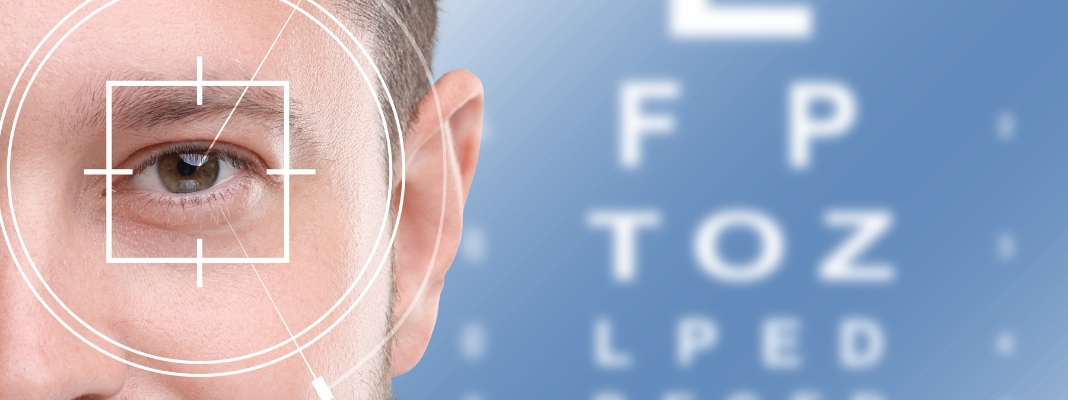
You use both eyes to see, but your brain doesn’t always treat their visual information equally. For certain tasks, it tends to favour the view from one eye when judging an object’s position or lining up what you see. This preferred eye is known as your dominant eye.

Eye dominance doesn’t mean that one eye is stronger, healthier, or clearer than the other. Someone with equally sharp vision in both eyes can still be right-eye or left-eye dominant. Some people also have mixed dominance, meaning neither eye consistently takes the lead.

Your dominant eye can come into play when you look through a camera viewfinder, aim at a target, peer through a telescope, or wear certain types of vision correction lenses. Curious which eye your brain prefers? The following 10-second test can help you find out.

Are You Left-Eyed or Right-Eyed?

Try this 10-second test. No equipment needed.

1

Extend your arm and point at a small object across the room, both eyes open.

2

Close your left eye only, keeping your finger in place.

3

Did your finger stay on target, or jump to the side?

Stayed on target? You're right-eye dominant. Your brain trusted your right eye to keep aim.
Jumped to the side? You're left-eye dominant. Your left eye was doing the aiming.

Why Is One Eye More Dominant Than the Other?

One eye becomes dominant because the brain tends to prioritize its visual input during tasks that require precise alignment or directional judgment. Both eyes continue working together to create a single three-dimensional view, but the dominant eye acts as the brain’s preferred reference point.

Researchers haven’t identified one exact cause of eye dominance. It appears to develop through a combination of brain organization, visual experience, and differences in how each eye processes visual information. Even a small difference in focus or image quality between the eyes can influence which one the brain favors.

Eye dominance is a normal visual trait. It doesn’t mean the nondominant eye is weaker or less healthy, and the preference can be strong, mild, or inconsistent depending on the person and the task.

Does Your Dominant Eye Match Your Dominant Hand?

Your dominant eye can match your dominant hand, but the two don’t always correspond. A right-handed person can be right-eye dominant, while another right-handed person can favor the left eye. The same applies to people who are left-handed.

Having a dominant eye and hand on opposite sides is known as cross-dominance. It’s a normal trait rather than a vision problem. You’re also unlikely to notice it during everyday activities since both eyes and hands work together for most tasks.

Cross-dominance becomes more noticeable during activities that require precise aim or alignment, such as archery, photography, baseball, or looking through a telescope. In those situations, knowing which eye naturally takes the lead can help you choose a more suitable position or technique. 

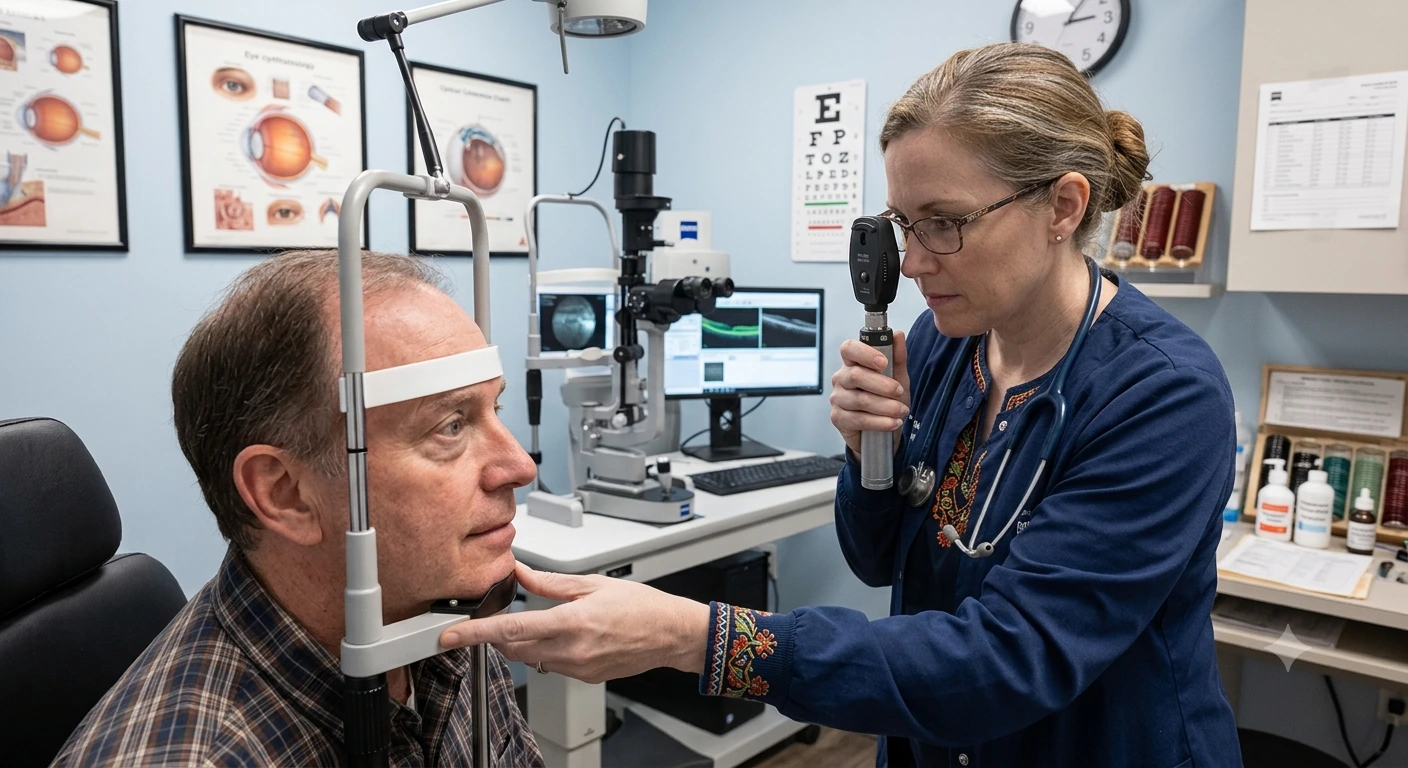
Eye dominance can also help an eye doctor plan your lens fitting by identifying which eye should be corrected for distance and which should be corrected for near vision. Combined with an assessment of lens fit, material, tear film, and wearing needs, this process can help your doctor identify the most comfortable contact lenses for your eyes.

Can Your Dominant Eye Change?

Your dominant eye can change, although eye preference tends to remain fairly stable for most people. Test results can also vary depending on the viewing distance, target, testing method, or amount of visual detail involved. Someone could favor one eye during a distance test but show weaker or mixed dominance during a near-vision task.

Changes in prescription, eye injury, cataracts, or another condition that affects vision in one eye can influence which eye the brain favors. Vision correction can play a role, too. For example, eye doctors consider eye dominance during certain contact lens fittings, including those that correct one eye for near vision and the other for distance.

A different result on a home test isn’t automatically concerning. A sudden change in vision, new double vision, eye pain, or a noticeable decline in one eye calls for an evaluation by an eye doctor.

What an Eye Dominance Test Can and Can’t Tell You

An eye dominance test can indicate which eye your brain prefers during a specific alignment task. It can also reveal whether your eye preference appears strong, mild, or mixed. Your result can be useful for photography, sports, and conversations with an eye doctor about monovision contact lenses.

However, the test can’t measure visual acuity, determine your prescription, or assess your overall eye health. It also can’t diagnose conditions such as amblyopia, strabismus, cataracts, or other causes of reduced vision. Remember, a dominant eye isn’t automatically the eye with clearer or healthier vision. An eye doctor can assess your vision and prescribe the right contact lenses, which you can then order from Lens.com.

Treat the result as an interesting insight rather than a medical conclusion. Blurred vision, double vision, eye pain, or a sudden difference between your eyes should always be evaluated by an eye doctor.

Disclaimer: This content is for general informational purposes only and is not a substitute for professional advice, diagnosis, or treatment.

References

Eye Dominance. American Academy of Ophthalmology. https://www.aao.org/eye-health/anatomy/eye-dominance. Published May 5, 2022. Accessed August 14, 2026.

What Is Monovision or Blended Vision? American Academy of Ophthalmology. https://www.aao.org/eye-health/treatments/what-is-monovision-blended-vision. Updated June 7, 2023. Accessed August 14, 2026.

Assessing Ocular Dominance Rethinking the Current Paradigm. Pepose JS, Thompson V, Hoopes P, et al. https://pmc.ncbi.nlm.nih.gov/articles/PMC12187140/. Published March 26, 2025. Accessed August 14, 2026.

Ocular Dominance and Visual Function Testing. Lopes-Ferreira D, Neves H, Queirós A, et al. https://pmc.ncbi.nlm.nih.gov/articles/PMC3844205/. Published November 11, 2013. Accessed August 14, 2026.

Results of Ocular Dominance Testing Depend on Assessment Method. Rice ML, Leske DA, Smestad CE, and Holmes JM. https://pmc.ncbi.nlm.nih.gov/articles/PMC2679867/. Published May 2, 2008. Accessed August 14, 2026.