While blue eyes are romanticized for their rarity, the medical science behind it is frequently misunderstood. The truth is a complex mix of genetics, evolutionary history, and optical physics. Here is the real science behind this striking trait.
Why Do People Have Blue Eyes?
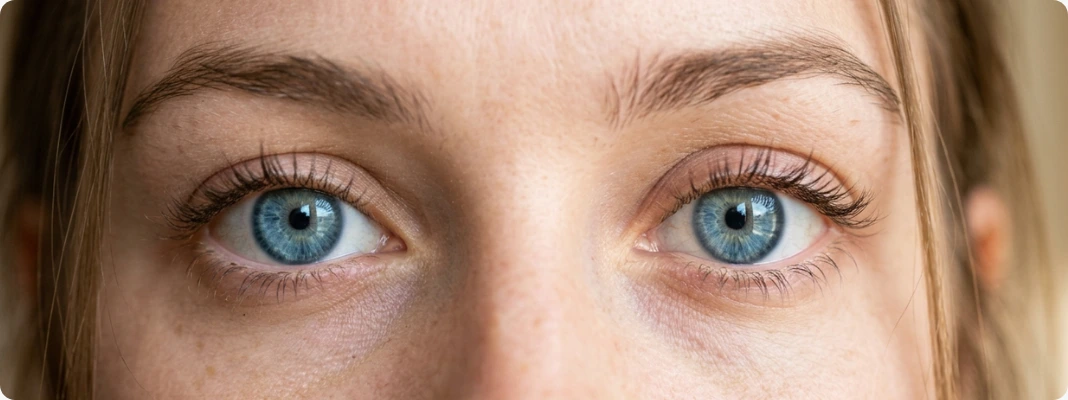
A person gets blue eyes when the outer layer of the iris contains relatively little melanin, the pigment that contributes to eye, hair, and skin color. Despite their appearance, blue eyes don’t contain blue pigment. Light entering the eye scatters through the iris, causing shorter blue wavelengths to reflect back more visibly. This optical effect, known as structural coloration, also explains why blue eyes may look lighter, darker, or slightly gray, depending on the lighting and surrounding colors.
Genetics determine how a person’s DNA orchestrates melanin development in the iris. This process is primarily governed by two genes: the OCA2 gene, which directly manufactures the pigment, and a regulatory region on the nearby HERC2 gene that controls its expression.
Certain genetic variations can reduce melanin production, resulting in blue or light-colored eyes. Several additional genes also influence eye color, including the exact shade, pattern, and presence of colored flecks.
Can You Share 10 Facts About Blue Eyes?
From genetic anomalies and optical tricks to unexpected health connections, there is much more to blue eyes than meets the eye. These 10 facts pull back the curtain on what makes this rare trait so unique.

1. Blue eyes appear across a striking spectrum of hair and skin tones.
Blue eyes are usually associated with fair skin and light hair. But they can appear alongside dark hair and a wide range of skin tones. Eye color is inherited separately from many of the genes that influence other physical traits.
2. Certain blue eyes display a striking ring of central heterochromia.
Some blue eyes have a ring of green, gold, or brown around the pupil, a pattern known as central heterochromia. This natural variation can make the iris look multicolored, especially under bright lighting. Complete heterochromia means having two eyes of entirely different colors. Sectoral heterochromia refers to one eye having multiple colors.
3. Blue eyes are relatively uncommon.
People with brown eyes dominate worldwide, while blue eyes appear in just 8% to 10% of the global population. However, this rarity is highly regional. In parts of Northern Europe like Finland and Estonia, there are more blue-eyed people than brown-eyed ones.
4. They’re most common in parts of Europe.
People with blue eyes cluster heavily around the Baltic Sea, peaking at over 80% to 90% frequency in countries like Finland and Estonia. However, they aren’t exclusive to Europe and regularly appear in families with diverse global ancestry.
5. Every person with blue eyes may have shared a single common ancestor.
Modern genetics reveals that a lone individual (or a small number of individuals) living thousands of years ago developed a specific genetic tweak. This unique mutation created a molecular switch that turned down iris melanin production, giving birth to the world’s very first pair of blue eyes
6. Blue eyes are a spectrum, not a single shade.
Blue eyes may appear pale, deep blue, gray-blue, or blue-green, sometimes with gold or brown flecks near the pupil. For a temporary colder, more dramatic blue appearance, ice blue contact lenses can create a brighter icy effect.
7. Lighting can change their appearance.
Sunlight, indoor lighting, pupil size, clothing, and surrounding colors can make blue eyes appear brighter, darker, greener, or grayer. The actual pigmentation hasn’t changed; the difference comes from how light reaches and reflects from the iris.
8. A baby’s blue eyes may darken as they grow older.
Many infants are born with slate-blue or gray eyes simply because their cells haven’t started producing melanin yet. Over their first year, exposure to light triggers these cells to begin depositing pigment, often darkening the initial blue into permanent shades of green, hazel, or brown.
9. Brown-eyed parents can have a blue-eyed child.
Eye color is governed by a complex multi-gene network rather than a basic dominant-recessive switch. The trait may be passed quietly through generations. If both brown-eyed parents harbor recessive genetic variations for low melanin production, they can pass those traits so they can have a child with blue eyes
10. Blue eyes may be more sensitive to bright light.
Blue irises contain less melanin, so they act like a thinner window, letting more light flood directly into the back of the eye. This structural deficit of pigment increases disability glare, making bright sunlight or oncoming headlights feel significantly more intense than they do for people with darker eyes.
Are There Benefits to Having Blue Eyes?
Most benefits associated with blue eyes are aesthetic. Possible health advantages are limited and still being studied.

- Distinctive appearance: Blue eyes can create noticeable and distinct contrast with different hair colors, skin tones, clothing, and makeup. Blue eyes can create noticeable contrast with different hair colors, skin tones, clothing, and makeup. For a more dramatic character-inspired version of that contrast, blue cosplay contacts can create a vivid fantasy-style blue effect.
- Varied appearance in different lighting: Their shade may look pale blue, gray-blue, greenish, or deeper blue as the lighting and surrounding colors change
- Possible lower risk of certain cataracts: While light eyes are more vulnerable to sun damage, major population studies show that people with dark brown eyes are 1.5 to 2.5 times more likely to develop specific age-related cataracts compared to those with blue eyes. Researchers suspect the heavy melanin in dark irises absorbs more light and traps heat in the eye, accelerating lens cloudiness over a lifetime.
- Visible iris patterns: Lower pigmentation can make rings, flecks, and other natural details within the iris appear more noticeable.
Blue eyes don’t provide better eyesight or make a person healthier overall. Genetics, age, UV exposure, lifestyle, and regular eye care have a much greater effect on eye health.
Is There a Blue Eye Disease in Humans?
Technically, there is no recognized “blue eye disease” in human diagnosis. The term usually refers to blue sclera syndrome, wherein the white part of the eye turns blue, gray, or purple due to thinning tissue. Causes range from genetic disorders like osteogenesis imperfecta (brittle bone disease) to iron-deficiency anemia and certain medications.
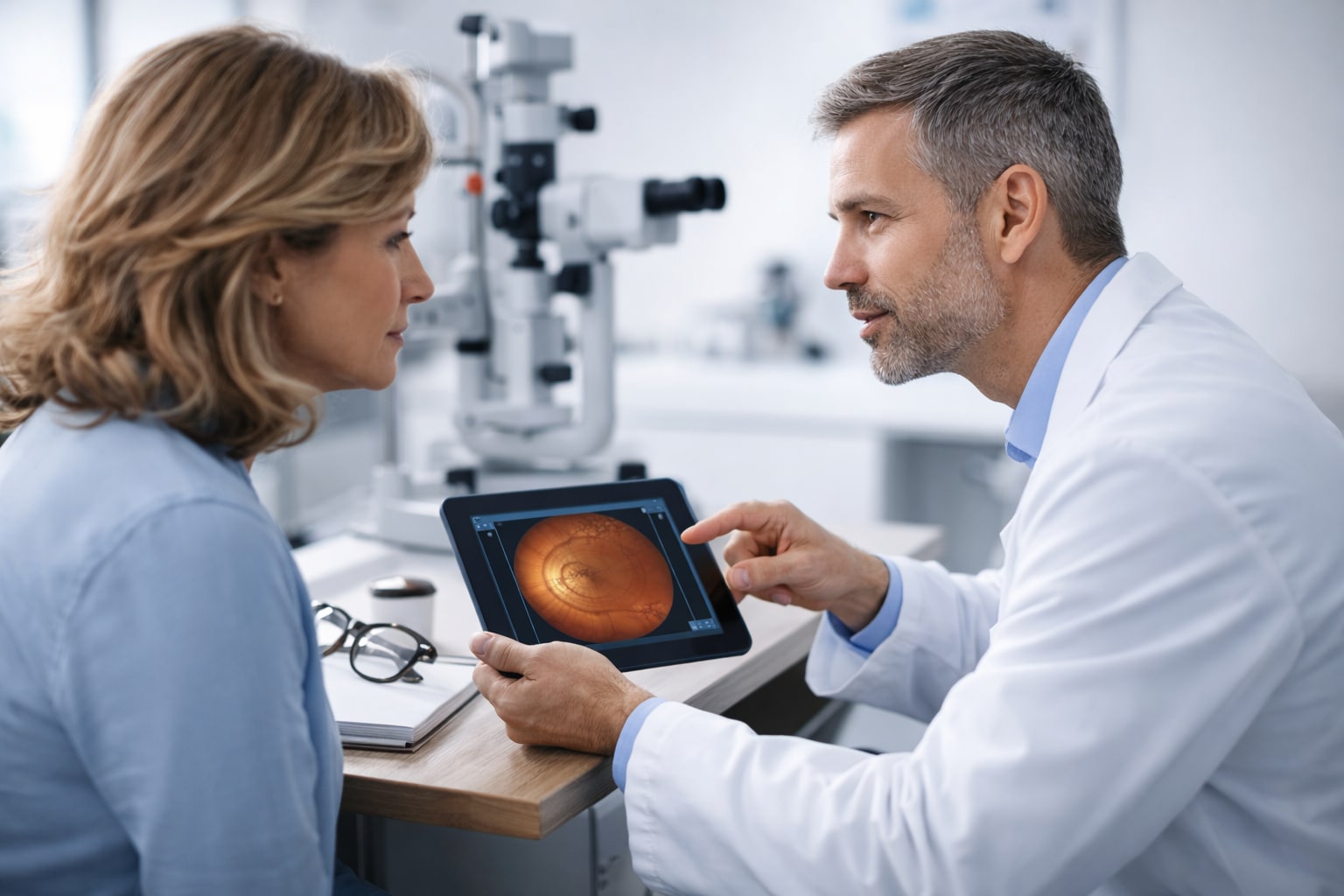
Blue-eyed people, however, are slightly more susceptible to the following vision conditions.
- Light sensitivity and glare: People with light-blue irises may experience more glare in bright sunlight or while driving at night, though sensitivity varies and can affect people with any eye color.
- Uveal melanoma risk: Light eye color is associated with a higher risk of uveal melanoma, a rare cancer that develops inside the eye. Having blue eyes doesn’t mean a person will automatically develop it. Age, genetics, pigmentation, and other factors play a bigger role.
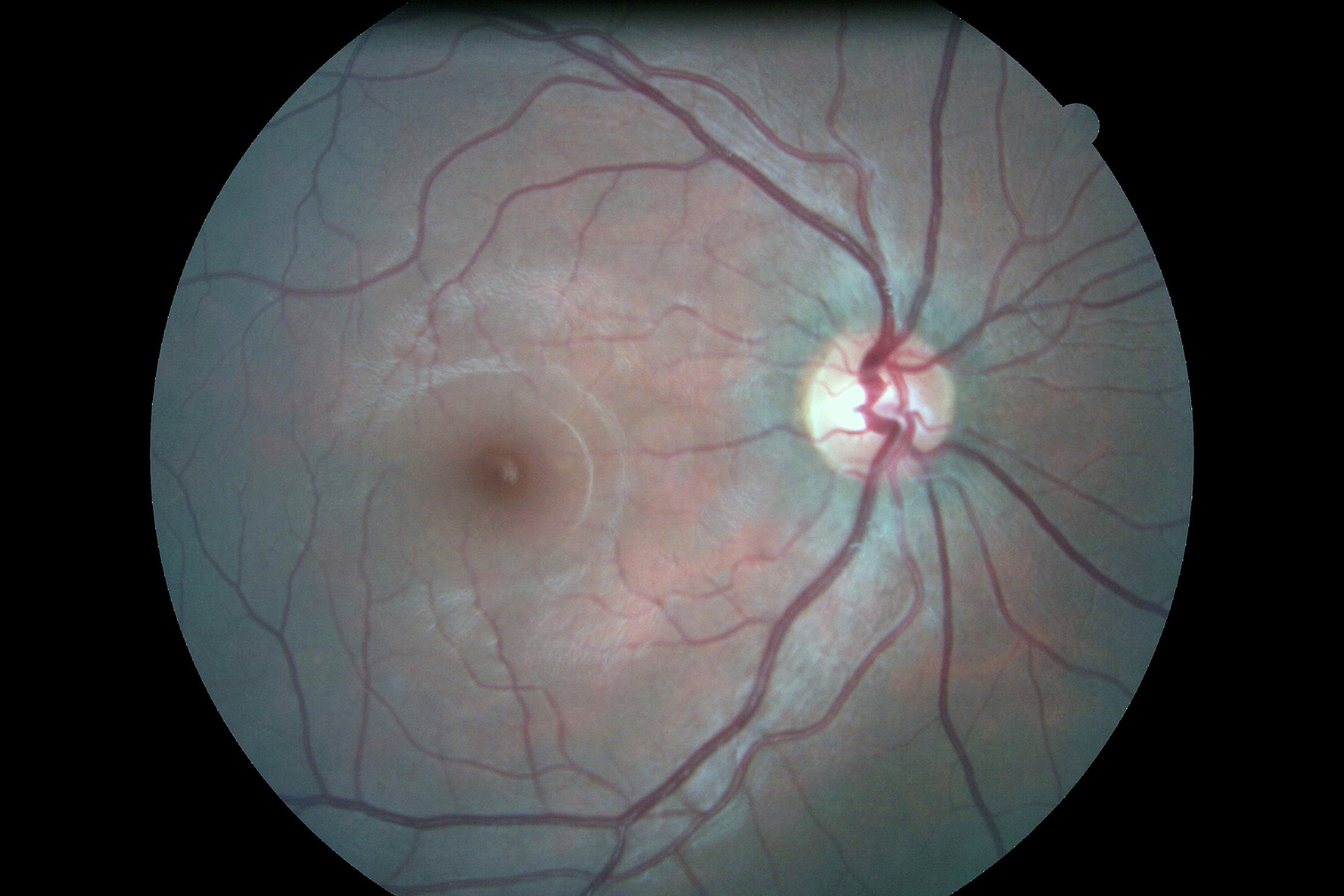
- Possible connection with age-related macular degeneration: Researchers have studied whether lighter pigmentation and greater sunlight exposure are linked with age-related macular degeneration. Findings remain mixed, and blue eyes haven’t been confirmed as an independent cause of the condition.
- Conditions that create a blue or cloudy appearance: Corneal swelling, cataracts, inflammation, infection, injury, or certain medications may change how an eye looks. Arcus senilis can also create a harmless white, gray, or bluish ring around the edge of the cornea, particularly in older adults.
When a Change in Eye Color Needs Medical Attention
Lighting shifts can trick the eye, but a true change in iris color is rare and warrants an immediate professional exam, especially if paired with any of the following red flags:
- Sudden, permanent color shifts: Any rapid change in one or both eyes that persists under consistent lighting.
- Pain, redness, or extreme sensitivity: Accompanying symptoms that point to active internal inflammation or infection.
- Distorted or blurred vision: A sudden drop in visual clarity occurring alongside the color change.
- Post-trauma discoloration: New coloration following an eye injury, chemical exposure, surgery, or starting new eye medications.
- An evolving iris spot: Any freckle or growth on the iris that actively changes in size, shape, or shade.
- Floaters, flashes, or “curtains”: Sudden flashes or dark shadows in your field of vision, which require emergency care for a potential retinal tear.
Daily Care and UV Protection for Light Eyes
While blue eyes don’t require specialized health care, their lack of natural pigment leaves them vulnerable to sun damage and glare. Protect your vision with these essential habits:

- Insist on UV400 protection: Always wear sunglasses explicitly labeled to block 99% to 100% of UVA and UVB radiation.
- Ignore lens darkness: Never judge protection by how dark a lens is. Mirrored, polarized, or dark lenses only block glare, not UV rays, unless specified on the label.
- Add a wide-brimmed hat: When you’re outdoors, use a hat to further block overhead and reflected sunlight.
- Never stare at the sun: Standard sunglasses offer zero protection against direct solar observation, even during a solar eclipse.
- Track persistent sensitivity: Mention ongoing or painful light sensitivity to an optometrist, as it may signal an underlying condition rather than just your eye color.
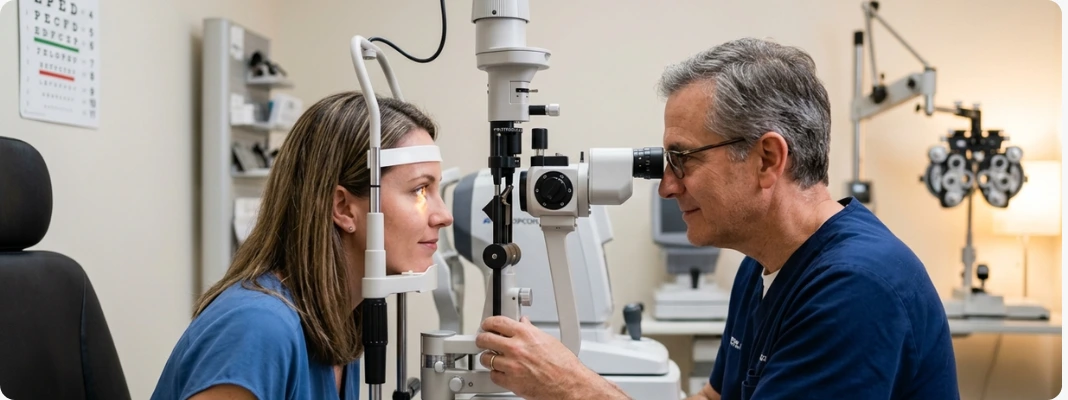
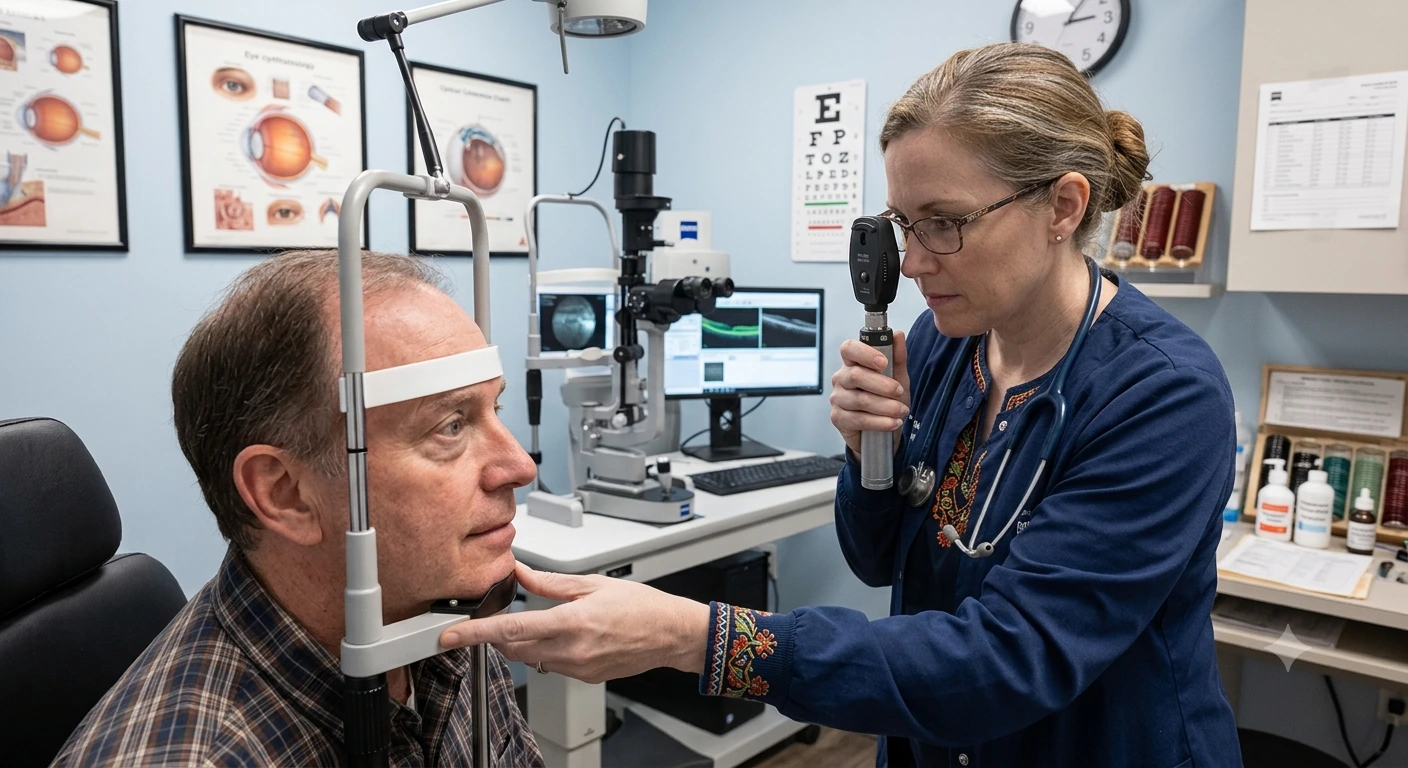
- Keep routine eye exams: Schedule comprehensive checkups to catch hidden vision problems or underlying tissue damage before symptoms appear.
Seeing Blue Eyes More Clearly
Blue eyes are one of nature’s greatest optical illusions, containing zero actual blue pigment, a genetic trait shared by just 8% to 10% of the global population. Blue eyes appear beautifully across diverse skin tones and hair colors worldwide.
Because they lack a built-in melanin sunshield, blue eyes are sensitive to glare and highly vulnerable to UV damage. Protecting them is a needed but simple precaution. The truth about blue eyes is that they are a stunning intersection of evolutionary history, optical physics, and biological wonder.
Disclaimer: This content is for general informational purposes only and is not a substitute for professional advice, diagnosis, or treatment.
References
- Hans Eiberg, Jesper Troelsen, Mette Nielsen, Annemette Mikkelsen, Jonas Mengel-From, Klaus W. Kjaer, Lars Hansen. https://pubmed.ncbi.nlm.nih.gov/18172690/. 01-03-2008. Date Accessed, July 15, 2026.
- The Blue Mountains Eye Study. Christine Younan, Paul Mitchell, Robert G. Cumming, Elena Rochtchina, Jie Jin Wang. https://pubmed.ncbi.nlm.nih.gov/12140040/. 08-01-2002. Date Accessed, July 15, 2026.
- Ocular Melanoma. D. R. Patel. https://www.ncbi.nlm.nih.gov/books/NBK551647/. 01-01-2020. Date Accessed, July 15, 2026.
- Teaching the genetics of eye colour & colour vision. David A. Mackey. https://pmc.ncbi.nlm.nih.gov/articles/PMC8956647/. 12-01-2021. Date Accessed, July 15, 2026.
- Eye Color Percentages: Across the Globe, Effect on Health, More. Healthline / Medically reviewed by Whitney Seltman, OD. https://www.healthline.com/health/eye-health/eye-color-percentages. 11-03-2021. Date Accessed, July 15, 2026.